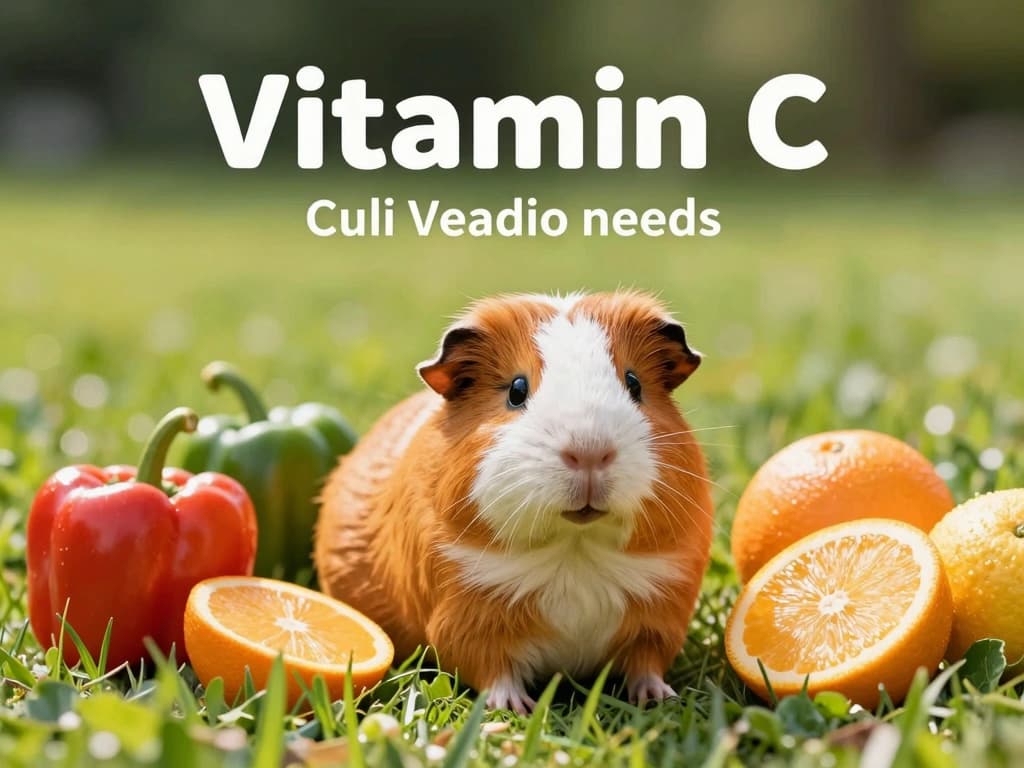
Discover the unique vitamin C needs for guinea pigs and learn how to ensure their health and vitality with the right diet and supplementation.
Understanding Guinea Pig Metabolism and Vitamin C
How Guinea Pig Digestive Systems Process Nutrients
Guinea pigs, or cavies, have a unique digestive system that is specially adapted to process a high-fiber diet primarily composed of hay, vegetables, and some fruits. This system includes a large cecum, where fermentation occurs, allowing for the breakdown of complex carbohydrates. Unlike many other small pets, guinea pigs are obligate herbivores, which means their gastrointestinal tract is optimized for plant-based nutrients.
Their digestive process begins in the stomach, where food is mixed with gastric juices. It then moves to the small intestine for nutrient absorption. The remaining material then enters the cecum, where beneficial bacteria help ferment remaining fibrous material, producing short-chain fatty acids that serve as a vital energy source. This process emphasizes the importance of a continuous supply of hay and fresh vegetables, as it not only provides fiber but also the essential nutrients guinea pigs require, including vitamin C.
The Role of Vitamin C in Guinea Pig Metabolism
Vitamin C, or ascorbic acid, is crucial for guinea pigs as they are one of the few animals unable to synthesize it internally due to a lack of the enzyme gulonolactone oxidase. This deficiency means they rely entirely on their diet to fulfill their vitamin C requirements. Vitamin C plays several vital roles in guinea pig metabolism:
- Antioxidant Properties: It helps protect cells from oxidative stress.
- Collagen Synthesis: Essential for the formation of collagen, which is crucial for skin, tendons, and cartilage.
- Immune Function: Supports the immune system, helping to fend off diseases.
- Absorption of Iron: Enhances the absorption of non-heme iron from plant-based foods.
Regular and adequate intake of vitamin C is essential for maintaining optimal health, growth, and longevity in guinea pigs.
Comparative Metabolism: Guinea Pigs vs. Other Pets
When comparing the vitamin C needs of guinea pigs to other common pets, such as dogs and cats, significant differences arise. Dogs and cats can synthesize vitamin C internally, making their dietary requirements less strict. For instance, while a typical dog may require a daily intake of around 50-100 mg of vitamin C, guinea pigs need approximately 10-30 mg per kilogram of body weight daily, depending on their age, health status, and lifestyle.
This stark difference underscores the need for guinea pig owners to be vigilant about their pets' vitamin C intake. Failing to meet these dietary needs can lead to serious health issues, which are rarely seen in pets that can synthesize vitamin C.
Vitamin C Deficiency: Signs and Consequences
Common Symptoms of Vitamin C Deficiency in Guinea Pigs
Vitamin C deficiency can manifest through a variety of symptoms, often leading to severe health consequences if left unaddressed. Some common signs include:
- Weight Loss: A noticeable decline in weight and body condition.
- Weakness and Lethargy: Reduced energy levels and reluctance to engage in normal activities.
- Dental Issues: Overgrown teeth due to poor collagen synthesis can lead to painful chewing.
- Skin Problems: Dull, rough fur, and skin lesions can develop due to compromised collagen structure.
- Swollen Joints: Inflammation and pain in joints can occur due to weakened connective tissues.
These symptoms can develop gradually, making it crucial for owners to monitor their guinea pigs closely for any changes in behavior or health.
Long-term Health Implications of Insufficient Vitamin C
Long-term insufficient vitamin C can lead to scurvy, a disease characterized by severe vitamin C deficiency. In guinea pigs, scurvy can result in serious health issues such as:
- Respiratory Problems: Weakening of respiratory tissues can lead to chronic respiratory infections.
- Joint Pain and Mobility Issues: Chronic pain and reduced mobility due to weakened connective tissues.
- Reproductive Issues: Pregnant guinea pigs may face complications, including stillbirths and reproductive failures.
- Shortened Lifespan: Overall health deterioration can lead to a significantly shortened lifespan.
Maintaining adequate vitamin C levels is essential not only for immediate health but also for the long-term wellbeing and longevity of guinea pigs.
Case Studies: Guinea Pigs Affected by Deficiency
Several documented cases highlight the consequences of vitamin C deficiency in guinea pigs. For instance, a case study involving a three-year-old female guinea pig presented with severe dental issues and weight loss. Upon examination, it was found that her diet lacked sufficient vitamin C sources. After introducing a vitamin C-rich diet, including bell peppers and kale, along with supplementation, the guinea pig showed significant improvement in health and weight gain within a few weeks.
Another case involved a group of rescue guinea pigs that had been fed an inadequate diet prior to their rescue. Many displayed symptoms of scurvy, including lethargy and swollen joints. A comprehensive dietary overhaul, incorporating fresh vegetables and high-quality vitamin C supplements, resulted in a remarkable recovery for the entire group.
These examples underscore the critical importance of monitoring dietary vitamin C intake and being proactive in addressing deficiencies.
Sources of Vitamin C for Guinea Pigs
Natural Sources: Fruits and Vegetables Rich in Vitamin C
Guinea pigs can obtain their vitamin C from various natural sources. Some of the best fruits and vegetables rich in vitamin C include:
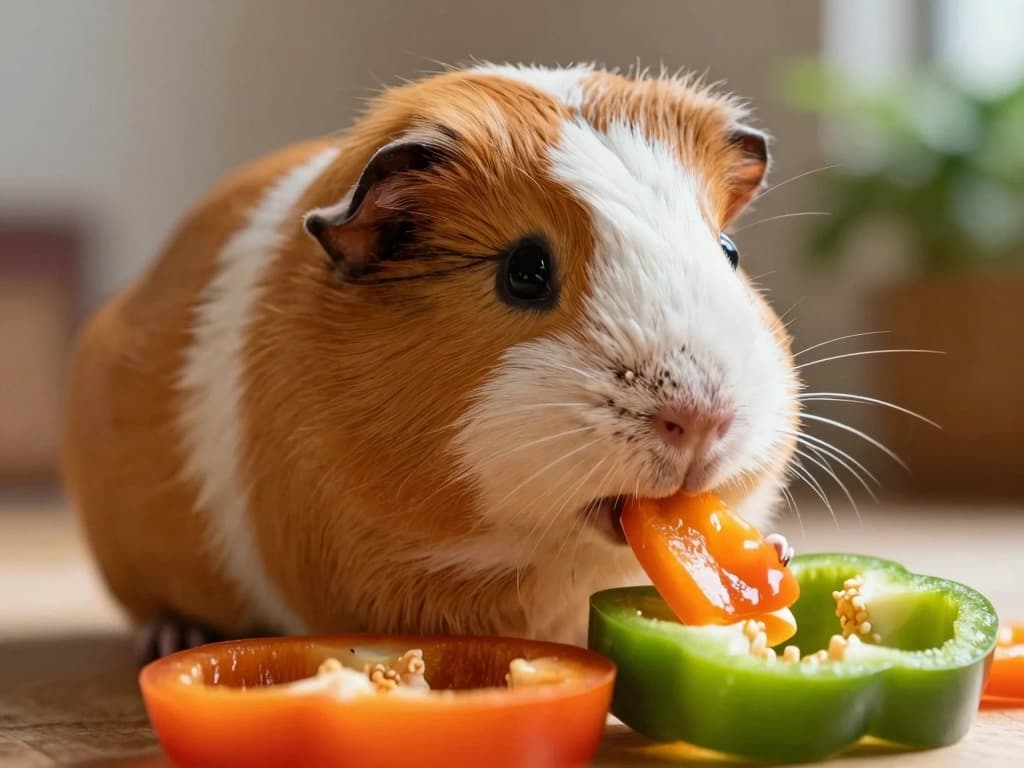
- Bell Peppers: Especially red and yellow varieties, which can contain up to 200 mg of vitamin C per 100 grams.
- Kale: This leafy green is not only high in vitamin C but also provides essential nutrients.
- Broccoli: A great source that can offer about 89 mg of vitamin C per 100 grams.
- Strawberries: These can provide approximately 58 mg of vitamin C per 100 grams.
- Citrus Fruits: Oranges and other citrus fruits are also good, though they should be given in moderation due to sugar content.
Incorporating a variety of these foods into a guinea pig’s diet ensures they receive adequate vitamin C naturally.
Commercial Supplements and Their Effectiveness
In addition to natural sources, commercial vitamin C supplements are available specifically formulated for guinea pigs. These supplements come in various forms, including:
- Powders: Easily mixed into food or water.
- Chews or Tablets: Convenient options that can be fed directly.
- Fortified Pellets: Some pellet brands offer added vitamin C to ensure guinea pigs receive adequate amounts.
However, it is essential to choose high-quality products. Brands like Oxbow and Kaytee are popular among guinea pig owners for their reliable and effective vitamin C supplements. Always check for expiration dates on supplements, as vitamin C can degrade over time.
Balancing Diet to Meet Vitamin C Needs
To ensure that guinea pigs receive enough vitamin C, it is important to balance their diet effectively. A typical daily diet may consist of:
- Hay: Unlimited access to grass hay should be the foundation of their diet.
- Fresh Vegetables: A daily serving of vitamin C-rich vegetables (e.g., bell peppers, kale).
- Fruits: Offered in moderation as treats, ensuring variety and preventing boredom.
- Pellets: High-quality pellets fortified with vitamin C should be provided in moderation.
By maintaining this balance, guinea pig owners can ensure their pets meet their unique vitamin C needs effectively.
Age and Lifestyle Factors Affecting Vitamin C Needs
Vitamin C Requirements for Growing vs. Adult Guinea Pigs
Growing guinea pigs have higher vitamin C needs than adults. Young guinea pigs, especially those under six months, require around 30 mg of vitamin C per kilogram of body weight daily to support their rapid growth and development. In contrast, adult guinea pigs generally need about 10-20 mg per kilogram.
It is crucial for owners to adjust their guinea pig's diet according to their life stage, providing ample vitamin C-rich foods and supplements to support their growth during this critical period.
The Impact of Activity Levels on Vitamin C Needs
Activity levels can also influence the vitamin C requirements of guinea pigs. Active guinea pigs, particularly those that enjoy regular exercise in a spacious environment, may require a higher intake of vitamin C to support their increased metabolic demands. Providing extra servings of vitamin C-rich vegetables and considering additional supplementation can help maintain their health and energy levels.
Adjusting Vitamin C Intake for Pregnant and Nursing Guinea Pigs
Pregnant and nursing guinea pigs have even higher vitamin C requirements, often exceeding 30 mg per kilogram of body weight daily. This increase supports not only the health of the mother but also the growth and development of her offspring. During this time, it is vital to monitor their diet closely, ensuring they have access to ample sources of vitamin C to prevent deficiency in both the mother and her pups.
Best Practices for Ensuring Adequate Vitamin C Intake
Daily Recommended Amounts of Vitamin C for Guinea Pigs
The general recommendations for daily vitamin C intake in guinea pigs can be summarized as follows:
- Young Guinea Pigs: 30 mg/kg of body weight
- Adult Guinea Pigs: 10-20 mg/kg of body weight
- Pregnant/Nursing Guinea Pigs: 30 mg/kg of body weight
It is essential to adjust these recommendations based on the individual needs of each guinea pig, considering factors such as age, health status, and lifestyle.
Monitoring and Adjusting Diet for Optimal Health
Regularly monitoring your guinea pig's health and weight can help identify potential vitamin C deficiencies early. Owners should track changes in appetite, energy levels, and physical condition. Adjustments to the diet can then be made based on these observations. Additionally, regular veterinary check-ups can offer insights into your guinea pig's nutritional status and overall health.
Tips for Choosing the Right Foods and Supplements
When choosing foods and supplements for guinea pigs, consider the following tips:
- Opt for Freshness: Always choose fresh vegetables and high-quality hay for maximum nutrient content.
- Diverse Diet: Aim for a variety of fruits and vegetables to prevent dietary boredom and ensure a broad nutrient intake.
- Quality over Quantity: Select reputable brands for pellets and supplements that guarantee the presence of adequate vitamin C.
- Storage: Store fresh produce properly to maintain its vitamin content, and keep supplements in a cool, dark place.
By following these tips, guinea pig owners can ensure their pets receive the optimal amount of vitamin C, promoting overall health and well-being.