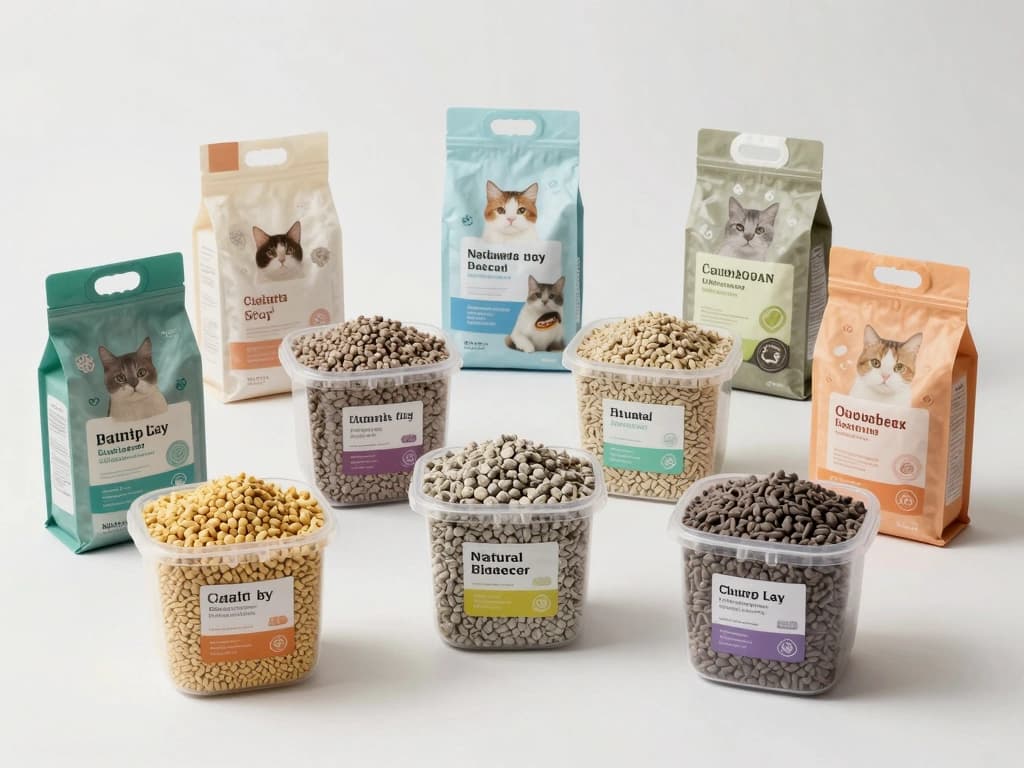
Discover how different cat litter brands vary chemically. Understand the ingredients and their effects on your cat's health and environment.
Understanding the Chemical Composition of Cat Litters
Choosing the right cat litter is more than just a matter of convenience; it involves understanding the chemical composition of various brands and how these differences impact performance, safety, and the environment. This article delves into the chemical aspects of cat litter, exploring how different brands vary in their composition and the implications of these differences.
Types of Materials Used in Cat Litter
Cat litter is primarily composed of two types of materials: clay-based and plant-based. Each type has its unique chemical properties that affect absorbency, odor control, and clumping ability.
- Clay-Based Litters: Most commonly made from sodium bentonite clay, these litters are prized for their excellent absorbency and clumping capabilities. Sodium bentonite is a natural clay that forms clumps when wet, making it easy to remove waste.
- Plant-Based Litters: These include materials like corn, wheat, and pine. They are often marketed as more environmentally friendly and biodegradable. For example, corn-based litters typically use processed corn kernels and starches that absorb moisture while providing some clumping action.
Common Chemical Additives and Their Functions
Many cat litter brands incorporate chemical additives to enhance performance. These additives serve various purposes, such as improving odor control, enhancing clumping, or providing antibacterial properties.
- Odor Neutralizers: Commonly used are activated charcoal and baking soda, which chemically bond with odor-causing compounds to neutralize them.
- Clumping Agents: Some brands include synthetic polymers that enhance clumping efficiency. For instance, polyacrylate is often added to improve moisture absorption and clumping strength.
- Antibacterial Agents: Certain litters may contain triclosan or other antibacterial chemicals to reduce the growth of bacteria.
Impact of Material Composition on Odor Control
The chemical composition of cat litter significantly affects its ability to control odors. Clay-based litters, with their high absorbency, trap moisture and odor effectively. In contrast, plant-based litters often rely on natural enzymes or additives to break down waste and neutralize odors. For example, a study showed that sodium bentonite can absorb up to 30 times its weight in moisture, making it superior for odor control compared to some plant-based alternatives.
Comparing Clay-Based vs. Plant-Based Cat Litters
When comparing clay-based and plant-based litters, it’s essential to analyze their chemical properties and overall performance in various areas such as absorbency, moisture control, and environmental impact.
Differences in Absorbency and Moisture Control
Clay-based litters, particularly those made from sodium bentonite, typically offer superior absorbency. They can quickly absorb liquids and form solid clumps, which makes cleanup easier. In contrast, plant-based litters like those made from corn or wheat have varying levels of absorbency. For instance, while corn-based litters can absorb moisture effectively, they may not clump as tightly as sodium bentonite, leading to a messier cleanup.
Chemical Properties of Sodium Bentonite vs. Corn-Based Litters
Sodium bentonite is a clay that swells when wet, creating a gel-like substance that traps waste. Its chemical structure allows it to absorb moisture and odors effectively. In contrast, corn-based litters utilize starches and fibers, which can absorb moisture but may not create a strong clump. A specific product, such as Tidy Cats' clay litter, contains sodium bentonite that is engineered for optimal performance, whereas a corn-based litter like World's Best Cat Litter emphasizes its biodegradable and renewable properties.
Environmental Impact of Chemical Residues
The environmental implications of cat litter vary based on its chemical composition. Clay-based litters often involve mining, which can lead to habitat destruction and pollution. Conversely, plant-based litters are generally more sustainable, but the processing of these materials can also have an environmental footprint. For example, while corn-based litters may be biodegradable, the agricultural practices involved in corn production can contribute to chemical runoff and soil degradation.
The Role of Scented vs. Unscented Cat Litters
Many cat owners face the choice between scented and unscented litters. This choice significantly influences the chemical composition and potential health impacts of the product.
Chemical Composition of Fragrances in Cat Litters
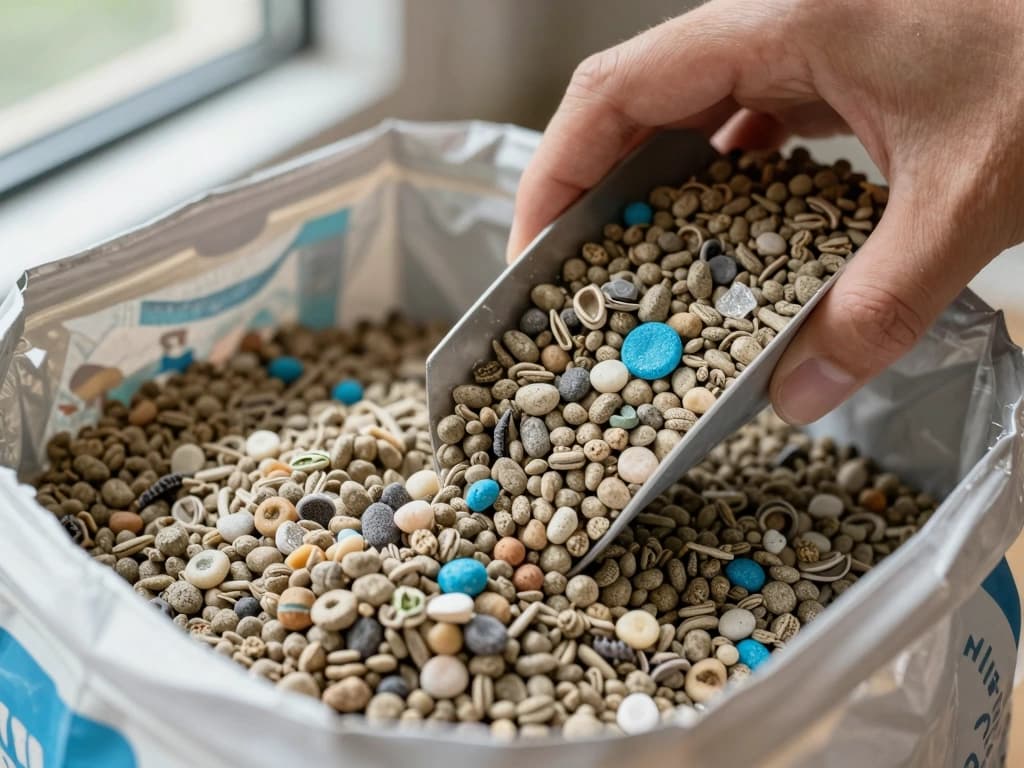
Scented cat litters often incorporate synthetic fragrances or essential oils to mask odors. These fragrances can be derived from a variety of chemical compounds, including phthalates and other volatile organic compounds (VOCs). For instance, a popular scented litter may contain a proprietary blend of fragrances designed to be appealing to owners while neutralizing odors.
Potential Allergens and Irritants in Scented Products
While fragrances can help control odors, they can also pose health risks. Many individuals and pets are sensitive to certain chemicals commonly found in scented products. For example, fragrances can trigger allergic reactions, asthma, or other respiratory issues. A study published in the Journal of Allergy and Clinical Immunology noted that scented products can emit VOCs that may exacerbate health problems in sensitive individuals.
Consumer Preferences and Chemical Sensitivities
Consumer demand for unscented litters has increased as awareness about chemical sensitivities grows. Many pet owners are opting for products that do not contain synthetic fragrances, instead favoring natural materials that are less likely to cause allergic reactions. Brands like PetSafe and Arm & Hammer offer both scented and unscented options, catering to diverse consumer preferences.
Understanding Clumping Mechanisms in Cat Litter
Clumping is a critical feature of many cat litters, and understanding the chemical reactions involved can help consumers make informed choices.
Chemical Reactions Behind Clumping Agents
Clumping agents in cat litter generally rely on several chemical reactions to function effectively. Sodium bentonite, for example, swells and forms a gel-like mass when it comes into contact with moisture. In contrast, plant-based litters often use natural starches or gums that chemically bond with moisture to create clumps. Products like Scoop Away and Dr. Elsey’s Precious Cat utilize advanced clumping technologies that enhance these reactions.
Comparative Analysis of Clumping Efficiency
The efficiency of clumping agents varies widely among products. Sodium bentonite-based litters typically outshine others in clumping ability, often forming tight clumps that are easy to scoop. A comparative study showed that while certain corn-based litters could form clumps, they often disintegrated upon scooping, leading to waste remaining in the litter box.
Long-Term Effects of Clumping Chemicals on Health
Concerns about the long-term health impacts of clumping chemicals are rising. While most clumping agents are considered safe, some synthetic additives may pose risks. For example, long-term exposure to certain dust particles from clumping litters can lead to respiratory issues in both pets and humans. Pet owners should consider low-dust formulas or those with natural clumping agents to minimize these risks.
Future Trends in Cat Litter Chemistry
As consumer awareness and environmental concerns grow, the cat litter industry is evolving to include innovative chemical compositions and sustainable practices.
Innovations in Biodegradable Ingredients
Recent advancements in biodegradable materials have led to the development of new cat litters that are both effective and eco-friendly. Brands like Ökocat are utilizing reclaimed wood fibers that not only absorb moisture but also break down naturally. These innovations are paving the way for a more sustainable litter choice that minimizes environmental impact.
Impact of Regulations on Chemical Use in Cat Litters
As governments worldwide tighten regulations on chemical use, cat litter manufacturers are being pushed to reformulate their products. The European Union and various state regulations in the U.S. are encouraging the use of less harmful chemicals and promoting transparency in ingredient labeling. This shift aims to protect both consumer health and the environment.
Consumer Demand for Non-Toxic and Eco-Friendly Options
There is a growing consumer preference for non-toxic, eco-friendly cat litters. Pet owners are increasingly seeking products that do not contain harmful chemicals or synthetic additives. Brands that focus on natural ingredients and sustainability, such as Feline Pine or sWheat Scoop, are gaining popularity as they cater to the demand for healthier options.
In conclusion, the chemical composition of cat litters varies significantly among brands and types, impacting their performance, safety, and environmental footprint. As consumers become more educated about these differences, they are likely to drive the market toward more sustainable and healthier options in the future.