Discover unique approaches for reactive dog training that enhance communication and build trust. Transform your dog's behavior with effective strategies today!
The Nature of Reactivity in Dogs
Understanding Triggers and Responses
Reactivity in dogs is often misunderstood. At its core, reactivity is a heightened state of response to certain stimuli, which can manifest as barking, lunging, or growling. This behavior is typically a dog's way of expressing discomfort, fear, or even frustration in specific situations. Understanding these triggers is crucial for effective training. Common triggers include:
- Other dogs
- People (especially those who approach too quickly)
- Vehicles or bicycles
- Strange noises or sudden movements
A reactive dog may respond to these triggers in a way that seems disproportionate to the actual threat, indicating that their response is rooted in instinct and emotional state rather than rational thought.
Common Signs of Reactivity
Recognizing the signs of reactivity can help owners intervene before the behavior escalates. Common signs include:
- Excessive barking or growling
- Lunging toward the trigger
- Body language indicating tension (e.g., raised hackles, stiff tail)
- Avoidance behaviors, such as hiding or backing away
It's essential to note that these behaviors can be subtle. For instance, a dog may simply freeze or exhibit a low growl, which can be overlooked if the owner is not observant.
The Role of Stress in Reactivity
Stress plays a significant role in a dog's reactivity. A dog experiencing chronic stress may react more intensely to triggers due to a lowered threshold for handling stimuli. Factors contributing to stress include:
- Previous negative experiences with similar triggers
- Changes in environment or routine
- Lack of socialization during critical developmental periods
Understanding the connection between stress and reactivity can help owners create more effective training plans that prioritize reducing stressors in the dog's environment.
Why One-Size-Fits-All Methods Fail
Limitations of Traditional Training Techniques
Traditional training techniques often rely heavily on correction-based methods, which can exacerbate reactivity rather than mitigate it. For instance, using choke collars or prong collars may suppress the behavior temporarily but can increase anxiety, leading to more pronounced reactive responses in the long run. These methods fail to address the underlying causes of reactivity.
The Importance of Individualized Plans
Every dog is unique, and their reactivity can stem from various personal experiences and traits. An individualized training plan considers factors such as:
- The dog's breed and temperament
- Specific triggers for each dog
- Previous training history and experiences
- The owner's lifestyle and ability to implement training
By tailoring training methods to fit the individual dog, trainers can create more effective and compassionate approaches to managing reactivity.
Case Studies: Homogeneous vs. Tailored Approaches
Consider two dogs: Dog A has a history of aggression toward other dogs, while Dog B reacts fearfully to strangers. A homogeneous approach, such as group obedience classes that utilize correction-based training, may yield temporary compliance but often results in increased anxiety or aggression in both dogs. In contrast, a tailored approach for Dog A might involve gradual exposure to other dogs at a distance, using positive reinforcement to reward calm behavior. Dog B may benefit from desensitization techniques, slowly introducing positive experiences with strangers.
These tailored approaches lead to more sustainable success, demonstrating that understanding the individual needs of reactive dogs is paramount in training.
Building a Foundation: Managing Environment
Creating Safe Spaces for Training
Establishing safe spaces is essential for effective reactive dog training. This can be achieved by:
- Designating a quiet area of the home where the dog can relax and feel secure.
- Utilizing barriers like baby gates to limit exposure to triggering stimuli.
- Using calming products such as anxiety wraps or pheromone diffusers to create a more relaxed environment.
These safe spaces allow the dog to decompress and learn that not all stimuli require a reactive response.
Utilizing Controlled Socialization Opportunities
Controlled socialization is critical for reactive dogs. This involves introducing them to triggers in a carefully managed way. For example:
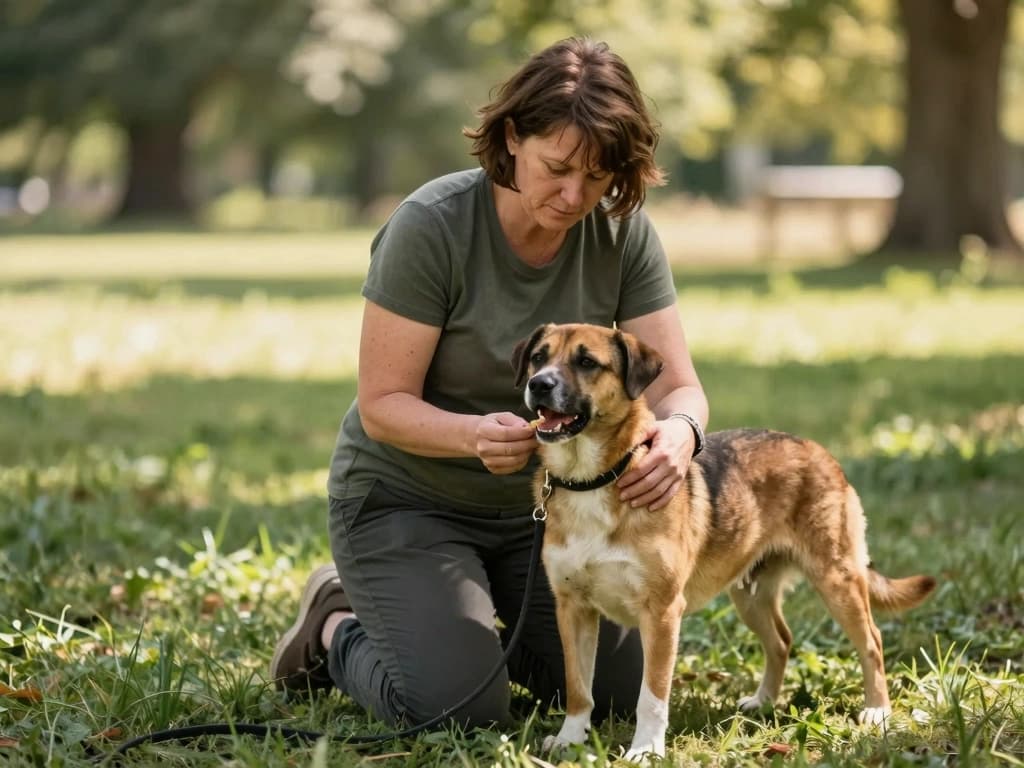
- Arranging meet-and-greet sessions with calm, well-socialized dogs in a controlled environment, such as a backyard.
- Gradually exposing the dog to people at a distance, rewarding calm behavior with treats.
- Attending training classes designed specifically for reactive dogs, where controlled interactions are facilitated.
These opportunities help the dog learn to associate triggers with positive experiences rather than fear or aggression.
Environmental Management Strategies
Effective environmental management can significantly reduce instances of reactivity. Strategies include:
- Changing walking routes to avoid known triggers.
- Using a head halter or no-pull harness to maintain control during walks.
- Avoiding crowded areas during critical training periods.
By managing their environment, owners can help their dogs feel more secure and reduce the likelihood of reactive incidents.
Positive Reinforcement Techniques for Reactivity
Effective Use of Rewards and Treats
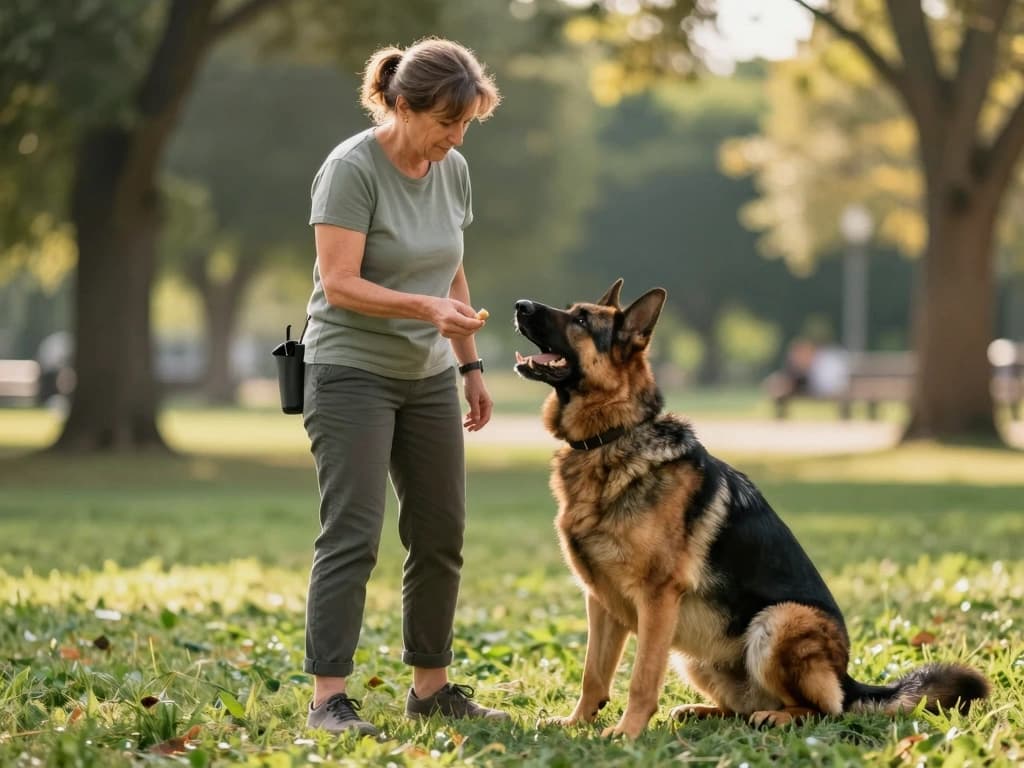
Positive reinforcement is a cornerstone of effective reactive dog training. Utilizing high-value treats can motivate dogs to engage in desired behaviors. Examples of effective treats include:
- Soft training treats that are easy to chew, like Zuke’s Mini Naturals.
- High-value items such as small pieces of cooked chicken or cheese.
- Interactive toys that dispense treats, encouraging engagement and focus.
By rewarding calm behavior in the presence of triggers, owners can help reshape their dog’s responses over time.
Clicker Training for Reactivity
Clicker training is an effective method for reinforcing positive behavior in reactive dogs. The sound of the clicker serves as a marker that indicates to the dog they have performed a desired behavior. This technique can be utilized in the following ways:
- Clicking and rewarding when the dog remains calm in the presence of a trigger.
- Using the clicker to mark behaviors such as looking away from a trigger or sitting instead of barking.
- Incorporating shaping to gradually build up to desired behaviors in more challenging scenarios.
Clicker training adds clarity to the training process, making it easier for the dog to understand what behaviors are expected.
Gradual Desensitization and Counter-Conditioning
Gradual desensitization and counter-conditioning are vital techniques in helping reactive dogs adjust to their triggers. This involves:
- Identifying the threshold distance at which the dog can see a trigger without reacting.
- Gradually decreasing this distance while rewarding the dog for remaining calm.
- Pairing the presence of the trigger with high-value rewards to create a positive association.
For example, if a dog is reactive to other dogs, the owner might start by observing another dog from a distance where the reactive dog feels safe, rewarding calm behavior before gradually moving closer as the dog becomes more comfortable.
Collaborating with Professionals in Reactive Dog Training
Finding the Right Trainer or Behaviorist
When dealing with reactive dogs, it's crucial to work with a qualified trainer or behaviorist who specializes in positive reinforcement techniques. Look for professionals who:
- Have certifications from recognized organizations, such as the Association of Professional Dog Trainers (APDT).
- Utilize methods that focus on reward-based training rather than aversive techniques.
- Have experience specifically with reactive behavior in dogs.
Researching trainers through recommendations, reviews, and consultations can help owners find the right match for their dog’s needs.
Importance of Ongoing Support and Guidance
The journey of training a reactive dog is often long and challenging. Continual support from a trainer or behaviorist can provide invaluable guidance and motivation. Regular check-ins and updates on progress can help adjust training plans as needed. Support groups or online forums can also offer community assistance, sharing experiences and tips from others facing similar challenges.
When to Seek Veterinary Advice
In some cases, underlying medical issues may contribute to a dog's reactivity. If a dog suddenly becomes reactive after previously being well-behaved, or if there are signs of pain or distress, it is essential to consult a veterinarian. Conditions such as:
- Thyroid disorders
- Chronic pain
- Neurological issues
can all influence behavior. A veterinarian can help rule out medical issues and, if necessary, recommend a behaviorist or trainer for a comprehensive training approach.