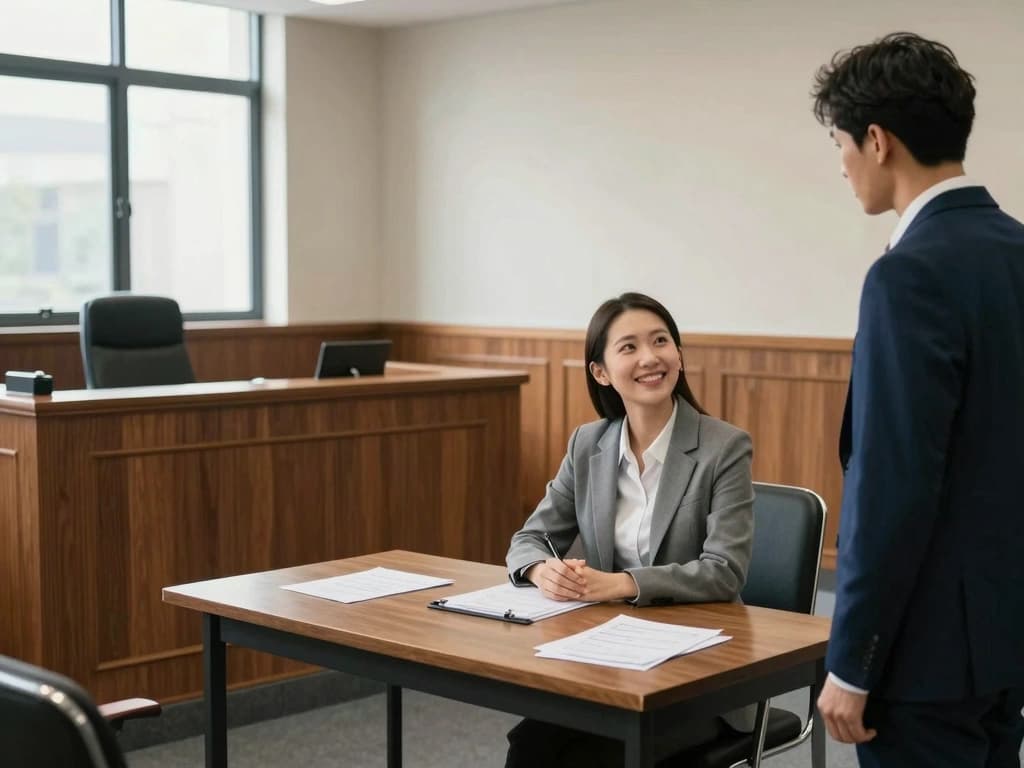
Learn how to navigate small claims court for unpaid invoices. Discover tips, procedures, and what to expect for a successful resolution in your business disputes.
Introduction to Small Claims Court for Unpaid Invoices
Definition of Small Claims Court
Small claims court is a specialized court designed to resolve minor civil disputes quickly and affordably. These courts typically handle cases involving small amounts of money, allowing individuals and businesses to settle disputes without the need for expensive legal representation. The process is streamlined, making it accessible for claimants who may not have extensive legal knowledge.
Purpose and Benefits for Businesses
For businesses, small claims court serves several important purposes. Firstly, it provides an efficient means to recover unpaid invoices without the lengthy and costly process of traditional litigation. Small claims courts are designed to be user-friendly, allowing businesses to pursue claims with minimal legal jargon or procedural complexity.
Secondly, using small claims court helps maintain cash flow, which is crucial for business operations. Delayed payments can hinder a business's ability to pay its own bills, purchase inventory, or invest in growth. By enabling businesses to recover unpaid invoices swiftly, small claims courts play a vital role in financial stability.
Common Types of Disputes Handled
Small claims courts handle a variety of disputes, particularly those involving unpaid invoices. Common types of cases include:
- Contract disputes: These often arise when goods or services have been provided but not paid for.
- Service disputes: Businesses may encounter issues when clients fail to pay for services rendered, such as consulting or repair work.
- Consumer disputes: Small claims courts may also handle issues between consumers and businesses, such as failure to deliver ordered products.
Eligibility Criteria for Filing a Claim
Invoice Amount Limits in Small Claims Court
Each state has its own limit on the amount that can be claimed in small claims court. Generally, this limit ranges from $2,500 to $25,000. For example, in California, the limit for most cases is $10,000 for individuals and $5,000 for businesses. Understanding these limits is crucial for businesses considering filing a claim, as any amount exceeding the limit must be taken to a higher court.
Requirements for Claimants
To file a claim in small claims court, claimants typically need to meet the following requirements:
- Age: Claimants must be at least 18 years old. If under 18, a parent or guardian must file on their behalf.
- Business Entity: If the claimant is a business, they must be properly registered and in good standing. This includes having the appropriate business licenses and permits.
- Jurisdiction: The claim must be filed in the court that has jurisdiction over the matter, usually where the defendant resides or conducts business.
Defendant Eligibility and Considerations
The defendant in a small claims case can be an individual or a business entity. It’s essential for the claimant to accurately identify the defendant's legal name and address to ensure proper notification of the lawsuit. Additionally, if the defendant is a business, the claimant must ensure that the business is legally registered and operational. If the business has dissolved or is no longer in operation, it may complicate the collection of any judgment awarded.
The Process of Filing a Small Claims Case
Steps to Prepare and File Your Claim
Filing a small claims case involves several key steps:
- Determine eligibility: Ensure your claim falls within the limits and that you have a valid reason for the claim.
- Gather documentation: Compile all necessary documents related to the unpaid invoice, which will be discussed further.
- Complete the claim form: Visit your local small claims court to obtain and fill out the claim form. Ensure all details are accurate.
- File the claim: Submit your completed form to the court along with the required filing fee.
- Serve the defendant: After filing, you must serve the defendant with a copy of the claim, informing them of the lawsuit.
Documentation Required for Unpaid Invoices
Proper documentation is crucial for a successful claim. Common documents needed include:
- Original invoice: A clear copy of the invoice detailing the services or goods provided, dates, and amounts owed.
- Contracts or agreements: Any signed contracts that outline the terms of service or sale can help establish the validity of the claim.
- Proof of delivery or service: Documentation showing that the product was delivered or the service was rendered, such as tracking numbers or client confirmations.
- Correspondence records: Emails, letters, or messages that demonstrate attempts to collect payment from the defendant.
Filing Fees and Associated Costs
Filing fees for small claims court vary by state and can range from $30 to $300. For example, in New York, the filing fee for claims up to $1,000 is $15, while claims from $1,000 to $5,000 incur a fee of $20. It’s essential to factor in these costs when deciding whether to pursue a claim. Additionally, there may be fees for serving the defendant, which can be handled by a local sheriff or process server.
Presenting Your Case in Small Claims Court
How to Prepare Your Evidence
Preparation is key to presenting a successful case in small claims court. Here are steps to effectively prepare your evidence:
- Organize documentation: Create a clear folder with all relevant documents, arranged chronologically.
- Highlight key points: Use markers or sticky notes to identify critical pieces of evidence that support your argument.
- Practice your presentation: Rehearse what you will say in court, focusing on clarity and conciseness.
Strategies for Effective Presentation
When presenting your case, consider the following strategies:
- Be concise: Stick to the facts and avoid unnecessary details. Aim to present your case within the allotted time, usually between 5 to 10 minutes.
- Stay professional: Maintain a respectful demeanor towards the judge and the defendant, regardless of personal feelings.
- Use visual aids: If applicable, use charts or visual representations to clarify your points and make a stronger impact.
Understanding the Role of the Judge
The judge in small claims court acts as a neutral party who listens to both sides of the dispute before making a ruling. It’s crucial to understand that the judge’s decision is based on the evidence presented and the applicable law. Therefore, being well-prepared and presenting a compelling case is vital. Judges typically expect you to cite relevant laws or precedents that support your claim, so having a basic understanding of the legal framework surrounding unpaid invoices will be beneficial.
Post-Judgment Actions and Collecting Payments
What Happens After a Judgment is Made
If the court rules in favor of the claimant, a judgment will be issued, specifying the amount the defendant must pay. However, winning a judgment does not guarantee immediate payment. Many claimants find themselves needing to take additional steps to enforce the judgment if the defendant does not comply.
Enforcing the Judgment for Unpaid Invoices
Enforcing a judgment can involve various methods, including:
- Wage garnishment: This allows the claimant to collect a portion of the defendant’s wages until the debt is paid, subject to state regulations.
- Bank levies: Claimants can seek a court order to seize funds directly from the defendant's bank account.
- Property liens: A judgment can be recorded as a lien against the defendant’s property, which can affect their ability to sell or refinance.
Alternative Options if Payment is Not Received
If payment is still not received after a judgment, claimants may consider alternative options such as:
- Negotiation: Attempting to negotiate a payment plan with the defendant may yield better results than pursuing further legal action.
- Collection agencies: Hiring a collection agency can be an effective way to recover debts, albeit at a cost.
- Legal counsel: In some cases, seeking advice from a lawyer may provide additional strategies for collecting outstanding debts.