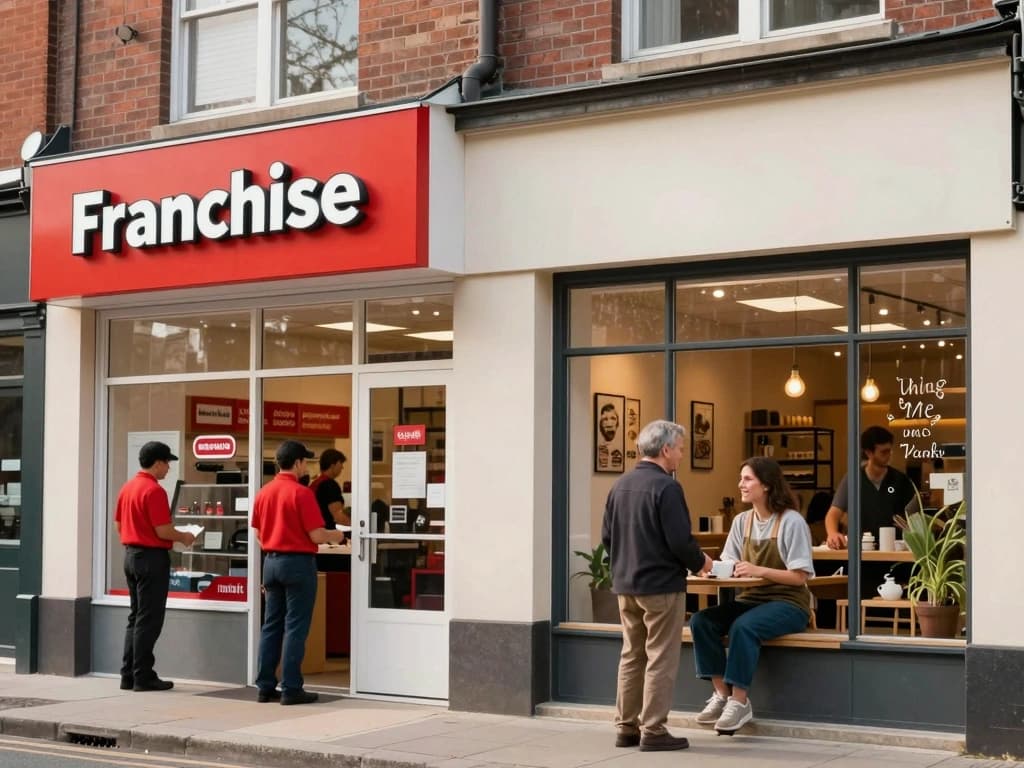
Discover the key differences between franchise and independent business models. Learn which option suits your entrepreneurial goals in our comprehensive guide.
Understanding Franchise Models
Definition and Structure of a Franchise
A franchise is a business model where an individual or group (the franchisee) is granted the rights to operate a business under the brand and business system of a larger parent company (the franchisor). This model allows the franchisee to sell products or services using the franchisor's established business processes and trademarked branding. The franchise agreement typically outlines the terms of operation, including the use of trademarks, business methods, and operational guidelines.
Franchises can be found in various industries, including food and beverage, retail, and services. For example, popular franchises such as McDonald's and Subway have well-defined operational structures that franchisees must adhere to, ensuring consistency across locations. The franchise model can empower entrepreneurs by providing a proven system that has already been tested in the market.
Franchise Fees and Royalties
Franchising involves a financial commitment from the franchisee, which includes an initial franchise fee and ongoing royalties. The initial franchise fee can vary significantly based on the brand's reputation and market presence. For instance, franchisees looking to open a McDonald's location may need to pay an initial fee ranging from $45,000 to $50,000, whereas a lesser-known brand might charge a fee as low as $10,000.
In addition to the initial fee, franchisees typically pay ongoing royalties, which are a percentage of their gross sales. This percentage can range from 4% to 8% or more, depending on the franchisor. For example, if a franchisee earns $500,000 in a year and is subject to a 6% royalty fee, they would owe $30,000 to the franchisor. These fees are used to support marketing, training, and other operational costs associated with maintaining the franchise system.
Support and Training Provided by Franchisors
One of the significant advantages of franchising is the support and training provided by franchisors. New franchisees often receive comprehensive training that covers various aspects of running the business, including marketing, operations, and customer service. This training can last from a week to several weeks, depending on the complexity of the business.
Franchisors may also offer ongoing support, such as marketing assistance, supply chain resources, and best practices for managing the business effectively. For instance, Dunkin' Donuts provides franchisees with marketing materials and strategies to promote their stores, as well as operational guidance to ensure consistency in service and product quality across all locations.
Independent Business Ownership Explained
Defining Independent Businesses
Independent businesses, often referred to as mom-and-pop shops or sole proprietorships, are privately owned and operated without the affiliation of a larger corporate structure. These businesses can range from small retail operations to service-oriented ventures, such as landscaping or consulting firms. Unlike franchises, independent businesses have the freedom to establish their unique brand identity and operational methods.
For example, a local coffee shop owner can create their blend of coffee, design their interior decor, and set their pricing strategies without needing approval from a corporate entity. This independence allows for creativity and personalization in business practices, catering directly to the preferences and needs of the local market.
Initial Investment and Operating Costs
The initial investment for starting an independent business can vary widely, depending on the industry and location. While some businesses can be launched with minimal capital, others may require a significant investment in inventory, equipment, and space. For instance, opening a food truck can cost anywhere from $50,000 to $200,000, including the purchase of the vehicle, kitchen equipment, and initial inventory.
Operating costs for independent businesses also vary but may include rent, utilities, supplies, and employee wages. Because independent business owners have complete control over their expenses, they can make strategic choices to optimize their budget. For example, a local boutique owner might choose to operate from a smaller space to minimize rent costs, allowing for a more agile and responsive business model.
Autonomy and Decision-Making Flexibility
One of the most significant advantages of owning an independent business is the autonomy it offers. Business owners have the freedom to make decisions regarding their operations, marketing strategies, and even product offerings. This flexibility allows them to adapt quickly to market changes and consumer preferences. For instance, if a local bakery notices a growing demand for gluten-free products, the owner can quickly decide to introduce gluten-free options without needing to obtain approval from a franchisor.
This level of control can lead to innovative approaches and unique offerings that set independent businesses apart from their competitors. However, it also comes with the responsibility of making informed decisions that can significantly impact the business's success.
Market Reach and Brand Recognition
Franchises and Established Brand Power
Franchises benefit from established brand recognition and a loyal customer base. Consumers often feel more comfortable purchasing from a known brand, which can lead to higher initial sales for franchisees. For example, a franchise like 7-Eleven has built significant brand equity, allowing new franchise locations to attract customers based on the brand's reputation alone.
Additionally, franchisors typically invest heavily in national and local marketing campaigns, which can drive traffic to individual franchise locations. This collective marketing effort can help franchisees achieve profitability more quickly than independent businesses that must build their brand from scratch.
Independent Businesses and Niche Markets
While independent businesses may lack the widespread recognition of franchises, they often excel in niche markets. By focusing on specific customer needs or preferences, independent businesses can create unique offerings that attract loyal customers. For instance, a local artisanal ice cream shop may differentiate itself by offering homemade flavors using locally sourced ingredients, appealing to a specific demographic interested in sustainable and artisanal products.
Independent businesses can also develop strong relationships with their customers, fostering a sense of community and loyalty that can be challenging for franchises to replicate. These personal connections can result in repeat business and positive word-of-mouth referrals, contributing to long-term success.

Strategies for Building Customer Loyalty
Both franchises and independent businesses must prioritize customer loyalty to thrive in competitive markets. Franchisees can leverage the brand's established loyalty programs, promotional offers, and customer engagement initiatives implemented by the franchisor. For instance, many fast-food franchises utilize mobile apps that provide rewards and incentives for frequent customers, encouraging repeat visits.
On the other hand, independent businesses often rely on personalized service and community engagement to build loyalty. Strategies may include hosting local events, participating in community service, and offering loyalty programs tailored to customer preferences. For example, a small bookstore might host author readings or book clubs, fostering a community of readers and encouraging customers to return.
Risks and Challenges in Both Models
Franchise Compliance and Restrictions
Franchises come with specific compliance and operational restrictions that franchisees must adhere to. These restrictions can include how products are marketed, operated, and even presented to customers. Failure to comply with these guidelines can lead to penalties, including termination of the franchise agreement.
For example, a franchisee operating a Subway must follow strict protocols regarding food preparation, ingredient sourcing, and store layout. While these rules can ensure consistency, they can also limit the franchisee's creativity and adaptability in responding to local market changes. Franchisees may find themselves constrained by the franchisor’s policies, making it challenging to innovate or differentiate their business in a competitive landscape.
Independent Business Financial Vulnerabilities
Independent businesses face unique financial vulnerabilities, including the challenge of securing funding and managing cash flow. Unlike established franchises, independent business owners may have difficulty accessing capital, especially in the early stages when they lack a proven track record. This can make it challenging to cover initial expenses and sustain operations during slow periods.
Moreover, independent businesses may lack the financial backing and support systems that franchises offer. For instance, if a local restaurant faces a downturn in customer traffic, the owner may struggle to cover overhead costs without the marketing support and brand recognition that a franchise would provide. This financial instability can be a significant risk for independent business owners.
Market Competition and Adaptability
Both franchises and independent businesses must navigate competitive markets and adapt to changing consumer preferences. Franchises often face competition from other franchise locations, as well as independent businesses offering similar products or services. While established branding can provide an edge, it does not guarantee success. Franchises must continuously innovate and adapt to retain market share.
Independent businesses, on the other hand, must be agile and responsive to market trends. The ability to pivot quickly and implement changes based on customer feedback can be a significant advantage. For instance, if an independent coffee shop notices a rise in demand for plant-based milk alternatives, the owner can swiftly add these options to the menu without seeking permission from a corporate office. This flexibility can help independent businesses thrive in dynamic environments.
Long-Term Growth Potential and Exit Strategies
Growth Opportunities in Franchising
Franchising offers various growth opportunities for entrepreneurs looking to expand their businesses. Many franchisors have established systems that enable franchisees to open multiple locations, thereby increasing revenue potential. For instance, a successful franchisee of a fitness brand may start with one location and, after achieving profitability, decide to open additional gyms under the same franchise umbrella.
Franchise systems often provide training and resources to help franchisees scale their operations successfully. Moreover, the brand's recognition can facilitate the acquisition of financing for expansion, as lenders often view franchise businesses as lower risk due to their established business models. This can lead to significant growth potential for franchisees willing to invest in multiple locations.
Scaling an Independent Business
Scaling an independent business can be more challenging but is not impossible. Business owners must carefully assess their market, product offerings, and operational capacity before pursuing growth. They may choose to expand by opening additional locations, diversifying their product lines, or entering new markets.
For example, a successful independent bakery may decide to open a second location in a nearby town or expand its product offerings to include catering services for events. However, scaling requires a solid business plan, access to capital, and the ability to replicate operational success in new settings. Unlike franchises, independent business owners do not have a ready-made system to follow, which can make growth more complex.
Exit Strategies for Franchisees vs. Independent Owners
Exit strategies differ significantly between franchisees and independent business owners. Franchisees may have a more straightforward exit process, as many franchisors offer assistance in selling the franchise. This can include guidance on finding qualified buyers and ensuring that the sale complies with the franchise agreement. For example, if a franchisee of a pizza shop decides to sell their business, the franchisor may help facilitate the sale to ensure a smooth transition and protect brand integrity.
In contrast, independent business owners must navigate the sale process independently. This can involve valuation of the business, marketing it for sale, and negotiating with potential buyers. The lack of an established support system can complicate the exit process. An independent restaurant owner looking to sell must find buyers who recognize the value of their unique brand, operational framework, and customer base. This process can be more time-consuming and challenging, especially if the owner has not established a strong market presence.
In conclusion, both franchises and independent businesses have distinct advantages and challenges. The choice between the two models depends on individual preferences, risk tolerance, and long-term goals. Franchisees benefit from brand recognition and support, while independent business owners enjoy autonomy and the ability to carve out niche markets. Understanding the key differences between these models can help aspiring entrepreneurs make informed decisions about their business ventures.