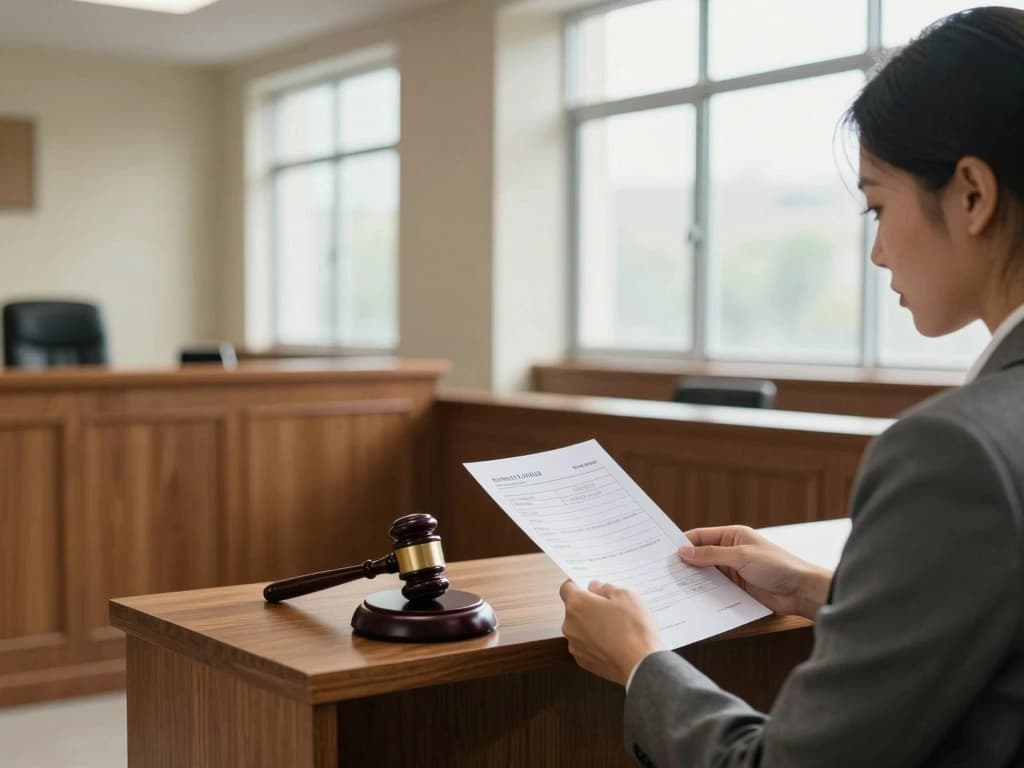
Learn how to navigate small claims court for unpaid invoices. Our guide offers essential tips and insights to help you resolve disputes effectively.
Understanding the Basics of Small Claims Court
Definition and Purpose of Small Claims Court
Small claims court is a specialized legal venue designed to resolve disputes involving relatively small amounts of money. It simplifies the legal process, allowing individuals or businesses to pursue claims without the need for a lawyer. The primary purpose of small claims court is to provide an accessible, efficient, and cost-effective way to settle disputes, such as unpaid invoices, in a less formal setting than traditional courts.
Eligibility Criteria for Filing a Claim
To file a claim in small claims court for unpaid invoices, certain eligibility criteria must be met:
- Claim Amount: Most jurisdictions set a cap on the maximum amount you can claim, typically ranging from $2,500 to $10,000.
- Type of Claim: The claim must relate to monetary disputes, such as unpaid invoices, property damage, or consumer transactions.
- Jurisdiction: You must file in the correct jurisdiction, usually where the defendant lives or where the transaction took place.
- Time Limit: Claims must be filed within a certain period, known as the statute of limitations, which varies by state. For unpaid invoices, this period can range from three to six years.
Limitations on Claim Amounts
Each jurisdiction imposes limits on the amount you can claim in small claims court. For example:
- In California, the limit is $10,000 for individuals and $5,000 for businesses.
- In New York, the limit is $5,000 for individuals and small businesses.
- In Texas, individuals can claim up to $20,000, but businesses are limited to $10,000.
It's crucial to check your local laws to determine the specific limits applicable in your area, as exceeding this limit could lead to dismissal of your claim.
Preparing Your Case for Small Claims Court
Gathering Evidence and Documentation
The success of your case largely depends on the evidence you present. For unpaid invoices, consider gathering the following documentation:
- Invoices: Provide copies of all unpaid invoices, clearly indicating the amount owed and the due date.
- Contracts: Include any contracts or agreements that outline the terms of your service or product delivery.
- Correspondence: Document any communication with the client regarding the unpaid invoice, including emails, letters, or notes from phone calls.
- Payment Records: Show any payments made or partial payments received related to the invoice in question.
Drafting Your Claim and Complaint
Once you have gathered your evidence, the next step is to draft your claim. This document typically includes:
- Parties Involved: Names and addresses of both the plaintiff (you) and the defendant (the person or business who owes you).
- Statement of Claim: A clear and concise explanation of the dispute, including the amount owed and the reason for the claim.
- Relief Sought: Specify what you are asking for, usually the total amount of the unpaid invoice plus any relevant costs, such as interest or fees.
Be sure to follow any specific formatting requirements set by your local court, as this can vary by jurisdiction.
Understanding Court Fees and Costs
Filing a claim in small claims court typically involves certain fees, which can vary by location. Common costs include:
- Filing Fee: This fee is charged when you submit your claim and can range from $30 to $300, depending on the claim amount.
- Service Fees: If you need to serve the defendant with the claim, there may be additional costs associated with this process.
- Miscellaneous Costs: Consider potential costs for obtaining copies of documents or hiring a process server if necessary.
It's essential to budget for these fees, as they can add up quickly. You may be able to recover these costs if you win your case.
Navigating the Small Claims Court Process
Filing Your Claim: Step-by-Step Guide
The process of filing a claim generally follows these steps:
- Complete the Claim Form: Obtain the appropriate claim form from your local small claims court, fill it out, and ensure all information is accurate.
- Pay the Filing Fee: Submit the claim form along with the filing fee to the court clerk.
- Receive a Court Date: The court will provide you with a date for your hearing, typically within a few weeks.
Serving the Defendant: Requirements and Methods
After filing your claim, you must serve the defendant with a copy of the claim and a summons to appear in court. Methods of service can include:
- Personal Service: Hand delivering the documents to the defendant.
- Mail Service: Sending the documents via certified mail with a return receipt requested.
- Substituted Service: Leaving the documents with another adult at the defendant’s residence or place of business and mailing a copy to the defendant.
Be sure to follow your jurisdiction's specific rules regarding service to ensure it is valid, as improper service can delay your case.
What to Expect on Court Day
On the day of your court hearing, prepare for the following:
- Arrive Early: Give yourself plenty of time to find the courthouse, locate the correct courtroom, and review your evidence.
- Presenting Your Case: You will have the opportunity to present your evidence, explain your side of the story, and answer questions from the judge.
- Waiting for the Judge's Decision: After both parties have presented their cases, the judge may issue a decision immediately or take the case under advisement and provide a ruling later.
Dress professionally and remain respectful throughout the proceedings, as this can impact the judge's perception of your case.
Pursuing a Judgment for Unpaid Invoices
Understanding the Judgment Process
If the court rules in your favor, you will receive a judgment against the defendant. This judgment serves as a legal determination that the defendant owes you the specified amount. Typically, the court will issue a written judgment that includes:
- The amount awarded.
- Any additional costs, such as court fees or interest.
- The timeframe for payment.
Collecting on Your Judgment
Winning a judgment does not guarantee payment. Here are steps to take to collect on your judgment:
- Demand Payment: Send a demand letter to the defendant, outlining the judgment and requesting payment.
- Wage Garnishment: If the defendant refuses to pay, you may seek a court order to garnish their wages, deducting a portion of their paycheck directly.
- Bank Levy: In some cases, you can request a levy on the defendant's bank account, allowing funds to be taken directly from their account.
Be aware that collection methods may vary by state, and some defendants may have protections against certain types of collections.
Options if the Judgment is Unpaid
If the defendant fails to pay the judgment, consider the following options:
- Renew the Judgment: Some jurisdictions allow you to renew a judgment if it has not been satisfied within a certain period.
- File a Motion for Contempt: If the defendant is willfully ignoring the judgment, you may file a motion for contempt of court.
- Consider Mediation: If feasible, pursuing mediation may lead to more amicable payment arrangements.
The collection process can be lengthy and complex, so persistence and understanding of your rights are essential.
Common Challenges and Tips for Success
Handling Defenses and Counterclaims
Be prepared for the possibility that the defendant may present defenses or even counterclaims in response to your claim. Common defenses in unpaid invoice cases could include:
- Disputed Services: The defendant may argue that the services provided were unsatisfactory or not rendered at all.
- Payment Already Made: They may assert that they have already paid part or all of the invoice.
It's essential to anticipate these defenses and have your evidence ready to counter them effectively.
Tips for Presenting Your Case Effectively
To enhance your chances of success in small claims court, consider these tips:
- Be Organized: Present your evidence in a clear and logical manner, making it easy for the judge to follow your argument.
- Practice Your Presentation: Rehearse what you plan to say, focusing on key points and maintaining a respectful tone.
- Stay Calm and Collected: Emotions can run high in court, but staying calm will help you communicate more effectively.
When to Seek Legal Advice
While small claims court is designed for individuals to represent themselves, there are instances when seeking legal advice may be beneficial:
- Complex Cases: If your case involves complicated legal issues or significant amounts of money, consulting with an attorney can provide valuable insight.
- Defendant's Counterclaims: If the defendant files a counterclaim, legal guidance can help you navigate the complexities of the situation.
- Enforcement Issues: If you successfully obtain a judgment but face challenges in collecting, an attorney can offer strategies for enforcement.
Ultimately, while small claims court is accessible, understanding when to seek professional assistance can help you achieve the best outcome for your unpaid invoice dispute.