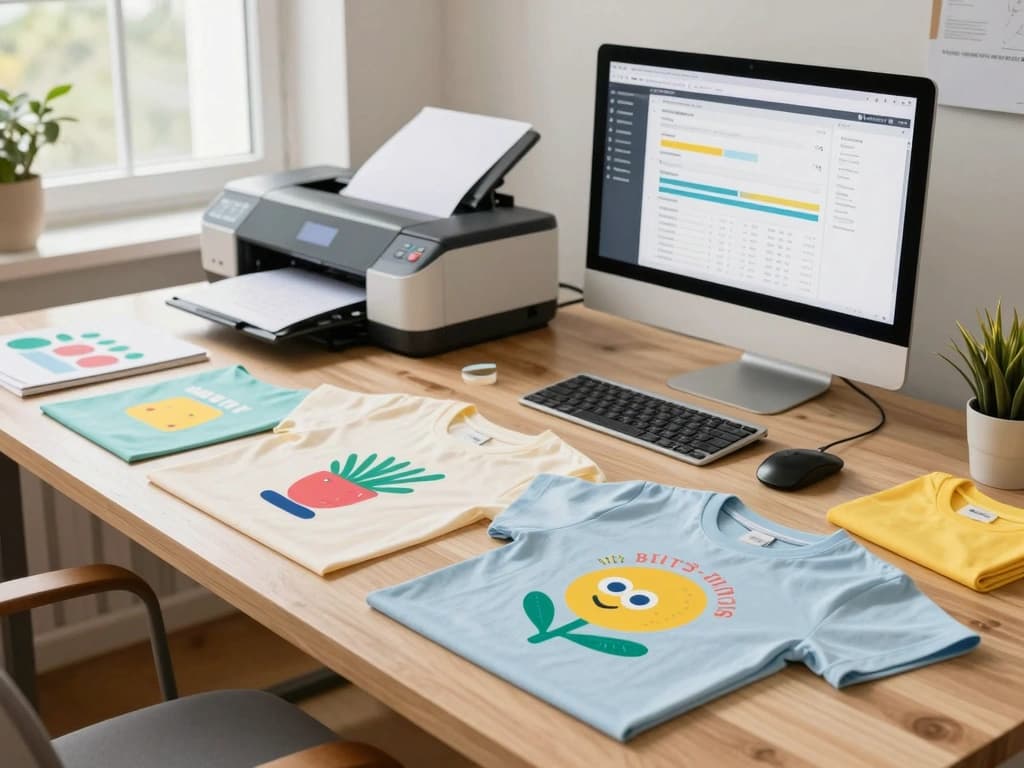
Discover the print-on-demand t-shirt margin breakdown to maximize your profits. Learn key strategies for pricing and cost management in ecommerce.
Introduction to Print-on-Demand T-Shirt Margins
In the world of eCommerce, print-on-demand (POD) has emerged as a popular business model, particularly for custom products like t-shirts. Understanding the intricacies of print-on-demand t-shirt margins is crucial for anyone looking to venture into this business. This article delves into the various cost factors that affect margins, how to calculate selling prices, and strategies for maximizing profitability.
What is Print-on-Demand?
Print-on-demand is a fulfillment model that allows sellers to design and sell products without holding inventory. When a customer orders a t-shirt, the design is printed on the garment and shipped directly to the buyer. Companies like Printful, Teespring, and Redbubble have made this model accessible to entrepreneurs, enabling them to focus on creativity and marketing rather than production logistics.
Importance of Understanding Margins
Understanding margins is vital for sustaining and growing a print-on-demand t-shirt business. Margins determine profitability, influence pricing strategies, and can dictate the overall success of the venture. Mismanagement of costs can lead to unsustainable practices, ultimately jeopardizing the business. By dissecting the margin breakdown, sellers can make informed decisions that enhance their financial outcomes.
Overview of T-Shirt Pricing Structure
The pricing structure for print-on-demand t-shirts typically consists of three main components:
- Base cost: The initial cost of the blank t-shirt.
- Printing cost: The expense associated with applying the design.
- Shipping cost: The fee for delivering the product to the customer.
By analyzing each of these components, sellers can better understand the overall pricing strategy and identify areas for improvement.
Cost Factors Affecting Print-on-Demand T-Shirt Margins
Base Cost of T-Shirts
The base cost of t-shirts varies significantly depending on factors such as material, brand, and supplier. For example, a basic Gildan 5000 t-shirt may cost around $8, while a premium Bella + Canvas 3001 t-shirt might cost $12 or more. Choosing the right t-shirt can impact margins, as a higher base cost needs to be compensated with a higher selling price.
Printing and Design Costs
Printing costs are influenced by the printing method used, which can include:
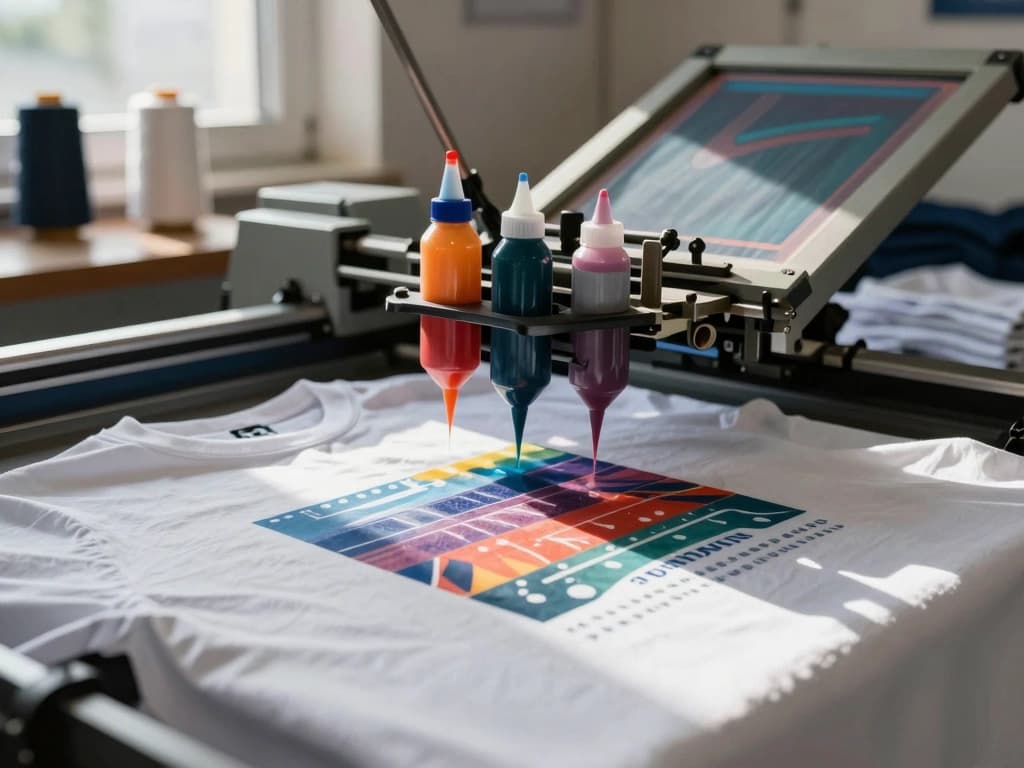
- Direct-to-Garment (DTG): Ideal for complex designs, costs range from $5 to $10 per print depending on size and color.
- Screen Printing: More cost-effective for bulk orders, typically $1.50 to $4 per print, but often requires a minimum order quantity.
- Sublimation: Best for polyester garments, costs can vary widely based on design complexity.
Design costs may also include expenses for graphic design software, hiring freelance designers, or purchasing design elements from platforms like Creative Market or GraphicRiver.
Shipping and Fulfillment Expenses
Shipping costs can significantly affect profit margins. Factors influencing these costs include:
- Shipping method: Standard shipping is usually cheaper than express options.
- Destination: International shipping rates can vary widely.
- Order size: Bulk orders can sometimes lead to reduced shipping costs per item.
For instance, shipping a t-shirt within the U.S. might cost around $3 to $5, while international shipping could escalate to $15 or more per shirt.
Calculating Your Selling Price for T-Shirts
Setting a Competitive Pricing Strategy
To set a competitive pricing strategy, it's essential to analyze competitors and market demand. For example, if similar t-shirts are selling for $25, pricing yours at $20 might attract buyers, but only if margins allow for it. A good rule of thumb is to ensure that the selling price covers all costs and allows for a comfortable profit margin, typically between 30% to 50% above the total cost.
Markup Percentage and Its Impact
Markup is the percentage added to the base cost to determine the selling price. To calculate the markup:
- Add together the base cost, printing cost, and shipping cost.
- Decide on the desired profit margin (e.g., 40%).
- Use the formula: Selling Price = Total Cost / (1 - Desired Margin).
For example, if the total cost of a t-shirt is $20 and you want a 40% markup, the calculation would be:
Selling Price = $20 / (1 - 0.40) = $33.33.
Seasonal Adjustments in Pricing
Seasonal trends can impact demand and pricing. For example, during the holiday season, you might find that customers are willing to pay a premium for unique, festive designs. Conversely, during slow periods, offering discounts or running promotions may help clear out inventory and maintain cash flow.
Analyzing Profit Margins in Print-on-Demand
Gross vs. Net Profit Margins
Understanding the difference between gross and net profit margins is essential for evaluating business performance:
- Gross Profit Margin: This is calculated by subtracting the total cost of goods sold (COGS) from the total revenue, divided by the total revenue. This margin reflects the profitability of your products before accounting for operating expenses.
- Net Profit Margin: This includes all expenses (operating costs, taxes, etc.) subtracted from total revenue. It gives a clearer picture of overall business profitability.
For example, if you sell a t-shirt for $30, and the total cost (including production and shipping) is $20, your gross profit margin is:
Gross Profit Margin = ($30 - $20) / $30 = 33.3%.
If your operating expenses are $5 per shirt, your net profit would be:
Net Profit Margin = ($30 - $20 - $5) / $30 = 16.67%.
Common Margin Benchmarks in the Industry
Industry benchmarks for profit margins can vary widely, but as a rule of thumb, successful print-on-demand businesses typically aim for:
- Gross Profit Margin: Between 30% to 50%.
- Net Profit Margin: Around 10% to 20%.
These benchmarks can serve as a guide for assessing your own business performance against industry standards.
Tools for Tracking Profitability
Utilizing tools can streamline the process of tracking profitability. Some popular options include:
- Shopify: Offers built-in analytics to monitor sales, margins, and profits.
- QuickBooks: An accounting software that helps track expenses and profits over time.
- Print-on-Demand Platforms: Many POD services like Printful and Printify provide insights into sales and costs directly through their dashboards.
Strategies to Improve Margins on Print-on-Demand T-Shirts
Choosing the Right Suppliers
Supplier selection plays a critical role in margin optimization. It's advisable to compare pricing, quality, and shipping options among various suppliers. For instance, if Printful charges $12 for a t-shirt while a local supplier offers it for $8, the choice might depend on the quality and reliability of delivery, impacting overall customer satisfaction and repeat business.
Optimizing Design for Cost Efficiency
Design optimization can also lead to cost savings. For example, simpler designs that require fewer colors or less print area can significantly lower printing costs. Utilizing tools like Adobe Illustrator or Canva can help streamline the design process and reduce expenses.
Leveraging Bulk Orders and Discounts
Many print-on-demand services offer discounts for bulk orders. If you're confident in a design's popularity, consider ordering a small batch initially. For example, ordering 50 shirts instead of single items can reduce the cost per shirt, potentially increasing profit margins by 20% or more. Additionally, take advantage of promotional offers from suppliers that can further decrease costs.