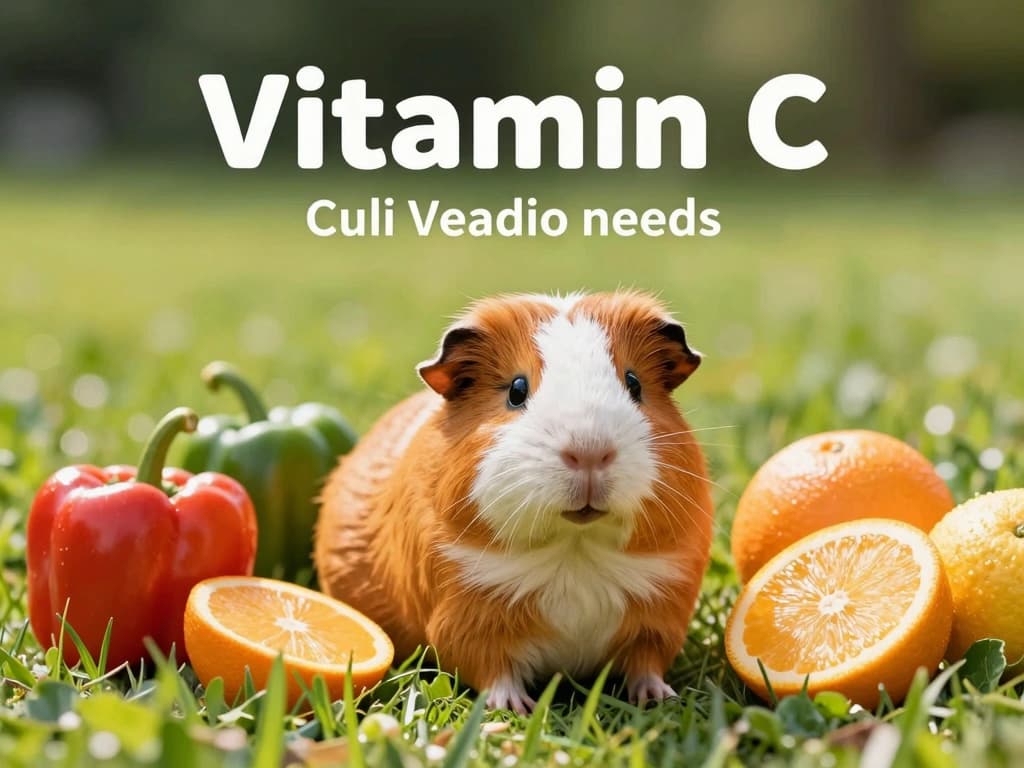
Discover the unique vitamin C needs of guinea pigs and learn how to ensure your pet stays healthy and vibrant with the right nutrition.
The Importance of Vitamin C for Guinea Pigs
Understanding the unique vitamin C needs of guinea pigs is crucial for their overall health and well-being. Unlike many other animals, guinea pigs cannot synthesize vitamin C on their own, making it an essential component of their diet. This article explores the significance of vitamin C, daily requirements, dietary sources, and strategies for ensuring that your guinea pig receives adequate amounts of this vital nutrient.
Why Guinea Pigs Cannot Synthesize Vitamin C
Guinea pigs, or Cavia porcellus, belong to a unique group of mammals known as rodents. Unlike some mammals that can produce vitamin C in their bodies, guinea pigs lack the enzyme L-gulonolactone oxidase, which is necessary for synthesizing this vitamin. As a result, they must obtain vitamin C from their diet to prevent deficiencies. This inability to synthesize vitamin C is a defining characteristic that sets guinea pigs apart from other pets, such as rabbits, who can produce their own vitamin C.
The Role of Vitamin C in Guinea Pig Health
Vitamin C plays several critical roles in maintaining the health of guinea pigs. It is essential for:
- Collagen Formation: Vitamin C is vital for the synthesis of collagen, a protein that helps maintain the integrity of connective tissues, skin, and cartilage.
- Immune Function: Adequate levels of vitamin C enhance the immune response, helping guinea pigs ward off infections and diseases.
- Antioxidant Protection: Vitamin C serves as an antioxidant, protecting cells from damage caused by free radicals.
- Absorption of Iron: It aids in the absorption of iron from plant-based foods, which is crucial for preventing anemia.
Consequences of Vitamin C Deficiency
A deficiency in vitamin C can lead to several health issues in guinea pigs, including:
- Scurvy: The most well-known consequence of vitamin C deficiency, scurvy leads to symptoms such as lethargy, swollen joints, bleeding gums, and hair loss.
- Dental Problems: Insufficient vitamin C can cause dental issues, as the connective tissues that support the teeth weaken.
- Reduced Immune Function: A lack of vitamin C can compromise the immune system, making guinea pigs more susceptible to infections.
- Weight Loss: Deficient guinea pigs may experience weight loss and reduced appetite due to overall health deterioration.
Daily Vitamin C Requirements for Guinea Pigs
Understanding the daily vitamin C requirements for guinea pigs is essential for pet owners to ensure their pets thrive. The amount of vitamin C needed can vary depending on several factors, including age, weight, and health status.
Recommended Daily Intake Based on Age and Weight
The general guideline for vitamin C intake in guinea pigs is approximately 10 to 30 mg per kilogram of body weight per day. Here’s a breakdown:
- Young Guinea Pigs (less than 6 months): These growing animals typically require around 30 mg of vitamin C daily.
- Adult Guinea Pigs (6 months to 5 years): Adults generally need around 20 mg daily.
- Senior Guinea Pigs (over 5 years): Older guinea pigs may require 30 mg daily to support their aging bodies.
For example, a healthy adult guinea pig weighing 1 kg would need approximately 20 mg of vitamin C each day, while a growing guinea pig weighing 0.5 kg would need about 15 mg.
Factors Influencing Vitamin C Needs
Several factors can influence the vitamin C requirements of guinea pigs, including:
- Health Status: Sick or stressed guinea pigs may require more vitamin C than healthy individuals.
- Dietary Composition: The type of foods consumed can affect how much vitamin C is needed. For instance, a diet lacking in fresh vegetables may necessitate increased supplementation.
- Environmental Stressors: Factors such as temperature fluctuations and changes in habitat can elevate stress levels, potentially increasing vitamin C needs.
Signs of Inadequate Vitamin C Consumption
Pet owners should be vigilant for signs that their guinea pig may not be getting enough vitamin C. Common symptoms include:
- Lethargy: A lack of energy and reduced activity levels.
- Swollen Gums or Teeth: Signs of dental issues, including swelling or bleeding.
- Weight Loss: Noticeable decrease in weight, which is often accompanied by a decreased appetite.
- Hair Loss: Loss of fur, particularly around the face and body.
Sources of Vitamin C for Guinea Pigs
Providing guinea pigs with a balanced diet rich in vitamin C is essential to prevent deficiencies. Below are some of the best sources of vitamin C available for your guinea pig.
Natural Food Sources Rich in Vitamin C
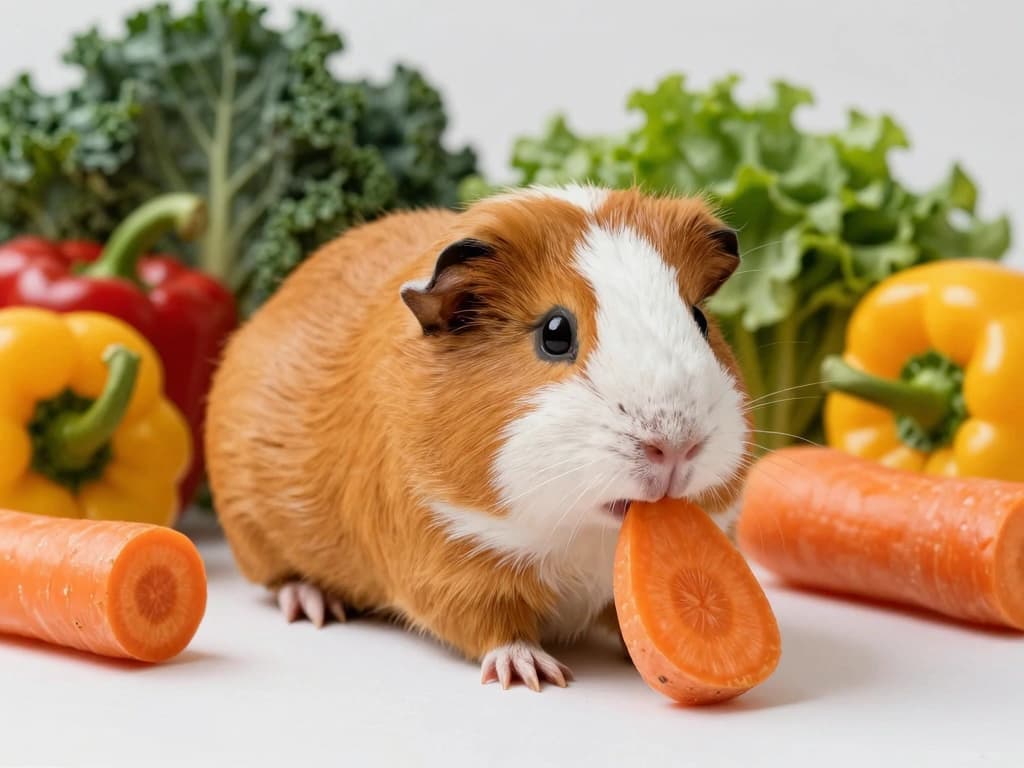
Fresh vegetables and fruits are excellent sources of vitamin C for guinea pigs. Some top choices include:
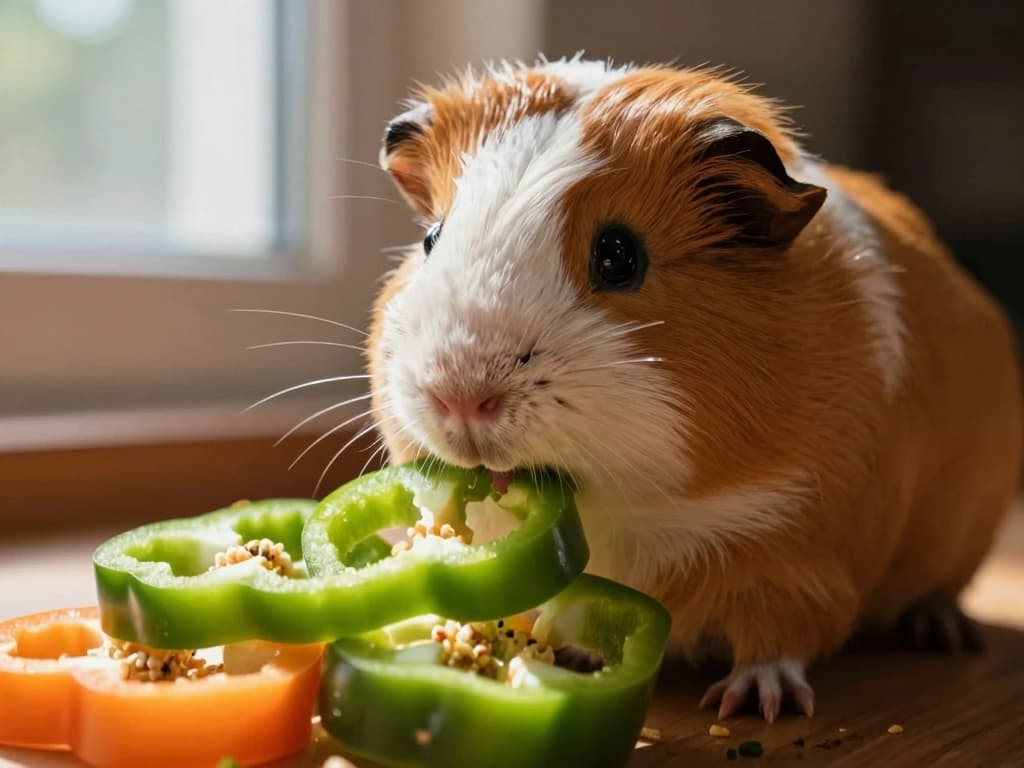
- Bell Peppers: High in vitamin C, with around 120 mg per 100g.
- Kale: Contains approximately 120 mg of vitamin C per 100g.
- Broccoli: Offers about 89 mg of vitamin C per 100g.
- Parsley: Contains around 133 mg of vitamin C per 100g.
- Strawberries: Provide about 58 mg of vitamin C per 100g.
Incorporating a variety of these foods into your guinea pig’s diet can help ensure they receive sufficient vitamin C. Always introduce new foods gradually to avoid digestive upset.
Commercial Supplements: Pros and Cons
While natural food sources are ideal, some guinea pig owners may opt for commercial vitamin C supplements. These come in various forms, including:
- Tablets: Easy to administer but may not be as palatable for all guinea pigs.
- Powdered Supplements: Can be mixed with food or water, allowing for flexibility in dosage.
- Fortified Pellets: Some commercial guinea pig pellets come fortified with vitamin C, ensuring a consistent intake.
However, there are pros and cons to consider:
- Pros: Convenient, ensures consistent dosing, and can be beneficial in cases where dietary sources are insufficient.
- Cons: May not provide the full range of nutrients found in natural sources, and some supplements can lose potency over time.
How to Ensure Balanced Vitamin C Intake
To ensure that your guinea pig receives adequate vitamin C, consider the following tips:
- Variety is Key: Offer a diverse range of fresh vegetables and fruits to cover any potential gaps in nutrition.
- Avoid Overcooking: Cooking can destroy vitamin C, so serve fresh or lightly steamed vegetables.
- Regular Monitoring: Keep track of your guinea pig’s dietary intake and health indicators to adjust their vitamin C sources as needed.
Vitamin C and Guinea Pig Diets
Integrating vitamin C into a guinea pig’s diet requires careful planning to ensure they receive both the quantity and quality of nutrients necessary for optimal health.
Integrating Vitamin C into Daily Meals
To effectively integrate vitamin C into your guinea pig’s diet, consider creating a meal plan that includes:
- Daily Fresh Vegetables: Aim for a mix of high-vitamin C vegetables like bell peppers, kale, and broccoli.
- Weekly Fruit Treats: Offer fruits such as strawberries or kiwi as an occasional treat to boost vitamin C intake without overloading on sugar.
- Consistent Hay Offering: Ensure high-quality hay is available at all times, as it provides essential fiber and supports digestive health.
Common Dietary Mistakes to Avoid
When managing your guinea pig’s diet, several common mistakes can lead to inadequate vitamin C intake:
- Relying Solely on Pellets: While fortified pellets can help, they should never replace fresh vegetables and fruits entirely.
- Ignoring Seasonal Variations: Seasonal changes can affect the availability of fresh produce; be sure to adjust your offerings accordingly.
- Overfeeding High-Sugar Foods: Foods like fruits should be given in moderation to prevent obesity and related health issues.
Hydration and Its Impact on Vitamin C Absorption
Hydration is crucial for the absorption of vitamin C. Guinea pigs should always have access to fresh, clean water. Dehydration can impair digestion and nutrient absorption, including vitamin C. To ensure optimal hydration:
- Provide Fresh Water Daily: Change the water in their bowl or bottle every day to prevent contamination.
- Monitor Water Intake: Keep an eye on their drinking habits; reduced water intake can indicate health issues.
Monitoring and Adjusting Vitamin C Intake
As a responsible pet owner, regularly monitoring your guinea pig’s vitamin C intake and overall health is essential for their well-being.
Tracking Dietary Intake and Health Indicators
Maintain a journal or log that tracks:
- Daily Food Intake: Note the types and amounts of vegetables, fruits, and any supplements provided.
- Health Observations: Document any changes in behavior, weight, or appearance that may indicate health issues.
By keeping a close eye on these factors, you can make informed decisions regarding dietary adjustments and potential increases in vitamin C intake.
When to Consult a Veterinarian
If you notice any concerning signs or symptoms related to vitamin C deficiency or your guinea pig’s overall health, consult a veterinarian. Some indicators that warrant a professional opinion include:
- Severe Weight Loss: A sudden or significant loss of weight.
- Persistent Lethargy: Lack of energy that doesn’t improve with dietary changes.
- Dental Issues: Swollen or bleeding gums that persist despite dietary adjustments.
Adjusting Vitamin C Needs for Seasonal Changes
Changes in seasons can affect the availability of fresh produce, which may necessitate adjustments in your guinea pig’s vitamin C intake. During winter months, when fresh vegetables may not be as readily available, consider:
- Stocking Up on Frozen Vegetables: Frozen options can retain much of their nutritional value and can be a good supplement during off-seasons.
- Utilizing Supplements: If fresh sources are limited, vitamin C supplements can help bridge the gap.
- Monitoring Health More Closely: Be vigilant for any signs of deficiency as the seasons change and adjust the diet accordingly.
By understanding and meeting the unique vitamin C requirements of guinea pigs, pet owners can help ensure their furry companions lead healthy, happy lives. Regular monitoring, a varied diet, and awareness of their special needs will contribute to their overall well-being.