Discover the origins of slow living and learn practical tips to embrace it daily for a more mindful, fulfilling lifestyle. Embrace simplicity today!
The Historical Roots of Slow Living
Slow living is a philosophy that promotes a more thoughtful and intentional lifestyle, encouraging individuals to slow down and savor the present moment. Its origins can be traced through various cultural movements and social shifts that have emerged over the last few decades. Understanding these roots provides insight into how to adopt slow living practices in our daily lives.
The Influence of the Slow Food Movement
The slow living movement is closely linked to the Slow Food movement, which began in Italy in the late 1980s. Founded by Carlo Petrini, the Slow Food movement arose as a reaction to the opening of a fast food restaurant near Rome. Petrini and his supporters advocated for a return to traditional food practices, emphasizing quality, sustainability, and regional cuisine over mass-produced, fast food options. This movement not only highlighted the importance of food and its preparation but also laid the groundwork for a broader slow living ethos that values quality over quantity.
Cultural Practices that Inspire Slow Living
Globally, many cultural practices embrace the principles that underpin slow living. For example:
- Japanese Wabi-Sabi: This aesthetic philosophy appreciates the beauty in imperfection and impermanence, encouraging individuals to find contentment in simplicity and natural processes.
- The Scandinavian Hygge: This Danish concept emphasizes coziness and comfort, focusing on creating enjoyable moments in everyday life.
- Italian Dolce Far Niente: Translated as "the sweetness of doing nothing," this practice encourages taking time to relax and enjoy life's simple pleasures.
These cultural influences collectively shape the core tenets of slow living, promoting a lifestyle that values depth, presence, and a connection to the world around us.
The Rejection of Fast-Paced Modernity
As technology and globalization have accelerated the pace of life, many people have begun to feel overwhelmed by their fast-paced lifestyles. The prevalence of instant gratification, constant connectivity, and the pressure to always be productive has led to a collective yearning for a more meaningful existence. The slow living movement emerged in part as a rejection of this relentless speed, advocating for a more deliberate and thoughtful approach to life. This desire for balance and well-being resonates deeply in our modern society, where many are grappling with burnout and anxiety.
Key Figures and Milestones in the Slow Living Movement
Several key figures and milestones have propelled the slow living movement into the mainstream, highlighting its relevance in contemporary society.
Notable Advocates and Their Contributions
Throughout the slow living movement's development, various advocates have played instrumental roles. Notable figures include:
- Carlo Petrini: As the founder of the Slow Food movement, Petrini not only promoted food quality and sustainability but also inspired a broader lifestyle shift towards slow living.
- Ingrid Fetell Lee: Author of "Joyful," Lee explores how the design of our environments influences our emotions and advocates for creating spaces that encourage a slower, more joyful life.
- Leo Babauta: The founder of Zen Habits, Babauta encourages simplicity and mindfulness, teaching readers how to embrace a less hectic lifestyle.
Books and Publications that Shaped the Movement
Several seminal books have contributed significantly to the slow living discourse:
- “In Praise of Slowness” by Carl Honoré: This book examines the benefits of slowing down and challenges the culture of speed prevalent in modern society.
- “The Art of Simple Living” by Shunmyo Masuno: A guide to finding peace and happiness through simplicity and mindfulness, rooted in Zen philosophy.
- “Slow Living” by Brooke McAlary: This book offers practical advice and inspiration for those looking to embrace a slower pace of life.
Global Events that Promoted Slow Living
Various global events have highlighted the importance of slow living, including:
- World Slow Day: Established to encourage people to take a break from their hectic lives, this day promotes intentional living and reflection.
- International Day of Happiness: Celebrated annually on March 20, this day reminds us that true happiness often comes from meaningful connections and experiences, rather than material success.
- Local Food Movements: Farmers' markets and community-supported agriculture initiatives have gained popularity, emphasizing the importance of sourcing food locally and sustainably.
These events and initiatives have contributed to a growing awareness of slow living, encouraging individuals to prioritize a more sustainable and fulfilling lifestyle.
Principles of Slow Living: Core Values Explained
The slow living movement is built upon several core principles that guide practitioners in their daily lives.
Simplicity and Minimalism
Simplicity and minimalism are foundational principles of slow living. By reducing clutter—both physical and mental—individuals can create space for what truly matters. This might involve decluttering a home, simplifying a schedule, or letting go of unnecessary commitments. The goal is to cultivate a sense of peace and focus on quality experiences rather than an overwhelming quantity of distractions.
Connection with Nature
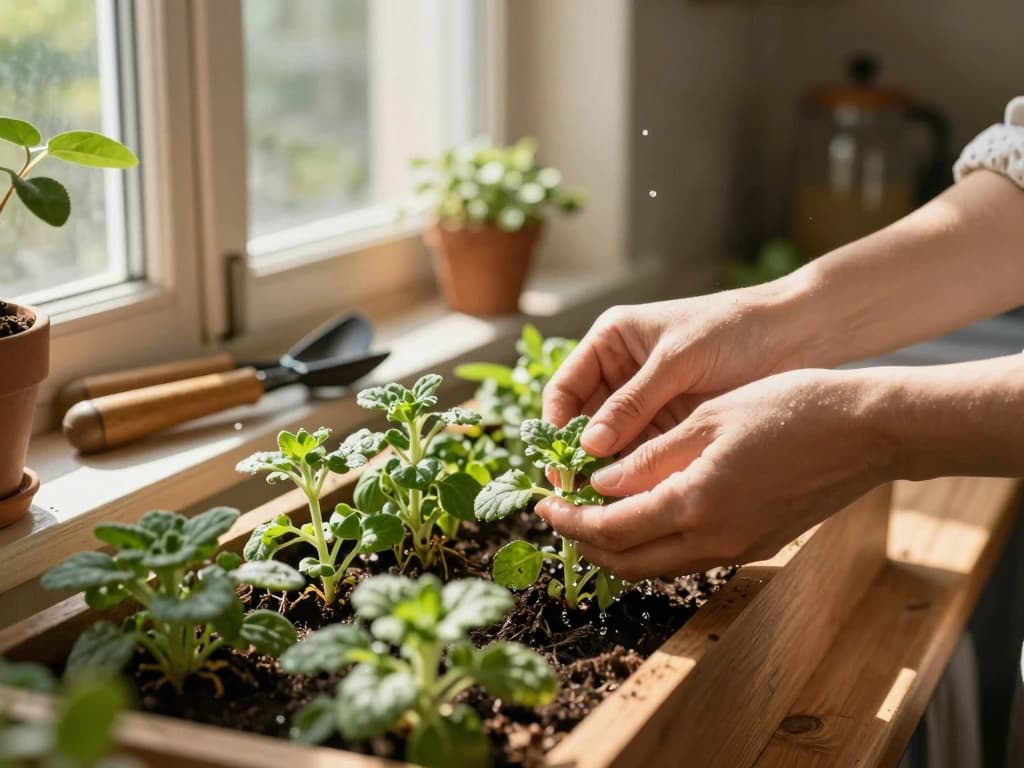
An essential aspect of slow living is fostering a strong connection with nature. This can be achieved through practices such as:
- Spending time outdoors: Whether hiking in the mountains or simply walking in a local park, immersing oneself in nature helps to ground and rejuvenate the spirit.
- Gardening: Growing your own food or tending to plants promotes a deeper appreciation for the natural world and the cycles of life.
- Mindful observation: Taking time to observe the natural environment can heighten awareness and foster gratitude for the beauty around us.
Mindfulness and Presence
Mindfulness is a key tenet of slow living, emphasizing the importance of being present in each moment. This practice encourages individuals to engage fully with their surroundings and experiences, whether through meditation, deep breathing exercises, or simply pausing to appreciate the little things in life. Mindfulness helps to counteract the distractions of modern life, fostering a deeper sense of fulfillment and connection.
Daily Practices to Embrace Slow Living
Incorporating slow living principles into daily life can be transformative. Here are some practical ways to embrace this philosophy:
Creating a Slow Morning Routine
A slow morning routine sets the tone for the day. Here are some elements to consider:
- Wake up early: Allowing extra time in the morning prevents the need to rush.
- Mindful breakfast: Take the time to prepare and enjoy breakfast mindfully, savoring each bite rather than eating on the go.
- Gentle movement: Incorporate yoga or stretching to awaken the body without the stress of a high-intensity workout.
By establishing a slow morning routine, individuals can start their day with intention, setting a positive tone for the hours ahead.
Mindful Eating and Cooking Techniques
Practicing mindful eating and cooking can enhance the overall dining experience. Here are some strategies:
- Cook from scratch: Preparing meals at home allows for greater control over ingredients and offers an opportunity to connect with the food.
- Engage all senses: While eating, focus on the colors, textures, and flavors of the food, creating a more immersive experience.
- Eat without distractions: Turn off devices and focus solely on the meal to foster a deeper appreciation for the food and the moment.
Incorporating Nature into Daily Life
Bringing nature into daily routines can enhance well-being and promote slow living principles. Consider the following:
- Nature walks: Make it a habit to walk in a nearby park or natural area regularly.
- Indoor plants: Incorporate houseplants into your living space to create a soothing environment.
- Outdoor activities: Engage in activities such as gardening, birdwatching, or simply enjoying a meal outside.
Challenges and Misconceptions about Slow Living
Despite its numerous benefits, the slow living movement faces challenges and misconceptions that can hinder its adoption.
Balancing Modern Life with Slow Living Principles
One of the primary challenges of slow living is finding balance in a fast-paced world. Many individuals struggle to incorporate slow living practices into their already busy lives. It may require deliberate effort to prioritize self-care and mindfulness amidst work and family commitments. Establishing boundaries around time and recognizing the importance of rest and relaxation can help foster a more balanced lifestyle.
Common Misunderstandings about the Movement
Slow living is sometimes misconstrued as being anti-modern or unrealistic. In reality, it is about making conscious choices that align with personal values, regardless of the external environment. It does not necessitate completely abandoning technology or modern conveniences, but rather encourages a mindful approach to their use. Emphasizing quality interactions and experiences rather than constant busyness is key to embracing slow living.
Overcoming Resistance to Change
Adopting slow living practices can be met with resistance, both internally and externally. Many individuals may find it challenging to break free from ingrained habits and societal expectations of constant productivity. Overcoming this resistance requires a commitment to self-reflection and a willingness to embrace discomfort as one transitions towards a slower, more intentional way of living. Small, incremental changes can lead to significant shifts over time.
In conclusion, the slow living movement is a rich tapestry woven from historical roots, cultural practices, and a collective desire for a more meaningful existence. By understanding its origins and principles, and by embracing daily practices that promote mindfulness, simplicity, and connection with nature, individuals can cultivate a fulfilling and balanced life. While challenges and misconceptions may arise, the rewards of slow living—enhanced well-being, deeper relationships, and a greater appreciation for life's moments—are well worth the effort.