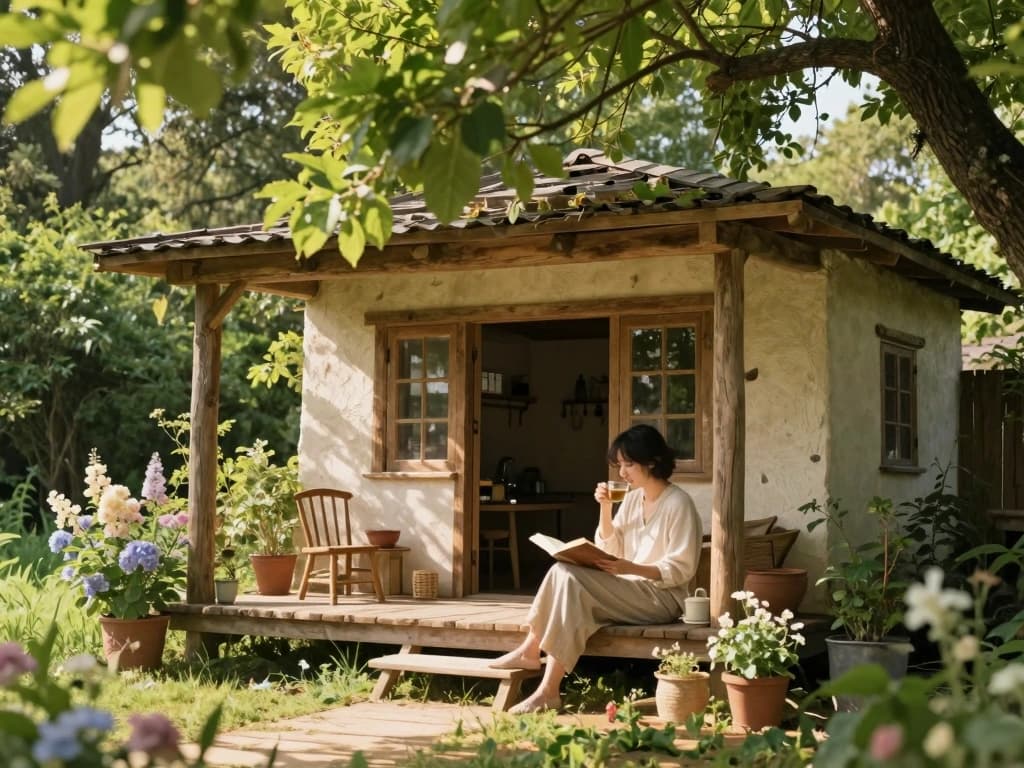
Discover the origins of slow living and learn practical tips to incorporate it into your daily routine for a more mindful and fulfilling lifestyle.
The Historical Roots of the Slow Living Movement
The Slow Living movement is an approach to life that emphasizes a more contemplative and deliberate way of living, encouraging individuals to slow down and savor the moments that life offers. Its roots can be traced back to various cultural, environmental, and philosophical influences that have shaped its development over the years. Understanding these origins provides valuable context for practicing Slow Living in today’s fast-paced world.
Influences from the Italian Slow Food Movement
One of the most significant influences on the Slow Living movement is the Italian Slow Food movement, which began in the 1980s. Founded by Carlo Petrini in response to the opening of a McDonald's near the Spanish Steps in Rome, Slow Food champions local, sustainable, and traditional food practices. The movement advocates for the enjoyment of food that is produced in a way that respects the environment and the communities that create it.
Slow Food emphasizes the importance of savoring meals, understanding food origins, and supporting local farmers. This cultural shift inspired the broader Slow Living movement, which encourages people to embrace quality over quantity in all aspects of life, not just food. The principles of Slow Food—such as taking time to enjoy meals, knowing where ingredients come from, and fostering community through food—have become cornerstones of the Slow Living philosophy.
Connection to Environmentalism and Sustainability
As the global conversation around climate change and environmental degradation has intensified, Slow Living has found a natural ally in the environmental movement. The principles of sustainability resonate deeply with Slow Living, which promotes a lifestyle that is mindful of its impact on the planet.
Slow Living encourages individuals to make conscious choices about consumption, favoring local, organic products and minimizing waste. For instance, practices such as buying from farmers' markets, reducing single-use plastics, and choosing eco-friendly products align with both Slow Living and environmentalism. Research indicates that consumers are increasingly interested in sustainable living; a 2021 survey by McKinsey found that 70% of consumers in the U.S. consider sustainability when making purchasing decisions.
Philosophical Origins in Mindfulness and Simplicity
The philosophical underpinnings of Slow Living can be traced back to concepts of mindfulness and simplicity, which emphasize being present and living intentionally. Mindfulness, rooted in Buddhist traditions, teaches individuals to focus on the present moment, free from distractions and judgments. This practice encourages a deeper appreciation for life’s small pleasures, aligning perfectly with Slow Living’s ethos.
Furthermore, simplicity as a lifestyle choice encourages individuals to declutter their lives, both physically and mentally. By stripping away the unnecessary, proponents of Slow Living can focus on what truly matters—relationships, personal growth, and well-being. The minimalist movement, which gained traction in the early 2000s, has also contributed to the Slow Living conversation, promoting the idea that less is more.
Key Figures and Milestones in the Slow Living Movement
Notable Advocates and Their Impact
Several key figures have played pivotal roles in advancing the Slow Living movement. Among them, Carl Honoré stands out with his influential book, "In Praise of Slow," published in 2004. Honoré's work highlights the detrimental effects of speed on our lives and promotes the virtues of slowing down. His advocacy has inspired many individuals to reevaluate their hectic lifestyles and consider the benefits of a slower pace.
Another significant advocate is the author and speaker, Leo Babauta, who founded the popular blog "Zen Habits." Babauta's writings encourage simplicity, mindfulness, and intentional living, all fundamental aspects of Slow Living. His approach resonates with a growing audience seeking balance in an increasingly chaotic world.
Books and Publications that Shaped the Movement
Books have played a crucial role in disseminating the principles of Slow Living. Notable works include:
- "In Praise of Slow" by Carl Honoré – This book argues for the benefits of slowing down in various aspects of life, from work to relationships.
- "The Art of Slowing Down" by Cyndi O’Meara – This book promotes practical tips for integrating Slow Living into daily routines.
- "Essentialism: The Disciplined Pursuit of Less" by Greg McKeown – While not explicitly about Slow Living, this book emphasizes focusing on what truly matters and eliminating the non-essential.
These publications have not only shaped the conversation around Slow Living but have also provided concrete strategies for individuals looking to adopt this lifestyle.
Major Events and Gatherings Promoting Slow Living
Throughout the years, various events and gatherings have brought together advocates of Slow Living to share ideas and practices. One notable event is the annual "Slow Living Summit," which gathers thought leaders, practitioners, and enthusiasts to discuss the principles of Slow Living and share best practices. These gatherings serve as platforms for education and community-building, fostering a sense of belonging among like-minded individuals.
Additionally, local workshops and retreats focusing on mindfulness, simplicity, and sustainability have gained popularity. These events often feature hands-on activities, such as cooking classes using local ingredients or mindfulness meditation sessions, allowing participants to immerse themselves in the Slow Living philosophy.
Core Principles of Slow Living and Their Benefits
Emphasizing Quality Over Quantity
One of the fundamental principles of Slow Living is the emphasis on quality over quantity. This can manifest in various aspects of life, including relationships, consumer goods, and experiences. By prioritizing quality, individuals can cultivate deeper connections and more meaningful experiences.
For example, rather than accumulating a large number of possessions, a Slow Living approach encourages individuals to invest in a few high-quality items that bring joy and serve a purpose. This not only reduces clutter but also fosters a sense of appreciation for what one owns.

The Importance of Mindfulness and Presence
Mindfulness is at the heart of Slow Living. Practicing mindfulness allows individuals to engage fully with their surroundings and experiences, leading to a greater sense of fulfillment. By being present in the moment, people can enjoy life’s simple pleasures, such as a leisurely walk in nature or sharing a meal with loved ones.
Studies have shown that mindfulness practices can lead to reduced stress and improved mental well-being. According to a report by the American Psychological Association, mindfulness meditation can enhance emotional regulation, increase self-awareness, and promote a greater sense of peace.
Building Community and Connection
Slow Living also emphasizes the importance of building community and fostering connections with others. This can include participating in local events, supporting local businesses, or engaging in group activities that promote shared values of sustainability and mindfulness.
Communities centered around Slow Living often provide support networks for individuals seeking to adopt this lifestyle. For instance, community gardens, co-ops, and local food networks encourage collaboration and create a sense of belonging among members. Such connections not only enhance individual well-being but also contribute to a stronger, more resilient community.
Practical Ways to Incorporate Slow Living into Daily Life
Creating a Mindful Morning Routine
One effective way to practice Slow Living is by establishing a mindful morning routine. This can set a positive tone for the day ahead. Consider incorporating activities such as:
- Mindful Meditation: Spend 5-10 minutes in quiet meditation, focusing on your breath and setting intentions for the day.
- Journaling: Write down thoughts, gratitudes, or goals to cultivate clarity and mindfulness.
- Slow Breakfast: Prepare a nutritious breakfast, savoring each bite rather than rushing through the meal.
By starting the day slowly and intentionally, individuals can carry that mindfulness into their daily activities.
Disconnecting from Technology and Social Media
In a world dominated by technology, one of the most significant challenges to Slow Living is the constant barrage of notifications and distractions. Setting boundaries around technology use can help individuals regain control of their time and attention. Consider implementing strategies such as:
- Digital Detox: Designate specific times during the day to disconnect from devices, allowing for uninterrupted moments of mindfulness.
- Social Media Boundaries: Limit social media usage to specific times or days to avoid the overwhelm of constant updates.
- Technology-Free Zones: Create areas in the home where technology is not allowed, fostering face-to-face interactions and deeper connections.
Engaging in Nature and Local Community Activities
Connecting with nature and engaging in local community activities are essential components of Slow Living. These practices allow individuals to slow down and appreciate their surroundings. Consider the following activities:
- Nature Walks: Set aside time to explore local parks or hiking trails, immersing yourself in the natural environment.
- Volunteer Opportunities: Get involved in community service projects that resonate with your values, whether it’s a local food bank or environmental cleanup.
- Attend Local Events: Participate in farmer’s markets, arts festivals, or community workshops to connect with others and support local initiatives.
Challenges and Misconceptions about Slow Living
Addressing the Myth of Idleness
One common misconception about Slow Living is that it equates to idleness or laziness. In reality, Slow Living is about being intentional with time and prioritizing meaningful activities over a frantic schedule. It’s possible to lead a productive life while embracing a slower pace.
For example, individuals may find that by slowing down, they can focus on high-impact tasks that align with their values, rather than simply filling their schedules with busywork. This intentional approach often leads to greater satisfaction and fulfillment.
Balancing Slow Living with Modern Life Demands
Navigating the demands of modern life can be challenging when trying to adopt a Slow Living philosophy. Work commitments, family responsibilities, and social obligations can create a sense of urgency that conflicts with a slower pace. To balance these demands, individuals can:
- Prioritize Tasks: Use tools like the Eisenhower Matrix to distinguish between urgent and important tasks, focusing on what truly matters.
- Set Boundaries: Communicate limits with colleagues and family members to protect time for self-care and mindfulness practices.
- Incorporate Small Changes: Start with small adjustments, such as dedicating five minutes a day to mindfulness, gradually increasing as comfort grows.
Overcoming Resistance from Fast-Paced Societal Norms
Living in a society that glorifies busyness can create resistance to adopting a Slow Living lifestyle. However, individuals can challenge these norms by cultivating self-awareness and redefining personal success. Reflecting on what truly brings joy and fulfillment can help counter societal pressures.
Engaging with like-minded individuals, whether through online communities or local gatherings, can also provide support and encouragement. Sharing experiences and strategies for living slowly can help normalize the practice and inspire others to join the movement.
Ultimately, embracing Slow Living requires a commitment to intentionality and self-reflection. By understanding its origins, core principles, and practical applications, individuals can create a more balanced and fulfilling life.