Explore the inevitable decline of live-service games and understand the factors driving this trend in our insightful article. Discover what the future holds!
The Lifecycle of Live-Service Games
Understanding the Launch Phase
Live-service games, also referred to as games as a service (GaaS), have become a dominant force in the gaming industry over the past decade. These games are designed to provide ongoing content and experiences to players long after their initial launch. The lifecycle of a live-service game typically begins with a highly anticipated launch phase, where developers aim to create a strong foundation for future engagement.
During the launch phase, developers often use extensive marketing strategies to hype the game, generating excitement and anticipation within the gaming community. A prime example of this is Destiny 2, which was released with considerable buzz and a promise of ongoing content updates. The initial launch is crucial as it sets the tone for player expectations and community engagement.
Community Engagement at Inception
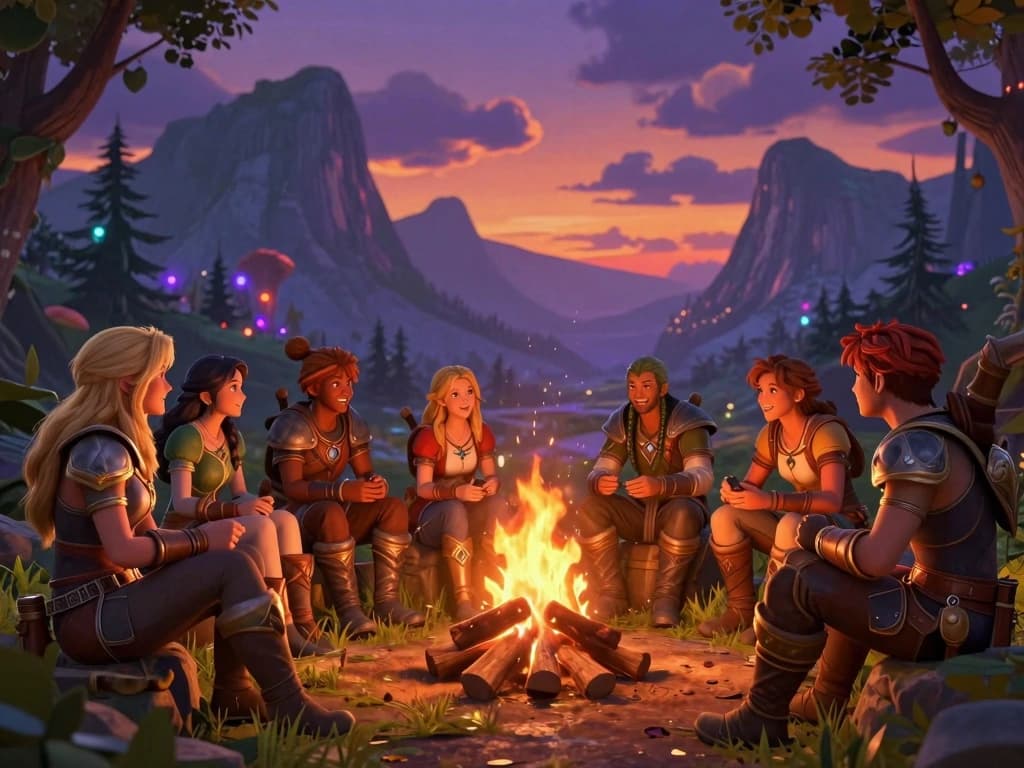
At the inception of a live-service game, community engagement is paramount. Developers often interact with players through social media, forums, and in-game events to foster a sense of belonging and investment. For instance, Fortnite has successfully nurtured its community through frequent updates, collaborations with popular franchises, and events that keep players engaged.
However, maintaining this level of engagement requires constant effort. Developers must balance player feedback with their vision for the game, which can be a delicate dance. When community engagement is high, it can lead to a vibrant ecosystem where players feel valued and motivated to invest their time and resources into the game.
Initial Revenue Models and Expectations
Revenue models for live-service games often revolve around microtransactions, season passes, and in-game purchases. Early on, developers set ambitious expectations for revenue generation based on these models. For example, Call of Duty: Warzone capitalized on its free-to-play model by introducing seasonal content that encouraged players to spend on battle passes and cosmetic items.
While the initial revenue may be significant, relying heavily on these models can lead to player discontent if not managed carefully. When players feel that a game is excessively monetized, it can erode trust and lead to a decline in engagement over time.
Content Saturation and Player Fatigue
The Impact of Over-Expansion
One of the most critical factors in the decline of live-service games is content saturation. Initially, developers may release a steady stream of new content to keep players engaged. However, as time goes on, the frequency and volume of content updates can lead to a point of over-expansion. Games like Fallout 76 experienced this firsthand, as the initial excitement waned with the release of numerous updates that failed to meet player expectations or address core issues.
This over-expansion can result in players feeling overwhelmed by the sheer amount of content, leading to disengagement. As developers scramble to create new content to retain their player base, they may inadvertently dilute the quality of the game, further pushing players away.
Repetitive Gameplay Mechanics
Another significant factor contributing to the decline of live-service games is repetitive gameplay mechanics. Players initially enjoy the novelty of new experiences, but as time goes on, they may find themselves engaging in similar activities repeatedly. Games like Anthem became notorious for their repetitive grinding mechanics, which ultimately led to player frustration and a decline in active users.
This repetition can create a sense of monotony, making players feel that they are investing time into an experience that lacks true progression or excitement. Developers must continually innovate to keep gameplay fresh and engaging; otherwise, players may seek other gaming experiences that offer more variety and challenge.
Player Burnout and Its Consequences
Player burnout is a phenomenon that occurs when players feel exhausted or overwhelmed by the demands of a live-service game. This can happen when a game requires significant time investment to keep up with new content, challenges, or seasonal events. For example, World of Warcraft has faced issues with player burnout as its expansions and updates have become increasingly demanding, leading to a decline in subscriptions over time.
Burnout can have serious consequences, including reduced player retention and engagement. Once players step away from a game due to burnout, they may not return, even when new content is released. This makes it essential for developers to recognize the signs of player fatigue and adapt their content strategies accordingly.
Technological Limitations and Evolving Standards
Outdated Game Engines and Infrastructure
As technology evolves, so do player expectations. Many live-service games are built on existing game engines and infrastructure that may not keep pace with the latest advancements. For instance, games like Battlefield V faced criticism for their aging Frostbite engine, which struggled to deliver the performance and graphics players expected.
When a game’s technology becomes outdated, it can hinder performance, graphics quality, and overall player experience. This can lead to a decline in player interest as they seek more polished and technologically advanced gaming experiences.
The Challenge of Cross-Platform Compatibility
Cross-platform compatibility is another challenge that many live-service games face. Players today expect to be able to play with friends across different devices and platforms. However, not all games can offer this feature seamlessly. Rocket League has successfully embraced cross-platform play, enhancing its player base and longevity. In contrast, games that fail to implement this feature can see a decline as players become frustrated with platform limitations.
In an age where players are more connected than ever, the inability to play with friends on different platforms can significantly impact a game's player retention and community growth.
Keeping Up with Graphics and Performance Expectations
As graphics technology advances, players expect increasingly immersive and visually stunning experiences. Live-service games that cannot keep up with these evolving standards risk losing their audience. Games like No Man's Sky initially faced backlash due to underwhelming graphics and performance issues at launch. However, through updates and improvements, the game has managed to regain some player trust and interest.
Developers must continually invest in graphic enhancements and performance improvements to meet player expectations. Failing to do so may lead to a decline in player interest as newer, visually impressive titles enter the market.
Shifting Player Preferences and Market Trends
The Rise of Single-Player Experiences
In recent years, there has been a noticeable shift in player preferences, with many gamers gravitating towards single-player experiences. Titles like The Witcher 3: Wild Hunt and God of War have captured the attention of players seeking rich narratives and immersive worlds. This shift poses a challenge for live-service games, which often rely on continuous multiplayer engagement.
As players seek fulfilling single-player experiences, live-service games may find it increasingly difficult to retain a dedicated player base. This shift in preferences highlights the importance of adaptability in the gaming market and the need for developers to consider incorporating engaging solo content into their live-service titles.
Emergence of New Gaming Genres
The gaming landscape is constantly evolving, with new genres emerging that capture players' interest. The rise of battle royale games, for example, has shifted the focus away from traditional live-service models. Games like Apex Legends have successfully capitalized on this trend, drawing players away from older live-service titles.
As new genres and game types emerge, live-service games must innovate and adapt to remain relevant. Failing to respond to these market trends can lead to a decline in player interest as gamers flock to the latest gaming phenomena.
Changing Demographics and Gaming Habits
Another factor contributing to the decline of live-service games is the changing demographics of the gaming community. As gaming becomes more mainstream, the player base is diversifying in terms of age, gender, and gaming preferences. This evolution can lead to a disconnect between developers and their audience, particularly if the game's content does not resonate with the evolving player demographics.
For example, games that cater primarily to competitive players may alienate casual gamers or those seeking a more relaxed experience. Developers must be aware of these changing demographics and tailor their content to appeal to a broader audience, or they risk losing potential players.
Monetization Strategies and Player Trust
The Balancing Act of Free-to-Play vs. Pay-to-Win
Monetization strategies play a crucial role in the longevity of live-service games. The balance between free-to-play models and pay-to-win mechanics can significantly impact player trust. Games like Star Wars Battlefront II faced significant backlash for their pay-to-win mechanics, resulting in a decline in player engagement and a tarnished reputation.
When players feel that a game prioritizes profit over fairness, it can lead to distrust and resentment. Developers must strike a balance that allows for monetization while ensuring that gameplay remains fair and enjoyable for all players. Failing to achieve this balance can lead to a rapid decline in player numbers as frustrated users seek alternatives.
Transparency and Community Trust Issues
Transparency is essential in maintaining player trust. Players appreciate being kept informed about upcoming changes, updates, and monetization practices. Games like Rainbow Six Siege have successfully navigated this landscape by maintaining open communication with their community, fostering a sense of trust and loyalty.
In contrast, when developers are perceived as secretive or unresponsive to player feedback, it can lead to a breakdown of trust. This decline in trust can result in player attrition, as gamers feel less invested in a game that does not value their opinions or experiences.
Long-Term Sustainability of In-Game Purchases
The long-term sustainability of in-game purchases is a crucial aspect of live-service games. While initial revenue may be strong, developers must consider whether their monetization strategies can endure over time. Games like Fortnite have successfully maintained their revenue streams through regular content updates and limited-time events that encourage spending without alienating players.
However, if a game fails to provide ongoing value for its in-game purchases, players may become disillusioned and cease spending. This decline in revenue can lead to a downward spiral, where developers struggle to fund new content, further exacerbating the decline of the game.
Conclusion
In conclusion, the inevitable decline of live-service games can be attributed to a variety of factors, including content saturation, technological limitations, shifting player preferences, and monetization strategies. While these games offer the potential for ongoing engagement and revenue, they also face significant challenges that can lead to a decline in player interest and ultimately, the game's longevity.
Developers must be proactive in addressing these issues by fostering community engagement, innovating gameplay, adapting to market trends, and maintaining transparency with their audience. By doing so, they may extend the lifecycle of their live-service games and cultivate a loyal player base that continues to engage with their offerings for years to come.