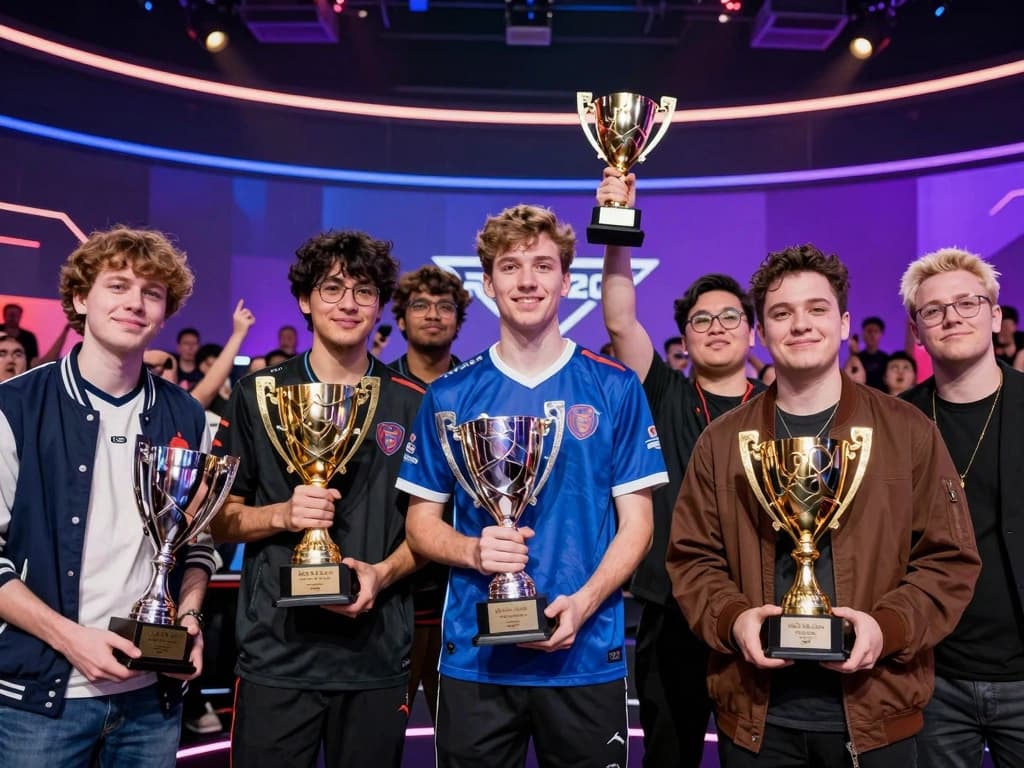
Explore the rise of esports players and their impressive earnings. Discover career path insights and tips for success in the competitive gaming industry.
The Evolution of Esports Player Career Paths
Early Beginnings: From Casual Gamer to Professional
The journey of an esports player typically begins in a humble setting, often as a casual gamer. Many players start their foray into gaming during childhood, playing popular titles like Counter-Strike, League of Legends, or Dota 2. These games not only captivate players through engaging gameplay but also offer competitive environments that spark the desire to improve and compete.
As players hone their skills, they often start participating in local tournaments and online competitions. This grassroots level of competition is crucial, serving as the first taste of professional gaming. For instance, a player might enter a small-scale league like Faceit or Battlefy to gauge their skill against others. The transition from casual to competitive player is marked by the first significant milestone: achieving a ranking that opens doors to larger tournaments.
Milestones in a Player's Career Journey
As a player grows, several key milestones shape their career path. Achieving a high rank in competitive ladder systems, such as reaching the Grandmaster or Challenger tier in games like League of Legends, can lead to invitations to professional teams. Players often find themselves participating in larger tournaments, culminating in well-known events like The International for Dota 2 or the League of Legends World Championship.
These tournaments not only provide exposure but also substantial prize pools. For example, The International 2021 boasted a prize pool of over $40 million, with the winning team, Team Spirit, taking home more than $18 million. Such milestones not only validate a player's skills but also significantly boost their visibility and marketability in the esports ecosystem.
Transitioning Between Games and Genres
As the esports landscape evolves, players often find themselves transitioning between different games and genres. This adaptability is crucial as new titles emerge, offering different gameplay experiences. For instance, players who excel in first-person shooters like Counter-Strike: Global Offensive may find success in battle royale games like Valorant or Apex Legends.
Notable examples include Shroud, a former professional CS:GO player who successfully transitioned to streaming and playing Valorant. His ability to adapt has allowed him to maintain a prominent career in the industry. Such transitions require not only skill but also a keen understanding of the evolving competitive landscape, making versatility a valuable asset for esports players.
Financial Breakdown: Understanding Esports Earnings
Prize Money: The Lifeblood of Competitive Play
In the realm of esports, prize money serves as a primary source of income for many players. Major tournaments often feature staggering prize pools, which are distributed among the top-performing teams. For example, the prize pool for The International 2021 highlighted the potential earnings from competitive play, with the top team receiving $18 million and lower-ranked teams still earning significant amounts.
However, the prize money can be highly variable and unpredictable. Players may earn nothing in one tournament while raking in substantial rewards in another. This inconsistency emphasizes the importance of consistently performing well and maintaining a competitive edge in the ever-evolving gaming landscape.
Salaries and Contracts: Team Dynamics
In addition to prize money, many players are employed by professional teams, receiving salaries that provide a more stable income source. Salaries can vary significantly based on the team's reputation, player skill level, and market demand. According to reports, top-tier players can earn salaries ranging from $50,000 to over $1 million per year, with the most successful teams like Team Liquid and T1 often offering competitive compensation packages.
Contracts also play a crucial role in a player’s financial stability. A well-negotiated contract can include bonuses for performance, which incentivizes players to excel in their roles. Additionally, teams may provide support services, such as coaching and mental health resources, further enhancing a player's career longevity.
Streamers and Content Creators: Alternative Revenue Streams
Many esports players leverage their skills and popularity by branching into streaming and content creation. Platforms like Twitch and YouTube allow players to monetize their gameplay through subscriptions, donations, and sponsorships. Successful streamers can earn substantial incomes, with top content creators making millions annually. For example, Ninja, a former Fortnite pro, reportedly earned around $17 million in 2019 from various revenue streams, including streaming and brand deals.
This diversification of income not only provides financial security but also helps players build their personal brands. By creating engaging content, players can connect with their audiences and maintain relevance in the gaming community, even after their competitive careers may slow down.
The Role of Sponsorships in Player Earnings
Brand Partnerships: A New Era for Esports Athletes
Sponsorships have become a cornerstone for player earnings, as brands increasingly recognize the value of associating with esports athletes. Major companies like Red Bull, Logitech, and Intel partner with players to promote products and engage with the gaming community. These partnerships can include financial support, branded merchandise, and promotional appearances at events.
For example, Faker, a legendary League of Legends player, has secured numerous sponsorships, including a long-term deal with SK Telecom, significantly boosting his earnings beyond his tournament prizes and salary. The ability to secure lucrative sponsorships is often a reflection of a player's marketability and influence within the gaming community.
Impact of Sponsorships on Player Visibility
Sponsorships also enhance a player's visibility and credibility in the esports ecosystem. Players who collaborate with reputable brands tend to gain more followers, which in turn can lead to additional opportunities. Through social media campaigns and promotional content, sponsored players can reach broader audiences, increasing their fan base and overall marketability.
This visibility is crucial in an industry where personal branding can make or break a career. Players like Tsm Myth and Pokimane have built substantial followings through strategic partnerships, amplifying their presence both in and out of gaming.
Negotiating Deals: What Players Need to Know
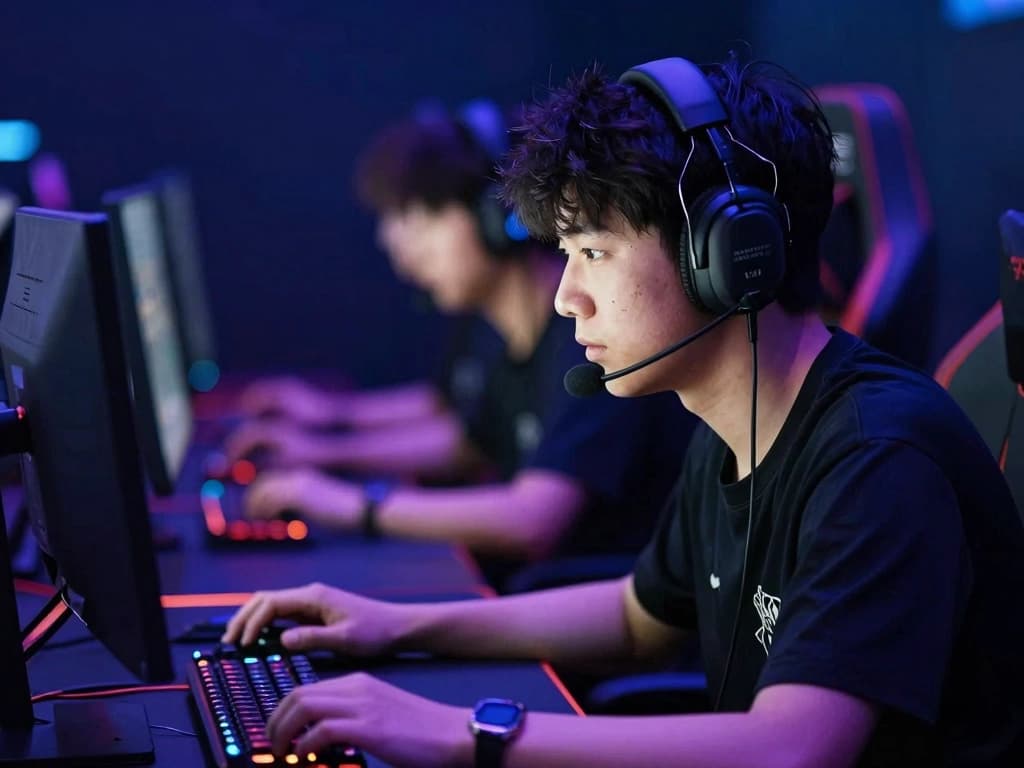
For aspiring esports players, understanding the intricacies of sponsorship deals is essential. Negotiating contracts with brands requires knowledge of market trends and the ability to showcase one’s value. Players should focus on building their personal brand, demonstrating engagement with their audience, and maintaining a professional image.
Additionally, enlisting the help of agents or legal advisors can be beneficial in navigating the complexities of sponsorship negotiations. In recent years, professional representation has become more common among esports players, ensuring that they receive fair compensation and support throughout their careers.
Challenges Faced by Esports Players
The Pressure of Performance and Mental Health
The competitive nature of esports can lead to immense pressure on players to perform consistently. This pressure can adversely affect mental health, leading to issues such as anxiety and burnout. With the spotlight on their performances, players often feel the weight of expectations from fans, sponsors, and team management.
Notable players, such as Tyler "Ninja" Blevins, have openly discussed the mental health challenges associated with high-stakes competition. Recognizing the importance of mental well-being, many organizations are now prioritizing mental health resources, offering counseling and support services to athletes.
Injuries and Their Impact on Career Longevity
Another challenge facing esports players is the risk of physical injuries, often resulting from prolonged gaming sessions and poor ergonomics. Conditions such as carpal tunnel syndrome and eye strain can hinder a player's performance and career longevity. For instance, professional players like Korean StarCraft II player Lee "INnoVation" Shin-hyung have faced career setbacks due to injuries, highlighting the importance of proper training regimens and physical health management.
To combat these issues, many players are now incorporating physical fitness routines and ergonomic setups into their daily practices, aiming to prolong their careers and maintain peak performance levels.
Market Saturation: Competition Among Players
The esports landscape is becoming increasingly competitive, with more players entering the field each year. As the market becomes saturated, standing out as a player requires exceptional skill, strategic networking, and a unique personal brand. This saturation can lead to fierce competition for limited spots on professional teams and opportunities for sponsorships.
Players must continuously adapt and improve to remain relevant, often pushing them to engage in extensive practice and training. The pressure to outperform peers can create a high-stakes environment, where only the most dedicated and talented players can thrive.
The Future of Esports Careers and Earnings Potential
Emerging Trends in Player Development
The future of esports careers is likely to see the emergence of new training methodologies and player development programs. As the industry grows, organizations are investing in coaching staff, analysts, and performance psychologists to help players reach their full potential. This shift towards a more holistic approach to player development is expected to yield higher levels of performance and career longevity.
For example, teams like Cloud9 and Fnatic have implemented structured training regimens that include not only skill development but also mental health check-ins and physical fitness training, setting a precedent for how players are nurtured in the competitive scene.
The Influence of Technology on Earnings
As technology continues to evolve, so too will the opportunities for esports players to monetize their skills. Advancements in streaming technology, virtual reality (VR), and augmented reality (AR) are paving the way for new forms of engagement with audiences. Players who embrace these technologies can find innovative ways to connect with fans and generate income.
For instance, the rise of VR esports is creating new gaming experiences that could attract larger audiences and sponsorship deals. Players who are early adopters of these technologies may find themselves at the forefront of a new wave of gaming, potentially leading to increased earnings and marketability.
Career Longevity: What Lies Ahead for Esports Athletes
Career longevity remains a significant concern for many esports players, given the industry's rapidly changing landscape. While some players have enjoyed lengthy careers, such as Lee "Faker" Sang-hyeok in League of Legends, the average career span can be relatively short, often lasting only a few years.
To combat this, players are increasingly focusing on building personal brands and alternative revenue streams, such as content creation and sponsorships. This diversification not only provides financial security but also allows players to transition into other roles within the industry, such as coaching or content creation, once their competitive careers wind down.
As the esports industry matures, it is expected that more resources will be dedicated to player development, mental health, and career sustainability, ensuring that athletes can enjoy long and fulfilling careers in the gaming world.