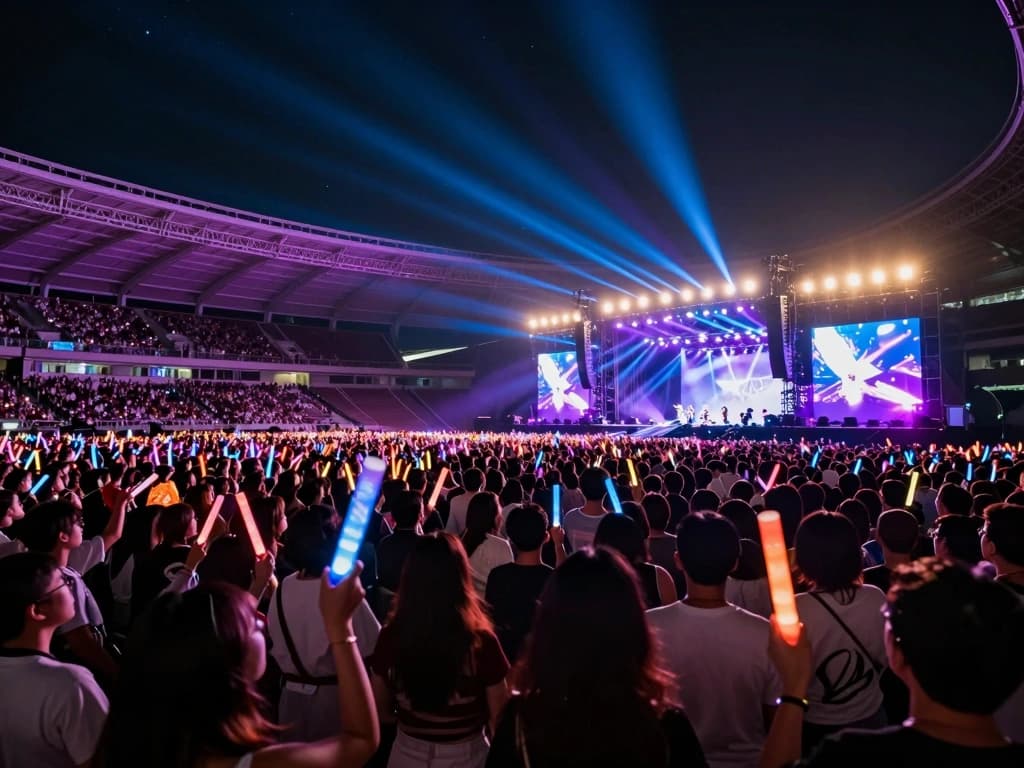
Discover the economics behind stadium concert tours and learn how they impact artists, venues, and fans. Dive into the financial dynamics of live entertainment.
The Economics Behind Stadium Concert Tours: What You Need to Know
Stadium concert tours represent one of the most lucrative segments of the music industry, generating significant revenue not just for artists, but for promoters, venues, and ancillary businesses. However, the economics of organizing such large-scale events is complex, involving substantial upfront costs and a variety of revenue streams. This article delves into the intricacies of stadium concert tours, exploring the costs involved, the revenue models that sustain them, and the challenges and risks associated with this high-stakes business.
The Cost of Organizing Stadium Concert Tours
Venue Rental and Infrastructure Costs
The first major expense in organizing a stadium concert tour is often the venue rental. Stadiums, which can accommodate tens of thousands of fans, command hefty fees for usage. For instance, renting out the iconic Wembley Stadium in London can cost upwards of £500,000 (approximately $600,000), not including additional charges for utilities and amenities.
Beyond the rental fee, infrastructure costs can include stage construction, seating arrangements, and temporary facilities such as restrooms and food stalls. For example, the construction of a state-of-the-art stage setup can run anywhere from $1 million to $5 million, depending on the complexity and technology involved. These infrastructure investments are critical, as they directly impact the fan experience and the overall production value of the concert.
Staffing and Security Expenses
Staffing is another significant cost. A large stadium concert tour can employ hundreds of individuals, including roadies, sound engineers, lighting technicians, and administrative staff. Salaries for these professionals can range from $30,000 to $150,000 per year depending on their roles and experience. For a single concert, the costs can easily exceed $100,000 for staffing alone.
Security is also a paramount concern, especially in the wake of high-profile incidents at large events. Hiring a professional security team can cost between $20,000 and $50,000 per concert, depending on the venue size and anticipated crowd. This includes not only crowd management but also screening attendees for safety.
Production and Equipment Investment
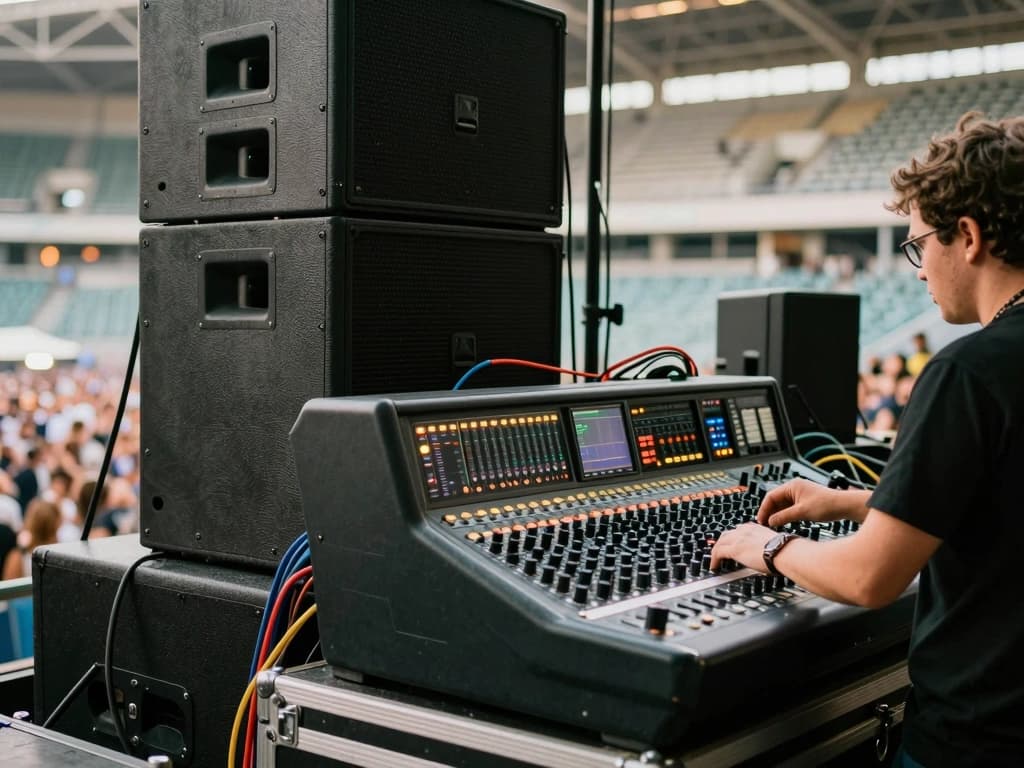
The production and equipment expenses are often among the highest for stadium concerts. High-quality sound systems, lighting rigs, and special effects equipment are essential for delivering an unforgettable experience. For instance, the sound system alone can cost over $1 million, while elaborate lighting could add another $500,000 to $2 million to the budget.
Additionally, many artists invest in unique visual elements, such as LED screens and pyrotechnics, which can further inflate production costs. Overall, total production expenses can range from $1 million to over $10 million depending on the artist's vision and the concert's scale.
Revenue Streams for Artists and Promoters
Ticket Sales and Pricing Strategies
The primary revenue source for stadium concert tours is ticket sales. Pricing strategies vary widely, with general admission tickets often starting at around $50, while VIP packages can soar to several thousand dollars. For example, Taylor Swift's “Reputation Stadium Tour” grossed over $345 million, largely driven by ticket sales, with prices sometimes exceeding $500 for premium seats.
Dynamic pricing models are increasingly popular, where ticket prices fluctuate based on demand. This strategy can maximize revenue, particularly for highly anticipated events. However, it can also lead to backlash from fans who feel priced out of attending.
Merchandising Opportunities
Merchandising provides another lucrative revenue stream. Concert-goers often purchase apparel, memorabilia, and other branded items, with profits from merchandise sales contributing significantly to an artist's earnings. On average, merchandise sales can yield $1 million to $5 million per show, depending on the artist's popularity and the variety of products offered.
For instance, a band like The Rolling Stones has generated millions in merch sales, with items such as T-shirts, hats, and limited-edition collectibles flying off the shelves. Innovative merchandise strategies, including exclusive items for each tour stop or collaborations with designers, can further enhance revenue from this stream.
Corporate Sponsorships and Partnerships
Corporate sponsorships are an increasingly important revenue source, allowing brands to reach large audiences through concert tours. Companies often pay substantial sums to have their logos featured prominently at events, on promotional materials, and even on tickets. For example, partnerships with major brands like Coca-Cola or Verizon can contribute anywhere from $100,000 to several million dollars to a tour's budget.
These partnerships are mutually beneficial, as they provide artists with additional funding while giving brands direct access to a captive audience. Moreover, sponsorship deals often come with additional promotional opportunities, such as exclusive contests or VIP experiences, further enhancing the value of the partnership.
The Role of Tour Economics in Artist Branding
Impact of Tour Scale on Artist Visibility
The scale of a concert tour significantly impacts an artist's visibility and branding. Large stadium tours not only showcase an artist's music but also enhance their public profile. For example, Beyoncé's “On the Run II Tour” was not only a musical highlight but also a cultural event, further solidifying her status as a global icon.
High-profile tours attract media attention, social media buzz, and fan engagement, contributing to an artist's narrative in the industry. This visibility can lead to increased album sales, streaming numbers, and future touring opportunities, demonstrating how tour economics play a vital role in shaping an artist's career trajectory.
Long-term Financial Implications of Touring
While the immediate financial benefits of touring are clear, the long-term implications are equally significant. Successful tours can elevate an artist's market value, allowing them to negotiate better contracts for future albums and tours. For instance, after the success of their “Divide Tour,” Ed Sheeran was able to secure a reported $60 million deal for his next album and tour, showcasing how touring can lead to increased financial stability.
Moreover, artists who consistently tour and build a loyal fanbase can enjoy lasting revenue through diversified income streams, including royalties from recorded music and licensing agreements. This long-term financial health is often contingent on the economics of touring and the ability to maintain a strong connection with fans.
Fan Engagement and Loyalty Through Live Performance
Live performances are critical for fostering fan engagement and loyalty. Concerts provide unique experiences that allow fans to connect with their favorite artists on a personal level. This emotional connection can translate into lifelong loyalty, where fans are more likely to purchase future albums, merchandise, and tickets to subsequent tours.
Artists often utilize concert tours as an opportunity to engage with fans through meet-and-greet sessions, exclusive backstage experiences, and social media interactions. For example, many artists offer special pre-sale access for fans who engage with them on social media platforms, creating a sense of community and exclusivity. This engagement not only enhances the fan experience but also contributes to the overall economic health of the artist's brand.
Market Trends Influencing Stadium Concert Tours
Shifts in Consumer Behavior and Spending
Consumer behavior has dramatically shifted in recent years, influencing how stadium concert tours are organized and marketed. With the rise of disposable income among younger demographics, there is a greater willingness to spend on experiences over material goods. According to a 2021 report, millennials and Gen Z consumers are willing to spend up to 40% of their income on experiences, including live concerts, which has led to increased demand for stadium tours.
This trend has prompted artists and promoters to adapt their marketing strategies, focusing on creating unique, immersive experiences rather than just selling tickets. For example, many tours now include elaborate pre-show activities, interactive installations, and enhanced fan engagement strategies to meet consumer expectations.
Impact of Streaming Services on Live Music Demand
The rise of streaming services has transformed the music industry, and its impact is felt in the live concert arena as well. As platforms like Spotify and Apple Music have made music more accessible, artists have seen a surge in streaming numbers, which can drive concert attendance. For instance, artists with high streaming numbers often experience increased ticket sales, as fans are more inclined to see them perform live.
However, while streaming can boost demand for live music, it can also lead to oversaturation in the market. With so many artists vying for attention, it becomes crucial for them to differentiate themselves through unique concert experiences and strategic marketing to maintain audience interest.
Globalization of Concert Tours and Its Economic Effects
The globalization of concert tours has opened up new markets for artists, enabling them to reach fans across the globe. This expansion has significant economic implications, as touring internationally can dramatically increase revenue potential. For example, major artists like Coldplay and U2 have successfully tapped into markets in Asia and South America, often grossing millions of dollars per tour stop.
However, the globalization of tours also presents challenges, such as navigating different legal and regulatory environments, cultural sensitivities, and logistical complexities. Understanding these factors is crucial for artists and promoters to maximize their economic returns while delivering successful tours.
Challenges and Risks in Stadium Concert Economics
Weather and External Factors Affecting Attendance
One of the most unpredictable challenges in stadium concerts is weather. Outdoor stadiums are susceptible to rain, storms, and extreme temperatures, which can significantly impact attendance. For instance, when the 2019 “Beyoncé and Jay-Z On the Run II Tour” faced inclement weather in New Jersey, attendance dropped by approximately 20%, resulting in substantial revenue losses.
Promoters often have contingency plans, such as postponing events or providing refunds, but these solutions do not always mitigate financial damage. In regions prone to adverse weather, securing insurance can help offset losses, though this adds another layer of cost.
Financial Risks of High Production Costs
The high production costs associated with stadium concerts pose significant financial risks. If ticket sales do not meet expectations, promoters and artists may find themselves in a precarious financial position. For instance, if a tour incurs $5 million in production and staffing costs but only sells $3 million worth of tickets, the financial fallout can be substantial.
To mitigate these risks, artists and promoters often conduct extensive market research and pre-sale campaigns to gauge demand. However, the volatility of the music industry means that even the best-laid plans can fall short, emphasizing the need for careful financial management and contingency strategies.
Legal and Regulatory Considerations for Large Events
Organizing large-scale events like stadium concerts involves navigating a myriad of legal and regulatory considerations. Permits, insurance, and compliance with local laws can create significant hurdles for promoters. For example, securing permits for large gatherings can take months, and failing to comply with local regulations can result in fines or event cancellations.
Moreover, issues such as crowd control, health and safety regulations, and accessibility for fans with disabilities must be meticulously planned and executed. Legal liabilities can pose significant risks, making it essential for promoters to work with experienced legal counsel and event coordinators to ensure compliance.
In conclusion, the economics behind stadium concert tours encompass a complex interplay of costs, revenue streams, and market dynamics. Understanding these factors is vital for artists, promoters, and stakeholders in the music industry. While the potential for profit is significant, so too are the challenges and risks associated with organizing large-scale events. By navigating these intricacies effectively, artists and promoters can create memorable experiences for fans while ensuring the economic viability of their tours.