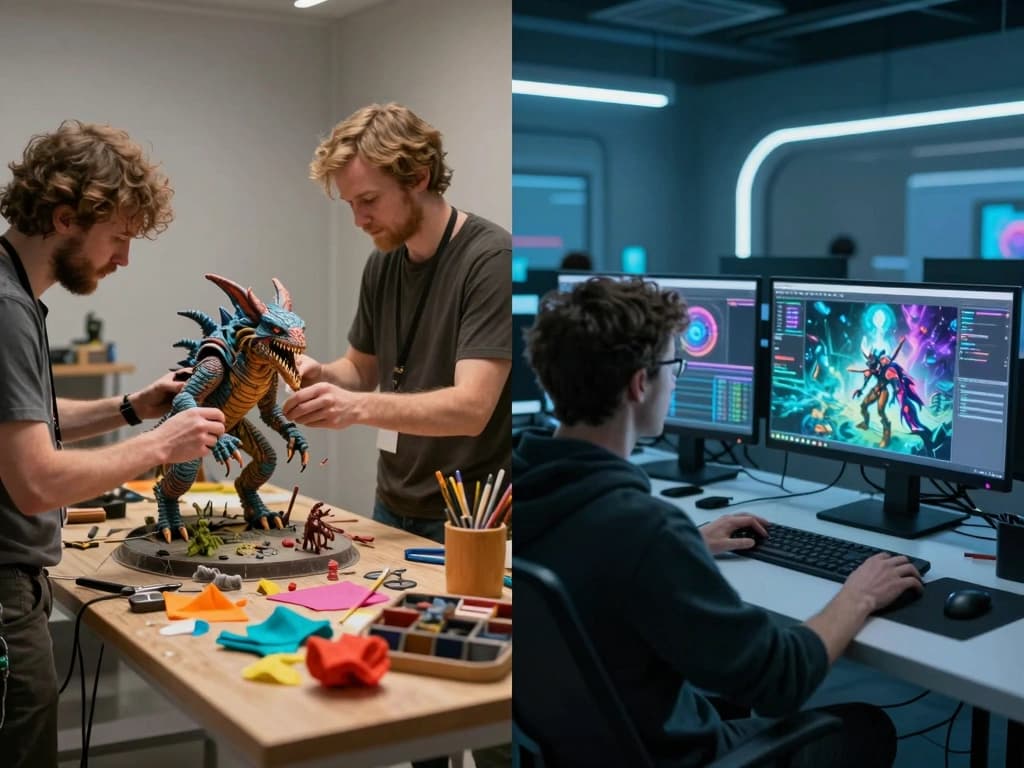
Explore the clash of practical effects and CGI in modern blockbusters. Discover how each technique shapes the cinematic experience and influences storytelling.
The Evolution of Practical Effects in Film
Historical Context and Techniques
Practical effects, often referred to as "special effects" or "physical effects," have been a cornerstone of filmmaking since the dawn of cinema. These techniques encompass a variety of methods, including models, animatronics, pyrotechnics, and makeup effects, all designed to create illusions that enhance storytelling. In the early 20th century, filmmakers like Georges Méliès pioneered the use of practical effects, employing techniques such as stop-motion and double exposure to create fantastical visuals in films like A Trip to the Moon (1902).
Throughout the decades, practical effects evolved significantly. By the 1970s and 80s, the industry saw the rise of more sophisticated techniques, such as miniatures and animatronics, with films like Star Wars (1977) showcasing groundbreaking model work and puppetry. The use of latex and silicone for creature effects became prevalent, allowing for more realistic portrayals of monsters and aliens. Notable figures like Rick Baker and Stan Winston emerged as leaders in the field, pushing the boundaries of what was possible with practical effects.
Iconic Films that Defined Practical Effects
Several films stand out as benchmarks for practical effects in cinema. Alien (1979), directed by Ridley Scott, introduced audiences to the terrifying Xenomorph, skillfully brought to life through a combination of puppetry and actor performance. Stan Winston's work on The Terminator (1984) further solidified the impact of practical effects, with the titular character's transformation featuring groundbreaking animatronics.
Another milestone was Jurassic Park (1993), which utilized a blend of animatronics and CGI, setting a new standard for visual storytelling. The film's animatronic dinosaurs crafted by Stan Winston and his team provided a tangible presence, enhancing the believability of the CGI elements. These films demonstrated how practical effects could create lasting impressions and emotional connections with the audience.
Challenges and Limitations of Practical Effects
Despite their strengths, practical effects come with inherent challenges and limitations. One significant drawback is the physical constraints of creating effects in real-world settings. For instance, large-scale explosions or complex mechanical devices require extensive planning, rehearsal, and safety considerations, which can delay production schedules and increase costs.
Additionally, practical effects can sometimes lack the flexibility and adaptability of CGI. For example, if a scene requires a sudden change in an effect, practical methods may necessitate a complete rebuild or significant modification. The time-consuming nature of these adjustments can hinder a film's pacing and overall efficiency.
The Rise of CGI in Modern Cinema
Technological Advancements in CGI
As technology progressed, computer-generated imagery (CGI) began to reshape the landscape of filmmaking. The introduction of advanced software and hardware allowed for more detailed and realistic visual effects, leading to a paradigm shift in how filmmakers approached special effects. By the late 90s, CGI had matured to a point where it could seamlessly integrate into live-action footage, as demonstrated in landmark films like Terminator 2: Judgment Day (1991), which featured groundbreaking morphing effects.
Modern CGI relies on sophisticated algorithms, rendering techniques, and motion capture technology to create lifelike characters and environments. Films like Avatar (2009) exemplified the potential of CGI, utilizing a combination of motion capture and virtual environments to create an immersive experience that captivated audiences worldwide.
Landmark Films that Transformed CGI Usage
Numerous films have played pivotal roles in establishing CGI as a staple in blockbuster filmmaking. The Matrix (1999) introduced audiences to "bullet time," a revolutionary technique that allowed for dynamic action sequences captured in stunning detail. This film's success showcased how CGI could enhance storytelling and elevate action scenes to new heights.
Similarly, Transformers (2007) demonstrated the power of CGI in portraying complex mechanical transformations. The film's use of CGI not only brought the titular robots to life but also blended seamlessly with live-action elements, setting a new standard for future blockbusters.
Benefits and Drawbacks of CGI in Filmmaking
CGI offers numerous advantages in modern filmmaking. One of its most significant benefits is the ability to create effects that would be impossible or impractical to achieve with practical methods. For example, creating vast landscapes, fantastical creatures, or destructive environments is often more feasible with CGI. Additionally, CGI allows for greater flexibility in post-production, enabling filmmakers to make adjustments or enhancements without the need for extensive reshoots.
However, CGI is not without its drawbacks. Critics argue that over-reliance on digital effects can lead to a lack of authenticity and emotional resonance in a film. The "uncanny valley" effect, where CGI characters appear lifelike yet somehow unsettling, can detract from audience immersion. Moreover, the cost of high-quality CGI can be prohibitive, especially for independent filmmakers or lower-budget productions.
Comparative Analysis: Practical Effects vs. CGI
Visual Authenticity and Audience Perception
One of the most significant debates between practical effects and CGI revolves around visual authenticity. Practical effects often provide a tangible, real-world quality that resonates with audiences. For instance, the physical presence of animatronic creatures or real explosions can evoke genuine reactions and enhance emotional engagement. Films like Mad Max: Fury Road (2015) exemplify this, utilizing practical stunts and effects to create a visceral experience that captivated viewers.
In contrast, CGI can sometimes lack the same emotional weight. While advancements in technology have allowed for increasingly realistic visuals, the absence of physicality can lead to a disconnect with the audience. The overuse of CGI in films like Star Wars: Episode I – The Phantom Menace (1999) drew criticism for its reliance on digital effects at the expense of character connection.
Cost Implications and Budget Considerations
Cost is a critical factor in the practical effects versus CGI debate. Practical effects can be labor-intensive and require specialized craftsmanship, which can escalate costs significantly. For example, the extensive work required for creating detailed prosthetics or animatronics can lead to a budget that may not be feasible for all productions.
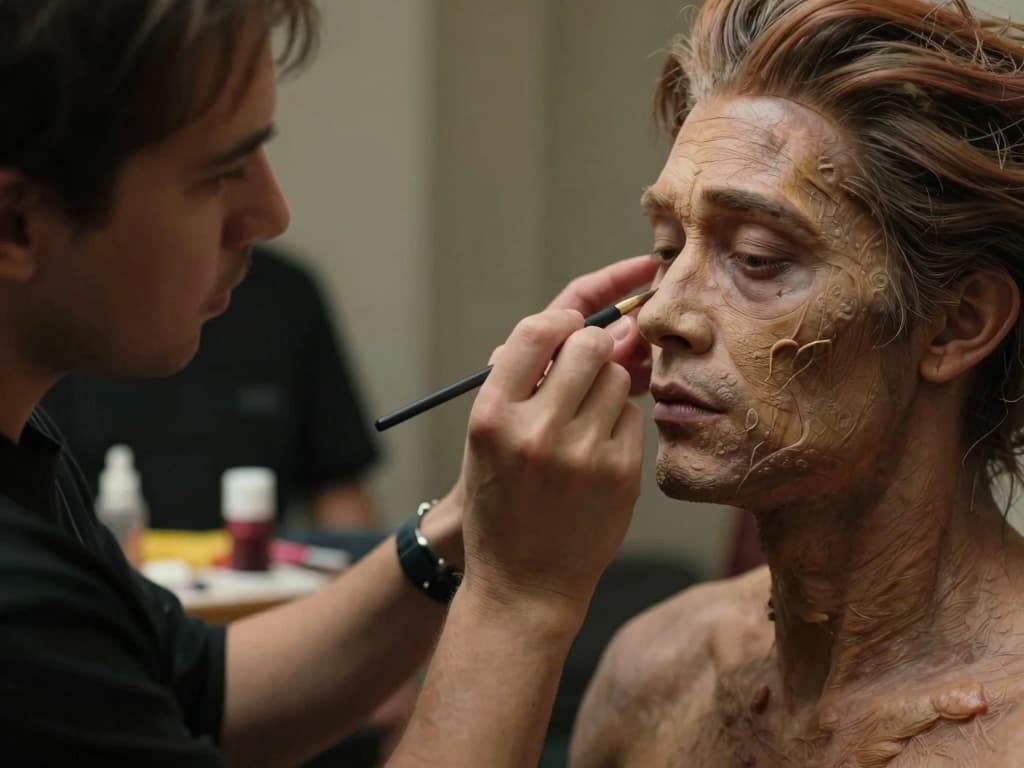
On the other hand, while CGI offers flexibility and ease of adjustment, high-quality visual effects can also be expensive. The costs associated with hiring skilled VFX artists, purchasing rendering software, and maintaining cutting-edge technology can quickly add up. As a result, filmmakers must carefully weigh their options based on budget, desired effects, and overall vision.
Creative Control and Artistic Vision
Creative control is another critical aspect of the practical effects versus CGI discussion. Practical effects often allow directors and artists to have more direct influence over the outcome, as they can manipulate physical elements on set to achieve the desired result. This hands-on approach can lead to innovative solutions and unique visual storytelling.
Conversely, CGI gives filmmakers the ability to create entirely new worlds and characters that may not be possible with practical methods alone. However, this can sometimes lead to a disconnect between the director's vision and the final product, especially if the VFX team interprets the vision differently. The collaborative nature of CGI can dilute the artistic intent, making it essential for clear communication between directors and VFX artists.
Case Studies: Successful Blends of Both Techniques
Notable Blockbusters Utilizing Hybrid Approaches
Several modern blockbusters have successfully blended practical effects with CGI to create visually stunning and emotionally resonant films. Jurassic World (2015) is a prime example, utilizing both animatronics and CGI to bring dinosaurs to life. The film’s combination of real animatronic puppets and CGI enhancements provided a sense of realism that appealed to both new audiences and fans of the original franchise.
Another successful hybrid approach can be seen in Blade Runner 2049 (2017), where practical sets and props were complemented by CGI to create a richly detailed dystopian world. The film's visual storytelling benefited from the physicality of practical effects, while CGI added depth to its environments and characters.
Directors Who Champion Practical Effects
Many directors continue to advocate for the use of practical effects in their films. Filmmakers like Christopher Nolan are known for their commitment to practical techniques, as seen in Inception (2010) and Dunkirk (2017). Nolan's insistence on using real sets and practical effects wherever possible has garnered critical acclaim and a dedicated fanbase.
Similarly, director Guillermo del Toro has made a name for himself through his innovative use of practical effects in films like Pans Labyrinth (2006) and The Shape of Water (2017). Del Toro's passion for tangible effects is evident in his work, creating visually stunning creatures and environments that resonate with audiences on a deeper level.
Fan Reactions and Critical Reception
Audience reactions to the use of practical effects versus CGI can significantly influence a film's reception. Films that prioritize practical effects often receive praise for their authenticity and craftsmanship. For example, Mad Max: Fury Road was lauded for its practical stunts and effects, earning six Academy Awards and establishing a new benchmark for action films.
Conversely, films that rely heavily on CGI can face backlash if audiences perceive the effects as less engaging or believable. The mixed reactions to Star Wars: The Rise of Skywalker (2019), which included both practical and CGI elements, highlight the complexities of audience expectations in a world increasingly driven by digital effects.
The Future of Effects in Blockbuster Filmmaking
Emerging Technologies and Their Potential Impact
The future of practical effects and CGI is poised for exciting developments, driven by emerging technologies such as virtual reality (VR) and augmented reality (AR). These technologies offer filmmakers new tools for storytelling and visual effects, allowing for immersive experiences that blend the physical and digital worlds. VR has the potential to revolutionize how audiences engage with films, creating interactive narratives that challenge traditional storytelling methods.
Additionally, advancements in AI and machine learning are set to enhance CGI capabilities, making it easier to create lifelike characters and environments. As these technologies evolve, filmmakers may find new ways to combine practical effects with digital enhancements, leading to more innovative visual storytelling.
Audience Expectations and Trends in Film
As audiences become increasingly discerning about visual effects, expectations will continue to shape the industry. Viewers often seek authenticity and immersion in their cinematic experiences, leading to a demand for films that strike a balance between practical and CGI effects. Blockbusters that successfully blend these techniques, like Avatar: The Way of Water (2022), highlight the potential for future successes in this area.
Furthermore, the rise of streaming platforms has altered audience consumption habits, with viewers becoming more receptive to diverse storytelling approaches. This shift may encourage filmmakers to experiment with practical effects and CGI in new ways, catering to evolving tastes and preferences.
The Ongoing Debate: Will Practical Effects Make a Comeback?
The debate over the role of practical effects versus CGI in modern blockbusters is likely to persist. While CGI has provided filmmakers with unprecedented creative opportunities, the tactile nature of practical effects continues to resonate with audiences. As filmmakers seek to create immersive experiences, the challenge will be finding the right balance between these two techniques.
Ultimately, the future of effects in blockbuster filmmaking will depend on the industry’s willingness to innovate while honoring the craftsmanship and artistry of traditional methods. As new technologies emerge and audience expectations evolve, the blend of practical effects and CGI may lead to a new era of visual storytelling that captivates and engages viewers in ways previously thought impossible.