Discover the essential startup cost breakdown for private label cosmetics and learn how to achieve success in the competitive ecommerce market.
Understanding Private Label Cosmetics: An Overview
Definition of Private Label Cosmetics
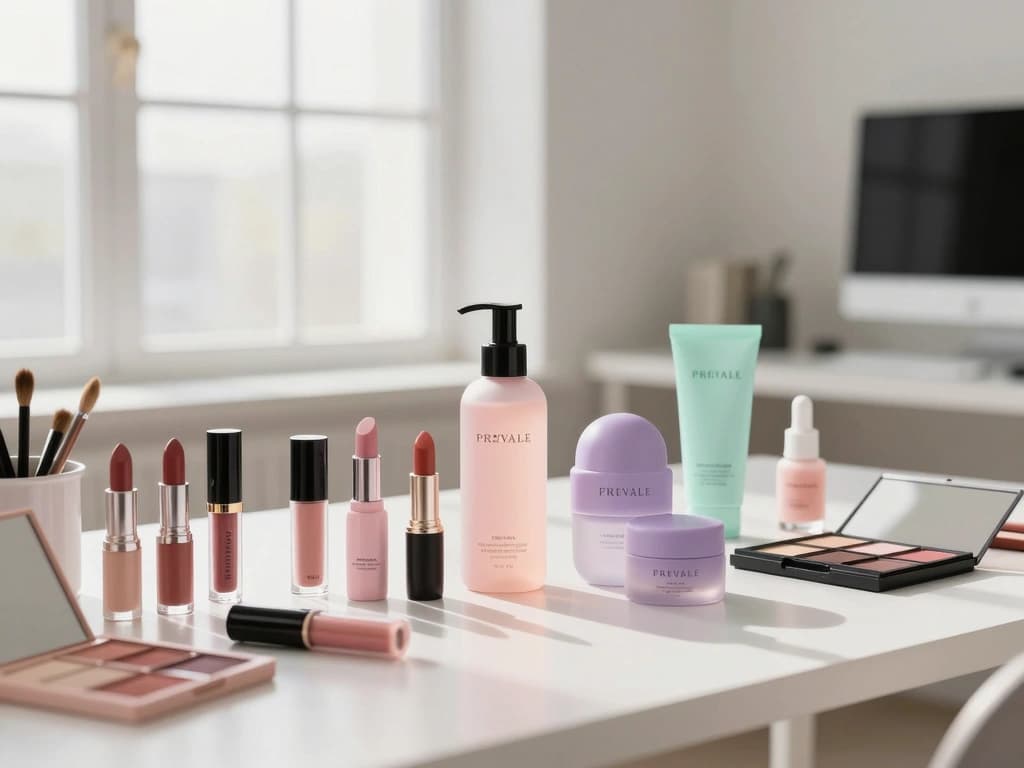
Private label cosmetics refer to beauty products that are manufactured by one company but branded and sold by another. These products can range from skincare, makeup, hair care, to personal care items. In this arrangement, the retailer controls the brand and marketing, while the manufacturer handles production. This approach allows businesses to create unique products without the overhead costs of developing them from scratch.
Benefits of Starting a Private Label Brand
Starting a private label cosmetics brand comes with several advantages:
- Brand Control: With private labeling, you have complete control over your brand identity, product formulation, and marketing strategies.
- Higher Profit Margins: By eliminating middlemen, retailers can enjoy higher profit margins compared to selling branded products.
- Customization: You can tailor products to meet the specific needs of your target market, allowing for more personalized offerings.
- Market Flexibility: As consumer preferences change, private label brands can quickly adapt their product lines without significant investment.
Market Trends in Private Label Cosmetics
The private label cosmetics market has been experiencing robust growth, driven by a surge in consumer demand for unique and high-quality products. According to market research, the global private label cosmetics market was valued at approximately $22 billion in 2022, with projections to reach $36 billion by 2028. Key trends include:
- Sustainability: Consumers are increasingly seeking eco-friendly and cruelty-free products, prompting private label brands to adopt sustainable practices.
- Online Shopping: The rise of e-commerce has made it easier for private label brands to reach consumers directly, bypassing traditional retail channels.
- Personalization: Brands are offering customizable products, allowing consumers to create items that cater to their specific needs.
Initial Costs: Product Development and Formulation
Research and Development Expenses
The initial phase of launching a private label cosmetics brand often involves significant investment in research and development (R&D). This includes:
- Market Research: Understanding consumer preferences and trends can cost anywhere from $1,000 to $10,000, depending on the depth of analysis.
- Formulation Development: Creating a unique formulation might require working with a cosmetic chemist, which can cost between $5,000 to $15,000.
- Testing and Compliance: Ensuring your products are safe and compliant with regulations can add another $2,000 to $5,000 to your budget.
Ingredient Sourcing and Quality Control
Quality ingredients are vital for the success of any cosmetics brand. Sourcing high-quality ingredients can vary in cost, but here are some key considerations:
- Ingredient Costs: Premium ingredients can cost anywhere from $10 to $200 per kilogram, depending on their rarity and quality.
- Quality Control Testing: Regular testing for safety and efficacy may range from $1,000 to $5,000 annually, depending on the number of products and tests required.
Packaging Design and Prototyping Costs
Packaging is crucial in cosmetics, as it not only protects the product but also plays a significant role in branding. The costs associated with packaging include:
- Design Costs: Hiring a professional designer can cost between $500 to $5,000, depending on the complexity of your packaging.
- Prototyping: Creating prototypes for packaging can range from $1,000 to $3,000, allowing you to test various designs before mass production.
Manufacturing Expenses: Production and Minimum Order Quantities
Choosing the Right Manufacturer
Selecting a manufacturer is one of the most critical steps in launching a private label cosmetics brand. The cost implications can vary widely based on several factors:
- Location: Manufacturers in regions like Asia may offer lower costs, but shipping and tariffs should be considered.
- Capabilities: Some manufacturers specialize in certain product types and may charge premiums for their expertise. Cost can be anywhere from $0.50 to $5 per unit depending on the complexity of the product.
Understanding Minimum Order Quantities (MOQs)
Most manufacturers have a minimum order quantity that can significantly impact your startup costs. Here are some points to consider:
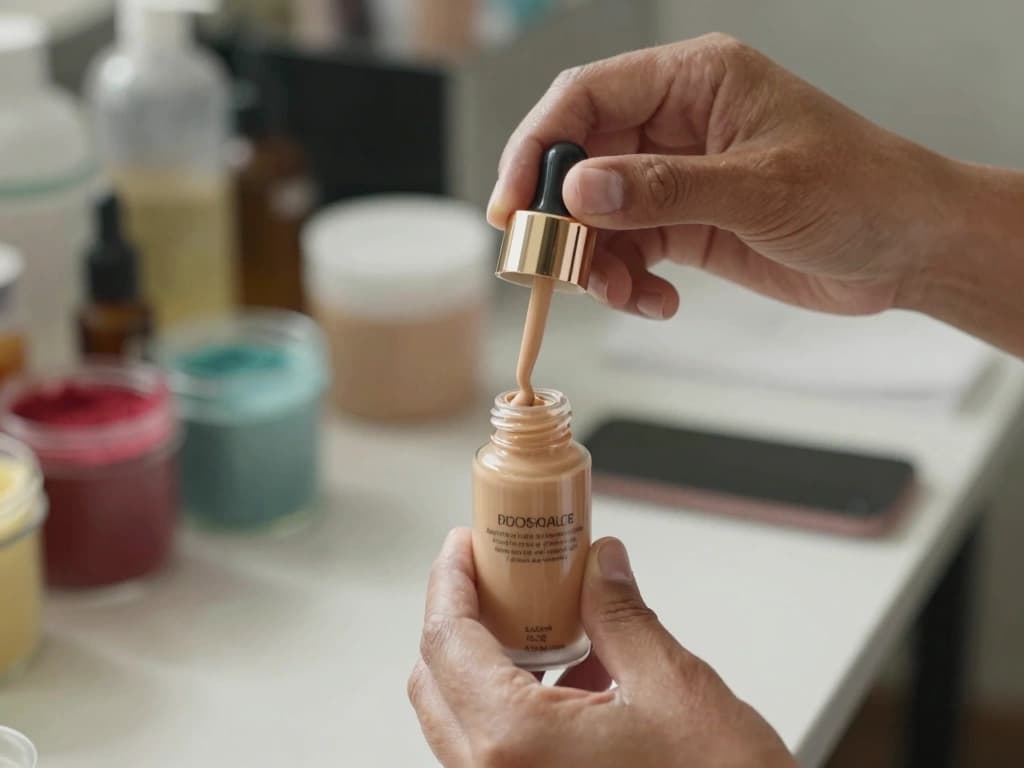
- Typical MOQs: Many manufacturers require MOQs of 500 to 1,000 units, which can cost anywhere from $2,000 to $10,000 upfront.
- Negotiation: It's possible to negotiate MOQs with manufacturers, especially if you are willing to pay a higher per-unit cost for smaller batches.
Cost Implications of Small Batch vs. Large Scale Production
Producing in small batches can be beneficial for startups, but it often comes with higher per-unit costs. Here’s how the numbers break down:
- Small Batch Production: Costs can be as high as $5 to $10 per unit, making it feasible for initial launches but strained for long-term profitability.
- Large Scale Production: Larger orders can reduce costs to as low as $1 to $2 per unit, enhancing profit margins but requiring significant upfront investment.
Marketing and Branding Costs: Building Your Identity
Brand Development and Logo Design
Creating a strong brand identity is essential in the competitive cosmetics industry. Marketing costs can include:
- Brand Strategy Development: Hiring a branding consultant can cost between $1,000 to $10,000, depending on their experience.
- Logo Design: Professional logo design services typically range from $300 to $2,000.
Website Development and E-commerce Setup
In today's digital age, an effective online presence is crucial for private label cosmetics brands. Costs associated with this may include:
- Website Development: Building a professional e-commerce website can cost between $2,000 to $10,000, depending on the features and complexity.
- Hosting and Maintenance: Ongoing costs for website hosting and maintenance can range from $20 to $200 per month.
Digital Marketing Strategies and Advertising Budgets
Once your products are ready for market, a solid marketing strategy is essential. Here’s a breakdown of potential costs:
- Social Media Advertising: Platforms like Instagram and Facebook may require a monthly budget of $500 to $5,000 to generate traction.
- Influencer Marketing: Collaborating with influencers can cost anywhere from $100 to $10,000 per post, depending on their follower count and engagement rate.
Operational Costs: Running Your Private Label Business
Inventory Management and Storage Solutions
As your business grows, effectively managing inventory becomes crucial. Consider the following costs:
- Warehousing Costs: Renting warehouse space can vary greatly, typically costing between $0.75 to $2.50 per square foot per month, depending on location.
- Inventory Management Software: Investing in software solutions can range from $20 to $200 per month, helping streamline operations.
Shipping, Fulfillment, and Logistics Expenses
Shipping and logistics are critical for delivering products to customers. Costs to consider include:
- Shipping Costs: Depending on weight and destination, shipping can range from $5 to $20 per package.
- Fulfillment Services: Outsourcing fulfillment can cost around $1 to $5 per order, depending on the complexity of the service required.
Ongoing Compliance and Regulatory Costs
Remaining compliant with industry regulations is vital for any cosmetics brand. Costs can include:
- Regulatory Fees: Compliance with FDA regulations in the U.S. may require fees ranging from $1,000 to $5,000 annually.
- Insurance: Liability insurance for your cosmetics business typically costs between $500 to $2,000 per year, depending on coverage.
Conclusion
Starting a private label cosmetics brand can be a lucrative venture if approached with careful planning and consideration of costs. By understanding the various expenses involved in product development, manufacturing, marketing, and operations, entrepreneurs can better prepare for success. A well-structured budget and a clear roadmap will help navigate the complexities of entering the cosmetics market, paving the way for a competitive and profitable business.