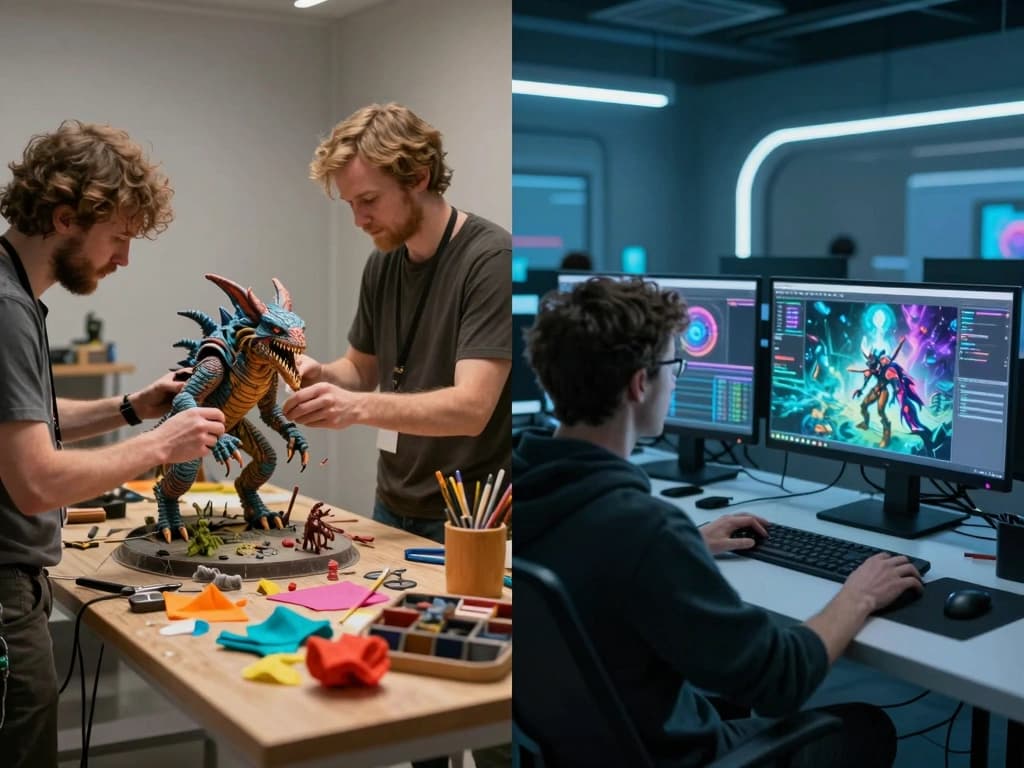
Explore the debate between practical effects and CGI in modern blockbusters. Discover which technique takes the lead in captivating audiences today.
The Evolution of Visual Effects in Cinema
Historical Context of Practical Effects
From the early days of cinema, visual storytelling has relied heavily on practical effects to create immersive worlds. The limitations of technology during the silent film era forced filmmakers to innovate, leading to the development of techniques such as stop-motion animation, miniatures, and animatronics. Iconic examples include Georges Méliès, whose 1902 film A Trip to the Moon utilized practical effects like staged sets and painted backdrops to bring fantastical stories to life.
As the decades progressed, films like King Kong (1933) showcased the power of practical effects through stop-motion animation combined with live-action sequences. The use of models and puppetry continued to evolve, reaching new heights with films like Star Wars (1977), which integrated miniatures and puppetry to create a visually stunning universe.
The Rise of CGI in Film
The 1990s marked a pivotal turning point in visual effects with the introduction of computer-generated imagery (CGI). Jurassic Park (1993) was a groundbreaking film that demonstrated the potential of CGI by seamlessly integrating lifelike dinosaurs into live-action footage. This film set a new standard for visual effects, showing that CGI could create creatures and environments previously unimaginable.
As technology advanced, CGI became more accessible to filmmakers. The early 2000s saw the release of The Lord of the Rings trilogy, which made extensive use of CGI to create epic battle scenes and fantastical creatures. The success of these films solidified CGI as a dominant force in modern filmmaking, leading to an explosion of its use in various genres.
Transition Period: Blending Techniques
While CGI emerged as a powerful tool, many filmmakers recognized the value of practical effects and began to blend the two techniques. This transition period is exemplified by films like Avatar (2009), which utilized motion capture technology alongside practical effects to create a fully realized alien world. The combination of tangible sets and CGI allowed for a greater sense of immersion, appealing to audiences seeking authenticity.
The fusion of practical effects and CGI has led to notable successes, as seen in Mad Max: Fury Road (2015), where director George Miller employed real stunts and practical effects alongside CGI enhancements to create a visceral viewing experience. This approach exemplified how the two techniques could coexist, each enhancing the other to produce visually stunning results.
Practical Effects: The Art of Tangibility
Craftsmanship in Practical Effects
Practical effects are rooted in craftsmanship, requiring skilled artisans and technicians who specialize in various disciplines such as sculpting, painting, and animatronics. The tactile nature of practical effects allows for a physical presence on set, giving actors real objects to interact with, which can enhance performances. This hands-on approach fosters a unique atmosphere on set, where creativity can flourish.
Techniques such as prosthetic makeup and animatronics can create lifelike characters that resonate with audiences on an emotional level. For instance, Rick Baker’s work in An American Werewolf in London (1981), which featured groundbreaking makeup effects, earned him the first-ever Academy Award for Best Makeup, showcasing the artistry involved in practical effects.
Iconic Films Utilizing Practical Effects
Several films stand out for their innovative use of practical effects, leaving a lasting impact on the industry. Terminator 2: Judgment Day (1991) utilized a combination of animatronics and puppetry to create the iconic T-800 character, while Alien (1979) relied on elaborate practical effects to bring the terrifying xenomorph to life. The craftsmanship behind these effects is not only impressive but also serves to enhance the narrative by grounding fantastical elements in reality.
Recent films like The Shape of Water (2017) also highlight the power of practical effects, utilizing creature suits and animatronics to create a believable and emotionally engaging character. This trend reaffirms the importance of practical effects in storytelling, as they often evoke a sense of authenticity that CGI struggles to replicate.
Audience Perception of Realism
Research indicates that audiences often respond more positively to practical effects, perceiving them as more realistic and immersive than CGI. A study published in The Journal of Media Psychology found that viewers exhibited a stronger emotional response to practical effects, likely due to their tangible nature and the craftsmanship involved in their creation. This emotional engagement can significantly enhance the overall viewing experience, as audiences connect more deeply with the characters and story.
Moreover, practical effects often carry a sense of nostalgia for filmgoers, harkening back to the golden age of cinema. This connection can influence audience preferences, leading many to favor films that prioritize practical effects over those that rely heavily on CGI.
CGI: The New Frontier of Imagination
Technological Advancements in CGI
The rapid evolution of CGI technology has transformed the film industry, allowing filmmakers to bring their most ambitious visions to life. Innovations such as photorealistic rendering, advanced motion capture techniques, and AI-driven animations have enabled the creation of breathtaking visuals that were once deemed impossible. The advent of software like AUTODESK Maya and SideFX Houdini has provided artists with powerful tools to create intricate and detailed CGI elements.
Recent advancements have also seen the integration of virtual reality (VR) and augmented reality (AR) in filmmaking, pushing the boundaries of storytelling. For instance, Marvel Studios has successfully utilized CGI to create entire worlds and characters, such as Thanos in Avengers: Infinity War (2018), showcasing the potential of CGI to enhance cinematic storytelling.
Notable CGI Breakthroughs in Blockbusters
Numerous blockbusters have demonstrated the power of CGI, leading to groundbreaking visual experiences. Avatar (2009) revolutionized the use of CGI in film, becoming the highest-grossing film of all time with its stunning visuals and immersive world-building. The film's combination of CGI and 3D technology set a new standard in the industry, influencing countless films that followed.

Similarly, Spider-Man: Into the Spider-Verse (2018) broke new ground in animation by employing a unique blend of CGI and comic-book aesthetics, earning widespread acclaim for its innovative visual style. These films illustrate how CGI can push creative boundaries and open up new storytelling possibilities, captivating audiences in ways that practical effects alone may not achieve.
Challenges of Over-Reliance on CGI
Despite its many advantages, the over-reliance on CGI can lead to drawbacks in filmmaking. A common criticism is that excessive CGI can create a disconnect between the audience and the story, as viewers may struggle to engage with characters and settings that lack physical presence. The reliance on digital effects can also result in a lack of authenticity, leading to a perception of artificiality.
Films like Transformers (2007) and Justice League (2017) have faced backlash for their heavy reliance on CGI, with audiences expressing dissatisfaction over the lack of tangible elements. This highlights the importance of finding a balance between CGI and practical effects to ensure a cohesive and engaging viewing experience.
The Impact on Storytelling and Immersion
How Practical Effects Enhance Narrative Depth
Practical effects contribute significantly to narrative depth by providing a tactile experience that enhances storytelling. When characters interact with physical objects, it fosters a sense of realism that draws audiences into the world of the film. The use of practical effects has been particularly effective in horror films, where the physical presence of monsters or supernatural elements heightens tension and fear.
A prime example is The Thing (1982), where practical effects created grotesque transformations that left a lasting impression on audiences. The visceral nature of these effects not only serves to shock but also deepens the emotional stakes of the narrative, making it more impactful.
CGI's Role in Expanding Storytelling Possibilities
CGI has transformed the landscape of storytelling by allowing filmmakers to explore imaginative realms and create complex narratives that would be impossible with practical effects alone. The ability to create expansive worlds and fantastical creatures has opened up new avenues for storytelling, enabling filmmakers to push the boundaries of creativity.
For instance, films like Inception (2010) and Doctor Strange (2016) utilize CGI to create mind-bending visuals that enhance the narrative's complexity. These films showcase how CGI can complement storytelling by visualizing abstract concepts and ideas, enriching the overall experience for audiences.
Audience Engagement: Immersion Through Effects
Both practical effects and CGI play crucial roles in audience engagement, but they do so in different ways. Practical effects often elicit a sense of nostalgia and authenticity, creating a visceral connection with viewers. Conversely, CGI allows for the exploration of fantastical elements that captivate audiences' imaginations.
Films that successfully combine both techniques tend to create the most immersive experiences. For example, Star Wars: The Force Awakens (2015) employed practical sets and creatures alongside CGI to create a rich and engaging universe, appealing to both longtime fans and new audiences alike. This balance of effects fosters a deeper connection with the story, enhancing the overall cinematic experience.
Future Trends: A Hybrid Approach
Emerging Technologies in Visual Effects
The future of visual effects in cinema is likely to be characterized by a hybrid approach that combines the strengths of both practical effects and CGI. Emerging technologies, such as real-time rendering and virtual production techniques, are revolutionizing the way filmmakers create visual content. The use of LED screens for backgrounds, as seen in The Mandalorian (2019), allows for seamless integration of live-action and CGI, enhancing the realism of the final product.
As technology continues to advance, the potential for innovative storytelling will expand, allowing filmmakers to explore new creative avenues and push the boundaries of imagination.
Filmmakers' Perspectives on Practical vs. CGI
Filmmakers are increasingly recognizing the value of both practical effects and CGI, often advocating for a balanced approach. Renowned directors like Christopher Nolan and Guillermo del Toro emphasize the importance of practical effects in creating immersive experiences, while also acknowledging the capabilities of CGI to enhance storytelling.
This perspective is evident in films like Dunkirk (2017), where Nolan used practical effects to create realistic battle scenes, while employing CGI for specific enhancements. Such hybrid approaches are becoming more common, as filmmakers strive to achieve a balance that resonates with audiences.
Predictions for the Next Generation of Blockbusters
As the film industry continues to evolve, the next generation of blockbusters is likely to feature an innovative blend of practical effects and CGI. Filmmakers will increasingly experiment with new technologies and techniques to create immersive experiences that challenge traditional storytelling methods.
With the rise of virtual reality and interactive storytelling, audiences may soon experience films in ways that blur the lines between viewer and participant. This shift could revolutionize the viewing experience and redefine how stories are told in cinema.