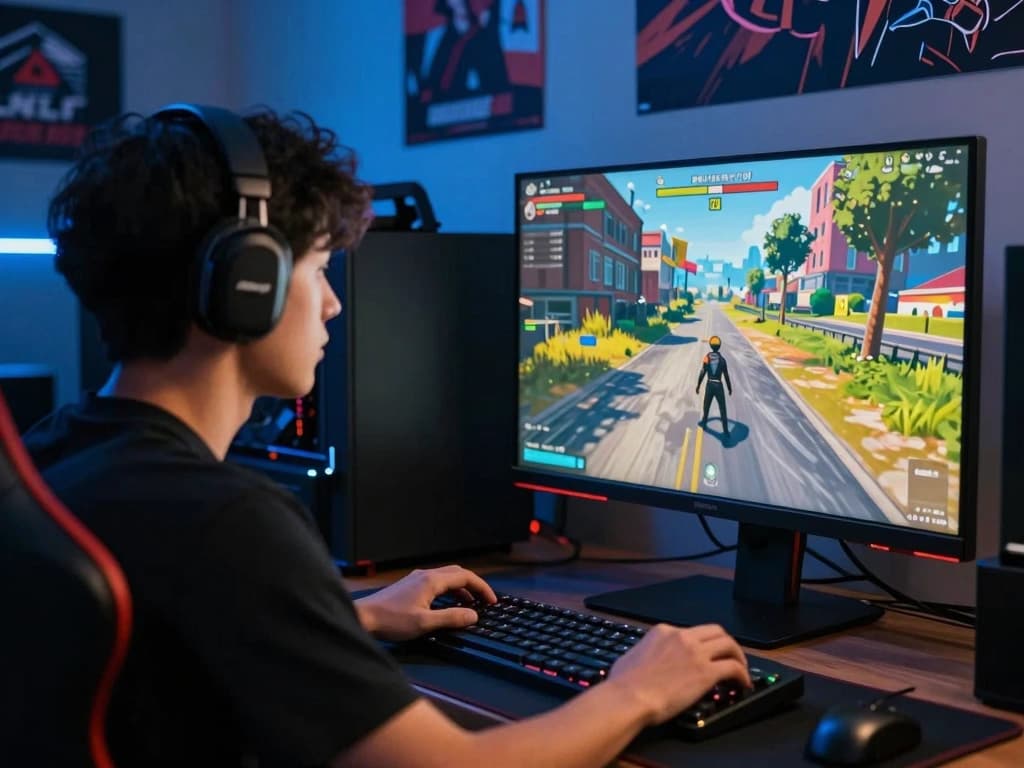
Unlock your speedrunning potential with our guide to mastering frame-perfect tricks. Learn techniques that will take your gameplay to the next level!
Understanding Frame Timing in Speedrunning
The Basics of Frame Rate
Frame rate, often measured in frames per second (FPS), is a crucial concept in speedrunning that defines how many distinct images are displayed in one second. For most games, a standard frame rate is 30 or 60 FPS, meaning that each frame is displayed for 33.33 milliseconds (ms) or 16.67 ms, respectively. In the context of speedrunning, understanding frame timing is essential because it serves as the foundation for executing frame-perfect tricks, which require precise timing down to the millisecond.
Importance of Frame Precision
Frame precision can be the difference between a successful run and a failed attempt. Many games feature mechanics that can only be executed during specific frames. For example, jumping or initiating an action at the exact moment a character lands can unlock advanced movement techniques or glitches that save significant time. The precision required for these tricks is often so fine that even a single frame of delay can lead to failure. Consequently, mastering frame timing is a fundamental skill for any aspiring speedrunner.
Measuring Frame Data
To measure frame data effectively, speedrunners often rely on tools that allow them to extract frame-by-frame analysis of gameplay. This data is critical for understanding the timing of actions and their interactions within the game environment. Tools such as frame counters and video capture software can help analyze gameplay in detail, allowing speedrunners to identify potential frame-perfect opportunities.
Tools and Techniques for Discovering Frame-Perfect Tricks
Using Emulators for Frame Analysis
Emulators like BizHawk and SNES9x have become invaluable resources for speedrunners seeking to discover frame-perfect tricks. These emulators typically offer features that allow users to run games at various speeds and analyze the frame data with pinpoint accuracy. For instance, BizHawk includes a frame advance feature that lets players step through the game one frame at a time, making it easier to experiment with different inputs and timings.
Frame Advance Features in Tools
Frame advance features are among the most powerful tools in a speedrunner's arsenal. By using frame advance, players can pause the game and manually advance through each frame, testing various inputs to determine the exact timing needed for frame-perfect tricks. This is particularly useful in games like Super Mario 64, where tricks such as the "Backwards Long Jump" require precise timing to initiate and execute correctly. The ability to meticulously analyze frame data allows runners to refine their techniques and optimize their strategies.
Community-Developed Software Solutions
The speedrunning community has created various software tools tailored specifically for finding and executing frame-perfect tricks. Tools like LiveSplit not only provide real-time split and timing information but also integrate with emulators to display frame data during gameplay. Additionally, tools like RTA (Real-Time Attack) Timer offer features that help runners track their performance and identify areas needing improvement, facilitating the discovery of tricks that may not be immediately obvious.
Common Frame-Perfect Tricks in Popular Games
Examples from Iconic Speedruns
Many iconic speedruns are defined by their use of frame-perfect tricks. For instance, in The Legend of Zelda: Ocarina of Time, the "Wrong Warp" technique allows players to skip large portions of the game by manipulating the game's memory through precise actions. Similarly, in Super Mario Odyssey, players use a trick called "Cappy's Capture" to perform a sequence of jumps and captures that can only be executed with frame-perfect timing, leading to significant time savings. These examples illustrate how mastering frame-perfect tricks can dramatically alter the landscape of speedrunning in popular titles.
Game-Specific Mechanics and Their Exploits
Different games have unique mechanics that lend themselves to frame-perfect exploits. In Celeste, for instance, players can perform "dash cancels" that require them to execute a dash while landing on a platform at the exact moment. Timing these actions down to the frame allows players to maintain speed and momentum, creating opportunities to traverse levels in record time. Understanding these mechanics is essential for speedrunners aiming to maximize their efficiency.
Analyzing Trick Execution Across Titles
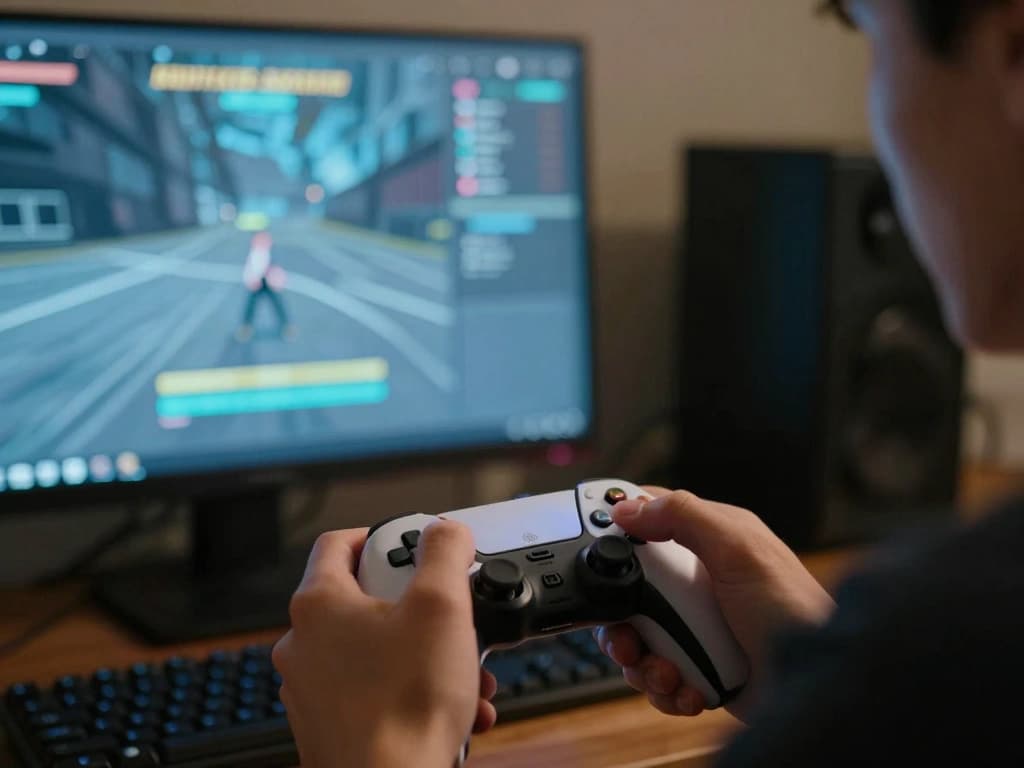
Analyzing trick execution across various titles reveals common patterns in how frame-perfect tricks are discovered. For example, many games allow for manipulation of hitboxes or movement mechanics that can be exploited with precise timing. By studying successful runs and dissecting the techniques used, aspiring speedrunners can adopt strategies from one game and apply similar principles to others, enhancing their overall skill set.
The Role of Community and Collaboration
Forums and Discussion Boards
The speedrunning community thrives on collaboration and the sharing of knowledge. Forums like Speedrun.com and subreddits dedicated to specific games provide platforms for runners to discuss frame-perfect tricks, share discoveries, and seek advice. These discussions often lead to breakthroughs in understanding game mechanics and identifying new tricks that can be exploited for speedrunning.
Collaborative Tool Development
Collaboration extends beyond discussion; the community actively engages in developing tools that aid in the discovery and execution of frame-perfect tricks. Many speedrunners possess programming skills and contribute to open-source projects, creating tools that benefit the entire community. For example, tools that analyze input lag, character hitboxes, and frame data continue to evolve based on community feedback, leading to improved techniques and strategies.
Sharing Discoveries through Streams and Videos
Streaming platforms like Twitch and video-sharing sites like YouTube play a crucial role in disseminating knowledge about frame-perfect tricks. Speedrunners often share their attempts, showcasing new techniques and strategies in real-time. These streams serve as educational resources, allowing viewers to learn from the execution of frame-perfect tricks and understand the nuances involved. Moreover, many speedrunners create tutorial videos that break down specific techniques, further enriching the community's knowledge base.
Strategies for Practicing Frame-Perfect Tricks
Setting Up a Training Environment
To practice frame-perfect tricks effectively, speedrunners must set up an optimal training environment. This includes using emulators with frame advance capabilities, ensuring low input lag, and utilizing recording software to review their performance. By creating an environment conducive to practice, runners can focus on refining their timing and execution without the distractions found in a live gameplay setting.
Drills for Improving Timing
Timing drills are essential for mastering frame-perfect tricks. Speedrunners often develop specific drills that isolate the actions required for a trick, allowing them to practice repeatedly without the pressure of a full run. For example, a runner may focus on executing a jump at the exact moment a character lands, gradually increasing their speed and complexity as they become more comfortable with the timing. Consistent practice with focused drills helps solidify muscle memory, making it easier to execute tricks during actual runs.
Feedback and Iteration on Technique
Feedback is a critical component of mastering frame-perfect tricks. Many speedrunners record their practice sessions and review the footage to identify areas for improvement. By analyzing their execution frame by frame, they can pinpoint where their timing falters and make necessary adjustments. Iteration is key; refining technique through repeated practice and analysis leads to increased proficiency over time.