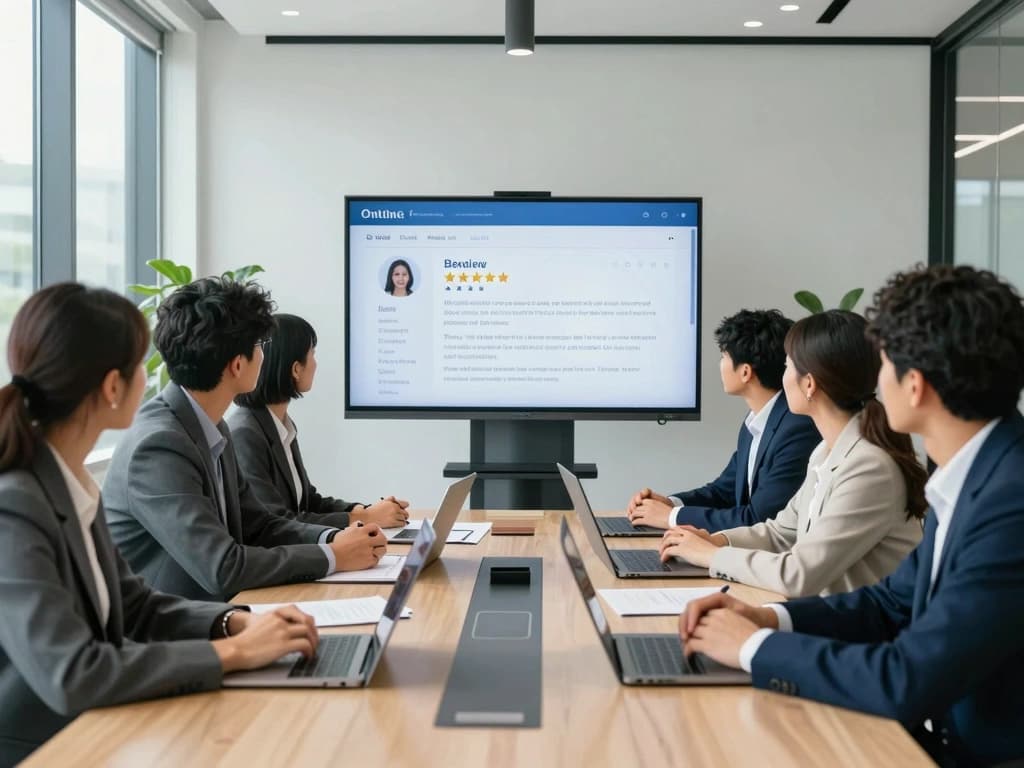
Learn how to respond professionally to negative online reviews and protect your business reputation. Enhance customer trust with effective communication strategies.
Understanding the Impact of Negative Online Reviews
In a digital age where consumers rely heavily on online feedback, negative reviews can significantly affect a business's reputation. Understanding the implications of these reviews is crucial for any company seeking to maintain a positive online presence.
The Psychological Effect on Consumers
Negative reviews can have a profound psychological effect on potential customers. Research indicates that approximately 93% of consumers read online reviews before making a purchase decision. A single negative review can deter potential buyers, causing them to choose a competitor instead. For example, a study by BrightLocal found that 87% of consumers would not consider a business with a rating of 2 stars or lower.
Moreover, negative reviews can create a sense of distrust. Consumers are inherently cautious and will often perceive a business with negative feedback as less credible. This scenario can lead to a cycle where negative reviews not only dissuade new customers but also contribute to a lack of loyalty among existing clients.
How Reviews Influence Brand Reputation
Brand reputation is intricately linked to customer perceptions shaped by online reviews. A business’s reputation can be significantly impacted by a handful of negative reviews. A survey by Podium indicates that 68% of consumers will look at a business’s reviews before visiting or making a purchase. This means that even a few negative comments can overshadow positive feedback, leading to a skewed perception of the brand.
For instance, consider a restaurant that, despite having a majority of positive reviews, receives a few negative ones regarding service or food quality. Potential diners may focus on these negative reviews, leading them to perceive the restaurant as subpar, regardless of its overall quality.
The Long-term Consequences of Ignoring Feedback
Ignoring negative feedback can have dire long-term consequences. Businesses that fail to address negative reviews risk losing not only current customers but also potential new ones. According to a study by ReviewTrackers, 53% of customers expect businesses to respond to negative reviews within a week, and 63% of consumers are more likely to check out a business that responds to reviews.
Furthermore, a lack of engagement can lead to an erosion of customer trust. If customers feel that their concerns are being ignored, they may share their negative experiences with others, amplifying the impact of the original review. This can create a cascading effect, resulting in a tarnished reputation and reduced customer retention.
Crafting a Thoughtful Response Strategy
A well-defined response strategy is essential for handling negative reviews effectively. This strategy should encompass assessment, protocol establishment, and guidelines for engaging in private conversations.
Assessing the Review's Content and Tone
Before crafting a response, it’s vital to assess both the content and tone of the review. Determine whether the feedback is constructive or simply a vent of frustration. For instance, if a customer mentions specific issues such as long wait times or poor product quality, these points should be addressed directly in the response.
Additionally, consider the tone of the review. A highly emotional review may require a more empathetic response, while a straightforward critique may need a more factual approach. For example, responding to an emotional review with a calm and collected tone can help de-escalate the situation.
Establishing a Response Protocol for Your Team
Creating a response protocol ensures consistency and professionalism in handling negative reviews. This protocol should include guidelines on the following:
- Who is responsible for responding to reviews?
- How quickly should responses be made?
- The tone and language to be used in replies.
- Escalation procedures for particularly severe complaints.
For instance, a small business might assign the task of responding to reviews to a dedicated customer service representative. This ensures that responses are timely and aligned with the company's voice.
Determining When to Take Conversations Offline
In some cases, it may be necessary to move the conversation offline. If a reviewer expresses dissatisfaction that involves sensitive information, such as personal details or significant complaints, it is best to respond publicly by acknowledging their concerns and inviting them to discuss the matter privately. This approach not only protects the customer’s privacy but also allows for a more in-depth resolution.
For example, a hotel might respond to a review about a poor experience by saying, “We are sorry to hear about your experience. Please reach out to us directly at [email address] so we can resolve this issue.” This demonstrates to other potential customers that the business is committed to resolving issues while also protecting the reviewer’s privacy.
Best Practices for Responding to Negative Reviews
To ensure effective communication in response to negative reviews, it’s essential to follow certain best practices that enhance engagement and resolution.
Timeliness of Your Response
Responding to negative reviews promptly is crucial. A timely response indicates that the business values customer feedback and is committed to addressing concerns. Studies show that businesses that respond to reviews within 24 hours can significantly improve customer perceptions.
For instance, a tech company facing criticism for a software glitch may receive a review highlighting customer frustration. A swift response acknowledging the issue and providing updates on fixes can demonstrate accountability and dedication to customer satisfaction.
Maintaining Professionalism and Empathy
Maintaining a professional tone is paramount when responding to negative reviews. Regardless of the review's nature, it’s essential to approach the situation with empathy. Acknowledging the customer’s feelings can go a long way in diffusing tension.

A good example of this is a retail store receiving a negative review about a rude employee. A professional response might include, “We sincerely apologize for your experience and appreciate you bringing this to our attention. We will address this with our team to ensure it does not happen again.” This response not only acknowledges the customer’s feelings but also reassures them that action will be taken.
Offering Solutions or Compensation
Whenever possible, offering solutions or compensation can turn a negative experience into a positive one. If a customer expresses dissatisfaction with a product, providing a replacement or a refund can show that the business values customer satisfaction.
For example, a customer may leave a negative review about a defective product. A response offering a replacement or refund, along with an apology for the inconvenience, can transform the customer’s perception and potentially lead to a follow-up positive review.
Utilizing Negative Reviews for Improvement
Negative reviews should not only be viewed as setbacks but as opportunities for growth and improvement. By analyzing feedback, businesses can identify trends and make necessary adjustments.
Identifying Patterns in Customer Feedback
Regularly reviewing feedback can help identify recurring issues. Look for patterns in complaints to prioritize areas for improvement. For instance, if multiple reviews mention slow service, it may indicate a need for better staff training or process optimization.
By tracking common issues, businesses can take proactive measures to enhance customer experiences, thereby reducing the likelihood of negative reviews in the future.
Implementing Changes Based on Critiques
After identifying patterns, it’s essential to implement changes based on critiques. For example, if customers frequently complain about long wait times, a restaurant might adjust staff schedules or streamline their service processes to address this concern.
Another example could be an e-commerce site that receives feedback about product descriptions being unclear. In response, the business could enhance product descriptions or include additional images to provide better clarity.
Communicating Improvements to Your Audience
Once changes have been made, communicate these improvements to your audience. This can be done through social media posts, newsletters, or updates on your website. By showcasing how customer feedback has led to positive changes, you reinforce the idea that the business values its customers and is committed to continual improvement.
For instance, if a company revamps its return policy based on customer feedback, announcing this change publicly can help regain customer trust and encourage new customers to give the business a chance.
Monitoring and Managing Your Online Reputation
Continuous monitoring and management of online reputation are vital for long-term success. Implementing effective tools and strategies can help businesses stay ahead of potential issues.
Tools for Tracking Online Reviews
Utilizing tools for tracking online reviews can streamline the process of monitoring customer feedback. Platforms like Google Alerts, ReviewTrackers, and Hootsuite can help businesses stay informed about new reviews and mentions across various sites.
By being proactive in tracking reviews, businesses can respond promptly and maintain a positive online presence. For instance, setting up alerts for your business name can help ensure that you are notified as soon as a new review is posted.
Engaging with Customers Post-Response
Engaging with customers after responding to their reviews can foster loyalty and encourage repeat business. Following up with customers who have had negative experiences can show that the business is genuinely interested in their satisfaction.
For example, if a customer leaves a negative review and receives a thoughtful response, consider reaching out to them later to ensure their issue was resolved. This follow-up can help rebuild trust and potentially turn them into advocates for your brand.
Building a Proactive Review Management Plan
Finally, creating a proactive review management plan can significantly enhance your response strategy. This plan should include regular reviews of customer feedback, scheduled responses to reviews, and a strategy for encouraging satisfied customers to leave positive reviews.
For instance, a business could implement a system where they reach out to customers after a purchase asking them to leave feedback. This proactive approach not only helps in gathering positive reviews but also reduces the impact of potential negative feedback by addressing issues before they escalate.
In summary, responding professionally to negative online reviews is essential for maintaining a positive brand image and fostering customer loyalty. By understanding the impact of negative feedback, crafting a thoughtful response strategy, following best practices for engagement, utilizing feedback for improvement, and actively managing online reputation, businesses can turn challenges into opportunities for growth.