
Discover how streaming royalties support working musicians today, empowering their art and providing financial stability in the evolving music industry landscape.
The Evolution of Streaming Royalties
Historical Context of Music Royalties
Understanding the current landscape of streaming royalties requires a look back at the history of music royalties. Traditionally, musicians earned income primarily through physical sales, live performances, and radio airplay. The introduction of the phonograph in the late 19th century marked the beginning of recorded music and the subsequent royalty models that evolved from it. Royalties were structured around the sale of physical records, which provided a clear revenue stream for artists, albeit often limited by production and distribution costs.
As the industry grew, so did the complexity of royalty structures. In the 20th century, the advent of radio and television introduced new revenue sources, but the distribution of royalties remained predominantly focused on physical sales. This model began to crumble with the rise of the internet and the onset of digital piracy, which forced the music industry to rethink its approach to revenue generation.
Transition from Physical Sales to Digital Streaming
The transition from physical sales to digital streaming can be traced back to the early 2000s, culminating in a seismic shift in how music is consumed. Platforms like Napster disrupted the traditional sales model, leading to widespread illegal downloading and ultimately prompting the industry to innovate. Services like iTunes offered a legal alternative by allowing users to purchase individual songs, but the real game changer arrived with the emergence of streaming platforms like Spotify, Apple Music, and Pandora.
Streaming services offered an all-you-can-eat model, where users could access vast libraries of music for a flat monthly fee. This convenience drastically changed consumer behavior, leading to a significant decline in physical sales and digital downloads. In this new paradigm, musicians began to see their royalties generated not by individual sales, but through streams, fundamentally altering the landscape of music income.
Impact of Streaming Platforms on Revenue Models
The rise of streaming platforms has redefined the revenue models of the music industry. Unlike traditional sales, where artists received a one-time payment per album or single sold, streaming royalties are calculated based on a complex formula that considers the number of streams, subscription tiers, and the overall revenue generated by the platform. This model has led to increased exposure for many artists, but it has also drawn criticism for its perceived inadequacy in fairly compensating musicians.
For instance, Spotify reportedly pays artists between $0.003 to $0.005 per stream, depending on several factors. In contrast, Tidal, with its artist-centric model, offers higher payouts per stream, around $0.012 to $0.015. This disparity highlights the ongoing debate about the fairness and sustainability of streaming royalties as a primary income source for musicians.
Understanding Royalty Structures in Streaming
Types of Royalties Generated by Streaming
Streaming royalties can be broadly categorized into two main types: performance royalties and mechanical royalties. Performance royalties are generated when a song is played on a streaming platform, while mechanical royalties are earned from the actual reproduction of music. In the context of streaming, mechanical royalties are calculated based on the number of streams, while performance royalties are distributed by performing rights organizations (PROs) such as ASCAP or BMI.
Additionally, there are synchronization royalties for music used in visual media, but these are less pertinent in the streaming context. Understanding these distinctions is crucial for artists navigating the streaming landscape, as they can leverage different revenue streams based on how their music is consumed.
How Different Platforms Calculate Payments
Each streaming platform has its own method for calculating payouts to artists. For instance, Spotify operates on a pro-rata model, where the total monthly subscription revenue is pooled, and artists are paid based on their share of total streams within that pool. This can lead to variability in earnings, particularly for independent artists who may not have a large enough listener base to benefit from the pro-rata system.
In contrast, platforms like Bandcamp offer a more straightforward approach, allowing artists to set their own prices for digital downloads and merchandise. This model grants musicians greater control over their earnings and can lead to higher payouts when they directly engage with their fanbase.
The Role of Music Labels in Revenue Distribution
Music labels play a significant role in the distribution of streaming royalties. While independent artists can bypass labels and retain a larger portion of their earnings, many still choose to sign with labels for the benefits of marketing and distribution. Labels typically take a percentage of streaming revenues, which can range from 15% to 50%, depending on the contract terms.
This means that an artist's actual earnings from streaming can be considerably less than what is reported. For example, if a major label artist earns $0.004 per stream from Spotify, and their label takes a 30% cut, the artist would only receive $0.0028 per stream. This reality underscores the importance of understanding contractual agreements and the potential impact on an artist's income.
Real Income: How Streaming Affects Musicians' Earnings
Case Studies of Successful Independent Artists
To illustrate the impact of streaming royalties on musicians' earnings, we can look at successful independent artists who have leveraged these platforms effectively. For example, Chance the Rapper gained notoriety for his decision to release his music for free via streaming platforms while simultaneously monetizing his career through live performances and merchandise sales. His unique approach has demonstrated that it is possible to thrive in the streaming environment without traditional label support.
Another example is the band The 1975, who have successfully used streaming to reach a global audience. Their album "I Like It When You Sleep, for You Are So Beautiful Yet So Unaware of It" achieved over 1 billion streams on Spotify, translating to substantial revenue. Despite the lower per-stream payout, their large volume of streams has allowed them to maintain a sustainable income.
The Average Earnings from Major Streaming Services
The average earnings from major streaming services can provide a stark contrast to traditional income sources. According to various industry reports, artists earn an average of $0.003 to $0.005 per stream on Spotify, while Apple Music offers around $0.007 to $0.010 per stream. This means that an artist would need approximately 250,000 streams on Spotify to earn $1,000, a daunting threshold for many.
In comparison, live performances and merchandise sales can yield significantly higher returns. For example, an independent artist performing at a local venue might earn $500 for a single show, far surpassing what they would earn from streaming royalties for the same number of listeners. This reality underscores the necessity for musicians to diversify their income streams in the current landscape.
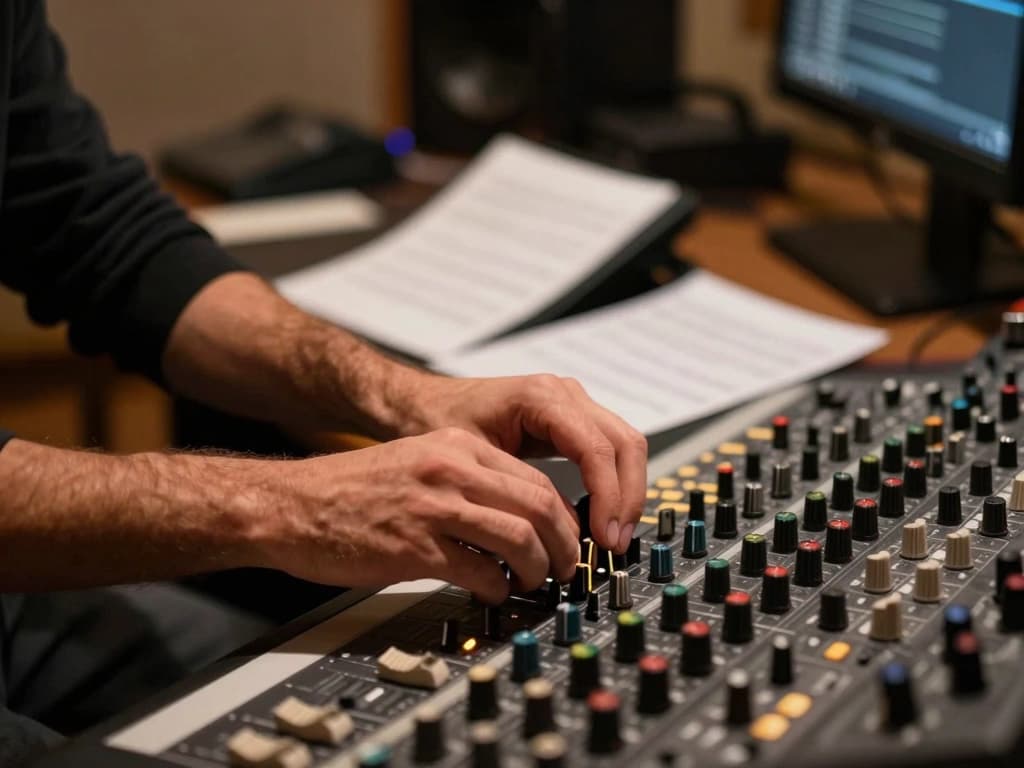
Comparative Analysis: Streaming vs. Traditional Income Sources
When comparing streaming income to traditional revenue sources, it becomes evident that streaming presents both opportunities and challenges. Traditional revenue streams such as album sales and physical merchandise often provided artists with more predictable income. However, streaming allows for broader exposure and access to global audiences, which can lead to increased opportunities for live performances and merchandise sales.
For instance, while a successful album might generate $10,000 from 1,000 sales at $10 each, achieving similar earnings through streaming requires millions of streams. This disparity emphasizes the importance of building a loyal fanbase that engages with an artist's music across multiple platforms and revenue streams.
Challenges and Opportunities for Musicians
Common Misconceptions About Streaming Royalties
One of the most common misconceptions about streaming royalties is that they are a reliable primary income source for musicians. While some high-profile artists can generate substantial income from streaming, most independent musicians find it challenging to sustain themselves solely through these royalties. The perception that streaming can replace traditional income sources can lead to unrealistic expectations among emerging artists.
Another misconception is that all streaming platforms pay equally. As mentioned earlier, there are significant differences in payout rates, and understanding these differences is essential for artists when choosing where to distribute their music.
Strategies for Maximizing Streaming Revenue
To maximize streaming revenue, musicians can adopt various strategies. First, focusing on building a strong online presence is crucial. Engaging actively with fans on social media and streaming platforms can foster a loyal fanbase that is more likely to stream and share music.
Additionally, artists should consider releasing singles regularly rather than waiting to release a full album. This approach can keep listeners engaged and increase streaming numbers over time. Collaborations with other artists can also expand reach and attract new listeners.
Finally, leveraging analytics tools provided by streaming platforms can help artists understand listener demographics and behaviors, allowing them to tailor their marketing strategies effectively.
The Future of Streaming Royalties in the Music Industry
The future of streaming royalties is a topic of considerable debate within the music industry. As the landscape continues to evolve, it is likely that new models will emerge to better compensate artists. Initiatives such as user-centric payment systems, where listeners' subscription fees are directly distributed to the artists they listen to, are being explored as potential solutions to the inequities of the current system.
Moreover, as more artists gain visibility through streaming, there may be a shift in how live performances and merchandise sales are integrated into an artist's overall revenue strategy. The key for musicians will be to remain adaptable and proactive in pursuing diverse income streams while navigating the complexities of the streaming landscape.
The Role of Fans in Supporting Musicians through Streaming
Engagement and Community Building on Streaming Platforms
Fans play a crucial role in the success of musicians in the streaming era. Engaging with fans and building a community around their music can significantly impact an artist's streaming revenue. Platforms like Spotify and Apple Music allow artists to interact with fans through playlists, exclusive content, and social media integration, fostering a sense of community.
For example, artists can create curated playlists featuring their favorite songs alongside their own tracks, encouraging fans to listen to their music in conjunction with other artists. This not only increases streaming numbers but also enhances fan loyalty.
How Fan Support Impacts Streaming Revenue
Fan support directly influences streaming revenue. When dedicated fans actively engage with an artist's music—by streaming frequently, sharing tracks on social media, or attending live performances—they contribute to the visibility and success of that artist. This can lead to higher streaming numbers, which, in turn, can result in greater royalties.
Furthermore, artists who cultivate strong relationships with their fans can benefit from word-of-mouth promotion and organic growth, which are invaluable in an industry where algorithms often dictate visibility.
Innovative Approaches to Monetizing Fan Relationships
Innovative approaches to monetizing fan relationships include the use of platforms like Patreon, where artists can offer exclusive content and experiences in exchange for monthly subscriptions. This model allows artists to connect with their most dedicated supporters while providing them with unique perks, such as behind-the-scenes access, early releases, or special merchandise.
Additionally, many artists have turned to crowdfunding platforms to finance new projects, allowing fans to feel invested in the artist's journey. This direct support can supplement streaming revenue and provide a more stable income source for musicians.
In conclusion, while streaming royalties present challenges for working musicians, they also offer significant opportunities for those willing to adapt and engage with their fans. By understanding the intricacies of streaming royalties and leveraging innovative strategies, artists can navigate the evolving music landscape and build sustainable careers.