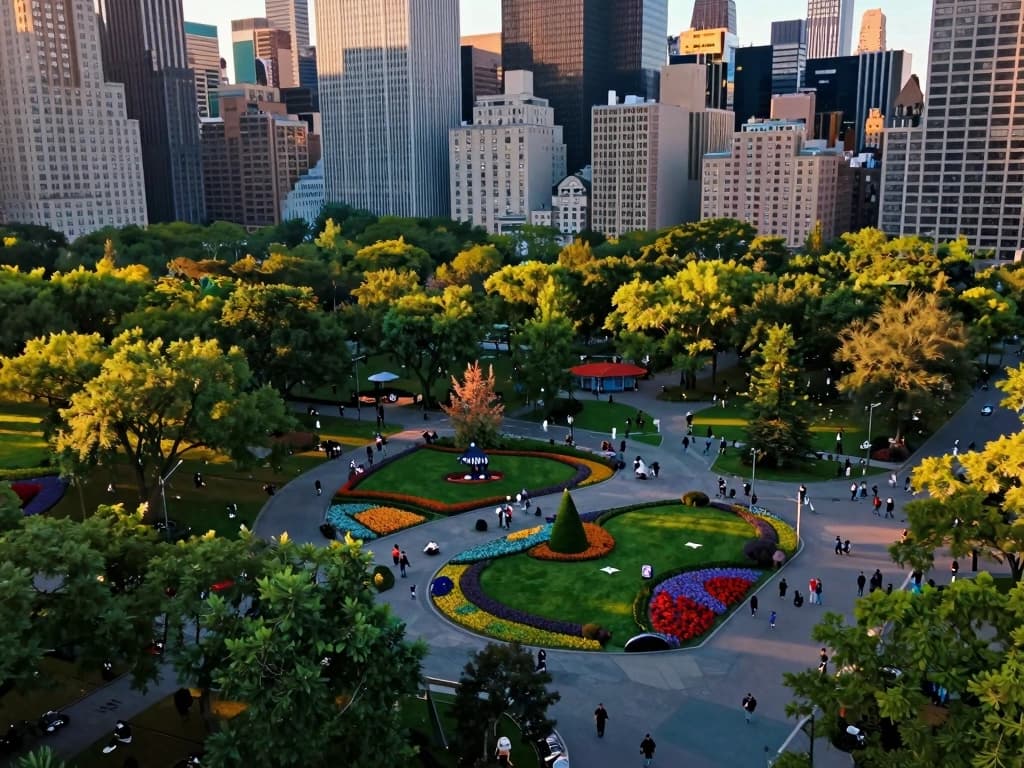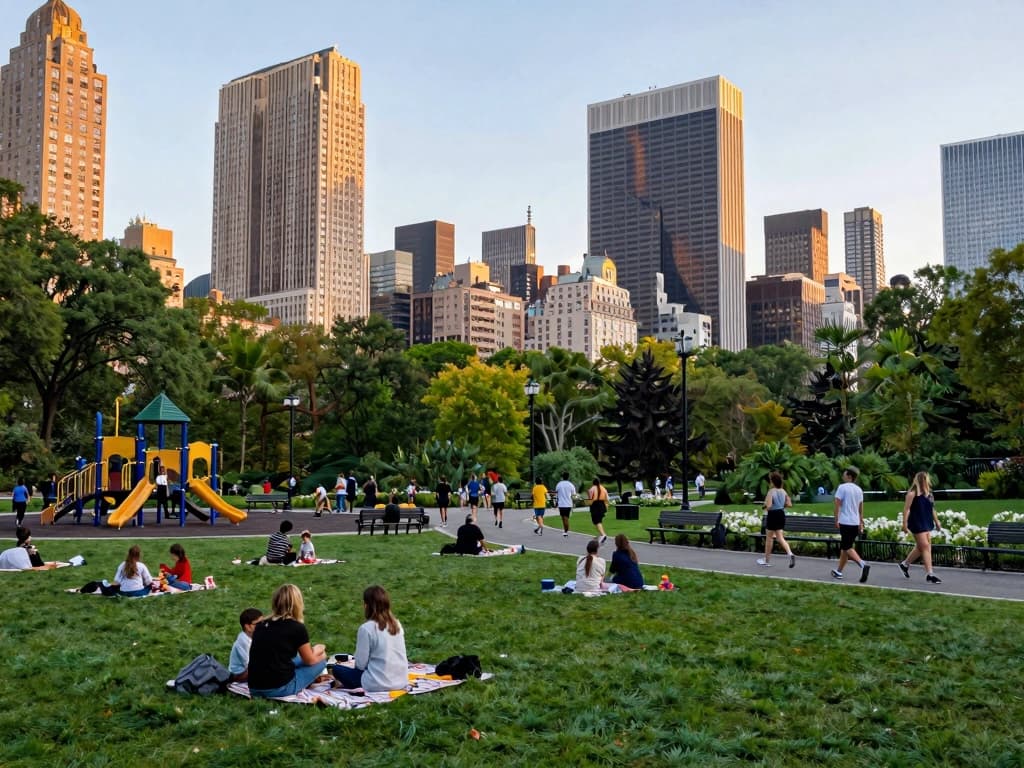
Discover how city budgets allocate funding for urban parks, ensuring vibrant green spaces that enhance community well-being and foster social connections.
Understanding the Structure of City Budgets
Components of a City Budget
City budgets are intricate documents that reflect the financial plan of a municipality for a specific fiscal year. They typically encompass a range of components, including revenue estimates, expenditures, and the allocation of funds across various departments. The main components of a city budget include:
- Revenue Sources: This section identifies where the city will obtain its funding, which may include taxes, fees, grants, and other revenue streams.
- Expenditures: This encompasses all planned spending, divided into categories such as public safety, health services, education, and parks and recreation.
- Operating vs. Capital Budgets: The operating budget covers day-to-day expenses, while the capital budget focuses on long-term investments in infrastructure and facilities.
- Debt Service: This is the budget allocation for repaying borrowed funds, often significant in cities with extensive infrastructure projects.
How Parks Fit into the Overall Budget
Within the overall city budget, urban parks typically fall under the Department of Parks and Recreation. The allocation for parks is influenced by several factors, including the city’s priorities, community needs, and the availability of funding. For instance, in a 2022 analysis of a mid-sized city’s budget, approximately 5% of the total expenditures were allocated to parks and recreation, amounting to $3 million out of a $60 million budget.
This allocation can include funding for maintenance, improvements, programming, and new park developments. The specific percentage dedicated to parks may vary significantly from city to city based on local policies and community advocacy. In cities with strong public support for green spaces, the park budget may receive a higher allocation, while in others, it might be among the first areas to face cuts during budget constraints.
Budgeting Cycles and Their Impact on Funding
City budgets operate on a cyclical basis, usually annually, with specific timelines for proposal, review, and approval. The budgeting cycle typically involves:
- Preparation: City departments prepare budget proposals, often based on historical data and projected needs.
- Review: Proposals are reviewed by city officials and budget committees, leading to adjustments based on available revenue.
- Public Hearings: Citizens are given opportunities to provide input during public hearings, which can influence funding decisions.
- Approval: The final budget must be approved by the city council.
This cycle significantly impacts park funding. For example, if a city's budget is facing shortfalls due to decreased revenue from taxes or fees, park funding may be reduced, affecting maintenance and new projects. Conversely, a robust economic year may lead to increased funding for parks, reflecting community priorities for green space.
Funding Sources for Urban Parks
Municipal Revenue Streams
The primary source of funding for urban parks often comes from municipal revenue streams. Common sources include:
- Property Taxes: A significant portion of city revenue comes from property taxes, which can be earmarked for parks and recreation departments.
- Sales Taxes: Some cities implement additional sales taxes specifically designated for parks and recreation.
- User Fees: Many parks charge entry fees, rental fees for facilities, or fees for programs, contributing to their operational budgets.
For instance, in San Francisco, approximately 10% of the Department of Recreation and Park’s budget comes from user fees, which has allowed for enhanced services and maintenance of park facilities.
State and Federal Contributions
In addition to municipal revenue, urban parks can receive funding from state and federal government sources. This includes grants and funding programs aimed at improving public spaces. Some notable examples include:
- The Land and Water Conservation Fund (LWCF): This federal program provides funding for the acquisition and development of public outdoor recreation areas, which many cities utilize to enhance park facilities.
- State Park Grants: Various states have their own grant programs that allocate funding specifically for local parks, encouraging improvements and expansions.
In 2020, for example, the state of New York awarded over $7 million in grants to local governments for park improvements, demonstrating the impact of external funding on urban park budgets.
Public-Private Partnerships
Public-private partnerships (PPPs) have become increasingly popular as a means to fund urban parks. These collaborations involve city governments working with private organizations and businesses to share the costs of park development and maintenance. Examples include:
- Sponsorships: Local businesses may sponsor specific events or areas within a park, providing financial support in exchange for advertising.
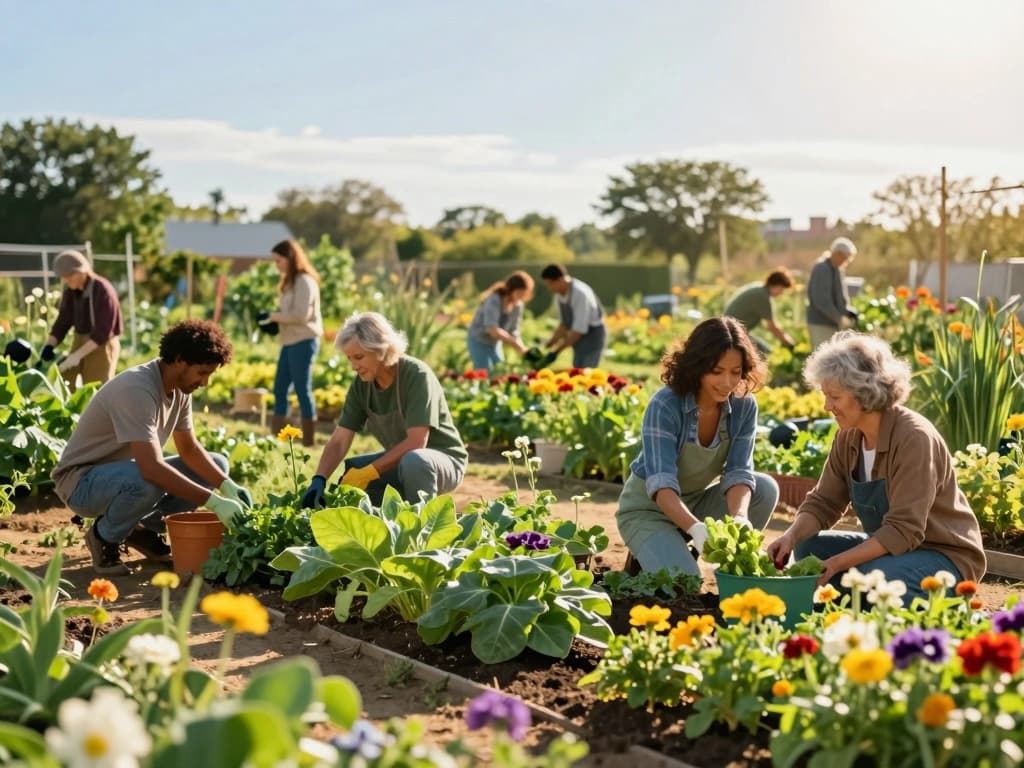
- Donation Programs: Many cities have established donation programs, allowing individuals and organizations to contribute directly to park projects.
- Management Agreements: In some cases, private entities may manage public parks, bringing in expertise and additional funding.
For instance, the High Line in New York City is managed by a nonprofit organization, which has allowed the park to thrive with private funding and support for ongoing maintenance and programming.
Prioritization of Urban Park Funding
Community Needs Assessments
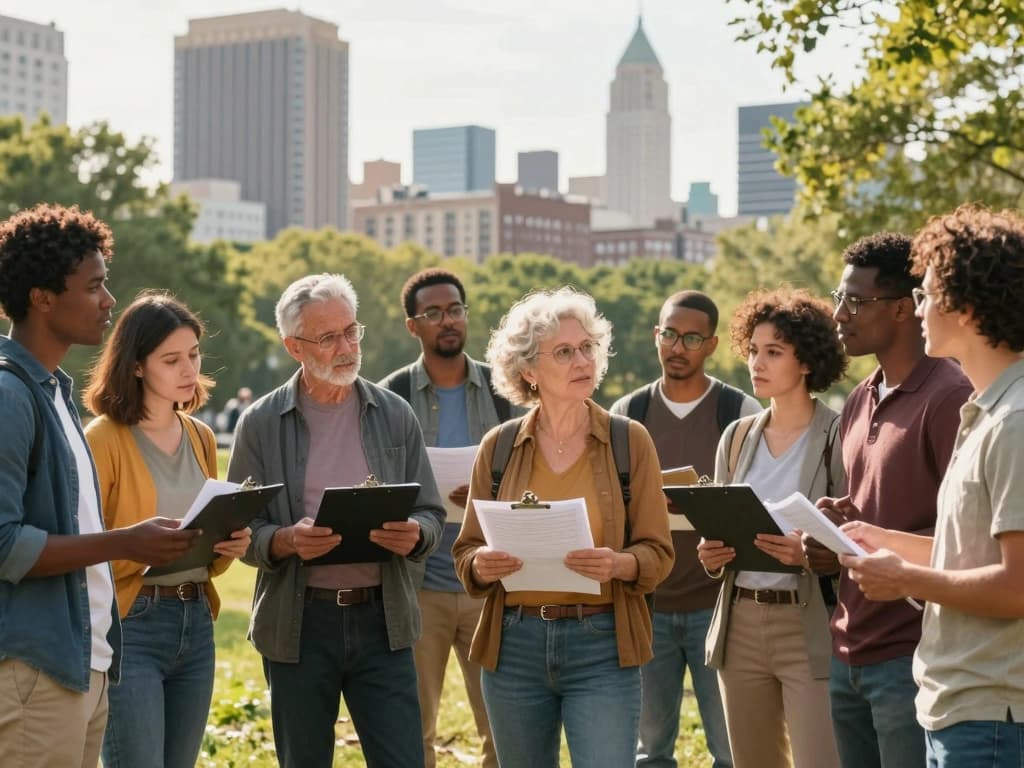
Community needs assessments are essential in determining how funds are allocated for urban parks. These assessments involve gathering data on community preferences, usage patterns, and unmet needs regarding green spaces. Cities often conduct surveys, focus groups, and public meetings to gather this information.

For example, in Portland, Oregon, a comprehensive community needs assessment led to the identification of under-served areas in terms of park access. As a result, the city prioritized funding for new parks in these areas, demonstrating how community input can directly influence budget allocations.
Political Influences on Budget Allocation
Political dynamics play a significant role in park funding allocation. City council members and mayors often have their own priorities, which can affect which departments receive more funding. Advocacy from local stakeholders, including community groups and environmental organizations, can also sway political decisions.
For instance, in Chicago, advocacy groups successfully lobbied for increased funding for parks by highlighting the health benefits of green spaces, resulting in a budget increase of $5 million for park improvements in 2021.
Equity Considerations in Funding Decisions
Equity is a critical consideration in the allocation of park funding. Many cities are increasingly focused on ensuring that all communities have equal access to quality parks and recreational facilities. This often involves directing funds to historically marginalized neighborhoods that have been underserved.
In Los Angeles, for example, the city adopted an equity framework that allocates funding based on community needs and demographics. As a result, funding for parks was increased in low-income neighborhoods, addressing disparities in access to green spaces.
Challenges in Park Funding Allocation
Budget Cuts and Economic Constraints
One of the most significant challenges facing urban park funding is the potential for budget cuts, particularly during economic downturns. When cities face revenue shortfalls, parks are often among the first departments to experience cuts. For example, during the COVID-19 pandemic, many cities across the United States, such as Atlanta, had to reduce park budgets by up to 25%, impacting maintenance and programming significantly.
Competing Interests for City Funds
Urban parks compete with various other essential services for city funds, including public safety, housing, and infrastructure. As cities grapple with limited resources, prioritizing park funding can become contentious. For example, in Philadelphia, heated debates over funding allocations have led to clashes between advocates for parks and those pushing for increased funding for public safety initiatives.
Maintenance vs. New Development Funding
Another challenge lies in balancing maintenance funding with the need for new park development. Often, cities may prioritize new parks to meet community demands, neglecting the maintenance of existing facilities. This can lead to the deterioration of park infrastructure, ultimately diminishing the quality of services provided.
A case in point is Detroit, where the city has announced plans for several new parks while simultaneously facing criticism for the lack of maintenance in existing parks, highlighting the need for a balanced approach to park funding.
Case Studies of Successful Park Funding Models
Innovative Funding Strategies from Major Cities
Several cities have implemented innovative funding strategies to enhance their park systems effectively. These models can serve as best practices for other municipalities:
- Seattle: The city has established a "Park District" that allows for additional funding through a dedicated property tax, generating over $50 million annually for parks.
- Boston: The city's "Parkland Acquisition Fund" utilizes developer fees to fund new parks, ensuring that development contributes to the availability of green spaces.
Impact of Citizen Advocacy on Park Budgets
Citizen advocacy has proven to be a powerful tool in shaping park budgets. Grassroots movements and organized campaigns can raise awareness of park needs, leading to increased funding. For instance, in Minneapolis, a coalition of community organizations successfully advocated for a $15 million investment in park renovations, demonstrating how public pressure can lead to positive budget outcomes.
Long-term Sustainability Practices in Park Funding
To ensure the long-term sustainability of park funding, cities are adopting practices that promote financial resilience. Strategies include establishing endowments, creating dedicated funding sources, and implementing maintenance management plans. For example, the San Francisco Parks Alliance has created an endowment fund that supports ongoing maintenance and improvements, ensuring that parks remain vibrant and well-maintained.