Discover how to run a successful crowdfunded community garden with practical tips and strategies to engage your community and thrive together.
Understanding the Basics of Crowdfunded Community Gardens
Defining Community Gardens and Crowdfunding
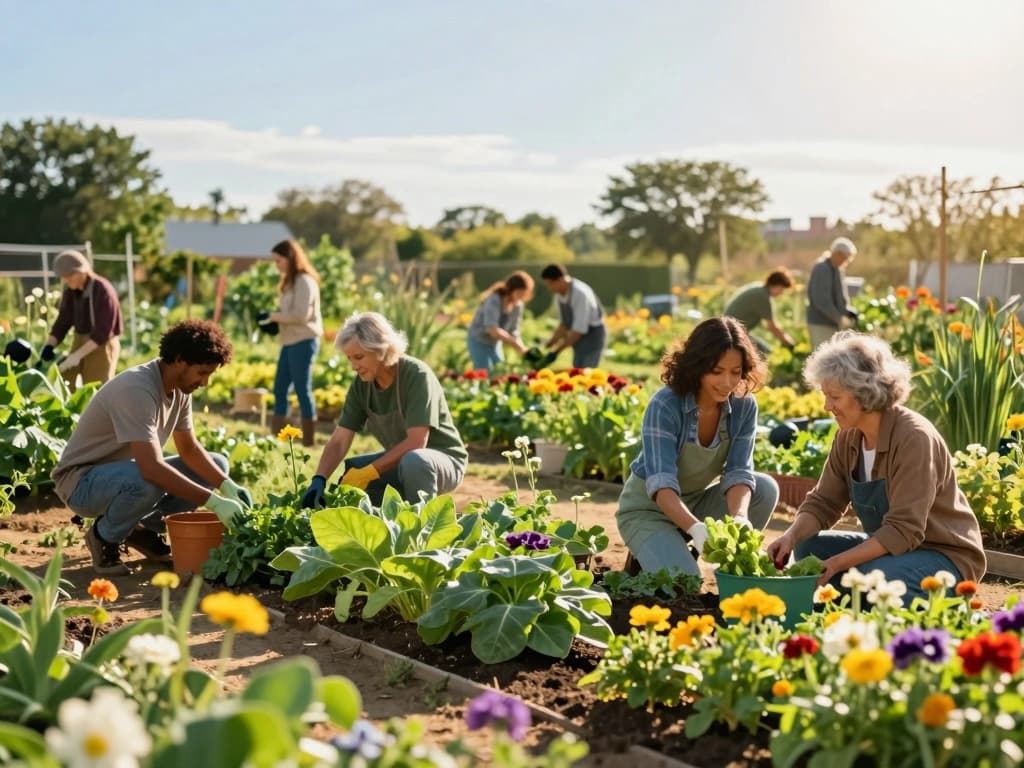
Community gardens are shared spaces where individuals come together to grow fruits, vegetables, flowers, and herbs. These gardens serve as a means to foster community spirit, enhance local food security, and promote environmental sustainability. Crowdfunding, on the other hand, is a method of raising funds for a project or venture through small contributions from a large number of people, typically via online platforms. When combined, these concepts create an opportunity for communities to collaboratively fund and manage gardens that benefit all participants.
Benefits of a Crowdfunded Approach
The crowdfunded approach to establishing a community garden offers several advantages:
- Financial Accessibility: Crowdfunding enables communities to pool their resources, making it easier to gather the necessary funds to start and maintain a garden.
- Community Engagement: Involving community members in the fundraising process fosters a sense of ownership and responsibility towards the garden.
- Increased Visibility: A successful crowdfunding campaign can draw attention to the garden project, leading to further support and involvement from local organizations and businesses.
- Diverse Funding Sources: By tapping into a variety of contributors, gardens are less reliant on a single funding source, which can be more sustainable in the long term.
Key Stakeholders and Their Roles
For a crowdfunded community garden to thrive, it's essential to identify and engage key stakeholders. These include:
- Garden Organizers: Individuals who take the initiative to conceptualize and lead the project, coordinating efforts and managing the overall vision.
- Community Members: Local residents who will participate in the gardening activities, contribute funds, and advocate for the project.
- Local Businesses: Sponsors or partners that may provide financial support, materials, or services in exchange for promotional opportunities.
- Local Government: Authorities that may provide permits, support, or resources for community gardens.
- Nonprofit Organizations: Groups that may offer guidance, funding, or volunteer support, particularly those focused on community development or agriculture.
Setting Up Your Crowdfunded Community Garden
Choosing the Right Location
The success of a community garden heavily relies on its location. Consider the following factors when selecting a site:
- Accessibility: Ensure the garden is easily reachable by foot, bike, or public transport to encourage participation.
- Sunlight Exposure: Choose a site that receives ample sunlight (at least 6 hours a day) to support plant growth.
- Soil Quality: Test the soil for contaminants and nutrient levels. If onsite soil is unsuitable, consider raised beds with new soil.
- Community Interest: Survey the community to gauge interest in the garden and to identify potential locations that hold significance for residents.
Gathering Community Support and Interest
Before diving into fundraising, it’s crucial to build a solid foundation of community support:
- Host Informational Meetings: Organize gatherings to discuss the concept, benefits, and logistics of the garden, encouraging feedback and suggestions from attendees.
- Conduct Surveys: Use online tools like Google Forms to assess community interest and gather input on garden design and plant preferences.
- Create a Vision Statement: Collaboratively draft a vision statement that reflects the community’s goals for the garden, ensuring that everyone feels represented.
Creating a Detailed Project Plan
A comprehensive project plan is essential for guiding the development and operation of your community garden. Key components should include:
- Budget: Outline anticipated costs, including soil, seeds, tools, water access, and maintenance. A detailed budget will help in setting realistic funding goals.
- Timeline: Establish a timeline for the garden's development phases, from fundraising to planting and maintenance schedules.
- Design Layout: Plan the physical layout of the garden, including garden beds, pathways, and communal spaces for gatherings or workshops.
- Rules and Guidelines: Draft a set of guidelines outlining garden rules, responsibilities, and usage policies for participants.
Effective Fundraising Strategies for Your Garden
Utilizing Online Crowdfunding Platforms
Online crowdfunding platforms like Kickstarter, GoFundMe, or Indiegogo are excellent for reaching a wide audience. Here’s how to effectively use these platforms:
- Compelling Storytelling: Create a narrative that resonates with potential contributors. Include personal testimonials, photos of the proposed site, and details about the community's need for the garden.
- Set Realistic Goals: Determine a funding target based on the project plan. For instance, a community garden may aim to raise $5,000 to cover initial setup costs.
- Offer Rewards: Incentivize contributions by offering rewards, such as small plants, garden tours, or recognition on a donor wall, to encourage higher donations.
- Regular Updates: Keep backers informed about the fundraising progress and any developments related to the garden to sustain interest.
Organizing Fundraising Events
In addition to online fundraising, local events can foster community spirit while raising funds. Consider the following:
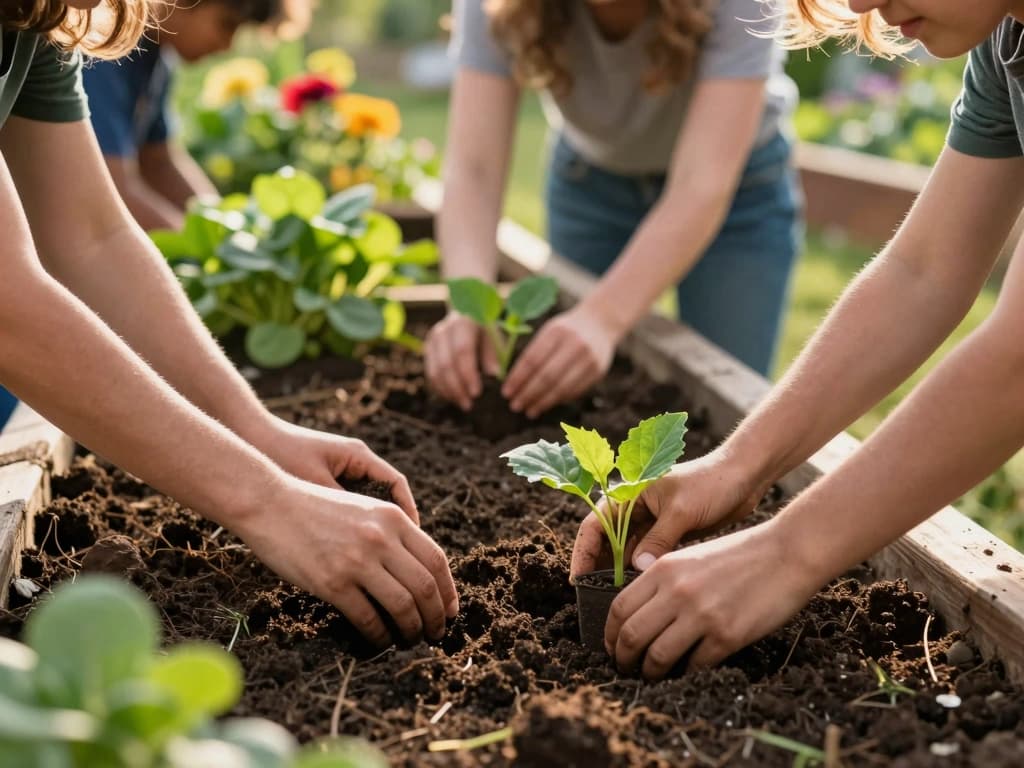
- Potluck Dinners: Host a community potluck where attendees can donate to participate. This encourages social interaction and builds excitement.
- Garden-Themed Workshops: Offer workshops on gardening, cooking, or sustainability for a fee, with proceeds going directly to the garden fund.
- Local Farmers' Markets: Set up a booth at local markets to sell seedlings, plants, or homemade goods, with profits directed towards the garden.
Engaging Local Businesses and Sponsors
Local businesses can play a crucial role in supporting your community garden. Here are some strategies:
- Sponsorship Opportunities: Approach businesses to sponsor specific elements of the garden, such as benches, signage, or equipment, in exchange for advertising space.
- In-Kind Donations: Request donations of materials, seeds, or tools from local garden centers or hardware stores, which can significantly reduce costs.
- Partnership Programs: Collaborate with local organizations that focus on sustainability or community development to leverage their networks and resources.
Building a Sustainable Garden Management Structure
Establishing Governance and Decision-Making Processes
A clear governance structure is vital for sustainability. Consider the following steps:
- Create a Garden Committee: Form a small committee of committed community members to oversee the garden’s operations, finances, and events.
- Decision-Making Protocols: Establish clear protocols for how decisions will be made within the committee, including voting procedures and conflict resolution processes.
- Regular Meetings: Schedule regular meetings to discuss progress, address concerns, and plan future activities, ensuring consistent communication among stakeholders.
Recruiting and Training Volunteers
Volunteers are the backbone of any successful community garden. To recruit and train them effectively, consider the following:
- Outreach Campaigns: Promote volunteer opportunities through flyers, social media, and community boards to attract diverse participants.
- Training Sessions: Offer training sessions on gardening techniques, safety practices, and garden maintenance to equip volunteers with the necessary skills.
- Volunteer Recognition: Celebrate the contributions of volunteers through appreciation events or recognition programs, fostering a sense of community and commitment.
Creating a Maintenance and Care Schedule
To ensure the garden thrives, develop a maintenance schedule that includes:
- Regular Watering: Establish a watering routine, particularly during hot months, to ensure plants are adequately hydrated.
- Weeding and Pest Control: Assign tasks for weeding and pest management to volunteers, emphasizing organic practices to maintain a healthy ecosystem.
- Seasonal Planting Schedule: Plan a seasonal calendar that outlines planting, harvesting, and crop rotation for optimal yield.
Promoting Community Engagement and Education
Hosting Workshops and Educational Events
Education is a key component of community gardening. By hosting workshops, you can:
- Share Knowledge: Offer sessions on topics like composting, organic gardening, or cooking with garden produce.
- Foster Skills Development: Encourage participants to learn new skills that can apply both within and outside the garden context.
- Invite Guest Speakers: Collaborate with local experts or gardening enthusiasts to provide valuable insights and inspiration for community members.
Encouraging Membership and Participation
To maintain a vibrant community garden, it's important to encourage ongoing membership and active participation:
- Membership Programs: Establish a membership system where individuals can sign up for regular updates, volunteer opportunities, and exclusive events.
- Community Days: Organize regular community days where everyone is welcome to participate in gardening activities, fostering a sense of belonging.
- Feedback Mechanisms: Implement channels for community members to share feedback and suggestions, ensuring that everyone feels valued and involved.
Utilizing Social Media for Community Updates
Social media is a powerful tool for promoting your community garden and keeping participants informed:
- Regular Updates: Share progress updates, upcoming events, and gardening tips through platforms like Facebook, Instagram, and Twitter.
- Visual Content: Use photos and videos to showcase the garden’s growth, volunteer activities, and community events, creating a visual narrative that attracts interest.
- Engagement Campaigns: Run social media campaigns encouraging community members to share their own gardening experiences and successes, building a sense of community online.