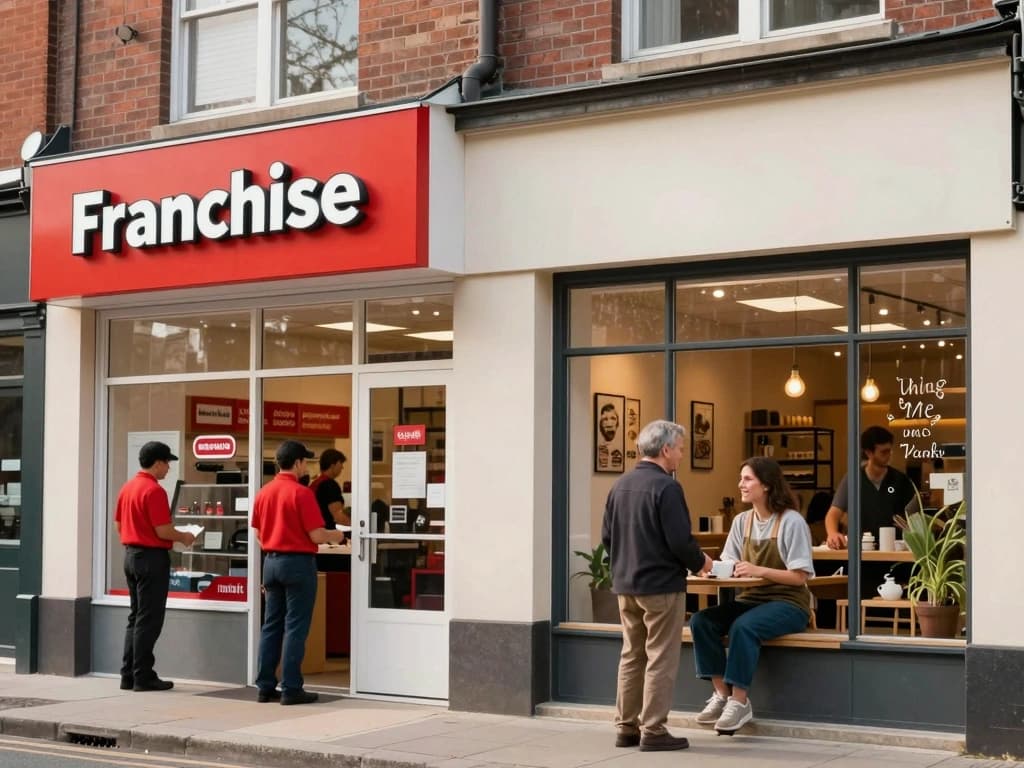
Discover the key differences between franchise and independent business models. Make informed choices for your entrepreneurial journey in the business landscape.
Initial Investment and Financial Considerations
Cost Structure of Franchises
When considering a franchise, potential franchisees must navigate a distinct cost structure that separates this model from independent businesses. Franchises typically require an upfront franchise fee that can range from a few thousand to several hundred thousand dollars, depending on the brand. For example, fast-food franchises like McDonald's may demand initial investments upwards of $1 million, covering the franchise fee, equipment, inventory, and real estate costs. Additionally, ongoing royalty fees—often 4% to 8% of gross sales—are customary, along with contributions to national marketing funds.
Capital Requirements for Independent Businesses
Independent businesses, on the other hand, often present more variability in initial capital requirements. Entrepreneurs have the flexibility to determine their startup costs based on their business model, location, and scale. For instance, a local coffee shop might require a modest investment of $50,000 to $150,000 for equipment, space renovation, and initial inventory, compared to a more extensive setup like a boutique gym that may require $100,000 to $500,000. This flexibility allows for creative financing options and potentially less financial burden at the outset.
Long-term Financial Implications
The long-term financial implications of choosing between a franchise and an independent business can be significant. Franchises may benefit from established systems and a proven business model, potentially leading to quicker profitability. However, the cumulative costs of franchise fees and royalties can impact profitability over time. For example, a franchise generating $500,000 in annual sales with an 8% royalty would pay $40,000 annually, which could accumulate to over $400,000 in a decade.
Conversely, independent businesses, while facing higher initial risks and uncertainties, retain all profits, which can be reinvested to fuel growth. An independent coffee shop that achieves the same sales of $500,000 would keep all those earnings, allowing for significant reinvestment into the business—a vital factor for long-term sustainability and expansion.
Operational Control and Management
Franchise Operational Guidelines
Franchises operate under strict operational guidelines established by the franchisor. This includes adherence to specific processes, product offerings, and customer service standards. For example, a franchise like Subway mandates that all franchisees follow its sandwich-building procedures, ingredient sourcing, and store layout to ensure consistency across locations. While this structure may provide a safety net for new business owners, it limits individual creativity and decision-making.
Flexibility in Independent Business Management
In contrast, independent businesses enjoy a level of operational flexibility that can be crucial for innovation and adaptability. Independent owners can make decisions regarding product offerings, pricing strategies, and customer engagement based on their market understanding. For instance, a local bakery might choose to introduce seasonal specials or unique flavor combinations that cater to local preferences, allowing for a tailored approach that franchises may not accommodate.
Impact of Control on Business Growth
The level of control exerted by franchisors can significantly impact growth trajectories. Franchisees may find that their growth is tied to the franchisor's strategic direction and marketing initiatives. This can be both beneficial and limiting; for instance, a successful campaign launched by the franchisor can boost sales across the board, but a poorly received initiative may hinder growth.
On the flip side, independent businesses can pivot more swiftly to capitalize on emerging trends or local market demands. If a local health trend emerges, an independent restaurant can quickly adjust its menu to include healthier options, potentially outpacing franchises that are slower to adapt due to bureaucratic processes.
Brand Recognition and Marketing Strategies
Advantages of Established Franchise Branding
One of the most significant advantages of operating a franchise is the immediate brand recognition that comes with an established name. Consumers often gravitate towards recognizable brands due to trust and familiarity. For example, a franchise like Dunkin' Donuts benefits from a loyal customer base that associates its name with quality and consistency. This built-in customer loyalty can lead to quicker sales and lower marketing expenditures for franchisees, who can rely on national advertising campaigns.

Marketing Challenges for Independent Businesses
Independent businesses face the challenge of building their brand from the ground up. Without the backing of a national brand, they must invest heavily in local marketing strategies to establish their presence. This could involve social media campaigns, community engagement events, and partnerships with local businesses. For instance, a new independent pizzeria might leverage local food bloggers and influencers to create buzz, but this requires a time investment and strategic planning, often without a guaranteed return.
Consumer Perception and Brand Loyalty
While franchises benefit from strong consumer perceptions of reliability, independent businesses can cultivate unique brand identities that resonate deeply with local customers. Many consumers appreciate the personal touch and unique offerings of independent businesses, which can foster strong community ties and loyalty. For example, an independent bookstore may host local author events or book clubs, creating a community hub that a franchise cannot replicate. This emotional connection can lead to robust brand loyalty, often resulting in repeat customers who value the local experience over convenience.
Support Systems and Resources
Franchisee Support and Training Programs
Franchises typically offer robust support systems and training programs for their franchisees. This support often includes initial training, ongoing operational assistance, and marketing resources, helping franchisees navigate the complexities of running their businesses. For example, major franchises like 7-Eleven provide comprehensive training programs covering everything from inventory management to customer service, which can be invaluable for new entrepreneurs.
Independent Business Resource Accessibility
In contrast, independent business owners may find themselves without the same level of structured support. While there are resources available—such as small business development centers, local chambers of commerce, and online entrepreneurial networks—these do not compare to the centralized training and support offered by franchises. Independent business owners often need to rely on their initiative to seek out mentorship, online courses, and other educational resources to fill knowledge gaps.
Networking and Community Support
However, independent businesses can benefit from networking opportunities within their local communities. They often engage with other local entrepreneurs, fostering relationships that can lead to collaborative marketing efforts, shared resources, and community support. For example, a group of local artisans might band together to host a community craft fair, promoting one another's businesses and enhancing visibility. This level of grassroots support can be a significant advantage, helping independent businesses thrive in competitive markets.
Regulatory and Legal Considerations
Franchise Disclosure Documents and Regulations
Franchises are subject to specific regulatory requirements that govern their operations. At the heart of these regulations is the Franchise Disclosure Document (FDD), which provides potential franchisees with essential information about the franchise system, including fees, obligations, and the franchisor's financial performance. For instance, the FDD outlines the exact terms of the franchise agreement and must be provided to prospective franchisees at least 14 days before any agreement is signed.
Independent Business Licensing and Compliance
Independent businesses, while less regulated than franchises in terms of disclosure, must still navigate a complex web of local, state, and federal regulations. This often includes obtaining various licenses and permits, such as business licenses, health permits, and zoning permits. The cost and complexity of these requirements can differ widely based on the industry and location. For example, a food service business may face stringent health and safety regulations that require regular inspections and compliance documentation.
Legal Risks and Liabilities in Both Models
Both franchises and independent businesses face legal risks and liabilities, though the nature of these risks can differ. Franchisees may be at risk of legal action if they fail to adhere to franchisor guidelines or if a customer claims that the franchise failed to meet specific operational standards. On the other hand, independent business owners face liability risks inherent to their unique operations, including issues related to product liability, employment law, and customer safety. Understanding and mitigating these risks is crucial for both types of business owners to safeguard their investments and ensure long-term success.