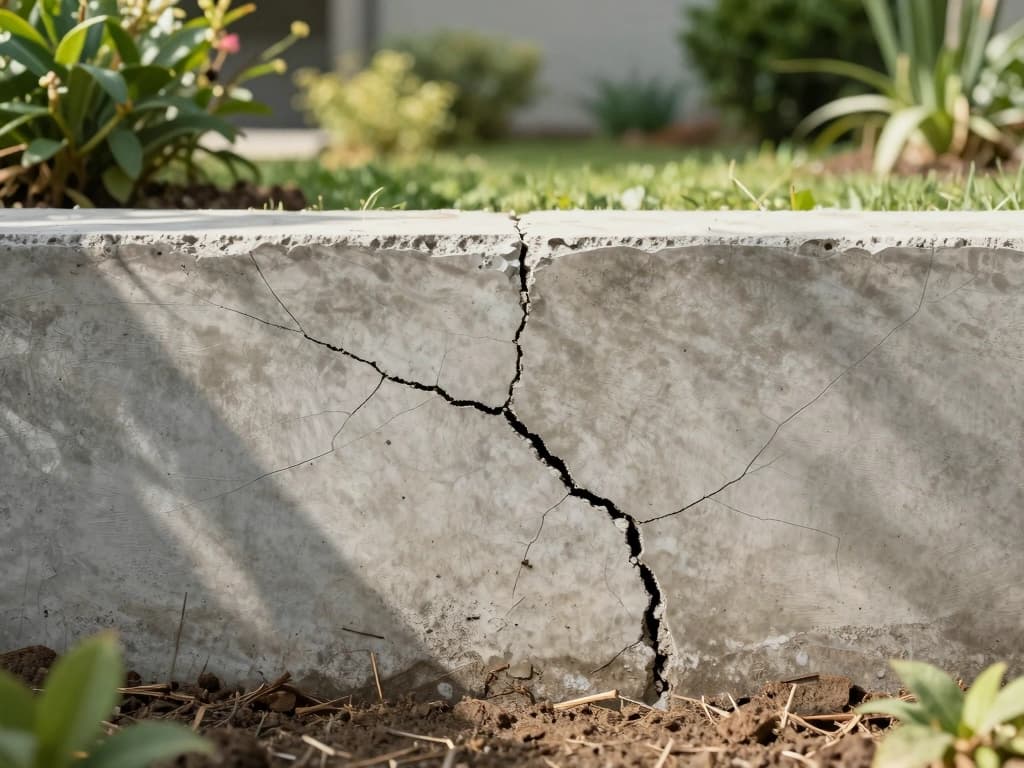
Discover how to evaluate foundation cracks and understand their severity levels. Protect your home with expert tips on assessing and addressing these issues.
Introduction to Foundation Cracks
Definition and Importance of Foundation Cracks
Foundation cracks are fissures that develop in the concrete foundation of a home or building. These cracks can occur for various reasons, and their presence can be a significant indicator of potential structural issues. Understanding the nature and severity of foundation cracks is crucial for homeowners, as it can affect the safety, stability, and overall value of a property. Early detection and evaluation can prevent minor issues from escalating into major problems that require extensive repairs.
Common Causes of Foundation Cracks
Foundation cracks can arise due to several factors, including:
- Soil Movement: Changes in moisture levels can cause the soil to expand or contract, exerting pressure on the foundation.
- Temperature Fluctuations: Extreme cold or heat can cause concrete to expand and contract, leading to cracks.
- Improper Drainage: Water pooling around the foundation can erode soil and weaken the structure.
- Tree Roots: The growth of nearby tree roots can exert pressure on foundations, causing cracks.
- Construction Quality: Poorly mixed concrete or inadequate foundation depth can lead to instability.
Why Severity Evaluation Matters
Evaluating the severity of foundation cracks is vital for several reasons:
- Safety: Cracks can compromise the structural integrity of a building, posing safety hazards to occupants.
- Cost-Effectiveness: Early identification of minor issues can save homeowners significant repair costs in the long run.
- Property Value: Foundation issues can affect the resale value of a home, making evaluations important for future transactions.
Types of Foundation Cracks
Vertical Cracks: Characteristics and Implications
Vertical cracks typically run straight up and down along the foundation wall. They are usually less severe than other types of cracks and can be caused by minor settlement of the building or shrinkage of the concrete. However, if they widen beyond 1/4 inch, they may indicate more serious underlying issues. Homeowners should monitor these cracks and consider sealing them to prevent water intrusion.
Horizontal Cracks: Understanding Their Significance
Horizontal cracks are a cause for greater concern, as they can signal significant pressure on the foundation walls from outside forces, such as soil expansion. These cracks often indicate structural problems and can lead to severe damage if not addressed promptly. Homeowners should seek professional evaluation if they notice horizontal cracks wider than 1/8 inch.
Diagonal Cracks: What They Indicate About Your Foundation
Diagonal cracks can appear at various angles and are often indicative of uneven settlement or shifting of the foundation. They may originate from corners or the middle of walls and can be more serious than vertical cracks. If a diagonal crack exceeds 1/4 inch in width, it is crucial to evaluate the underlying causes and address them promptly to ensure the safety of the home.
Severity Levels of Foundation Cracks
Minor Cracks: Identification and Impact
Minor cracks are typically less than 1/8 inch wide and are more cosmetic than structural. These cracks can often be found in homes that are settling or experiencing normal wear and tear. While they may not pose immediate risks, homeowners should still monitor these cracks for changes over time. Sealing minor cracks with epoxy or polyurethane can help prevent moisture intrusion and further deterioration.
Moderate Cracks: Evaluating Potential Risks
Moderate cracks range from 1/8 inch to 1/4 inch wide. They may indicate more serious structural issues that require attention. Homeowners should be cautious if they notice any changes in the width or length of these cracks, as they can evolve into more severe problems. A professional assessment may be necessary to determine the exact cause and recommend repairs.
Severe Cracks: Signs of Major Structural Issues
Severe cracks are those that exceed 1/4 inch in width and often indicate significant structural issues that can threaten the safety of the building. These cracks may be accompanied by other signs of distress, such as bowing walls or doors that stick. Immediate professional evaluation is essential, as failure to address severe cracks can lead to catastrophic failure of the foundation.
Methods for Evaluating Crack Severity
Visual Inspections: What to Look For
Visual inspections are the first step in evaluating the severity of foundation cracks. Homeowners should regularly examine their foundation walls for:
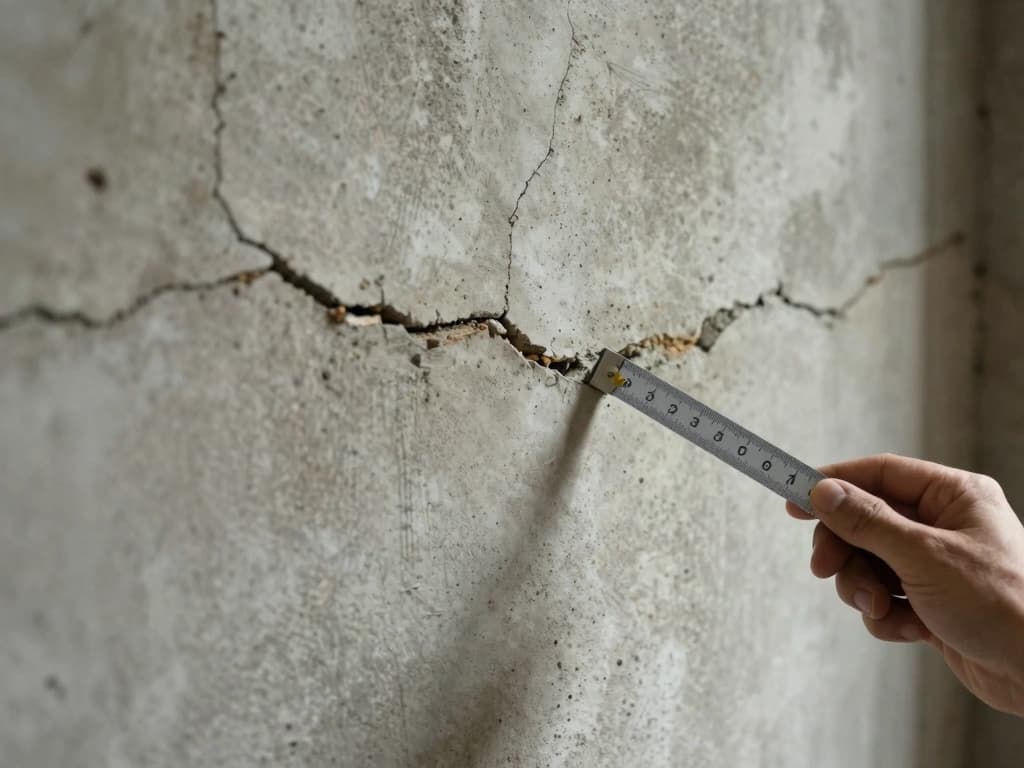
- Type of crack (vertical, horizontal, or diagonal)
- Width and length of the crack
- Location of the crack (interior vs. exterior)
- Signs of moisture or water intrusion around the crack
- Changes in the surrounding structure, such as bowing or displacement
Taking photographs and documenting changes over time can help in monitoring crack progression.
Measurement Tools and Techniques
To accurately assess the severity of foundation cracks, homeowners can utilize various measurement tools:
- Calipers: These are useful for measuring the width of cracks precisely.
- Crack Monitors: These devices can be installed to monitor changes in crack width over time.
- Level and Plumb Bob: These tools can help assess whether walls are bowing or out of alignment.
Regular measurements can provide critical data to determine whether a crack is stable or worsening.
Professional Evaluations: When to Seek Expert Help
Homeowners should consider seeking professional evaluations when:
- Cracks exceed 1/4 inch in width
- Multiple cracks appear in different areas of the foundation
- Cracks are accompanied by other structural issues, such as sagging floors or sticking doors
- There is evidence of water intrusion or mold growth near the cracks
A structural engineer or foundation specialist can provide a thorough assessment and recommend appropriate repair methods based on the severity of the cracks.
Next Steps After Evaluation
Repair Options Based on Severity Level
Repair options vary based on the severity of the cracks:
- Minor Cracks: Sealing with epoxy or polyurethane can prevent water intrusion and stabilize the area.
- Moderate Cracks: More extensive repairs may be needed, such as injecting polyurethane foam or installing piers to stabilize the foundation.
- Severe Cracks: These often require significant interventions, including underpinning, wall anchors, or complete foundation replacement, depending on the extent of the damage.
Preventative Measures to Avoid Future Cracks
To minimize the risk of future foundation cracks, homeowners can implement several preventative measures:
- Maintain proper drainage around the foundation by installing gutters and downspouts to direct water away.
- Regularly check and maintain landscaping to prevent tree roots from encroaching on the foundation.
- Monitor soil moisture levels and consider using soaker hoses during dry spells to prevent soil shrinkage.
- Insulate the foundation to combat temperature fluctuations that can lead to cracking.
Monitoring and Maintenance Tips for Homeowners
Ongoing monitoring and maintenance are essential for preserving the integrity of a foundation:
- Conduct annual inspections of the foundation and document any changes in crack size or shape.
- Keep a log of maintenance activities and repairs made to the foundation.
- Consider hiring a professional for bi-annual or annual evaluations, especially in regions prone to soil movement or extreme weather.
By staying proactive, homeowners can protect their investment and ensure the long-term stability of their property.