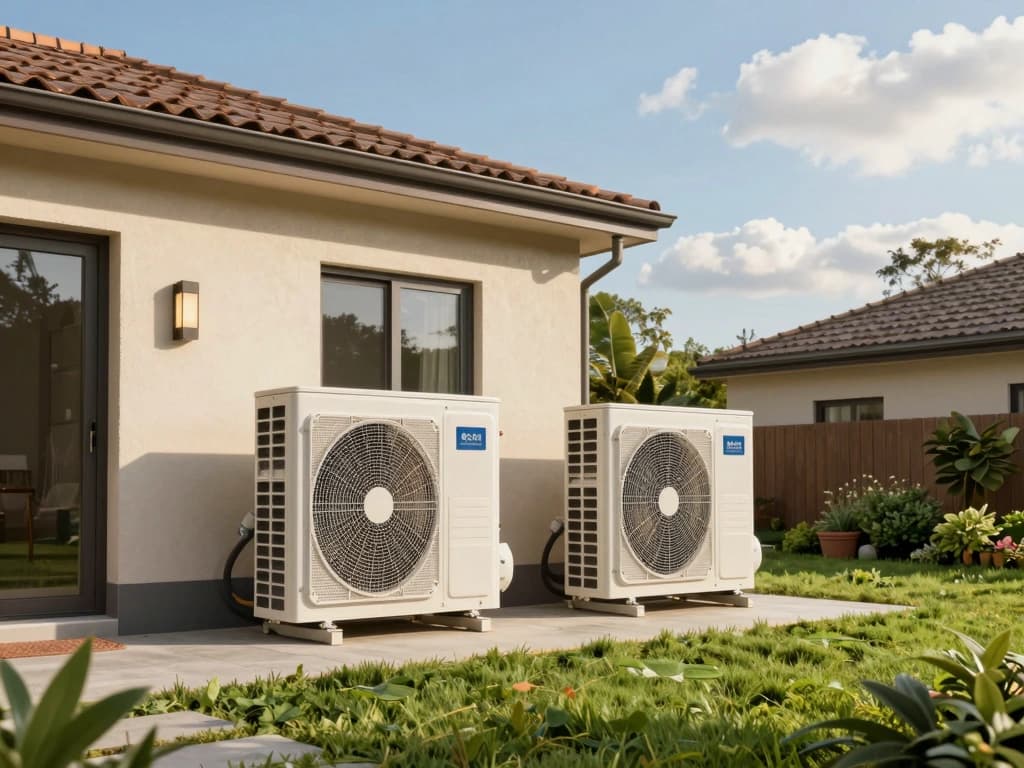
Discover the lifetime cost comparison between heat pumps and furnaces. Make an informed choice for your home heating needs with our detailed guide.
Initial Installation Costs of Heat Pumps vs. Furnaces
When considering a heating system for your home, one of the first factors to evaluate is the initial installation cost. Both heat pumps and furnaces come with distinct pricing structures that can significantly affect your budget. Understanding these costs can help you make an informed decision that aligns with your financial goals.
Cost Breakdown of Heat Pump Installation
Heat pumps can be more expensive to install than traditional furnaces. The installation of a heat pump typically ranges from $3,500 to $8,000, depending on the model and any necessary modifications to your home. The costs include:
- Equipment: The cost of the heat pump unit itself, which can vary based on size and efficiency ratings.
- Labor: Professional installation costs can range from $1,000 to $3,000.
- Ductwork: If your home requires ductwork modifications, this can add $1,000 to $2,500 to the total cost.
- Permits: Local regulations may require permits, which can add another $100 to $500.
Cost Breakdown of Furnace Installation
On the other hand, installing a furnace is generally less costly upfront. The total installation cost for a furnace can range from $2,500 to $6,000, with the following considerations:
- Equipment: The price of the furnace, depending on whether it's gas, oil, or electric, typically ranges from $1,000 to $3,000.
- Labor: Installation costs usually run between $500 and $2,000.
- Ductwork: Similar to heat pumps, if ductwork modifications are needed, expect additional costs from $1,000 to $2,000.
- Permits: Required permits can add $100 to $500 to your expenses.
Factors Influencing Installation Costs
Several factors influence the installation costs of both systems:
- Home Size: Larger homes require more powerful units and additional ductwork, increasing costs.
- Climate: In colder climates, a more robust heating system may be necessary, which can lead to higher installation expenses.
- Existing Infrastructure: Homes without existing ductwork may face higher costs for installation.
- Labor Costs: Regional differences in labor rates can significantly impact overall costs.
Energy Efficiency and Operating Costs Over Time
Once installed, the efficiency of your heating system plays a crucial role in ongoing operating costs. This section compares the energy efficiency and projected operating costs of heat pumps and furnaces.
Heat Pump Energy Efficiency Ratings
Heat pumps are known for their energy efficiency, often measured by the Seasonal Energy Efficiency Ratio (SEER) for cooling and the Heating Seasonal Performance Factor (HSPF) for heating. A well-rated heat pump can have a SEER rating of 15-20 and an HSPF rating of 8-10. For instance, a heat pump with a 20 SEER rating can provide over 20% more efficiency than one with a 15 SEER rating. This translates to lower electricity bills, especially in moderate climates where heat pumps can operate year-round.
Furnace Efficiency Ratings and Fuel Types
Furnaces are typically rated using Annual Fuel Utilization Efficiency (AFUE). Modern furnaces can have AFUE ratings ranging from 80% to over 98%. For example:
- A gas furnace with a 95% AFUE means that 95% of the fuel's energy is converted into heat for your home.
- An electric furnace, while potentially 100% efficient, may have higher operating costs depending on local electricity rates.
Operating costs for furnaces also depend on the fuel type, with natural gas generally being cheaper than electricity or oil.
Long-Term Operating Cost Projections
To evaluate the long-term operating costs, it's essential to consider both energy prices and efficiency:
- Heat Pumps: Assuming a heat pump consumes 2,000 kWh annually and your electricity rate is $0.13 per kWh, your annual operating cost would be about $260.
- Furnaces: If a gas furnace consumes 1,200 therms annually and natural gas is priced at $1.00 per therm, your operating cost would be approximately $1,200.
Over time, the heat pump’s operational savings can offset the higher initial installation cost, particularly in regions with milder winters.
Maintenance and Repair Expenses
Both heating systems require maintenance, but their needs and associated costs differ significantly.
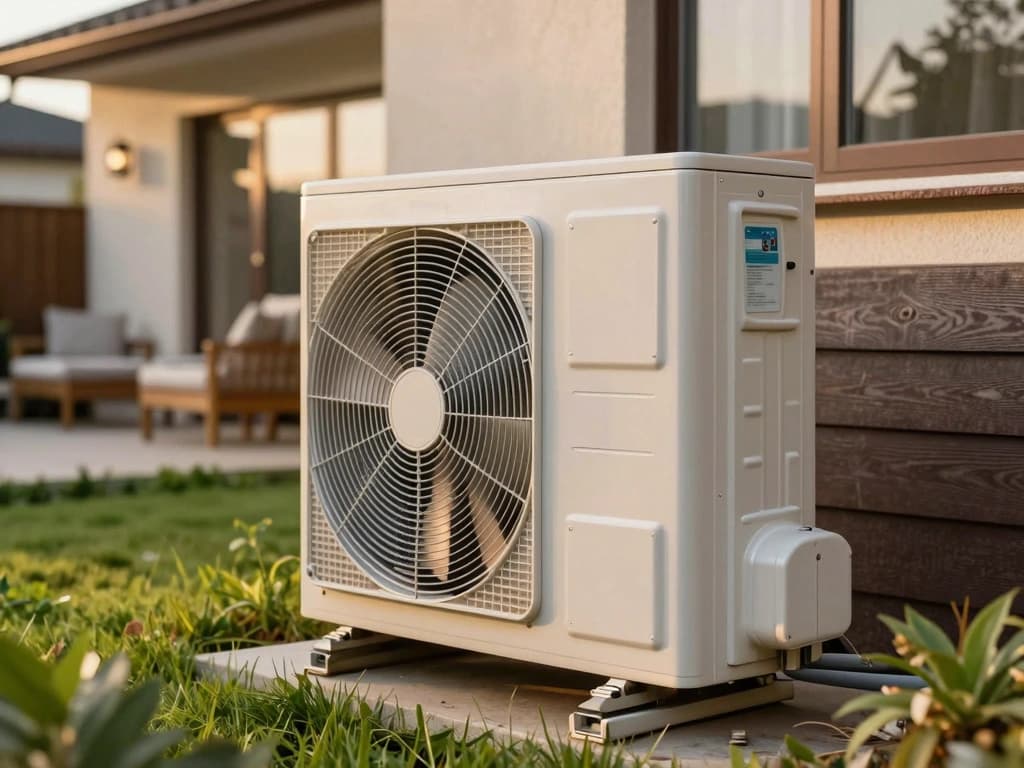
Typical Maintenance Requirements for Heat Pumps
Heat pumps require regular maintenance to ensure optimal performance, including:
- Changing or cleaning filters every 1-3 months.
- Annual professional inspections, which typically cost between $75 and $200.
- Checking refrigerant levels and electrical connections.
Neglecting maintenance can lead to decreased efficiency and higher energy costs.
Typical Maintenance Requirements for Furnaces
Furnaces also need maintenance, including:
- Replacing or cleaning filters every 1-3 months.
- Annual tune-ups costing between $100 and $300.
- Inspecting heat exchangers for cracks and ensuring proper combustion.
While both systems require maintenance, heat pumps may necessitate more frequent checks due to their dual heating and cooling functions.
Cost of Repairs for Each System
Repair costs can vary significantly between heat pumps and furnaces:
- Heat Pump Repairs: Typical repair costs range from $150 to $1,500, depending on the issue (e.g., compressor failure, refrigerant leaks).
- Furnace Repairs: Common repairs generally cost between $100 and $1,200, often requiring parts like ignitors or gas valves.
While both systems may encounter significant repairs, heat pumps can be more costly if the compressor or refrigerant system fails.
Longevity and Replacement Considerations
The lifespan of your heating system is another essential factor in the lifetime cost comparison.
Average Lifespan of Heat Pumps
Heat pumps typically have a lifespan of 15 to 20 years, depending on usage and maintenance. Regular maintenance and timely repairs can extend their life expectancy, while neglect can lead to premature failure.
Average Lifespan of Furnaces
Furnaces generally last longer than heat pumps, with an average lifespan of 20 to 30 years. However, the longevity can vary based on the fuel type, maintenance, and usage patterns. For example, a well-maintained gas furnace may last longer than an electric furnace.
Replacement Costs and Timing
When it comes to replacement, consider the following:
- Heat Pump Replacement: Replacing a heat pump can cost between $3,500 and $8,000, similar to the initial installation costs.
- Furnace Replacement: Replacing a furnace typically costs between $2,500 and $6,000, often making it a more budget-friendly option.
Timing for replacement also matters; heat pumps may require replacement sooner than furnaces, affecting the overall lifetime costs.
Environmental Impact and Incentives
As energy efficiency and sustainability become increasingly important, the environmental impact of heating systems is a vital consideration.
Environmental Benefits of Heat Pumps
Heat pumps are often considered more environmentally friendly because they use electricity and can operate using renewable energy sources. They produce fewer greenhouse gas emissions than traditional gas or oil furnaces, especially when paired with renewable energy options like solar panels.
Environmental Impact of Fossil Fuel Furnaces
On the other hand, gas and oil furnaces rely on fossil fuels, which contribute to carbon emissions and environmental degradation. Transitioning away from fossil fuels can significantly reduce your home's carbon footprint, making heat pumps a more sustainable choice.
Government Incentives and Rebates for Both Systems
Government incentives can also play a crucial role in your decision-making process. Many states offer tax credits, rebates, and low-interest loans for homeowners who install energy-efficient heating systems. For instance:
- Federal tax credits for heat pumps can reduce the total initial cost by up to 26%.
- Local utility companies may provide rebates for both heat pumps and high-efficiency furnaces.
Taking advantage of these incentives can significantly reduce the upfront costs and improve the overall return on investment for either system.
Conclusion
When comparing the lifetime costs of heat pumps versus furnaces, several factors come into play, including initial installation costs, energy efficiency, maintenance and repair expenses, longevity, and environmental impact. Heat pumps typically have higher upfront costs but can offer substantial savings over time due to their energy efficiency, especially in moderate climates. Furnaces are generally less expensive to install and have a longer lifespan but may incur higher operating costs and environmental impacts. Ultimately, the best choice for your home will depend on your specific circumstances, including your budget, climate, and personal preferences. By considering all factors outlined in this article, you can make an informed decision that aligns with your long-term financial and environmental goals.