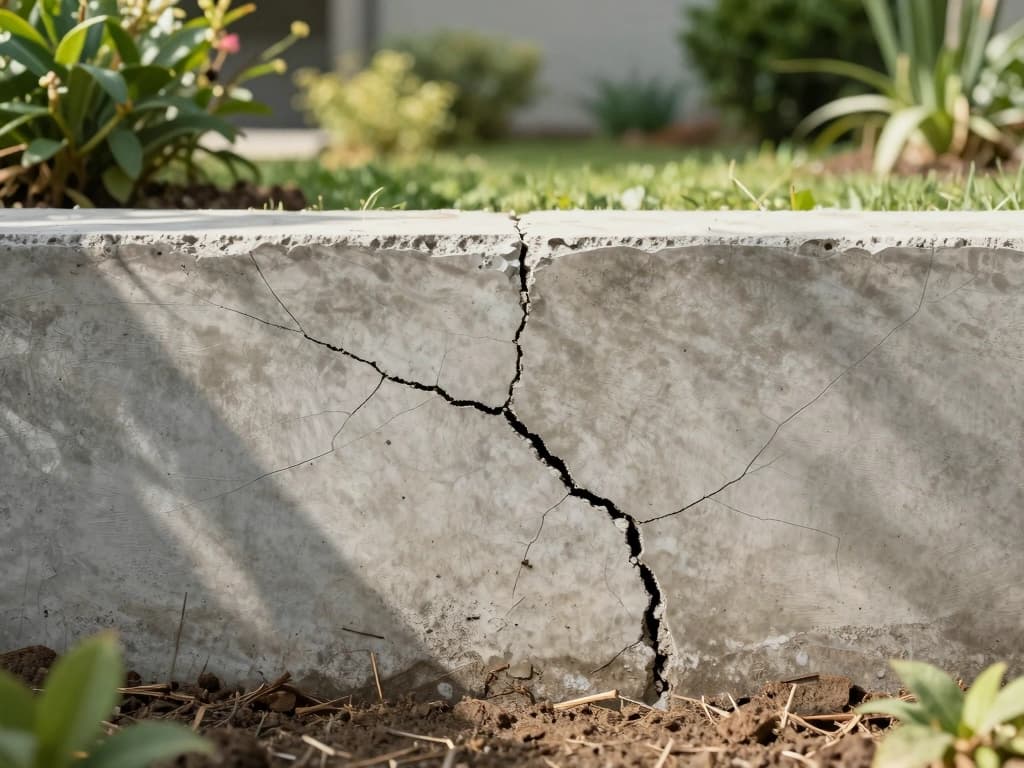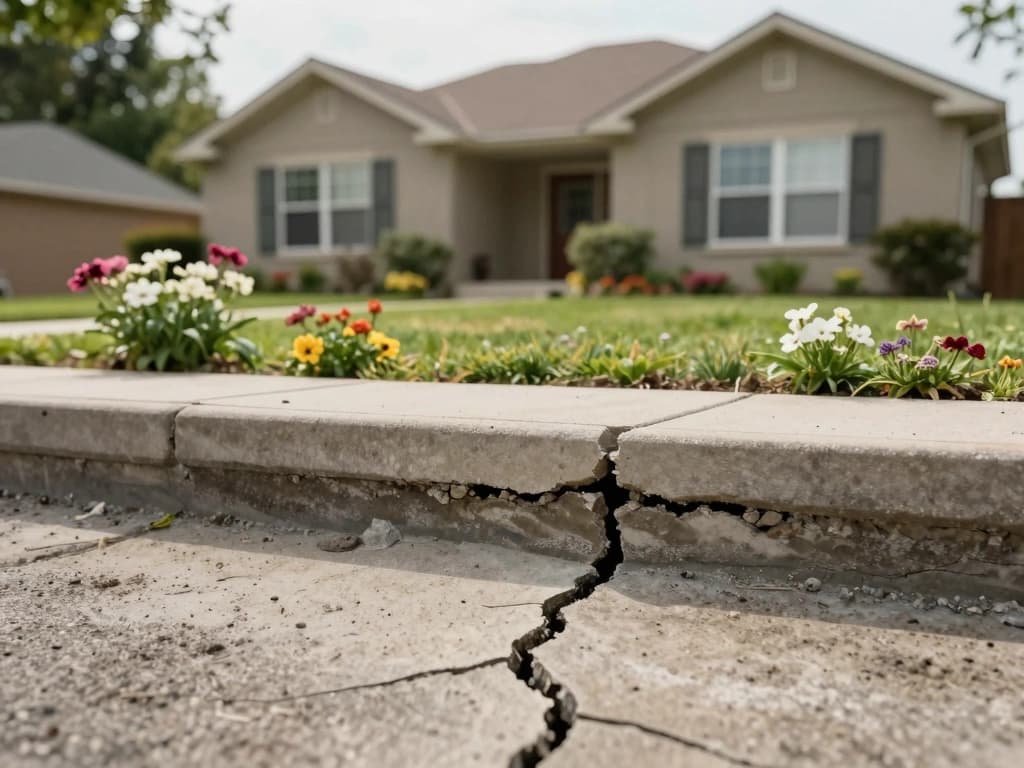
Discover how to evaluate foundation crack severity with our comprehensive guide. Learn to identify issues and protect your home effectively.
Understanding Foundation Cracks
Foundation cracks can be a homeowner's nightmare, often leading to concerns about the structural integrity of the home. Understanding the types of foundation cracks, their causes, and the signs of potential issues is crucial for timely intervention and maintenance. This guide provides a comprehensive overview of evaluating foundation crack severity, ensuring that homeowners are well-equipped to address any issues that may arise.
Types of Foundation Cracks
Foundation cracks can be classified into several types based on their characteristics and causes:
- Vertical Cracks: These are the most common type of foundation cracks and often form due to settling or shrinkage of the concrete as it cures. They usually indicate normal settlement but can also suggest underlying issues.
- Horizontal Cracks: These cracks are more concerning as they often indicate excessive pressure on the foundation walls, usually due to soil expansion or hydrostatic pressure from water accumulation.
- Diagonal Cracks: These cracks typically appear at the corners of windows or doors and can indicate foundation settlement. The angle of the crack can provide insights into the severity and possible causes.
- Step Cracks: These are found in block or brick foundations and follow the mortar joints in a stair-step pattern. They can indicate differential settlement and may require further evaluation.
Common Causes of Foundation Cracks
Foundation cracks can result from a variety of factors, including:
- Soil Movement: Expansive clay soils can swell when wet and shrink when dry, putting pressure on the foundation.
- Poor Drainage: Water pooling near the foundation can lead to increased hydrostatic pressure, resulting in cracks.
- Tree Roots: The roots of nearby trees can absorb moisture from the soil, causing the ground to shift and the foundation to settle unevenly.
- Temperature Changes: Extreme fluctuations in temperature can cause concrete to expand and contract, leading to cracks.
Signs of Potential Issues
Homeowners should be vigilant for various signs that may indicate potential issues with foundation cracks:
- Visible cracks on walls, floors, or ceilings.
- Doors and windows that stick or do not close properly.
- Uneven floors or sloping surfaces within the home.
- Water intrusion in the basement or crawl space.
Criteria for Evaluating Crack Severity
Evaluating the severity of foundation cracks involves a combination of measurement, visual assessment, and the use of specific tools. Understanding these criteria can help homeowners identify whether a crack is a minor issue or a cause for concern.
Measurement Techniques for Cracks
Accurate measurement is essential for determining the severity of foundation cracks. Here are some effective techniques:
- Crack Width Measurement: Using a crack monitor or a caliper, measure the width of the crack at its widest point. Cracks wider than 1/4 inch often require further investigation.
- Length Measurement: Measure the length of the crack to assess its extent. Cracks that extend vertically or horizontally across large sections of the foundation can indicate more severe issues.
- Depth Measurement: A depth gauge can be used to assess how deep the crack penetrates, providing insight into its potential impact on structural integrity.
Visual Indicators of Severity
In addition to measurements, several visual indicators can help assess the severity of foundation cracks:
- Crack Pattern: The pattern of the crack can indicate the underlying cause; for example, horizontal cracks may signal more severe structural issues than vertical cracks.
- Color Changes: Dark stains or efflorescence around the crack may suggest moisture intrusion, which can exacerbate the problem.
- Crack Movement: If a crack appears to be widening over time, this is a significant indicator that the issue is worsening and requires immediate attention.
Tools Used for Assessment
Several tools can assist in the evaluation process:
- Crack Monitors: These devices can be installed on a crack to monitor its movement over time, providing valuable data for assessment.
- Level and Plumb Bob: These tools help assess whether the foundation is settling unevenly or if walls are bowing.
- Moisture Meters: These can detect moisture levels in the foundation, which may indicate water intrusion.
Impact of Crack Severity on Structural Integrity
The severity of foundation cracks can significantly impact the structural integrity of a home. Understanding this relationship is crucial for making informed decisions about repairs and maintenance.
Relation Between Crack Size and Structural Risk
The size of a crack is often directly correlated with the level of risk to the structure. Here’s a breakdown of how different crack sizes can indicate varying degrees of concern:
- Hairline Cracks (< 1/16 inch): Generally considered cosmetic, these cracks do not pose an immediate threat but should be monitored.
- Small Cracks (1/16 inch to 1/4 inch): These may indicate minor settlement and should be evaluated. They can often be repaired with simple methods.
- Medium Cracks (1/4 inch to 1/2 inch): These cracks may suggest more serious issues and require professional evaluation and potentially significant repairs.
- Large Cracks (> 1/2 inch): Cracks of this size are a strong indicator of serious structural problems that could compromise the safety of the home.
Long-Term Consequences of Ignoring Cracks
Ignoring foundation cracks can lead to serious long-term consequences:
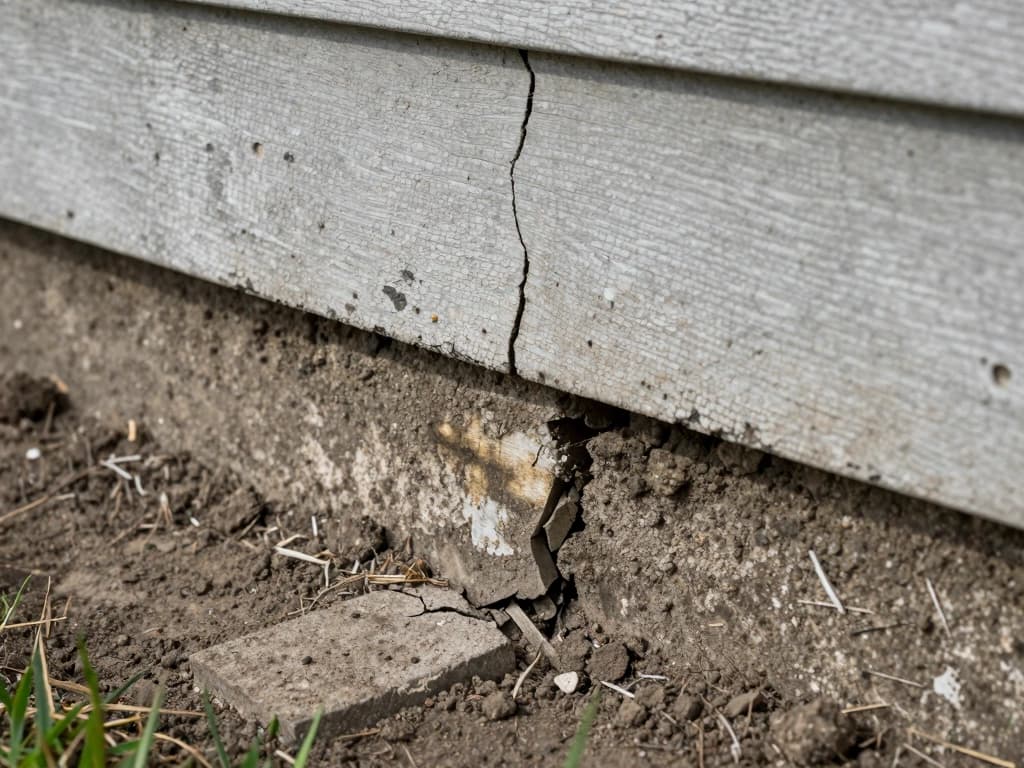
- Structural Damage: Over time, cracks can worsen, leading to significant structural issues that may require expensive repairs.
- Decreased Property Value: Homes with unresolved foundation issues may experience a decrease in market value, making them harder to sell.
- Increased Repair Costs: Early intervention often leads to lower repair costs. Delaying action can result in more extensive damage and higher costs.
Case Studies of Structural Failures
Several documented cases highlight the importance of assessing and addressing foundation cracks:
- Case Study 1: A family in a Chicago suburb ignored small foundation cracks for years. Eventually, water seepage led to severe mold growth and compromised structural integrity, resulting in a $100,000 repair bill.
- Case Study 2: A homeowner in Houston noticed diagonal cracks in their home. They sought immediate professional evaluation, which revealed significant foundation settlement. Timely repairs cost $15,000, preventing further damage.
Repair Options Based on Severity
Once the severity of the foundation cracks has been evaluated, homeowners can consider appropriate repair options tailored to the severity of the issue.
Minor Crack Repair Techniques
For minor cracks, several effective repair techniques can be utilized:
- Epoxy Injection: This method involves injecting epoxy into the crack to bond and seal it, preventing water intrusion and further movement.
- Polyurethane Foam Injection: This technique allows for flexibility and expansion, making it effective for cracks that may experience movement.
- Sealants: Applying a high-quality concrete sealant can help protect minor cracks from moisture infiltration.
Moderate Crack Solutions
Moderate cracks indicate a need for more robust solutions:
- Wall Anchors: Installed to stabilize bowing walls and provide reinforcement, wall anchors can help mitigate moderate structural issues.
- Steel Braces: These can be used to reinforce walls that are experiencing significant lateral pressure, providing a more permanent solution.
- Foundation Underpinning: This process involves extending the foundation to a deeper, more stable soil layer, which can effectively address settling issues.
Severe Crack Remediation Strategies
Severe cracks require immediate and comprehensive interventions:
- Foundation Replacement: In extreme cases where the foundation is beyond repair, complete replacement may be necessary. This is a significant investment and should be a last resort.
- Reinforcement Systems: Advanced systems, such as helical piers or push piers, can be installed to stabilize the foundation and prevent further movement.
- Drainage Improvement: Enhancing drainage around the foundation is critical to preventing further damage, often involving the installation of French drains or grading adjustments.
Preventive Measures and Maintenance
Preventing foundation cracks is always preferable to repairing them. Regular maintenance and proactive measures can significantly reduce the likelihood of foundation issues.
Regular Inspection Practices
Conducting regular inspections can help catch potential issues early:
- Visual Inspections: Monthly checks for new cracks or changes in existing cracks can help homeowners stay on top of potential problems.
- Professional Assessments: Engaging a structural engineer or foundation specialist for an annual check-up can provide peace of mind and expert insights.
Soil and Water Management Techniques
Proper management of soil and water around the foundation is crucial:
- Gutter Maintenance: Ensure gutters are clean and functioning properly to divert water away from the foundation.
- Grading: The ground around the foundation should slope away to prevent water pooling.
- Landscaping: Avoid planting large trees or shrubs close to the foundation, as their roots can disrupt the soil and lead to movement.
Long-Term Maintenance Tips
Implementing long-term maintenance strategies can help prolong the integrity of the foundation:
- Moisture Control: Use dehumidifiers in basements or crawl spaces to control moisture levels and prevent mold growth.
- Regular Maintenance: Address any plumbing leaks swiftly to minimize water exposure near the foundation.
- Seasonal Checks: Inspect the foundation before and after heavy rains or seasonal changes to catch any potential issues early.
In conclusion, evaluating foundation crack severity is crucial for maintaining a safe and stable home. By understanding the types of cracks, their causes, and the appropriate evaluation techniques, homeowners can make informed decisions on repairs and preventive measures. Consistent monitoring and maintenance can significantly reduce the risks associated with foundation cracks, ensuring the longevity and value of the home.