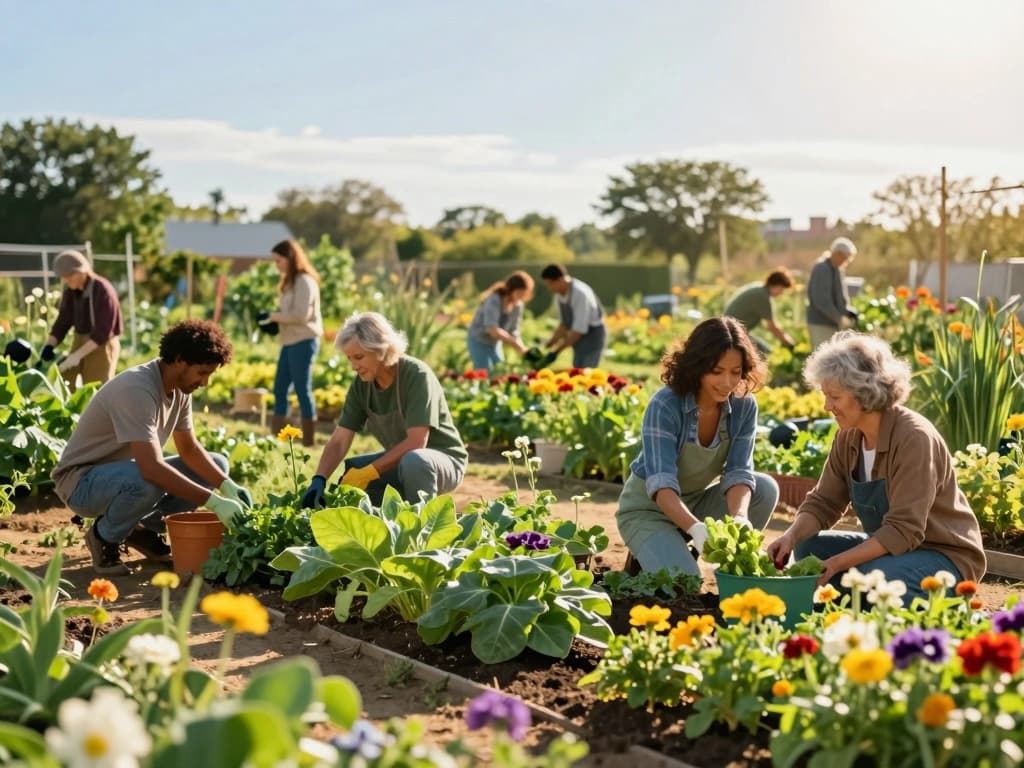
Discover best practices for effective mutual aid networks in communities. Learn how to strengthen support systems and foster resilience in your neighborhood.
Establishing Clear Communication Channels
Effective communication is the backbone of any successful mutual aid network. Clear communication channels ensure that all members are informed, engaged, and able to participate in decision-making processes. Without these channels, misinformation can spread, and community trust can be eroded.
Utilizing Technology for Real-Time Updates
In today's digital age, technology plays a pivotal role in facilitating communication within mutual aid networks. Utilizing platforms like Slack, WhatsApp, or Discord can create spaces for real-time updates and discussions. For instance, a mutual aid network in Portland, Oregon, successfully used a Slack channel to coordinate food distribution efforts during the height of the COVID-19 pandemic. This allowed members to share immediate needs, volunteer availability, and resource allocations efficiently. Moreover, employing tools like Google Forms or SurveyMonkey can help in gathering information quickly. For example, a network could create a form to assess community needs for food or medical supplies, allowing for immediate data collection and response.
Creating Inclusive Communication Practices
Inclusivity in communication means ensuring that all voices within the network are heard and valued. This can involve using multiple languages, offering sign language interpretation, or providing materials in various formats (e.g., audio, visual, and written). A practical example is the "Community Care Collective" in Los Angeles, which emphasizes inclusive practices by providing translation services during meetings and using visual aids to reach members with different learning preferences. This approach ensures that all community members, regardless of their background, can engage meaningfully.
Regular Check-Ins and Feedback Loops
Regular check-ins help to maintain engagement and build community cohesion. These can be formal, such as monthly meetings, or informal, like casual gatherings. Feedback loops, which allow members to voice their opinions on network operations, are essential for continuous improvement. For instance, a mutual aid group in Chicago holds bi-weekly virtual town halls where members can discuss issues, suggest improvements, and celebrate successes. This practice not only fosters a sense of community but also ensures that the network remains responsive to the needs of its members.
Building Trust Within the Network
Trust is a critical element in mutual aid networks, as it influences collaboration, resource sharing, and overall community health. Building trust requires intentional efforts from all members.
Encouraging Transparency and Accountability
Transparency fosters trust. Mutual aid networks should openly share information about decision-making processes, resource allocation, and funding sources. For example, a network can publish a monthly report detailing how funds were spent, the number of people served, and upcoming initiatives. Accountability mechanisms, such as having a rotating leadership structure or oversight committees, can also enhance trust. The "Mutual Aid Network of the Capital District" in New York implemented a system where leaders are accountable to the community through regular updates and community feedback sessions. This has helped solidify trust and commitment among members.
Facilitating Relationship-Building Activities
Creating opportunities for members to interact socially can significantly enhance trust. Organizing community events, such as potlucks, skill-sharing workshops, or social outings, helps individuals form relationships beyond the operational aspects of the network. An example is a mutual aid group in Denver that hosts monthly community dinners, allowing members to share meals, stories, and services they offer. These informal gatherings help break down barriers and create a more cohesive community.
Addressing Conflicts and Misunderstandings
Conflicts are inevitable in any group setting. Having a clear process for addressing conflicts can prevent misunderstandings from escalating. This might involve mediation sessions where parties can express their concerns in a safe environment. For example, a network in San Francisco adopted a conflict resolution protocol that includes steps for mediation and resolution. This structured approach has allowed them to navigate disputes effectively, maintaining harmony within the group.
Resource Management and Allocation
Effective resource management is vital for the sustainability of mutual aid networks. Understanding the community's needs and efficiently allocating resources can significantly impact the network's effectiveness.
Assessing Community Needs and Resources
Before launching initiatives, it’s essential to conduct a thorough assessment of community needs. This can be done through surveys, community forums, or direct outreach. Tools like community mapping can help visualize resources available and identify gaps. For instance, the "Boston Mutual Aid Network" conducted a community survey that revealed significant gaps in access to food and healthcare. This data informed their resource allocation, allowing them to prioritize food distribution and healthcare access initiatives effectively.
Implementing Fair Distribution Practices
Fair distribution practices ensure that resources reach those who need them most. Establishing criteria for resource allocation, such as need-based assessments or prioritizing marginalized groups, can enhance fairness. A successful example is the "Seattle Mutual Aid" initiative, which implemented a points-based system where families in dire need received priority for food and supplies. This system was developed based on community feedback and ensured that limited resources were allocated equitably.

Monitoring Resource Use and Effectiveness
Regular monitoring and evaluation of resource use can help identify successes and areas for improvement. This can be achieved through tracking systems that log resource distribution and gather feedback from recipients. For instance, a mutual aid group in Philadelphia created a simple tracking system using Google Sheets to monitor the distribution of food packages. They regularly reviewed this data to adjust their approach and ensure that they were meeting community needs effectively.
Training and Skill Development
Investing in training and skill development enhances the capacity of mutual aid networks. Empowering members with the necessary skills can lead to more effective operation and engagement.
Identifying Key Skills for Network Members
Assessing the skills present within the network can help identify gaps and areas for development. This could include skills in organization, communication, fundraising, and outreach. For example, a mutual aid network in Austin conducted a skills inventory survey, revealing that many members had experience in grant writing, which they could leverage to secure funding for their initiatives.
Organizing Workshops and Training Sessions
Workshops and training sessions are effective ways to build skills within the network. Topics could range from conflict resolution to fundraising strategies or community organizing techniques. The "New York City Mutual Aid" group has successfully organized monthly workshops that cover a variety of topics, including food justice and mental health first aid. These sessions not only develop skills but also foster camaraderie and collaboration among members.
Creating Mentorship Opportunities
Pairing experienced members with those who are new to the network can facilitate knowledge transfer and skill development. Mentorship can help build confidence and encourage active participation. For instance, a mutual aid group in Minneapolis created a mentorship program where seasoned volunteers guide new members through the processes of resource distribution and community outreach. This program has boosted engagement and retention within the group.
Evaluating and Adapting Network Practices
Continuous evaluation and adaptation of practices are essential for the longevity and effectiveness of mutual aid networks. As community needs change, so too must the strategies employed by the network.
Setting Measurable Goals and Outcomes
Establishing clear, measurable goals helps assess the impact of mutual aid efforts. These goals could focus on the number of individuals served, types of services offered, or resources distributed. A mutual aid network in Atlanta set specific goals to deliver food packages to 500 families per month. By tracking their progress, they were able to adapt their strategies to meet and eventually exceed their targets.
Gathering and Analyzing Feedback
Feedback from community members is invaluable in shaping the direction of the network. Regularly soliciting input through surveys or informal discussions can provide insights into what works and what needs improvement. For example, a group in Boston uses anonymous feedback forms after each community event to gauge satisfaction and gather suggestions for future initiatives. This practice has led to more responsive programming that aligns with community desires.
Adapting Strategies Based on Community Changes
As community dynamics shift, mutual aid networks must be ready to adapt their strategies. This could be in response to demographic changes, emerging needs, or new resources becoming available. A notable case is the "Oakland Mutual Aid Network," which initially focused solely on food distribution. However, as community needs evolved during the pandemic, they adapted to include mental health support and legal assistance, ensuring their services remained relevant and effective.