
Discover why most travel insurance claims are only partially paid and learn how to navigate the claims process effectively for better outcomes.
Understanding the Fine Print of Travel Insurance Policies
Travel insurance is essential for mitigating the financial risks associated with travel. However, many travelers are surprised to discover that their claims are only partially paid. Understanding the intricacies of travel insurance policies can shed light on why this happens. Here, we delve into the common exclusions, limitations, and the crucial importance of policy details.
Common Exclusions in Travel Insurance
One of the primary reasons claims are only partially paid is due to common exclusions present in most travel insurance policies. These exclusions are specific conditions or situations under which the insurance company will not provide coverage. Some prevalent exclusions include:
- Pre-existing medical conditions: Insurance companies often exclude coverage for medical issues that existed prior to the policy's purchase. For example, if a traveler has a history of heart disease and suffers a related incident while traveling, their claim may be denied.
- Traveling against government advisories: If a traveler goes to a destination that the government has warned against, such as a country with ongoing conflicts or natural disasters, their claims related to incidents occurring there may be denied.
- Participation in high-risk activities: Many policies do not cover injuries resulting from activities deemed high-risk, such as extreme sports or scuba diving. A traveler injured while bungee jumping may find their claim for medical expenses only partially covered or denied altogether.
Limitations on Coverage Amounts
Another factor leading to partial payments is the limitations on coverage amounts defined in the policy. Most travel insurance policies have caps on specific types of claims, such as:
- Medical expenses: A policy might cover medical expenses up to $100,000. If a traveler requires surgery costing $150,000, they will be responsible for the additional $50,000.
- Trip cancellation: Policies may only reimburse non-refundable expenses up to a certain amount, say $2,500. If a traveler incurs $3,000 in cancellation costs, they will only receive partial reimbursement.
The Importance of Policy Details
Reading and understanding the fine print of travel insurance policies is crucial. Many travelers assume they are fully covered without recognizing the specific terms and conditions that delineate their coverage. For instance, a traveler may believe they are insured for trip delays, only to discover that their policy excludes delays caused by weather, which is often a common reason for travel disruptions.
The Role of Documentation in Claim Approval
Documentation plays a pivotal role in the approval of travel insurance claims. Insurers require detailed evidence to substantiate claims, and the absence of adequate documentation often leads to partial payouts or outright denials.
Required Documentation for Successful Claims
To ensure a successful claim, travelers must provide specific documentation, which may include:
- Medical reports: For health-related claims, a detailed report from the treating physician is often necessary.
- Receipts and invoices: Proof of expenses incurred, such as hotel bookings or medical bills, must be submitted.
- Police reports: In cases of theft or loss, a police report is typically required as part of the claim.
How Incomplete Claims Affect Payouts
Submitting an incomplete claim can severely impact the payout. For instance, a traveler who files a claim for lost luggage but fails to provide the original purchase receipt may receive only a fraction of the reimbursement based on depreciated value. This highlights the importance of thorough documentation.
The Impact of Misrepresentation on Claims
Misrepresentation of facts when filing a claim can lead to significant repercussions. If an insurer discovers that a traveler did not disclose a pre-existing condition or altered the circumstances of the claim, they may deny the claim entirely. For instance, if a traveler states they were on a leisure trip but were actually engaged in a high-risk business venture, this could invalidate their entire claim.
Factors Influencing Claim Assessment by Insurers
Insurers have various methods and metrics for assessing claims, which ultimately influence claim payouts. Understanding these factors can be beneficial for travelers.
Claim Adjuster's Role in Determining Payouts
Claim adjusters play a crucial role in evaluating claims. They investigate the circumstances surrounding the claim, assess the documentation provided, and determine the legitimacy of the request. Their findings can significantly impact the payout amount. For instance, if an adjuster finds discrepancies in the documentation, they may approve a lower payout or deny the claim altogether.
How Claims are Valued and Priced
The valuation of claims is often based on a combination of policy limits, actual expenses incurred, and depreciation. For example, if a traveler claims for a stolen laptop worth $1,200 but only purchased the policy that covers up to $800 for personal belongings, they will only receive $800. Additionally, if the laptop is deemed to have depreciated in value, the payout may be further reduced.
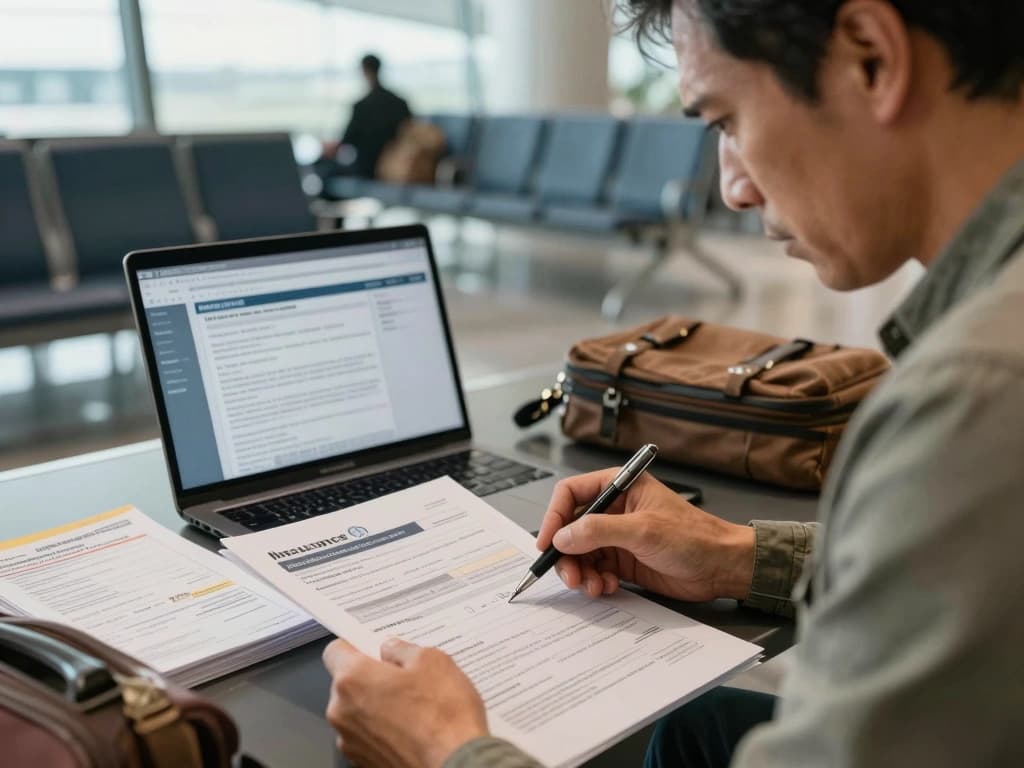
The Influence of Past Claim Trends on Current Claims
Insurers often analyze past claim trends when assessing current claims. If a particular type of claim has historically resulted in higher payouts or fraudulent activity, insurers may take a more cautious approach. For example, if a surge in false medical claims is reported, insurers may scrutinize medical claims more rigorously, potentially leading to partial payouts for legitimate claims due to heightened scrutiny.
Common Misunderstandings Among Travelers
Many travelers harbor misconceptions about their travel insurance policies, leading them to be unprepared for partial payouts. Awareness of these misunderstandings can better equip travelers when purchasing and utilizing their policies.
Overestimating Policy Coverage
A common misunderstanding is the overestimation of what policies cover. Many travelers believe that all expenses incurred while traveling will be covered. For example, a traveler might think that any medical expense incurred abroad will be fully reimbursed. They may not realize that there are limits to coverage for specific treatments or that certain treatments may not be covered at all due to exclusions.
Misinterpretation of 'Travel Disruptions'
Travel disruptions can encompass a wide range of situations, including flight cancellations, delays, and missed connections. However, travelers often misinterpret what is covered. For instance, a traveler may assume that all delays qualify for compensation, but many policies exclude delays caused by natural disasters, which are increasingly common in today’s climate. Understanding these nuances is vital to avoid disappointment.
Assumptions About Medical Coverage Abroad
Travelers frequently assume that their health insurance will extend to medical coverage abroad, leading to confusion when they file claims. For example, a traveler who expects their domestic health insurance to cover a hospital stay in a foreign country may be shocked to find that their travel insurance only partially covers the cost due to limits on foreign medical expenses.
Strategies for Maximizing Travel Insurance Claims
To ensure that travelers receive the maximum possible payout from their travel insurance claims, they should employ effective strategies to navigate the complexities of their policies.
Choosing the Right Policy for Your Needs
When purchasing travel insurance, it is crucial to select a policy that aligns with your travel plans and potential risks. For example, a frequent traveler might benefit from an annual multi-trip policy that covers a wide range of scenarios, while a traveler embarking on a high-risk adventure trip should look for a policy that specifically covers those activities.
Best Practices for Filing Claims
Filing a claim can be a daunting process, but adhering to best practices can facilitate smoother outcomes. Travelers should:
- Keep all receipts and documentation: Maintaining organized records ensures that all required information is readily available when filing a claim.
- File claims promptly: Most policies have time limits for filing claims, so it is essential to submit them as soon as possible.
- Provide comprehensive details: When filling out claims forms, being thorough and precise about the circumstances and expenses will help avoid misunderstandings.
When to Seek Professional Assistance
In cases of complicated claims or disputes with insurers, it may be beneficial to seek professional assistance. Insurance brokers or claims advocates can provide invaluable support, ensuring that claims are filed correctly, and disputes are handled effectively. For example, if a traveler is uncertain about the documentation required or believes they are being unfairly denied, consulting a professional may improve their chances of receiving a fair payout.
In conclusion, while travel insurance is designed to protect travelers from unforeseen circumstances, the reality is that many claims are only partially paid. Understanding the nuances of policy exclusions, the importance of documentation, and the various factors influencing claim assessments is essential for maximizing the benefits of travel insurance. By being informed and strategic, travelers can navigate the complexities of travel insurance and enhance their chances of receiving the full compensation they deserve.