Discover why fiber is essential for gut health over probiotics. Learn how fiber supports digestion, balances bacteria, and boosts overall wellness.
The Role of Fiber in Supporting Gut Microbiota Diversity
Understanding Microbiota Diversity
Gut microbiota refers to the trillions of microorganisms residing in the gastrointestinal tract, playing a critical role in human health. A diverse microbiota is crucial for various bodily functions, including digestion, immune response, and even mental health. Studies indicate that a diverse gut microbiome is associated with lower levels of inflammation and a reduced risk of chronic diseases.
The composition of gut microbiota is influenced by several factors, including genetics, age, diet, and lifestyle. Among these, diet is one of the most significant influencers, with fiber-rich foods being pivotal. A diverse range of dietary fibers contributes to the variety of beneficial bacteria, creating a healthy ecosystem in the gut.
How Fiber Fuels Beneficial Bacteria
Fiber acts as a food source for beneficial gut bacteria, allowing them to thrive and multiply. When we consume fiber, it passes through the digestive tract largely undigested until it reaches the colon, where it serves as a substrate for fermentation by gut bacteria. This fermentation process produces short-chain fatty acids (SCFAs) such as butyrate, acetate, and propionate, which are essential for gut health.
For instance, butyrate is particularly beneficial as it serves as the primary energy source for colon cells, enhances the gut barrier function, and possesses anti-inflammatory properties. This relationship between fiber and beneficial bacteria highlights the foundational role of fiber in maintaining a healthy gut microbiome.
Comparative Impact of Probiotics and Fiber
While probiotics, which are live beneficial bacteria found in fermented foods and supplements, can contribute to gut health, they often do not have the same lasting impact as fiber. Probiotics can improve gut health temporarily by introducing beneficial strains, but their effects may diminish once they exit the digestive system. In contrast, fiber not only feeds existing beneficial bacteria but also encourages the growth of a more diverse range of microbial species over time.
Research has shown that the addition of fiber to the diet leads to increased microbial diversity, which is often not achieved through probiotic supplementation alone. For example, a study conducted by the American Journal of Clinical Nutrition found that a high-fiber diet significantly increased the abundance of beneficial bacteria in the gut compared to a low-fiber diet.
Fiber as a Prebiotic: Nourishing Your Gut
What Are Prebiotics and Their Importance?
Prebiotics are non-digestible carbohydrates that promote the growth and activity of beneficial gut bacteria. Unlike probiotics, which are live microorganisms, prebiotics serve as food for the existing bacteria, enhancing their function and proliferation. This interaction is vital because a healthy microbiome directly correlates with improved digestion, enhanced immunity, and overall well-being.
Research indicates that prebiotics can help mitigate gastrointestinal distress, improve mineral absorption, and even influence mood by producing neurotransmitters. Prebiotics, primarily found in high-fiber foods, serve as the backbone of a thriving gut microbiome.
Types of Fiber That Act as Prebiotics
Several types of fiber function as prebiotics, including:
- Inulin: Found in foods like chicory root, garlic, and onions, inulin is a soluble fiber that stimulates the growth of beneficial bacteria like Bifidobacteria.
- Oligofructose: Present in bananas and asparagus, oligofructose helps increase the number of healthy gut bacteria.
- Psyllium: Often used as a laxative, psyllium also acts as a prebiotic, promoting the growth of beneficial bacteria.
- Resistant Starch: Found in legumes, whole grains, and unripe bananas, resistant starch is not digested in the small intestine and ferments in the colon, producing beneficial SCFAs.
Incorporating a variety of these fibers into your diet can significantly enhance your gut health.
Limitations of Probiotics in Prebiotic Functionality
While probiotics can be beneficial, they have limitations, particularly when it comes to their role as prebiotics. Most probiotic strains require specific conditions to thrive, and without sufficient prebiotic fiber, their benefits may be short-lived. Moreover, not all probiotics are created equal; some may not survive the journey through the digestive tract, rendering them ineffective.
Additionally, the effectiveness of probiotics can vary from person to person due to individual differences in gut microbiota composition. This highlights the importance of focusing on fiber as a more reliable means of supporting gut health, as it is universally beneficial regardless of individual microbiome profiles.
Fiber's Effect on Gut Motility and Health
How Fiber Promotes Regular Bowel Movements
One of the most well-known benefits of dietary fiber is its role in promoting regular bowel movements. Soluble fiber absorbs water and forms a gel-like substance, which softens stools and makes them easier to pass. Insoluble fiber, on the other hand, adds bulk to the stool and accelerates its transit through the intestines.
According to the National Institute of Diabetes and Digestive and Kidney Diseases, adults should aim for about 25-30 grams of fiber per day for optimal digestive health. A diet rich in fiber can help prevent constipation, reduce the risk of hemorrhoids, and lower the chances of developing diverticular disease.
Fiber's Role in Preventing Digestive Disorders
Fiber has been linked to lower risks of various digestive disorders, including colorectal cancer, inflammatory bowel disease, and irritable bowel syndrome (IBS). Studies have shown that a high-fiber diet can reduce the risk of colorectal cancer by up to 25% by promoting regular bowel movements and reducing the time carcinogens stay in contact with the intestinal lining.
Furthermore, soluble fiber has been shown to help manage symptoms of IBS by regulating bowel movements and reducing bloating. This protective effect of fiber on gut health is a crucial reason why it should be prioritized over probiotics for long-term digestive health.
Probiotics vs. Fiber in Enhancing Gut Motility
While probiotics can offer some benefits in terms of enhancing gut motility, their effects are often temporary. Probiotics may help alleviate occasional constipation or diarrhea, but they do not provide a long-term solution. In contrast, fiber’s consistent effect on gut motility helps establish a healthy routine for bowel movements.
A study published in the journal Gut found that participants who increased their fiber intake experienced greater improvements in bowel regularity compared to those who only supplemented with probiotics.
Long-term Gut Health Benefits: Fiber vs. Probiotics
Fiber's Contribution to Gut Barrier Function
The gut barrier is vital for preventing harmful substances from entering the bloodstream and maintaining overall health. Fiber contributes to gut barrier function by promoting the production of SCFAs, which strengthen the tight junctions between gut cells. This reduces intestinal permeability, often referred to as "leaky gut."
When the gut barrier is compromised, it can lead to systemic inflammation and various health issues, including autoimmune diseases and metabolic disorders. A high-fiber diet has been linked to improved gut barrier integrity, thereby enhancing overall health and well-being.
Probiotics and Their Temporary Nature
While probiotics can temporarily enhance gut health, their effects are often transient. Once consumed, the beneficial bacteria in probiotics can provide a short-term boost to gut health, but they do not establish a lasting presence in the microbiome. Without continuous intake, the benefits can diminish quickly.
In contrast, a consistent intake of fiber can lead to sustained improvements in gut health by fostering a diverse and resilient microbiome. This long-term perspective emphasizes the superiority of fiber in promoting enduring gut health benefits.
Research Findings on Long-term Fiber Consumption
Numerous studies support the long-term benefits of fiber consumption for gut health. A large-scale study published in the New England Journal of Medicine found that individuals who consumed a high-fiber diet had a significantly lower risk of developing colorectal cancer and other gastrointestinal diseases over a 20-year period.
Furthermore, research has shown that long-term fiber consumption is associated with improved gut microbiota diversity, lower inflammation levels, and enhanced metabolic health. These findings underscore the essential role of fiber in maintaining gut health over time, far surpassing the limited benefits provided by probiotics.
Integrating Fiber into Your Diet for Optimal Gut Health
High-Fiber Foods to Include in Your Diet
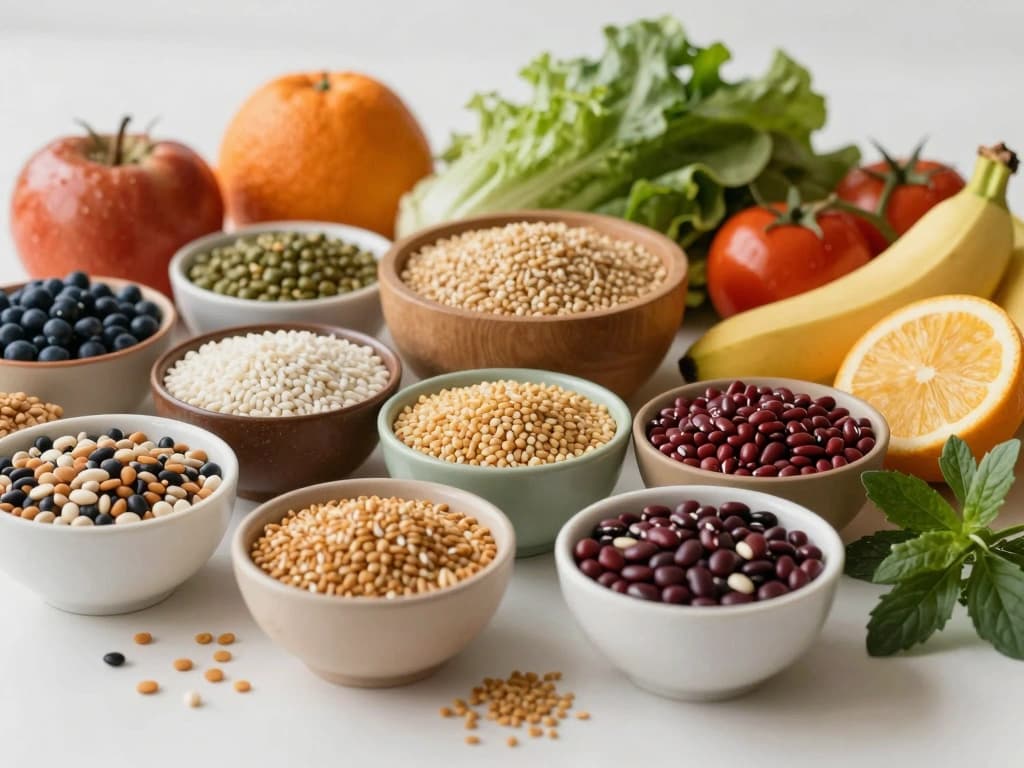
Incorporating high-fiber foods into your diet is essential for promoting gut health. Some excellent sources of dietary fiber include:
- Fruits: Apples, bananas, berries, and pears are rich in fiber and make for nutritious snacks.
- Vegetables: Broccoli, carrots, Brussels sprouts, and artichokes are fiber-packed choices that can enhance meals.
- Whole Grains: Foods like quinoa, brown rice, oats, and whole wheat bread provide substantial fiber.
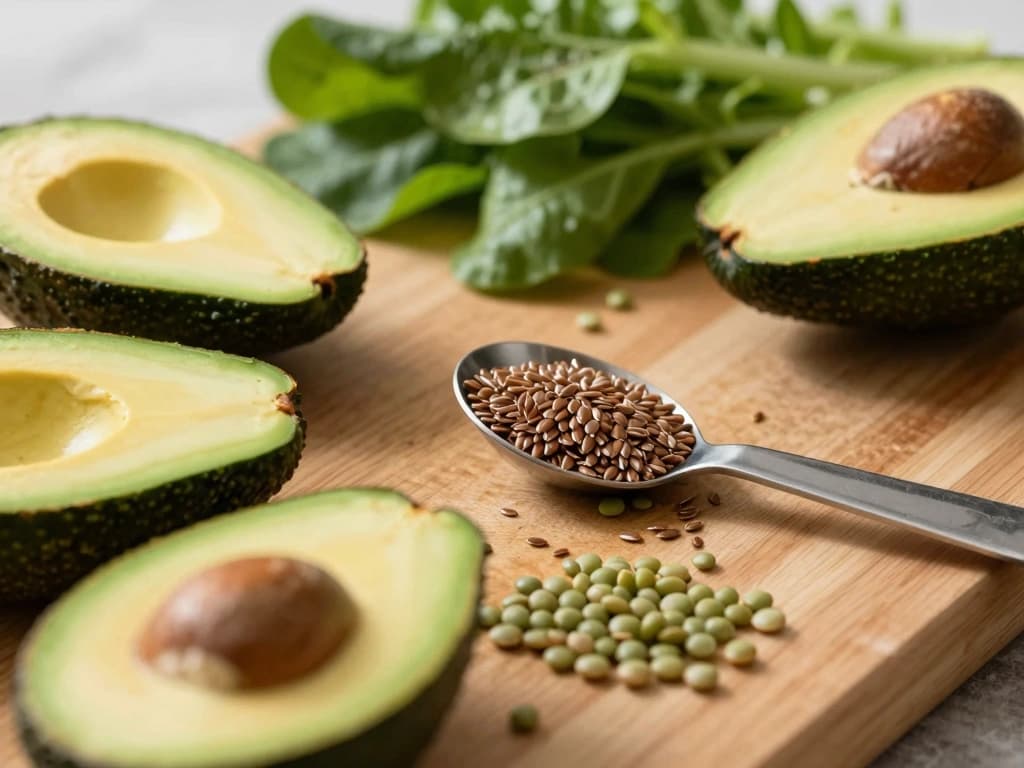
- Legumes: Lentils, chickpeas, and black beans are excellent sources of both protein and fiber.
- Nuts and Seeds: Almonds, chia seeds, and flaxseeds are nutrient-dense and high in fiber.
Practical Tips for Increasing Fiber Intake
To effectively increase your fiber intake, consider the following practical tips:
- Start Slowly: Gradually increase fiber intake to prevent digestive discomfort. Aim for an additional 5 grams per week until you reach your target.
- Read Labels: Choose products that contain at least 3 grams of fiber per serving.
- Incorporate Variety: Mix different fiber sources in your meals to maximize benefits.
- Snack Wisely: Opt for fruits, nuts, or whole-grain snacks instead of processed options.
- Stay Hydrated: Drink plenty of water as you increase fiber to aid digestion and prevent constipation.
Balancing Fiber and Probiotic Sources for Overall Health
While fiber should be the cornerstone of your dietary strategy for gut health, that doesn't mean probiotics should be entirely overlooked. Consuming both can provide complementary benefits. For example, pairing high-fiber foods with probiotic-rich foods like yogurt or fermented vegetables can create a synergistic effect, enhancing gut health even further.
Incorporating a variety of fiber sources while occasionally consuming probiotics can help maintain a balanced gut microbiome and contribute to overall health. However, the emphasis should remain on fiber as the primary driver for long-term gut health.