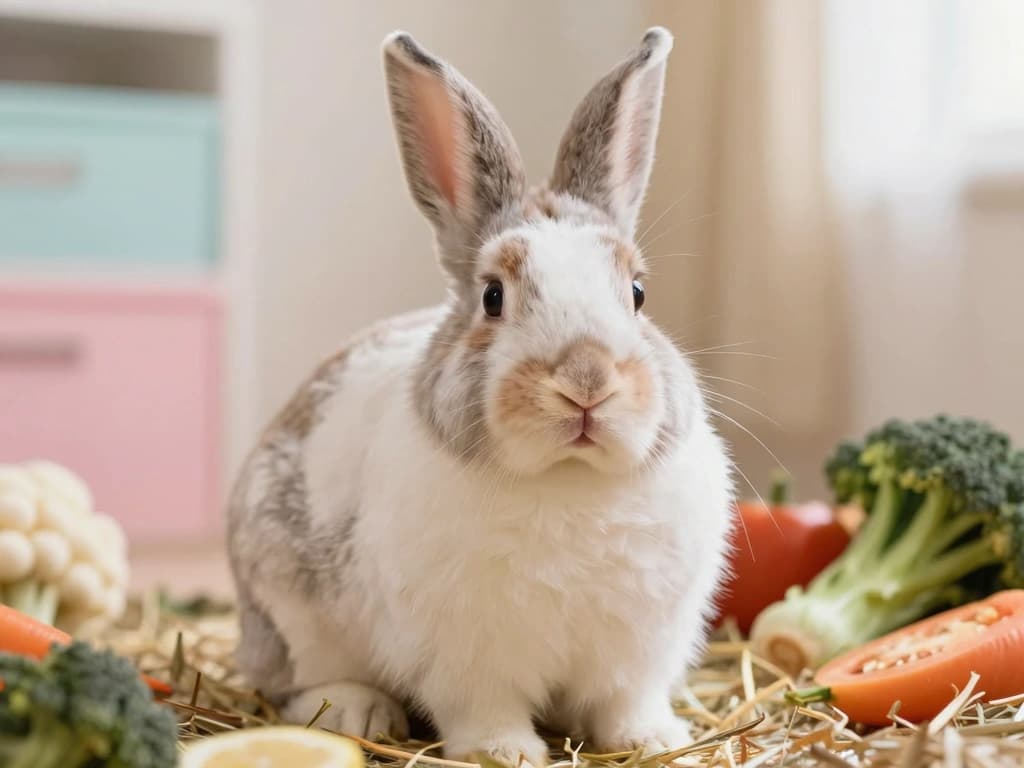
Learn about rabbit gut stasis, a life-threatening condition. Discover symptoms, causes, and essential care tips to keep your pet healthy and happy.
What is Rabbit Gut Stasis?
Definition and Overview
Rabbit gut stasis, medically known as gastrointestinal stasis, is a severe condition characterized by a slowdown or complete cessation of the digestive process in rabbits. This condition can lead to a buildup of gas and toxins in the gastrointestinal tract, potentially causing life-threatening complications. Understanding gut stasis is crucial for rabbit owners, as timely intervention can make a significant difference in outcomes. It is essential to recognize that gut stasis is not a disease on its own but a symptom of underlying issues affecting a rabbit's digestive system.
Physiology of Rabbit Digestion
Rabbits are unique among mammals in their digestive physiology. They possess a highly specialized system designed to process fibrous plant material. Their digestive tract includes a large cecum, where fermentation occurs, allowing them to extract nutrients from grass and hay effectively. The normal digestive process involves:
- Ingestion: Rabbits consume their food rapidly, using their constantly growing incisors to shred fibrous materials.
- Fermentation: In the cecum, beneficial bacteria ferment the ingested fiber, producing essential nutrients and energy sources, such as volatile fatty acids.
- Excretion: Rabbits produce two types of droppings: hard fecal pellets and cecotropes, the latter being nutrient-rich soft feces that they re-ingest for optimal nutrient absorption.
A balanced digestive process is vital for rabbit health, and any disruption can lead to significant health issues, including gut stasis.
Common Causes of Gut Stasis
Several factors can contribute to the onset of gut stasis in rabbits. Understanding these causes can help pet owners implement preventive measures:
- Dietary Issues: A diet low in fiber or high in carbohydrates can disrupt the normal digestive process. For instance, feeding rabbits excessive fruits or pellets instead of hay can lead to gut stasis.
- Stress: Rabbits are sensitive creatures, and stress from changes in their environment, such as moving to a new home, the presence of predators, or loud noises, can trigger gut stasis.
- Illness: Underlying health issues, such as dental problems, gastrointestinal infections, or other systemic diseases, can impair digestion.
- Dehydration: Inadequate water intake can lead to hard fecal pellets, making it difficult for rabbits to pass waste.
- Lack of Exercise: A sedentary lifestyle may slow down a rabbit's digestive process, making them more susceptible to gut stasis.
Identifying Symptoms of Gut Stasis
Behavioral Changes in Affected Rabbits
Behavioral symptoms are often the first indicators of gut stasis. A rabbit experiencing gut stasis may display the following changes:
- Decreased Appetite: Affected rabbits often show a marked decrease in their desire to eat, which can be one of the earliest signs of a problem.
- Lethargy: Rabbits may become less active, spending more time lying down and showing little interest in play or interaction.
- Hunched Posture: A rabbit in pain due to gastrointestinal discomfort may adopt a hunched posture, indicating distress.
- Grooming Changes: A decrease in grooming behavior may be observed, leading to unkempt fur.
Physical Signs and Symptoms
In addition to behavioral changes, physical symptoms can further indicate gut stasis:
- Abdominal Discomfort: Affected rabbits may exhibit signs of discomfort when their abdomen is touched, and the abdomen may feel firm or distended.
- Reduced Fecal Output: A significant decrease in fecal pellet production or the presence of small, hard pellets can signal digestive issues.
- Excessive Teeth Grinding: Also known as bruxism, this behavior can indicate pain and discomfort.
- Dehydration Signs: Symptoms of dehydration, such as dry mucous membranes or sunken eyes, can be present in severely affected rabbits.
When to Seek Veterinary Help
It is crucial for rabbit owners to recognize when to seek veterinary assistance. If a rabbit exhibits any combination of the above symptoms, particularly a significant decrease in appetite or fecal output, immediate veterinary consultation is essential. Delaying treatment can lead to severe complications, including shock, perforation of the intestines, and ultimately death.
The Role of Diet in Gut Health
Importance of Fiber in a Rabbit's Diet
Fiber is a cornerstone of a rabbit's diet and plays a critical role in maintaining gut health. A high-fiber diet promotes normal gut motility and prevents the development of gut stasis. Rabbits require a diet that consists mainly of:
- Hay: Timothy hay, orchard grass, and meadow hay should make up about 80% of a rabbit's diet. These hays are high in fiber and help keep the digestive system functioning properly.
- Fresh Vegetables: Leafy greens such as romaine lettuce, kale, and parsley should be offered daily in moderation.
- Limited Pellets: High-quality rabbit pellets can be given in small amounts (1/4 cup per 5 lbs of body weight) but should not be the primary food source due to their lower fiber content.
Foods that Promote Digestive Health
In addition to hay and fresh vegetables, certain foods can enhance digestive health:
- Probiotic Supplements: Products like Oxbow Natural Science Digestive Support can help restore healthy gut flora.
- Timothy Hay-Based Treats: Treats made primarily from hay, such as hay cubes or hay sticks, can provide additional fiber.
- Herbs: Fresh herbs like mint, basil, and cilantro can be beneficial and are often enjoyed by rabbits.
Common Dietary Mistakes to Avoid
To maintain optimal digestive health, rabbit owners should avoid these common dietary pitfalls:
- High-Carbohydrate Foods: Foods such as seeds, grains, or high-fructose fruits should be limited, as they can disrupt the gut's natural balance.
- Sudden Dietary Changes: Abrupt changes in diet can lead to gastrointestinal upset; any transition should be gradual over several days.
- Neglecting Water Intake: Always provide fresh, clean water. Dehydration can exacerbate digestive issues.
Consequences of Untreated Gut Stasis
Potential Complications and Risks
If left untreated, rabbit gut stasis can lead to several severe complications:
- Gastrointestinal Obstruction: A buildup of gas and fecal matter can cause blockages, requiring surgical intervention.
- Peritonitis: An inflamed gastrointestinal tract can lead to peritonitis, a life-threatening infection of the abdominal cavity.
- Shock and Death: Severe gut stasis can lead to shock, dehydration, and, if not addressed promptly, death.
Impact on Rabbit's Overall Health
The overall health of a rabbit can decline rapidly due to gut stasis. Prolonged stasis can lead to:
- Nutritional Deficiencies: Inability to absorb nutrients can weaken the immune system and overall health.
- Weight Loss: Affected rabbits may lose weight quickly, impacting their energy levels and vitality.
- Behavioral Changes: The stress and discomfort associated with gut stasis can alter a rabbit's behavior, leading to increased aggression or withdrawal.
Long-term Prognosis for Affected Rabbits
The long-term prognosis for rabbits that suffer from gut stasis depends on several factors, including the underlying cause, the duration of the stasis, and the promptness of treatment. Rabbits that receive timely veterinary care and proper management can often recover fully. However, those with chronic digestive issues may face recurring problems and require ongoing management and monitoring.
Preventive Measures and Management Strategies
Creating a Digestive-Friendly Environment
Preventing gut stasis begins with creating an environment conducive to healthy digestion. Rabbit owners can take several steps:
- Provide Unlimited Hay: Ensure that high-quality hay is available at all times, encouraging constant nibbling and promoting digestive health.
- Minimize Stress: Maintain a calm environment, avoiding loud noises and sudden changes that may stress the rabbit.
- Encourage Exercise: Provide ample space and opportunities for physical activity to stimulate digestion.
Regular Health Checks and Monitoring
Regular veterinary check-ups are essential for early detection of potential health issues. Monitoring your rabbit's:
- Eating Habits: Track changes in appetite and dietary preferences.
- Fecal Output: Regularly check for the consistency and quantity of fecal pellets.
- Weight: Weigh your rabbit weekly to catch any sudden weight loss early.
Effective Treatment Options and Home Care
In cases where gut stasis occurs, immediate veterinary intervention is crucial. Treatment options may include:
- Fluid Therapy: Veterinarians may administer subcutaneous or intravenous fluids to rehydrate and support gastrointestinal function.
- Medications: Prescription medications such as motility agents (e.g., metoclopramide) and pain relief (e.g., buprenorphine) may be used.
- Home Care: Once stabilized, owners can assist by providing a fiber-rich diet, ensuring hydration, and monitoring for any recurring symptoms.
In conclusion, understanding rabbit gut stasis is vital for all rabbit owners. By recognizing symptoms early, providing a proper diet, and ensuring regular veterinary care, the risks associated with this life-threatening condition can be significantly mitigated. A proactive approach can help maintain a rabbit's digestive health and overall well-being, ensuring a longer and happier life for these beloved pets.