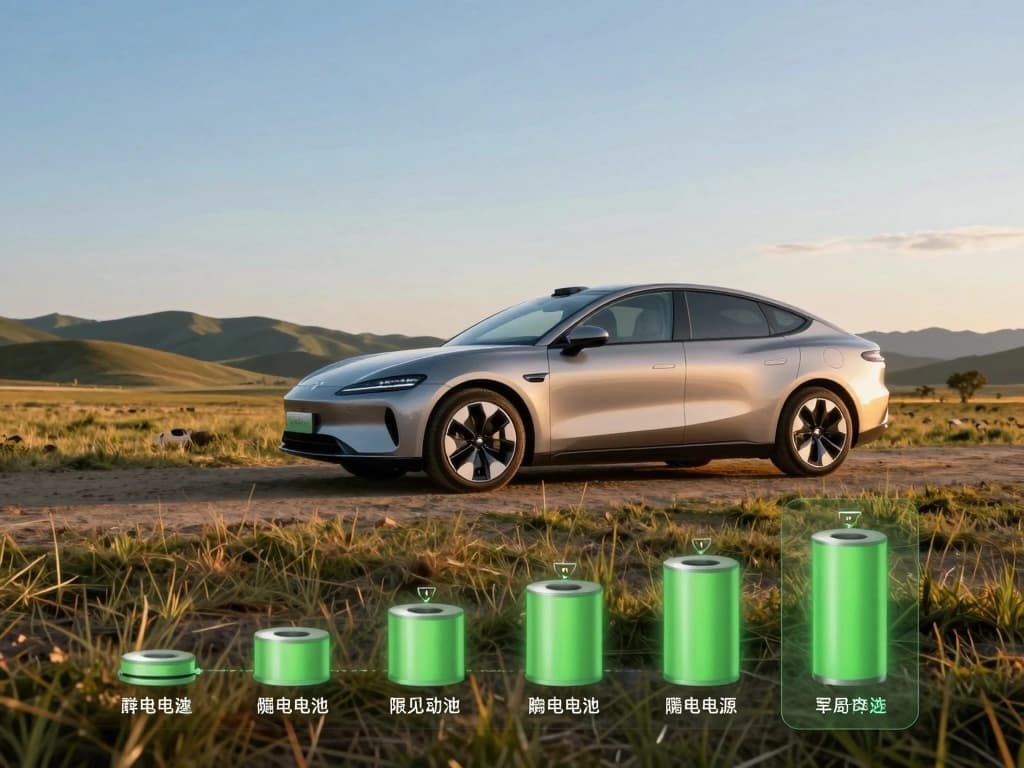
Discover how EV battery degradation progresses over time and learn tips to extend your battery's lifespan in our comprehensive guide.
The Chemistry Behind EV Battery Degradation
Understanding Lithium-Ion Chemistry
Electric vehicles (EVs) predominantly use lithium-ion batteries due to their high energy density, efficiency, and relatively low self-discharge rates. These batteries operate through electrochemical reactions between the anode (typically made of graphite) and cathode (often a lithium metal oxide). When the battery charges, lithium ions move from the cathode to the anode, and during discharge, they flow back, generating electrical energy. However, over time, these chemical processes can lead to degradation, impacting the battery's performance and lifespan.
Common Degradation Mechanisms
Several key mechanisms contribute to EV battery degradation:
- Solid Electrolyte Interphase (SEI) Formation: As lithium ions move in and out, a layer of electrolyte decomposition products forms on the anode surface. This SEI layer is crucial for battery function but can grow excessively, impeding ion flow.
- Electrolyte Decomposition: High temperatures or prolonged exposure to extreme voltages can lead to the breakdown of the electrolyte, further reducing capacity.
- Lithium Plating: When charging at low temperatures, lithium can deposit on the anode instead of intercalating, leading to reduced capacity and potential safety risks.
- Electrode Material Degradation: Repeated charge and discharge cycles can cause physical alterations in the electrode materials, diminishing their effectiveness.
The Role of Temperature in Battery Health
Temperature plays a pivotal role in the health and longevity of EV batteries. High temperatures can accelerate chemical reactions that lead to degradation, while extremely low temperatures can hinder performance and increase internal resistance. For instance, studies indicate that battery performance can drop by approximately 20% in temperatures below 0°C (32°F). Conversely, consistently operating above 30°C (86°F) can decrease battery lifespan significantly, often leading to a reduction of usable life by years.
Stages of EV Battery Degradation Over Time
Initial Capacity Loss
The first noticeable stage of battery degradation typically occurs within the first 10-20% of the battery's lifespan. This initial capacity loss is often attributed to the formation of the SEI layer and other early degradation mechanisms. For example, a new EV with a 60 kWh battery may experience a 5-10% reduction in capacity after only a few months of use, particularly if subjected to frequent fast charging.
Gradual Capacity Fade
Following the initial loss, the battery enters a phase of gradual capacity fade. Over time, the total capacity can decline at a more linear rate, typically around 1-2% per year under normal operating conditions. However, harsher charging habits, extreme temperatures, or high discharge rates can exacerbate this decline. By the time an EV reaches 100,000 miles, it may retain only 70-80% of its original capacity, depending on usage patterns.
End-of-Life Battery Performance
Eventually, an EV battery reaches the end of its useful life when it can no longer hold a charge sufficient for practical use—often defined as when capacity drops below 70%. At this stage, the vehicle's range may be significantly reduced, necessitating replacement. For instance, a Tesla Model S battery, originally rated for 300 miles, may only provide around 200 miles or less after years of use and degradation.
Factors Influencing Battery Degradation Rate
Charging Habits and Their Impact
Charging habits significantly influence battery health. Regularly using fast chargers can lead to increased heat generation, accelerating degradation. For example, frequent use of a DC fast charger can lead to a more rapid decline compared to using a Level 2 charger. It is advisable for EV owners to utilize slower charging methods whenever possible, reserving fast charging for long trips or emergencies.
Environmental Conditions and Battery Lifespan
Environmental factors, particularly temperature and humidity, also affect battery degradation rates. Batteries stored or operated in hotter climates can degrade faster than those in temperate zones. A study indicates that EV batteries in regions like Arizona, where temperatures can exceed 40°C (104°F), show accelerated capacity loss compared to those in cooler climates. Additionally, high humidity can lead to increased corrosion and other chemical reactions detrimental to battery health.
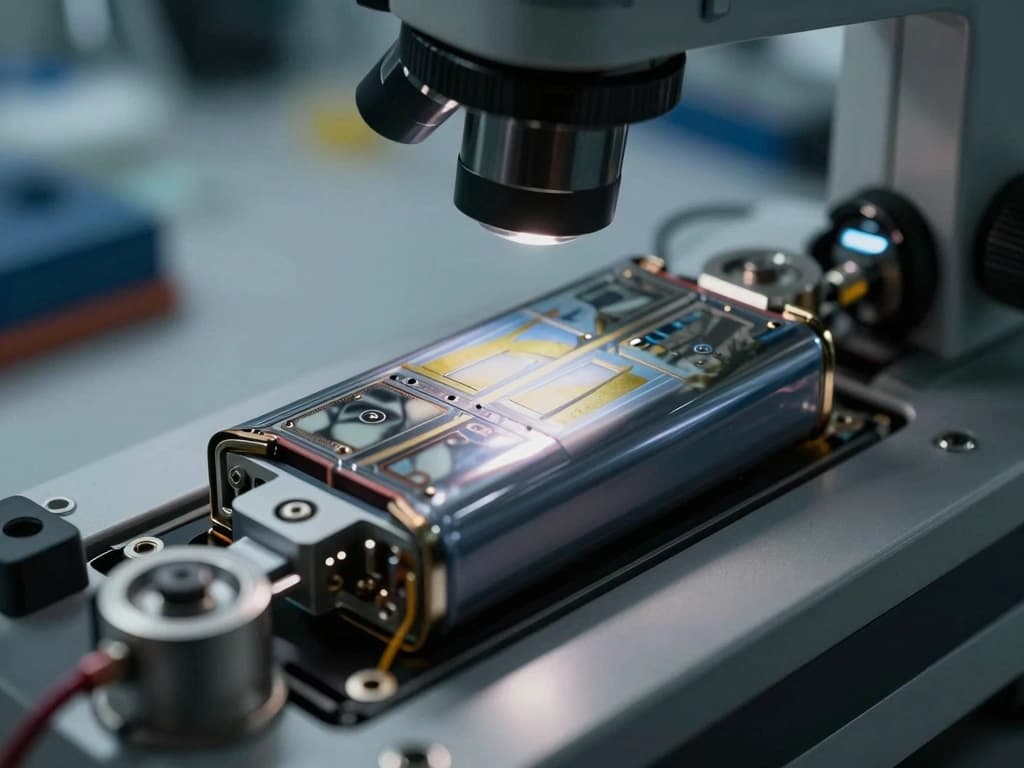
Driving Patterns and Their Effects on Degradation
Driving patterns can also impact battery degradation. Frequent short trips can prevent the battery from reaching optimal operating temperatures, leading to incomplete charge cycles and higher degradation rates. Conversely, regular long drives can help maintain battery health by promoting full charge and discharge cycles. For instance, a driver who consistently drives their EV for short errands may experience more rapid degradation than someone who regularly takes longer trips at highway speeds.
Measuring and Monitoring Battery Health
Common Metrics for Assessing Battery Health
To gauge battery health, several metrics are commonly used:
- State of Charge (SoC): Indicates the current charge level as a percentage of the total capacity.
- State of Health (SoH): Reflects the current capacity relative to the original capacity, expressed as a percentage.
- Cycle Count: The total number of complete charge and discharge cycles the battery has undergone, which correlates with degradation rates.
- Internal Resistance: Increased internal resistance can indicate degradation and reduced efficiency.
Tools and Technologies for Battery Monitoring
Many modern EVs come equipped with built-in battery management systems (BMS) that monitor various health metrics in real-time. Additionally, third-party applications and diagnostic tools, such as the Torque Pro app or specialized OBD-II scanners, can provide insights into battery health. These tools enable users to track metrics like SoC, SoH, and cycle counts, giving a clearer picture of battery performance over time.
Interpreting Battery Health Reports
Understanding battery health reports can be complex. A typical report may include information about capacity loss, cycle count, and internal resistance. For instance, a report indicating a SoH of 80% suggests that the battery can only store 80% of its original capacity, which may be acceptable for some users but concerning for others. Regularly reviewing these reports can help owners anticipate potential issues and plan for battery replacement or maintenance.
Strategies to Mitigate Battery Degradation
Optimal Charging Practices
To extend battery life, adopting optimal charging practices is essential. Here are some recommended strategies:
- Avoid Full Charges: Regularly charging to 100% can accelerate degradation. Aiming for 80-90% charge is generally considered ideal.
- Utilize Scheduled Charging: Many EVs offer features to charge during off-peak hours, which can help manage heat and improve battery longevity.
- Limit Fast Charging: Use fast chargers sparingly and prefer Level 2 chargers for daily use.
Temperature Management Techniques
Managing battery temperature is crucial for longevity. Here are some effective techniques:
- Park in Shade: Whenever possible, park in shaded areas or garages to avoid excessive heat.
- Use Climate Control: Preconditioning the vehicle while still plugged in can help manage battery temperature before driving.
- Monitor Temperature: Utilize apps or vehicle systems that provide temperature readings to anticipate potential issues.
Long-Term Maintenance Tips for EV Owners
Long-term maintenance is essential for ensuring the longevity of an EV battery. Owners should:
- Regularly Review Battery Health: Keep track of health metrics and address any significant declines early.
- Follow Manufacturer Guidelines: Adhere to the recommended charging practices and maintenance schedules provided by the manufacturer.
- Consider Battery Conditioning: Some EVs offer battery conditioning features that optimize battery performance, especially in extreme temperatures.