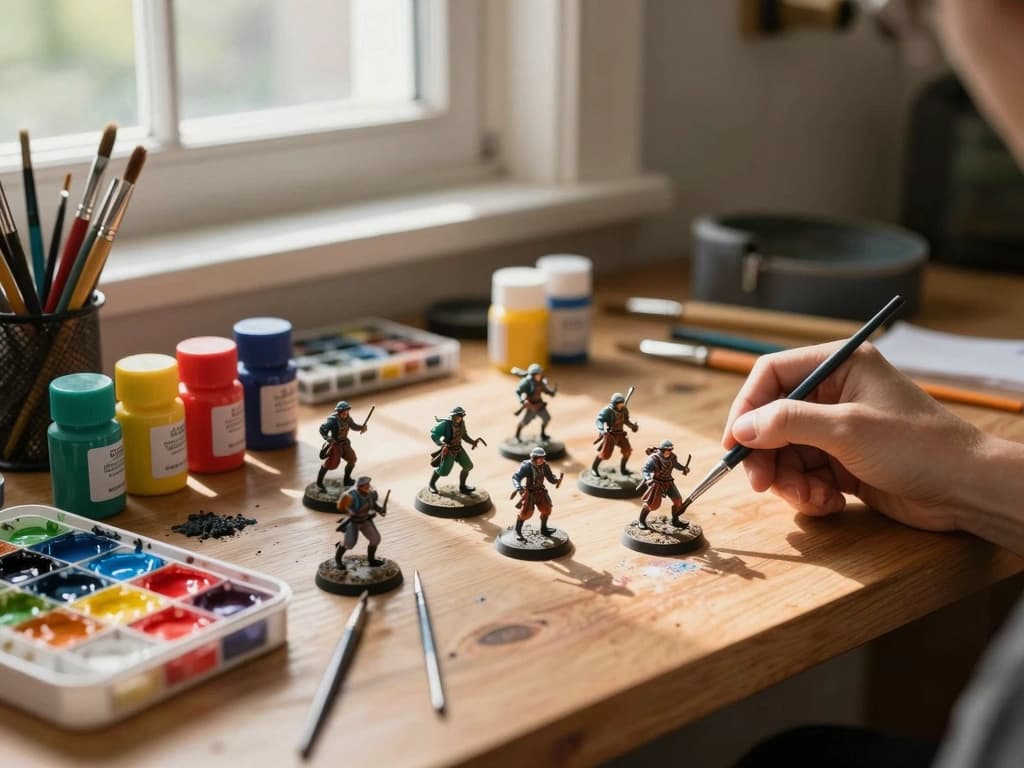
Discover essential tips for sourcing materials that ensure success in miniature wargaming painting. Elevate your hobby with the right supplies and techniques!
Understanding the Essential Materials for Miniature Painting
Miniature wargaming painting is not only a hobby but an art form that requires specific materials for optimal results. Whether you are a beginner or a seasoned painter, understanding the essentials can significantly impact your painting experience. This guide will help you navigate the materials needed for success in miniature painting.
Types of Paints and Their Uses
The foundation of any miniature painting project is the paint itself. Various types of paints are available, each serving different purposes:
- Acrylic Paints: These are the most commonly used paints for miniatures due to their quick drying time, ease of use, and water-solubility. Brands like Citadel, P3, and Reaper offer a wide range of colors suitable for miniature painting.
- Enamel Paints: Known for their durability and glossy finish, enamel paints such as those from Testors are ideal for specific applications where a robust finish is required. However, they take longer to dry and require solvents for cleaning.
- Wash and Ink: Washes and inks are used to create depth and shadows in your paint job. Citadel's Nuln Oil and P3's Dark Tone are excellent examples that provide great shading effects.
- Airbrush Paints: If you are venturing into airbrushing, products like Vallejo Air or Badger are specifically formulated for use in airbrushes, offering finer control and smoother finishes.
Brushes: Selecting the Right Tools
The right brushes are crucial for achieving fine detail and smooth application. Here are the types of brushes you may consider:
- Detail Brushes: These are typically smaller (size 00 to 1) and are perfect for intricate work. Brands like Winsor & Newton offer high-quality options that are favored by many painters.
- Basecoating Brushes: A larger brush (size 2 to 4) is ideal for quickly applying base coats to larger areas. Army Painter brushes are popular for their affordability and performance.
- Drybrushes: Specifically designed for drybrushing techniques, these brushes have stiffer bristles that help highlight raised surfaces on miniatures.
Other Supplies: Primers, Varnishes, and More
Beyond paints and brushes, several additional supplies can enhance your painting process:
- Primers: A good primer is essential for ensuring paint adheres well to the miniature. Citadel's Chaos Black and Vallejo's Surface Primer are examples that provide a solid foundation.
- Varnishes: To protect your painted miniatures, applying a varnish is crucial. Testors Dullcote is widely used for its matte finish, while Army Painter's Anti-Shine Varnish is another excellent choice.
- Palettes and Water Containers: Investing in a good wet palette can help keep your paints workable longer, while a clean, sturdy water container is essential for brush cleaning.
Where to Source Quality Miniature Painting Materials
Knowing where to find quality materials can make a significant difference in your painting experience. Here are some options for sourcing your supplies:
Local Hobby Shops: Pros and Cons
Local hobby shops can be a great resource for miniature painting materials:
- Pros:You can see and feel the products before purchasing, ensuring quality.
- Local shops often have knowledgeable staff who can offer advice and recommendations.
- Supporting local businesses contributes to your community.
Cons:
- Prices may be higher compared to online retailers due to overhead costs.
- Stock may be limited, especially for specific brands or types of paint.
- Hours of operation may not fit your schedule.
Online Retailers: Finding the Best Deals
Online shopping offers convenience and often better prices. Consider the following:
- Specialty Retailers: Websites like Miniature Market and Element Games are dedicated to gaming and painting supplies, often featuring discounts and sales.
- General Retailers: Amazon and eBay can be useful for finding a variety of products, often at competitive prices. However, be cautious and check seller ratings to ensure quality.
- Direct from Manufacturers: Many paint brands have their own online stores, allowing you to purchase directly from the source, sometimes with exclusive deals or bundles.
Second-Hand Markets: Budget-Friendly Options
For budget-conscious painters, second-hand markets can provide excellent opportunities:
- Online Marketplaces: Websites like Facebook Marketplace and Craigslist often have sellers offering used painting supplies at reduced prices.
- Local Swap Meets: Many gaming clubs and conventions hold swap meets where you can trade or buy used materials.
- Community Groups: Joining local or online painting groups can lead to opportunities for purchasing or trading materials with fellow hobbyists.
Evaluating Material Quality for Optimal Results
Understanding how to evaluate the quality of your materials can significantly improve your painting results. Here’s how to assess various supplies:
Identifying High-Quality Paints
When it comes to paints, look for the following qualities:
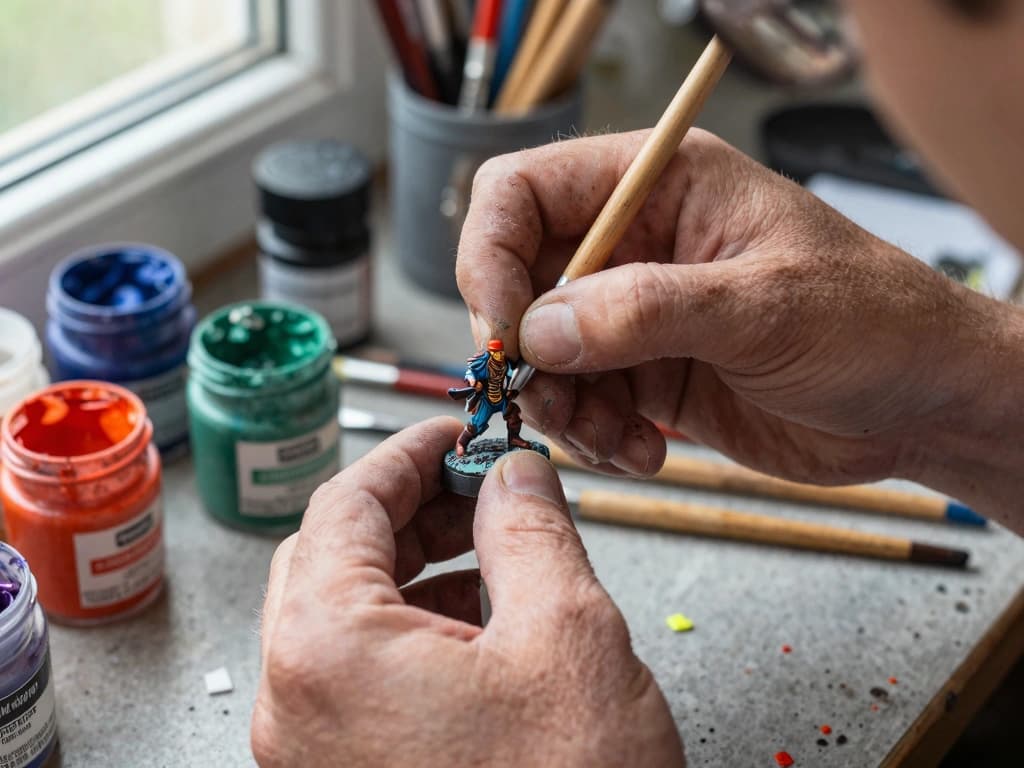
- Consistency: High-quality paints should have a smooth and creamy texture that flows well. Test a few colors to find the right balance between fluidity and opacity.
- Coverage: A good paint should cover the base color in one or two coats. Brands like Citadel and Vallejo are known for their excellent coverage.
- Color Range: A broad spectrum allows for more creativity and better blending options. Ensure the brand you choose offers a variety of shades.
Assessing Brush Quality and Performance
Brush quality is vital for achieving fine detail:
- Material: Natural hair brushes (like sable) often provide better performance for detail work, while synthetic brushes are more durable and easier to clean.
- Shape and Point: Ensure that brushes maintain their shape after cleaning. A good brush should have a fine point for detail work and a flat edge for base coating.
- Price vs. Quality: While you don’t need to buy the most expensive brushes, be wary of very cheap options, as they often do not perform well.
Understanding the Importance of Primers and Sealers
Primers and sealers are often overlooked but crucial components of the painting process:
- Primers: A primer prepares the surface of the miniature, ensuring better adhesion of paint and enhancing the overall finish. Look for primers that dry quickly and leave a smooth surface.
- Sealants: Once your miniature is painted, applying a sealer protects the paint from chipping and fading. Choose a sealer that matches your desired finish (matte, satin, or gloss).
Building a Personal Inventory of Painting Supplies
Establishing a well-organized inventory of your painting supplies can streamline your workflow and improve your efficiency:
Organizing Your Materials for Easy Access
Consider these organizational tips to make your painting experience smoother:
- Storage Solutions: Utilize tackle boxes or craft organizers to keep paints, brushes, and tools sorted. Label each section for easy identification.
- Dedicated Workspace: Create a specific area for painting that is well lit and equipped with all necessary materials within arm's reach.
Tracking Usage and Replenishment Needs
Keeping track of your supplies ensures that you never run out of critical materials:
- Inventory Lists: Maintain a running list of your supplies, noting when items need replenishing. This can be done digitally or on paper.
- Usage Logs: Track how much of each paint you use in a typical session to predict when you'll need to buy more.
Creating a Budget for Future Purchases
Establishing a budget can help manage your expenses and prioritize your needs:
- Monthly Allowance: Decide on a reasonable amount to allocate to your hobby each month, factoring in both essential supplies and fun extras.
- Sale Awareness: Keep an eye on sales and discounts, and adjust your budget accordingly to take advantage of these opportunities.
Innovative Sourcing Techniques for Miniature Painters
As the hobby of miniature painting continues to grow, so do the creative ways to source materials:
DIY Solutions for Custom Paints and Tools
Creating your own solutions can be both fun and economical:
- Mixing Paints: Experimenting with mixing your paints can lead to unique colors and textures tailored to your specific needs.
- Custom Tools: Create your own drybrushes by modifying existing brushes or using household items like sponges for unique effects.
Networking with Other Painters for Shared Resources
Building relationships with fellow painters can provide access to a wealth of resources:
- Collaborative Purchases: Join forces with other painters to buy supplies in bulk, reducing costs for everyone involved.
- Tool Sharing: If a friend owns an expensive airbrush or other specialty tools, consider sharing resources to save on individual costs.
Participating in Painting Communities for Material Swaps
Online forums and local clubs often host material swaps:
- Community Events: Engage in local gaming events or conventions where material swaps are organized, allowing you to trade excess supplies with others.
- Online Groups: Join Facebook groups or Reddit threads dedicated to miniature painting where members frequently offer to swap or sell unused materials.