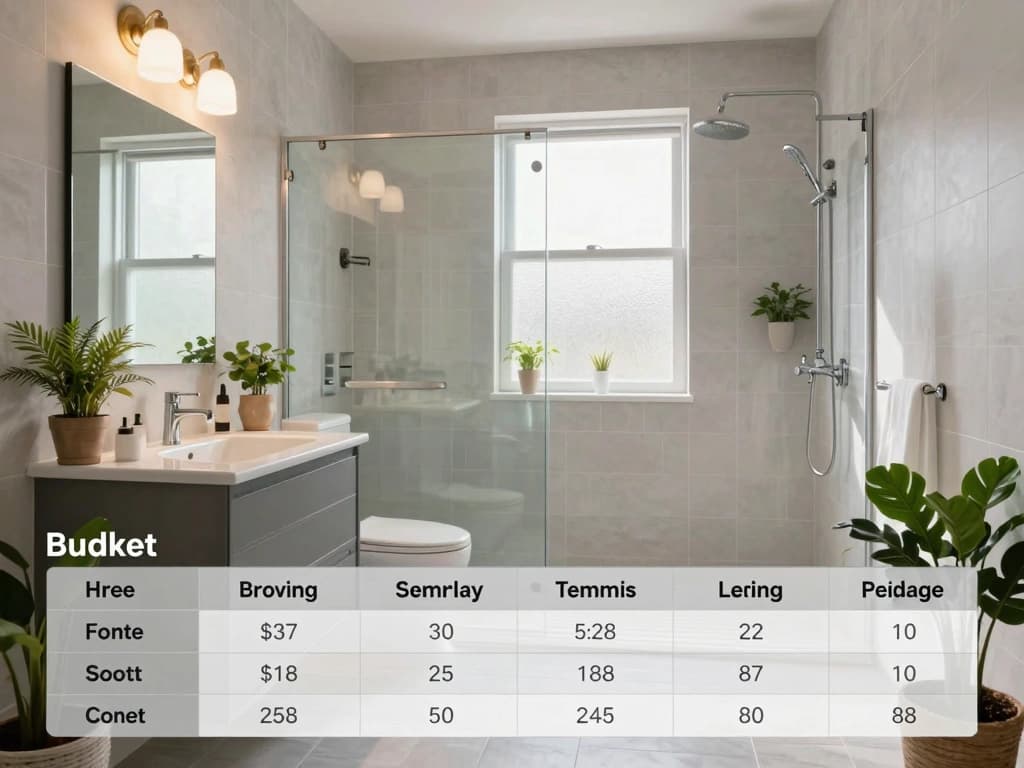
Discover essential tips and a detailed cost breakdown for your small bathroom remodel. Stay on budget while transforming your space into a stylish retreat.
Understanding the Average Costs of a Small Bathroom Remodel
Remodeling a small bathroom can be an exciting yet daunting task, especially when it comes to budgeting. Understanding the average costs associated with a bathroom remodel is crucial for planning an effective and financially sound project.
Labor Costs Breakdown
Labor costs can significantly influence your total remodeling budget. Typically, labor can account for 20% to 35% of the overall project cost. For a small bathroom remodel, which usually ranges from $5,000 to $15,000, this translates to approximately $1,000 to $5,000 for labor. The cost of labor varies based on location, the complexity of the work, and the experience of the contractors. Here’s a rough estimate of labor costs for various tasks:
- Plumbing: $45 to $200 per hour
- Electrical work: $50 to $100 per hour
- Tile installation: $5 to $15 per square foot
- Drywall installation: $1.50 to $3 per square foot
- Painting: $2 to $6 per square foot
For example, if you plan to install new tiles in a 5x8 bathroom (which equals 40 square feet), labor costs alone could range from $200 to $600.
Material Costs and Their Variability
Material costs fluctuate based on quality, brand, and the type of materials chosen. A budget-friendly bathroom remodel might allocate 50% to 75% of the total budget towards materials. Here are some common materials and their approximate costs:
- Bathroom vanities: $200 to $1,500
- Toilets: $100 to $500
- Bathtubs: $300 to $1,500
- Showers: $500 to $2,000
- Tiles: $1 to $15 per square foot
- Paint: $30 to $75 per gallon
Choosing high-end materials can quickly inflate costs. For instance, opting for marble tiles instead of ceramic can increase tile costs from $1 per square foot to $15 per square foot, significantly impacting your budget.
Permits and Additional Fees
Before beginning your remodel, it’s essential to budget for permits, which may vary by location. On average, permit fees can range from $100 to $1,000 depending on the extent of your remodel and local regulations. Additional fees may include:
- Inspection fees: $50 to $200
- Waste disposal fees: $50 to $300
For example, if your remodel involves significant plumbing or electrical work, you might need multiple permits, which could add up to $500 or more.
Prioritizing Your Remodel: Essential vs. Optional Features
When planning a small bathroom remodel, it’s crucial to distinguish between essential upgrades and optional features. This prioritization can help you stay within budget while achieving the desired improvements.
Identifying Must-Have Upgrades
Focus on upgrades that will enhance functionality and safety. Essential upgrades typically include:
- Replacing outdated plumbing fixtures: Old pipes can lead to leaks and water damage.
- Updating electrical wiring: Ensure your bathroom is up to code for safety.
- Installing a new toilet: A low-flow model can save on water bills.
In a remodel budget of $10,000, allocating around $3,000 to $5,000 for these must-haves is reasonable.
Choosing Budget-Friendly Alternatives
If you're looking to cut costs, consider budget-friendly alternatives. For instance:
- Refinishing cabinets instead of replacing: This can save you hundreds to thousands of dollars.
- Using laminate countertops instead of granite: Laminate can cost $25 to $50 per square foot compared to $60 to $200 for granite.
- Choosing peel-and-stick tiles: These can mimic the look of traditional tiles at a fraction of the price.
These alternatives can help maintain a stylish appearance without breaking the bank.
Timing and Scheduling for Cost Efficiency
Timing your remodel can also impact costs. Consider the following tips:
- Off-Peak Season: Schedule your remodel during the off-peak seasons (late fall or winter) when contractors may offer lower rates due to reduced demand.
- Consolidating tasks: Plan your remodel in a way that multiple contractors can work simultaneously, saving you both time and money.
By being mindful of timing, you can optimize costs and ensure a smoother remodel process.
Smart Sourcing: Where to Find Affordable Materials
Finding affordable materials is a crucial part of budgeting for a small bathroom remodel. Knowing where to source your materials can lead to significant savings.
Local Hardware Stores vs. Big-Box Retailers
Local hardware stores can sometimes offer competitive prices and personalized service, while big-box retailers like Home Depot or Lowe's often have a wider variety of options and bulk purchasing discounts. For instance, a standard vanity might cost $800 at a big-box store but could be found for $600 at a local shop during a sale. Always compare prices before purchasing.
Utilizing Online Marketplaces and Auctions
Online marketplaces such as Craigslist, Facebook Marketplace, or eBay can be gold mines for discounted materials. You can often find:
- Used bathroom fixtures: Sinks, toilets, and vanities can be found at reduced prices.
- Leftover tiles: Many contractors sell surplus materials at a fraction of the cost.
For example, purchasing a gently used sink for $100 instead of $300 can significantly reduce your expenses.
Considerations for Salvaged and Reclaimed Materials
Salvaged materials can add a unique touch to your bathroom while being budget-friendly. Consider:
- Reclaimed wood for shelving: Often available at local salvage yards, it can cost as little as $1 per board foot.
- Vintage fixtures: These can offer character and may be cheaper than new counterparts.
However, ensure that salvaged items are in good condition and suitable for bathroom use to avoid future costs related to repairs.
Cost-Saving Tips for Hiring Professionals
Hiring professionals can help ensure a successful remodel, but costs can add up quickly. Here are some tips for managing those costs.
Finding Reputable Contractors within Your Budget
To find a reputable contractor that fits your budget:
- Ask for referrals: Get recommendations from friends or family who have recently remodeled.
- Check online reviews: Websites like Angie’s List or Yelp can provide insights into a contractor's reliability and quality.
Aim to get at least three quotes to compare costs and services offered.
Understanding the Value of Quotes and Bids
When obtaining quotes, look for detailed breakdowns of costs. A good quote should include:
- Material costs
- Labor costs
- Timeline for completion
Understanding these details can help you identify areas where you may need to negotiate or adjust your plans.
Negotiating Payment Terms and Project Scope
Don’t hesitate to negotiate payment terms or the scope of work. You might suggest:
- Paying in installments based on project milestones.
- Adjusting the scope to focus on essential upgrades first and planning for optional features in the future.
This approach allows you to manage cash flow and ensure that you are investing in the most critical aspects of your remodel.
DIY Options: When to Do It Yourself and Save
Taking on some tasks yourself can save money, but it’s important to know when to DIY and when to hire a professional.
Assessing Your Skill Level for Bathroom Projects
Before diving into DIY, evaluate your skills honestly. Consider:
- What tasks you’re comfortable with: Painting and minor plumbing tasks are often manageable for DIYers.
- Complex tasks: Electrical and major plumbing work should typically be left to professionals.
If you lack experience, consider taking a home improvement class or watching online tutorials to build your confidence.
Tools and Resources for DIY Success
Investing in the right tools can make DIY projects easier. Some essential tools for bathroom remodeling include:
- Tile cutter: $30 to $150
- Power drill: $50 to $200
- Level: $10 to $50
Many local hardware stores offer tool rental services, allowing you to access high-quality tools without the full purchase price.
Common DIY Mistakes and How to Avoid Them
Common pitfalls in DIY bathroom remodeling can lead to increased costs. Some mistakes include:
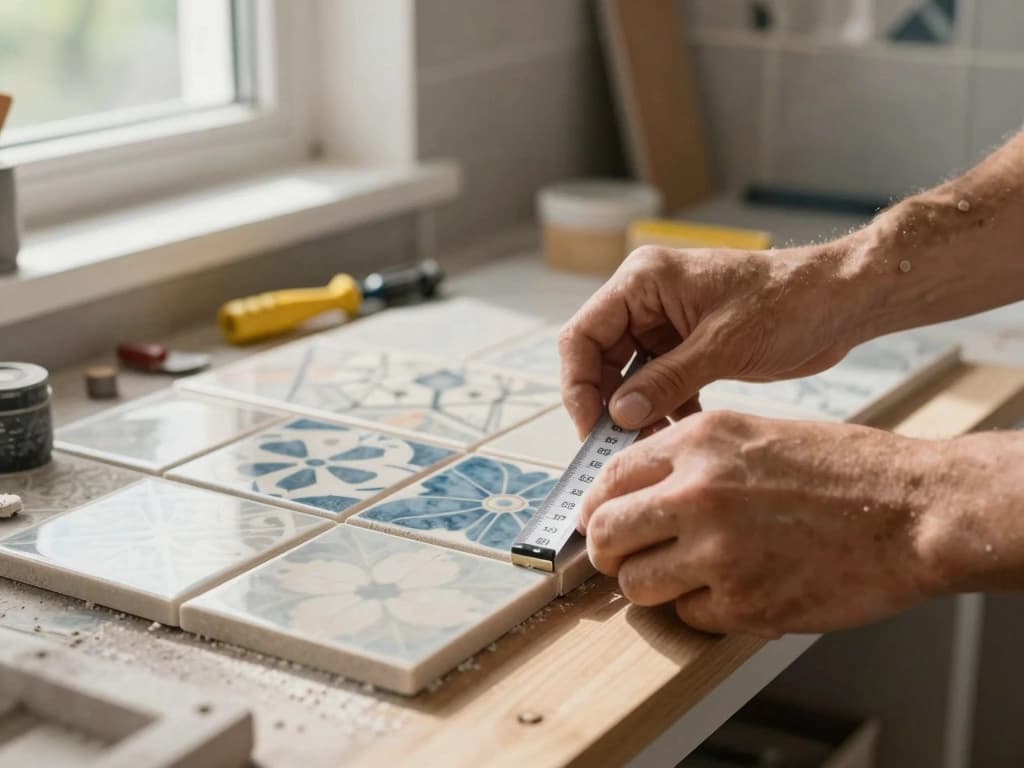
- Improper measurements: Always double-check measurements to avoid costly mistakes.
- Rushing the project: Taking your time ensures better results and reduces the risk of errors.
- Ignoring ventilation: Proper ventilation is crucial in bathrooms to prevent mold growth.
By preparing adequately and taking your time, you can avoid these common mistakes and keep your project within budget.