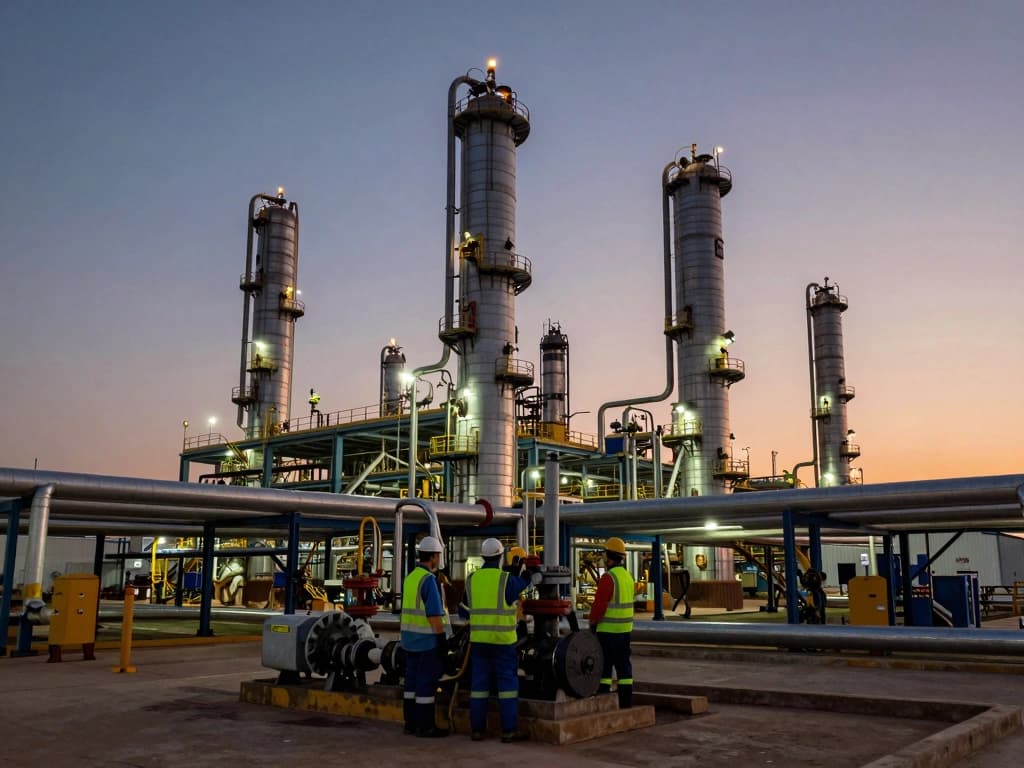
Discover effective strategies for scheduling turnaround maintenance in oil refineries. Maximize efficiency and minimize downtime with our comprehensive guide.
Understanding Turnaround Maintenance in Oil Refineries
Definition and Importance of Turnaround Maintenance
Turnaround maintenance in oil refineries refers to the planned and periodic shutdown of operations for the purpose of conducting comprehensive maintenance and repair activities. This critical process is necessary for ensuring the long-term integrity, safety, and operational efficiency of the refinery. Turnarounds typically involve extensive inspections, repairs, and sometimes, upgrades of equipment and systems used in the refining process. Given the complexity of refinery operations, these turnarounds are not merely routine checks; they are pivotal events that can determine the productivity and reliability of the entire facility.
Key Objectives of Scheduled Turnarounds
The primary objectives of scheduled turnarounds in oil refineries include:
- Safety Assurance: Ensuring that all equipment and processes meet safety standards to protect personnel and the environment.
- Regulatory Compliance: Meeting legal and industry regulations, which often mandate specific maintenance practices.
- Operational Efficiency: Minimizing downtime and maximizing output when the refinery is operational.
- Cost Management: Reducing unexpected failures and associated costs by proactively addressing maintenance needs.
Regulatory and Safety Considerations
Regulatory compliance is a non-negotiable aspect of turnaround maintenance. Refineries must adhere to stringent environmental and safety regulations set forth by governing bodies such as the Environmental Protection Agency (EPA) in the United States and the Health and Safety Executive (HSE) in the UK. These regulations dictate the frequency and nature of maintenance activities, especially concerning hazardous materials and emissions. For example, the Clean Air Act mandates thorough inspections of emissions control equipment during turnarounds to ensure compliance with air quality standards.
Factors Influencing Turnaround Scheduling
Operational Efficiency and Production Cycles
One of the most significant factors influencing turnaround scheduling is the refinery's operational efficiency and production cycles. Refineries typically operate on a continuous basis, with production cycles that can span several months. Scheduling turnarounds requires careful planning to align with these cycles. For instance, a refinery may choose to conduct maintenance during a period of lower demand, such as during seasonal dips in fuel consumption. This strategic timing minimizes the impact on overall production and profitability.
Resource Availability and Workforce Planning
Resource availability plays a crucial role in the scheduling of turnaround maintenance. This includes not only the availability of materials and spare parts but also the workforce required to carry out the maintenance tasks. Refineries often employ contractors for specialized tasks during turnarounds, necessitating advance planning to secure these external resources. For example, a refinery might require additional welders and pipefitters, which must be booked well in advance to ensure availability when the turnaround begins.
Equipment Condition and Maintenance History
Another critical factor is the condition of the equipment involved. Refineries typically maintain detailed maintenance histories for all critical machinery. This data is vital for identifying which components require attention during a turnaround. For instance, if a particular pump has been experiencing recurrent issues, it may be prioritized for inspection and potential replacement during the scheduled maintenance. Understanding equipment health helps in formulating a more effective and targeted maintenance plan.
Steps in the Turnaround Scheduling Process
Pre-Turnaround Planning and Assessment
The first step in the turnaround scheduling process is thorough pre-turnaround planning and assessment. This phase involves conducting a comprehensive review of the refinery’s maintenance records, operational data, and equipment health reports. Stakeholders, including maintenance teams, operations management, and safety personnel, should collaborate to identify critical maintenance needs and potential upgrades. For example, if a significant number of valves are nearing the end of their service life, they should be included in the upcoming turnaround scope. This pre-assessment stage is often complemented by a risk assessment to prioritize maintenance activities based on potential impacts on safety and production.
Creating a Detailed Turnaround Schedule
Once the planning is complete, the next step involves developing a detailed turnaround schedule. This schedule should outline specific tasks, responsible parties, and timelines. It is essential to break down larger tasks into manageable components, allowing for better tracking and accountability. For instance, a turnaround might involve a series of tasks such as cleaning, inspection, maintenance, and re-assembly of critical components. The schedule should also account for any overlapping tasks to optimize resource utilization and minimize downtime. Utilizing project management tools can greatly enhance the clarity and efficiency of this scheduling process.

Risk Management and Contingency Planning
Risk management is a vital component of turnaround scheduling. Potential risks such as unexpected equipment failures, delays in material delivery, or adverse weather conditions must be anticipated and planned for. Developing contingency plans ensures that the turnaround can proceed smoothly even when faced with unforeseen challenges. For example, if a critical piece of equipment is found to be beyond repair during inspection, having a contingency plan could involve having a replacement unit on standby or a backup vendor ready to supply necessary parts quickly.
Technological Tools for Scheduling Turnaround Maintenance
Software Solutions for Maintenance Management
The advancement of technology has significantly influenced the way refineries approach turnaround maintenance scheduling. Various software solutions are available that facilitate maintenance management, providing tools for planning, tracking, and optimizing turnaround activities. Programs like SAP PM (Plant Maintenance) and IBM Maximo are widely used in the industry for their comprehensive functionality, allowing for detailed scheduling, resource allocation, and documentation of maintenance activities. These systems enable maintenance teams to have real-time visibility into the status of tasks and resource availability, enhancing decision-making during turnarounds.
Data Analytics for Scheduling Optimization
Data analytics plays a crucial role in optimizing turnaround scheduling. By analyzing historical maintenance data and operational metrics, refineries can identify patterns and trends that inform better scheduling decisions. For example, predictive analytics can reveal correlations between certain maintenance activities and equipment failures, allowing for more proactive scheduling. This data-driven approach not only enhances efficiency but also helps in allocating resources more effectively, ultimately reducing downtime and costs associated with turnarounds.
Utilizing Predictive Maintenance Technologies
Incorporating predictive maintenance technologies can significantly enhance the effectiveness of turnaround maintenance planning. Technologies such as Internet of Things (IoT) sensors and machine learning algorithms can monitor equipment health in real-time, providing early warnings of potential failures. For example, vibration analysis and thermal imaging can help detect issues in rotating equipment before they lead to catastrophic failures. This proactive approach allows refineries to schedule maintenance more effectively and reduce the frequency and duration of unplanned shutdowns.
Evaluating Turnaround Performance and Outcomes
Key Performance Indicators (KPIs) for Turnarounds
To measure the success of turnaround maintenance, it is essential to evaluate performance using Key Performance Indicators (KPIs). Common KPIs in the oil refinery industry include:
- Turnaround Duration: Total time taken to complete the turnaround compared to the planned schedule.
- Cost Performance: Actual costs incurred during the turnaround versus budgeted costs.
- Safety Metrics: Number of incidents or near misses reported during the turnaround period.
- Equipment Availability: The percentage of equipment available for operation post-turnaround.
Post-Turnaround Reviews and Lessons Learned
Conducting post-turnaround reviews is crucial for continuous improvement. During this phase, teams should analyze the performance data against the established KPIs to identify successes and areas for improvement. For instance, if a particular task consistently takes longer than expected, it may indicate a need for better planning or additional training for staff. Documenting lessons learned and sharing them across teams can enhance future turnaround preparations and execution.
Continuous Improvement Strategies for Future Turnarounds
Continuous improvement strategies are vital for refining the turnaround process. Implementing methodologies such as Lean or Six Sigma can help identify waste, streamline processes, and enhance overall efficiency. For example, by employing Lean principles, a refinery could reduce the time spent on non-value-added activities during turnarounds. Regularly updating maintenance procedures and training staff on best practices ensures that knowledge is retained and applied to future turnarounds, ultimately leading to safer and more efficient operations.