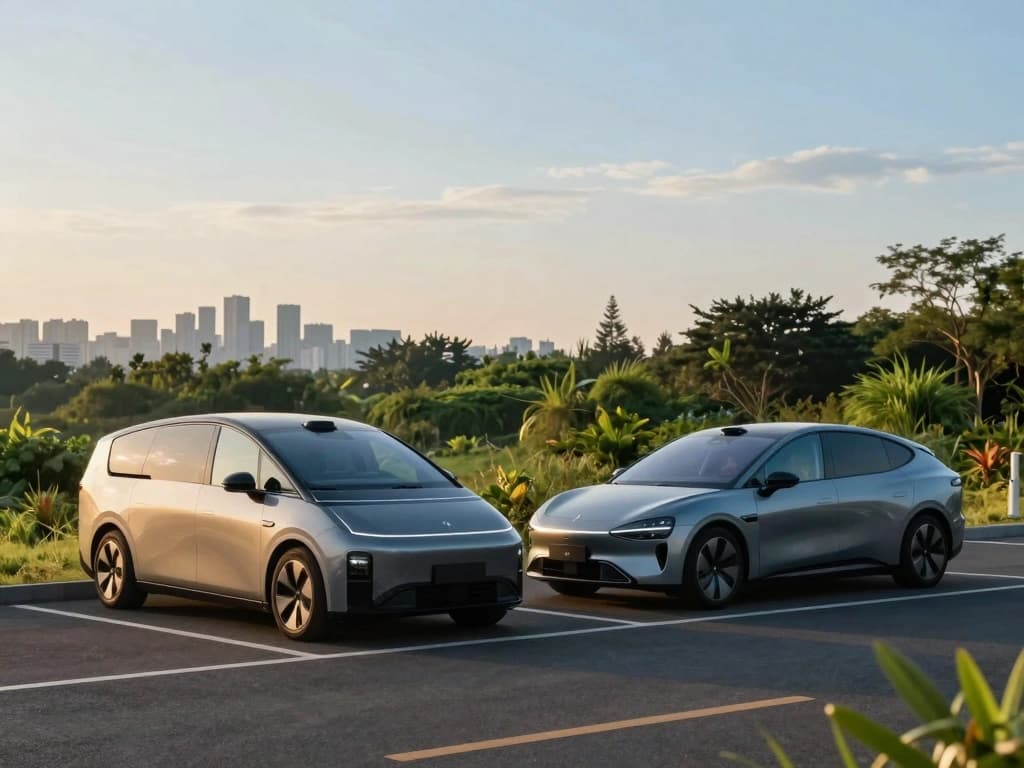
Discover which option is more cost-effective: plug-in hybrids or pure EVs. Explore the benefits, costs, and savings for your next vehicle choice.
Initial Purchase Costs: Plug-in Hybrid vs. Pure EV
Base Price Comparisons
When assessing the initial purchase costs of vehicles, the difference between plug-in hybrids (PHEVs) and pure electric vehicles (EVs) is a crucial factor. Generally, the base price of PHEVs tends to be lower than that of comparable pure EVs. For instance, the 2023 Toyota RAV4 Prime, a popular plug-in hybrid, is priced around $42,000, whereas the 2023 Tesla Model Y, a leading pure EV, typically starts at about $54,000. This price difference can be attributed to the additional battery capacity and technology in pure EVs, which often drives their costs higher.
Government Incentives and Rebates
Both PHEVs and pure EVs are eligible for various government incentives and rebates, which can significantly affect their effective purchase price. In the United States, for example, the federal tax credit for electric vehicles can provide up to $7,500 off the purchase price of eligible EVs. However, PHEVs may also qualify for this tax credit, albeit sometimes at a reduced rate based on battery capacity. Additionally, many states offer their own incentives, which can range from cash rebates to reduced registration fees, further narrowing the cost gap. For instance, California provides rebates of up to $1,500 for eligible PHEVs and up to $2,500 for pure EVs.
Long-Term Financing Implications
The financing options available for both vehicle types can influence overall costs. Typically, financial institutions offer competitive loan terms for both PHEVs and pure EVs, but the interest rates may vary based on the vehicle's perceived value and depreciation risks. PHEVs might present lower monthly payments due to their lower base price, but the longer-term savings associated with pure EVs, especially when considering fuel and maintenance savings, can make them financially attractive over time. Therefore, prospective buyers should analyze their financing options carefully, taking into account their budget, expected usage, and vehicle longevity.
Operating Costs: Fuel and Electricity Expenses
Cost of Electricity vs. Gasoline
Operating costs play a significant role in determining the overall cost-effectiveness of PHEVs versus pure EVs. The cost of electricity is generally lower than gasoline, which can lead to substantial savings. For example, the average cost of electricity in the U.S. is about $0.13 per kWh, while gasoline prices hover around $3.50 per gallon. A pure EV like the Nissan Leaf has an efficiency of approximately 4 miles per kWh, translating to about $0.03 per mile. In contrast, a PHEV such as the Honda Clarity can achieve around 40 miles per gallon when running on gasoline, resulting in a cost of about $0.09 per mile. This difference in operating costs highlights the potential savings associated with driving a pure EV.
Charging Infrastructure and Costs
Charging infrastructure is another consideration when evaluating the operating costs of PHEVs and pure EVs. Pure EV owners often rely on home charging stations, which can range from $500 to $2,000, depending on the installation requirements. However, public charging networks such as ChargePoint and Electrify America are expanding rapidly, providing access to fast charging options. PHEVs, on the other hand, can run on gasoline, offering more flexibility in areas with limited charging infrastructure. This versatility can be a significant advantage for PHEV owners, particularly in rural areas or regions with fewer charging stations.
Maintenance Expenses Over Time
Maintenance costs can vary significantly between PHEVs and pure EVs. Generally, pure EVs have fewer moving parts and require less maintenance than traditional gasoline vehicles or PHEVs. For example, electric motors in pure EVs typically do not require oil changes, and brake wear is reduced due to regenerative braking systems. In contrast, PHEVs, while more efficient than conventional vehicles, still possess internal combustion engines, leading to higher maintenance costs over time. Studies show that pure EVs can save owners an average of $500 to $1,000 per year in maintenance costs compared to PHEVs.
Depreciation Rates: Value Retention of Each Vehicle Type
Market Demand Trends for Plug-in Hybrids
Depreciation rates are critical in assessing the long-term cost-effectiveness of PHEVs versus pure EVs. Plug-in hybrids have seen fluctuating demand in recent years. While they offer a bridge for consumers transitioning to electric vehicles, their market appeal may wane as more robust pure EV options become available. According to Kelley Blue Book, PHEVs tend to depreciate at a rate of about 12% to 15% annually, which is comparable to traditional gasoline vehicles. However, this rate may vary based on market trends and consumer preferences.
Resale Value Analysis of Pure EVs
Pure EVs have shown a more stable resale value, benefiting from increasing consumer interest in environmentally friendly vehicles. In 2023, the Tesla Model 3, for instance, retains around 70% of its value after three years of ownership. This strong resale value can be attributed to the growing infrastructure for electric vehicles and the ongoing advancements in battery technology. However, the resale value can be greatly affected by the specific model and market conditions at the time of sale, which buyers should consider when making a purchase.
Impact of Battery Technology on Depreciation
The technology behind batteries plays a significant role in the depreciation of both PHEVs and pure EVs. As battery technology advances, older models may depreciate more quickly due to consumer preferences for newer, longer-range options. For instance, the introduction of solid-state batteries promises to improve range and charging times, which could impact the resale values of current models. As such, potential buyers should consider the longevity and expected advancements in battery technology when evaluating the depreciation rates of their chosen vehicle type.
Incentives for Ownership: Insurance and Tax Benefits
Insurance Premium Differences
Insurance costs can significantly affect the total cost of ownership for PHEVs and pure EVs. Generally, insurance premiums for pure EVs are higher than for PHEVs, primarily due to the higher replacement costs associated with electric vehicles. For example, the insurance premium for a 2023 Tesla Model 3 may average around $1,800 per year, while a 2023 Toyota RAV4 Prime may cost closer to $1,500 per year to insure. However, discounts are often available for both types of vehicles due to their safety features and lower risk of accidents, which can help offset these costs.
State-Specific Tax Credits and Benefits
In addition to federal incentives, many states offer their own tax credits and rebates that can further affect the overall cost of ownership. For instance, New York offers an additional tax credit of up to $2,000 for the purchase of electric vehicles, including both PHEVs and pure EVs. These state-specific benefits can vary significantly, making it essential for prospective buyers to research the incentives available in their region. Some states also provide exemptions from sales tax or reduced fees for electric vehicle registrations, which can add to the overall savings.
Impact of Environmental Regulations on Costs
Environmental regulations can also influence the costs associated with owning PHEVs and pure EVs. Stricter emissions standards in many states encourage consumers to opt for electric vehicles, which can lead to higher demand and, consequently, higher resale values. Furthermore, some municipalities offer additional benefits, such as access to carpool lanes or reduced tolls for electric vehicles, providing added economic incentives for ownership. As regulations continue to evolve, these factors may further influence the cost-effectiveness of each vehicle type.
Long-Term Cost Analysis: Total Cost of Ownership
Calculating Mileage and Usage Patterns
To accurately assess the long-term cost of ownership for PHEVs versus pure EVs, it is essential to consider individual mileage and usage patterns. For example, a driver who commutes 30 miles daily may find a pure EV more cost-effective, especially if their daily drive falls within the vehicle's electric range. On the other hand, a driver who frequently takes long road trips may benefit from the versatility of a PHEV. By calculating expected mileage and determining how often the vehicle will be charged or fueled, consumers can make an informed decision regarding which vehicle type better suits their lifestyle.
Comparison of Lifespan and Battery Replacement Costs
Battery lifespan and replacement costs are critical factors in the total cost of ownership. Pure EV batteries typically have warranties ranging from 8 to 10 years or 100,000 to 150,000 miles, with replacement costs averaging between $5,000 to $7,000. PHEVs often have similar battery warranties but may have lower replacement costs due to smaller battery sizes. However, as battery technology continues to improve, the longevity of these batteries is expected to increase, potentially lowering long-term costs for both vehicle types.
Understanding the Break-Even Point for Each Vehicle Type
Determining the break-even point between PHEVs and pure EVs involves analyzing all associated costs over time, including initial purchase price, operating costs, maintenance, and depreciation. A comprehensive analysis can reveal the point at which the higher initial cost of a pure EV is offset by savings in fuel and maintenance costs. For many consumers, this break-even point may occur after three to five years of ownership, making it essential to assess individual driving habits and financial situations. Ultimately, the decision between a PHEV and a pure EV will depend on personal preferences, budget constraints, and long-term goals.