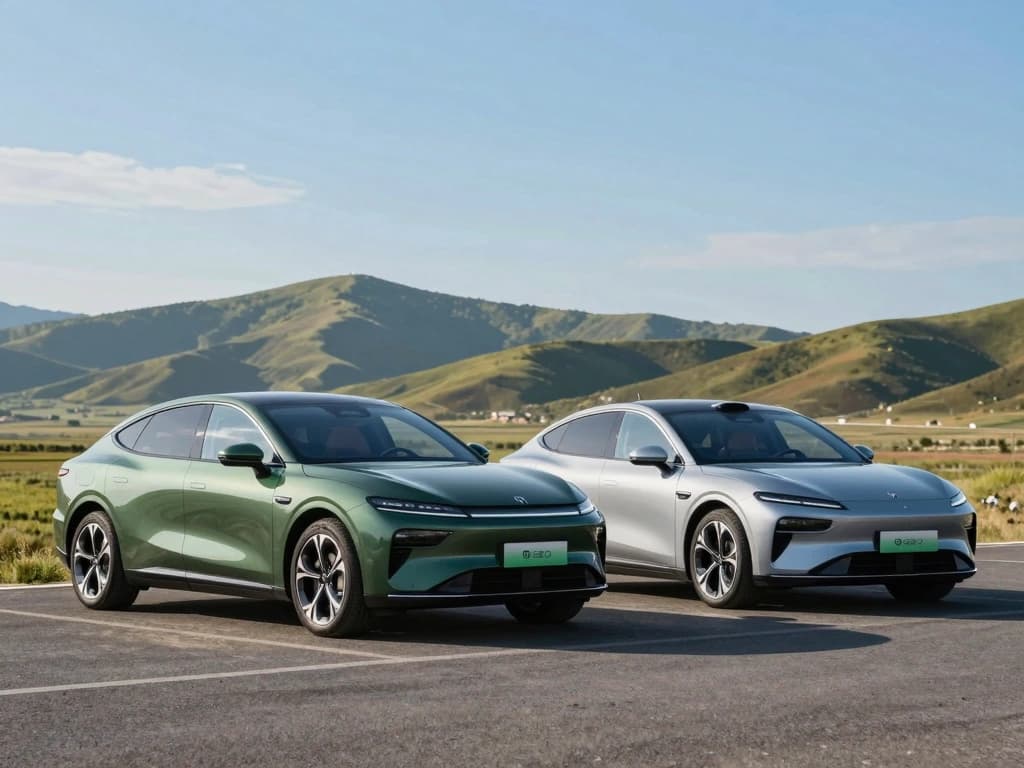
Discover the key math differences between plug-in hybrids and pure EVs. Make an informed choice for your next vehicle with our comprehensive comparison.
Understanding the Cost of Ownership: Plug-In Hybrids vs. Pure EVs
When it comes to the current automotive market, two types of vehicles that have gained significant attention are Plug-In Hybrids (PHEVs) and Pure Electric Vehicles (EVs). Each of these technologies presents unique advantages and challenges, particularly in terms of cost of ownership. Analyzing their financial implications will help potential buyers make informed decisions.
Initial Purchase Price Comparison
The initial purchase price is often the first factor considered when comparing PHEVs and pure EVs. As of late 2023, the average starting price for a plug-in hybrid vehicle can range from around $25,000 to $40,000, depending on the model and manufacturer. For instance, vehicles like the Toyota RAV4 Prime are priced around $38,000, while the Ford Escape PHEV starts at approximately $30,000. In contrast, pure EVs typically have a higher upfront cost. For example, the Tesla Model 3 has a starting price of around $40,000, while the Chevrolet Bolt EV costs about $26,000. While the price gap can sometimes be narrow, the higher sticker price of EVs is often justified by lower long-term operating costs and available tax incentives.
Long-Term Maintenance Costs
Maintenance costs for PHEVs and pure EVs differ significantly due to the complexity of their powertrains. PHEVs combine a gasoline engine with an electric motor, which generally means more components that could require maintenance. According to various industry reports, the maintenance costs for PHEVs can average around $1,200 per year. In contrast, pure EVs have fewer moving parts, leading to lower maintenance costs. For instance, studies indicate that the annual maintenance costs for EVs can be as low as $500, primarily because they do not require oil changes, fuel filters, spark plugs, or exhaust systems. This discrepancy can significantly contribute to the total cost of ownership over time.
Resale Value Considerations
Resale value is another critical factor in understanding the cost of ownership. Generally, pure EVs tend to depreciate more slowly than PHEVs. For example, the Tesla Model 3 has shown strong resale values, often retaining about 70% of its value after three years. On the other hand, PHEVs may depreciate at a faster rate due to the perception that the technology is less advanced or because the market for hybrids is smaller. According to Kelley Blue Book, the resale value of PHEVs can drop by as much as 50% in the first three years, largely due to the rapid advancements in battery and hybrid technology. This disparity in resale value can impact the overall financial implications for consumers when choosing between these two vehicle types.
Energy Consumption Metrics: Analyzing Efficiency
Understanding energy consumption metrics is crucial for evaluating the efficiency of PHEVs versus pure EVs. This section delves into the electric range, fuel efficiency, charging costs, and the ways driving habits can affect energy use.
Electric Range vs. Combined Fuel Efficiency
Electric range is a primary metric that differentiates PHEVs from pure EVs. PHEVs typically offer an electric-only range that can vary significantly. For example, the Ford Escape PHEV has an electric range of about 37 miles, while the Toyota RAV4 Prime can achieve approximately 42 miles on a full charge. Once the electric range is depleted, these vehicles transition to gasoline, with combined fuel efficiencies ranging from 40 to 80 miles per gallon, depending on the model and driving conditions. In contrast, pure EVs like the Tesla Model 3 boast an electric range of approximately 263 miles, making them far more suitable for longer trips without the need for gasoline. This difference in electric range is a crucial factor for potential owners, particularly for those who frequently drive long distances.
Charging Costs for Pure EVs vs. Fuel Costs for Hybrids
The costs associated with charging pure EVs are generally lower than the fuel costs incurred by PHEVs. The average cost of electricity in the U.S. is about $0.13 per kWh. For a model like the Nissan Leaf, which has a 62 kWh battery, fully charging it would cost around $8.06, allowing for a range of approximately 150 miles. This translates to an energy cost of about $0.05 per mile. On the other hand, PHEVs incur fuel costs when operating in hybrid mode. Assuming a gasoline price of $3.50 per gallon and a combined fuel efficiency of 50 miles per gallon, driving a PHEV for 150 miles would cost approximately $10.50 in fuel. Over time, these costs can add up, particularly for those who drive predominantly on gasoline.
Impact of Driving Habits on Energy Use
Driving habits play a significant role in determining energy consumption for both PHEVs and pure EVs. Drivers who frequently engage in short trips and daily commutes may find greater efficiency with pure EVs, as they can take advantage of the electric-only range without relying on gasoline. Conversely, drivers who often take long trips or live in areas with limited charging infrastructure may benefit more from PHEVs. In this scenario, the ability to switch to gasoline after the electric range has been depleted can alleviate range anxiety and ensure that drivers reach their destinations without interruption.
Government Incentives and Rebates: Financial Implications
Government incentives and rebates can significantly affect the total cost of ownership for both PHEVs and pure EVs. Understanding these financial implications is critical for potential buyers.
Tax Credits for Plug-In Hybrids vs. Pure EVs
In the United States, both PHEVs and pure EVs are eligible for federal tax credits. As of 2023, the federal tax credit for PHEVs can be up to $7,500, depending on the battery capacity. For instance, the Chrysler Pacifica Hybrid qualifies for the full credit. Pure EVs, on the other hand, typically qualify for similar federal tax credits, also reaching up to $7,500. Popular models like the Tesla Model 3 and the Chevrolet Bolt EV both receive this incentive, making them more financially attractive.
State-Specific Incentives: A Comparative Analysis
In addition to federal incentives, many states offer additional rebates and incentives for both PHEVs and pure EVs. For example, California provides a rebate of up to $2,000 for eligible electric vehicles, while New York offers rebates of up to $2,000 for PHEVs. However, the availability and amount of these incentives can vary significantly from state to state. Potential buyers should research local incentives to fully understand the financial implications of their vehicle choice.
Impact on Total Cost of Ownership
When factoring in government incentives, the total cost of ownership for both PHEVs and pure EVs can shift dramatically. A buyer purchasing a pure EV priced at $40,000, for example, could effectively reduce the purchase price to $32,500 after applying the federal tax credit. Similarly, a PHEV priced at $30,000 may only cost the buyer $22,500 after the tax credit is applied. These incentives can make both vehicle types more accessible, but they also highlight the importance of considering available financial assistance when making a decision.
Environmental Impact: Emissions and Sustainability Math
Evaluating the environmental impact of PHEVs and pure EVs involves analyzing emissions and sustainability metrics. This section explores lifecycle emissions, urban vs. rural driving, and the potential for renewable energy integration.
Lifecycle Emissions Analysis: Fossil Fuels vs. Battery Production
When considering the environmental impact, it's essential to look at lifecycle emissions. PHEVs, while they do reduce emissions compared to traditional gasoline vehicles, still rely on fossil fuels. According to the U.S. Environmental Protection Agency (EPA), a typical PHEV emits around 50 grams of CO2 per mile when operating in hybrid mode. In contrast, pure EVs have zero tailpipe emissions. However, concerns arise regarding the emissions associated with battery production, which can be significant. A study indicated that producing a lithium-ion battery can result in up to 150 kg of CO2 emissions per kWh. The net emissions, therefore, depend on how the electricity used to charge the EV is generated.
Urban vs. Rural Driving: Emission Outcomes
Driving environments also influence emissions. In urban areas, where electric vehicle infrastructure is more robust, pure EVs can operate at peak efficiency, resulting in lower emissions overall. Conversely, rural drivers may find themselves relying more on gasoline, particularly if charging stations are scarce. For example, a PHEV driven in a rural setting may spend most of its time using gasoline, leading to higher emissions compared to a pure EV. In urban settings, however, where charging options are prevalent, EVs can minimize emissions significantly.
Potential for Renewable Energy Integration
One of the most appealing aspects of pure EVs is their potential for renewable energy integration. As the grid becomes increasingly powered by renewable sources like solar and wind, the emissions associated with charging EVs will decrease significantly. For example, a study conducted by the International Council on Clean Transportation found that if 80% of EV charging were powered by renewable energy, the lifecycle emissions could drop by up to 70%. This shift could further enhance the environmental benefits of pure EVs compared to PHEVs.
Technological Advancements: Future-Proofing Your Investment
As technology continues to evolve, both PHEVs and pure EVs are experiencing advancements that can affect their desirability and performance. This section examines battery technology, software innovations, and projected trends in market demand.
Battery Technology Developments: Hybrids vs. EVs
Battery technology is at the forefront of advancements in both PHEVs and pure EVs. Recent innovations have led to the development of more energy-dense and efficient batteries. For instance, Tesla's new 4680 battery cells promise to provide higher capacity and longer ranges for EVs while reducing manufacturing costs. PHEVs, while also benefitting from advancements in battery technology, still rely on smaller batteries compared to their pure EV counterparts. This difference can impact the overall driving experience and efficiency, potentially making pure EVs more appealing as technology advances.
Software and Charging Infrastructure Innovations
Advancements in software are enhancing the user experience for both PHEVs and pure EVs. Features such as over-the-air updates, smart charging, and vehicle-to-grid technology are improving the functionality of electric vehicles. For instance, EV owners can now schedule charging during off-peak hours, reducing electricity costs. Additionally, the development of charging infrastructure is crucial. As more fast chargers become available, the convenience of owning a pure EV increases. This trend is particularly important for potential buyers who may worry about charging times and availability.
Projected Trends in Market Demand and Technology Adoption
Looking ahead, the demand for pure EVs is projected to continue growing as consumers become more environmentally conscious and as technology improves. According to industry forecasts, pure EV market share is expected to reach 25% by 2030, while PHEVs may see slower growth due to the increasing competitiveness of all-electric options. In conclusion, as potential buyers weigh the options between plug-in hybrids and pure electric vehicles, understanding the key mathematical differences in ownership costs, energy consumption, incentives, environmental impacts, and technological advancements is crucial. Each vehicle type has its advantages and drawbacks, and the right choice will depend on individual needs, preferences, and driving habits.