Discover effective strategies for optimizing wind turbine blade transportation logistics to enhance efficiency in the heavy industry and engineering sector.
Understanding the Unique Challenges of Wind Turbine Blade Transportation
Wind turbine blade transportation logistics presents a unique set of challenges that can significantly impact the efficiency and cost-effectiveness of wind energy projects. The successful movement of these massive structures requires meticulous planning and execution to navigate their inherent complexities.
Dimensions and Weight Considerations
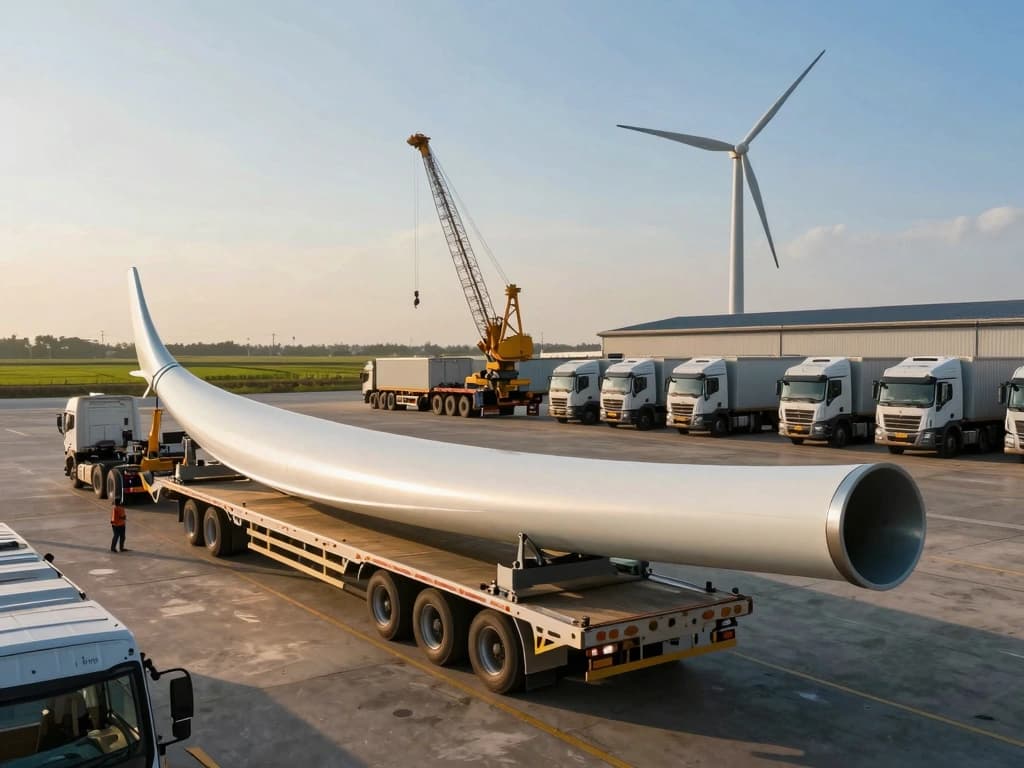
Wind turbine blades can reach lengths of over 60 meters (approximately 197 feet) and weigh several tons, depending on their design and materials. For instance, a typical blade for a modern onshore wind turbine can weigh between 15 to 30 tons. These dimensions present logistical hurdles in terms of transportation and handling. The oversized nature of these blades often necessitates specialized transport vehicles, such as extendable flatbed trucks or custom-built trailers. For example, the use of a modular trailer system allows logistics companies to adjust the configuration based on the blade length and weight, ensuring safe and efficient transport. This flexibility is crucial, as failure to adhere to weight restrictions can lead to heavy fines and project delays.
Route Restrictions and Regulations
Transporting wind turbine blades involves navigating a complex web of route restrictions and regulations that vary by region. Many jurisdictions impose specific height and weight limits on roadways, necessitating careful route planning to avoid obstacles like low bridges and narrow roads. In the United States, for example, transporting oversized loads often requires obtaining special permits, which can be a time-consuming process. According to the American Wind Energy Association (AWEA), the average time for securing a permit can take anywhere from one to four weeks. Additionally, some states require escort vehicles to accompany oversized transports, further complicating logistics.
Weather Impacts on Transportation
Weather conditions can also significantly affect the transportation of wind turbine blades. High winds, rain, and snow can cause delays or even halt transportation altogether. For instance, transporting blades during winter months may require adjustments to schedules to account for snow accumulation and icy roads. In 2020, a shipment of blades intended for a wind farm in Minnesota faced delays due to an early winter storm, which resulted in road closures and hazardous driving conditions. Such weather-related disruptions highlight the need for contingency planning and flexibility in logistics operations.
Innovative Solutions for Optimizing Transportation Routes
To address the logistical challenges associated with wind turbine blade transportation, innovative solutions have emerged that leverage technology and data analysis.
Geographic Information Systems (GIS) in Route Planning
Geographic Information Systems (GIS) have become an invaluable tool in optimizing transportation routes for wind turbine blades. GIS enables logistics managers to visualize and analyze geographical data, allowing for the identification of the most efficient routes. For example, GIS can overlay transportation routes with data on road conditions, terrain, and existing infrastructure, helping to avoid potential obstacles. A logistics company might use GIS to determine that a certain route, while longer in distance, is more advantageous due to fewer low bridges and wide roads, thus ensuring safer and more efficient transport.
Real-time Traffic Monitoring and Adaptation
Incorporating real-time traffic monitoring technology can significantly enhance transportation efficiency. By utilizing GPS tracking and traffic management systems, logistics teams can receive live updates on road conditions and traffic congestion. For instance, during a recent transportation operation in Texas, logistics coordinators utilized a real-time traffic monitoring system that adjusted route plans on-the-fly. This proactive approach allowed them to avoid a major traffic jam caused by a construction project, saving several hours of transit time.
Utilizing Predictive Analytics for Route Efficiency
Predictive analytics can play a critical role in improving logistics for wind turbine blade transportation. By analyzing historical data on weather patterns, traffic conditions, and transportation times, logistics companies can forecast potential delays and optimize routes accordingly. For example, a logistics provider may analyze data from previous blade shipments and discover a pattern of severe weather affecting a specific route during a particular season. Armed with this knowledge, they can proactively select alternative routes or adjust schedules to mitigate potential delays, enhancing overall efficiency.
Collaborative Approaches in the Supply Chain
Effective collaboration among stakeholders in the supply chain is essential for optimizing wind turbine blade transportation logistics. This collaboration can lead to improved efficiency and reduced costs.
Partnerships with Logistics Providers
Establishing strong partnerships with logistics providers is crucial for effective transportation. Collaborating with experienced logistics firms that specialize in oversized cargo can provide valuable insights and resources. For instance, GE Renewable Energy partners with specialized logistics companies to streamline the transportation of their wind turbine blades. This collaboration enables them to tap into the logistics provider's expertise in navigating complex regulations and optimizing routes, ultimately resulting in reduced transportation times and costs.
Stakeholder Engagement in Planning
Engaging relevant stakeholders in the planning process helps to identify potential challenges and ensure alignment on logistics strategies. Involving local authorities, transport regulators, and community members can facilitate smoother operations and minimize disruptions. An example of this can be seen in a wind farm project in South Dakota, where project managers held meetings with local leaders and community members to discuss transportation plans. This proactive engagement helped address community concerns and garnered support, smoothing the way for transportation operations.
Integrating Feedback Loops for Continuous Improvement
Creating feedback loops within the logistics process can lead to continuous improvement. By analyzing the outcomes of transportation operations and gathering feedback from all stakeholders, logistics managers can identify areas for enhancement. For example, a logistics team may conduct post-transportation reviews to assess what went well and what could be improved. This analysis could lead to adjustments in route planning, vehicle selection, or communication protocols, resulting in more efficient transportation for future projects.
Technological Advancements in Transportation Methods
Advancements in technology are continually reshaping how wind turbine blades are transported, enhancing efficiency and safety.
Specialized Transport Vehicles for Blade Movement
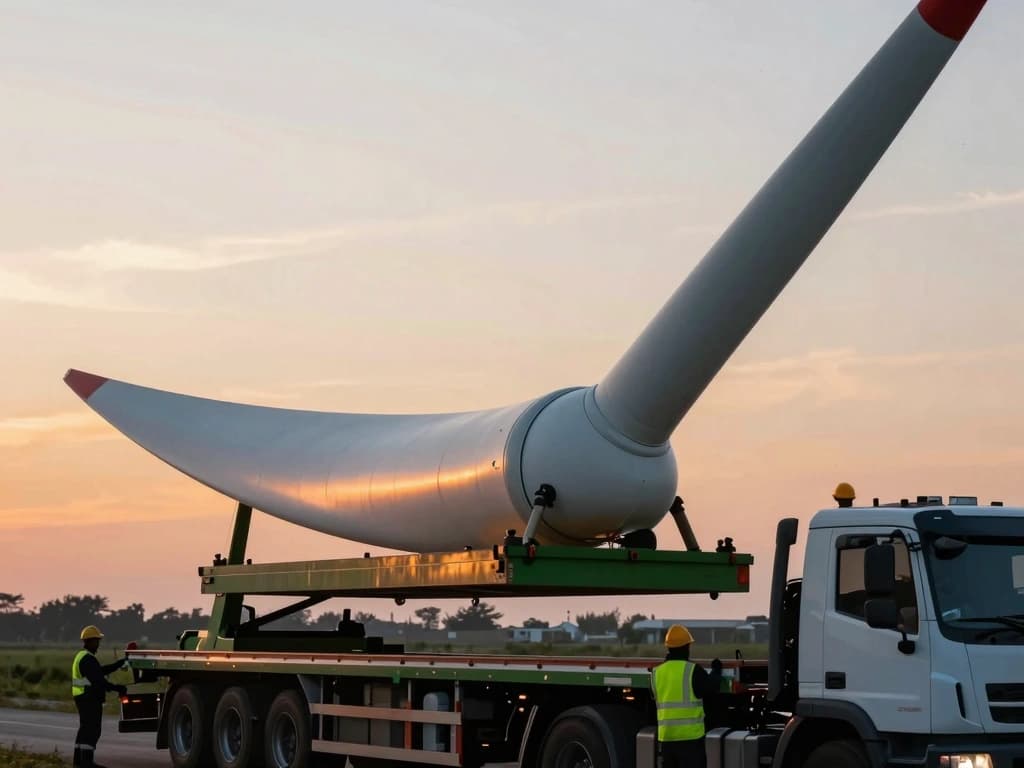
The development of specialized transport vehicles has revolutionized wind turbine blade logistics. These vehicles are designed with the dimensions and weight of turbine blades in mind, ensuring safe transport over various terrains. For instance, the use of extendable trailers that can adjust their length allows for the transport of blades of varying sizes without the need for multiple vehicle configurations. Similarly, the introduction of blade-specific transport systems, such as the Goldhofer THP/SL-E modular trailer, has improved handling and stability during transport.
Use of Drones for Monitoring and Coordination
Drones are increasingly being utilized in the transportation logistics of wind turbine blades. They provide aerial views of transportation routes, allowing logistics teams to monitor traffic conditions, assess road hazards, and coordinate movements efficiently. For example, a logistics provider might deploy drones to survey a route before a shipment, ensuring that there are no unexpected obstacles that could impede transport. This capability can significantly enhance pre-transportation planning and reduce the likelihood of delays.
Automation and Robotics in Loading and Unloading
Automation and robotics are transforming how wind turbine blades are loaded and unloaded. Automated systems can improve safety and efficiency by reducing manual handling and the risk of accidents. In a recent project, a wind farm developer implemented an automated loading system that utilized robotic arms to position blades onto transport vehicles. This system reduced loading times by approximately 30% and minimized the risk of damage to the blades during handling, showcasing the potential benefits of automation in logistics.
Measuring Success: Key Performance Indicators for Logistics Optimization
To gauge the effectiveness of wind turbine blade transportation logistics, it is essential to establish clear Key Performance Indicators (KPIs). These metrics can provide insights into areas of success and opportunities for improvement.
Cost Analysis of Transportation Methods
Conducting a thorough cost analysis of various transportation methods is crucial for understanding the financial implications of logistics strategies. Comparing costs between different transport providers, vehicle types, and routing options can help identify the most economical solutions. For instance, a logistics team might find that utilizing a specific transport vehicle reduces overall costs by 15% compared to other methods, justifying the investment in specialized equipment.
Time Efficiency Metrics
Time efficiency metrics, such as average transportation time and delays, are vital for assessing logistics performance. Monitoring these metrics helps identify bottlenecks and areas that require adjustment. As an example, a logistics provider may track the average time taken for blade transport over multiple projects and discover that delays are consistently occurring at a specific checkpoint. This insight can prompt further investigation and potential route adjustments.
Impact on Overall Project Timelines and Budgets
Ultimately, the effectiveness of transportation logistics should be measured by its impact on overall project timelines and budgets. An efficient logistics operation can lead to timely project completion and adherence to budget constraints. For example, a wind energy project in Iowa that experienced optimized blade transportation logistics completed construction one month ahead of schedule, resulting in significant cost savings and an earlier commencement of energy generation. Such outcomes underline the importance of effective logistics in the broader context of project management.