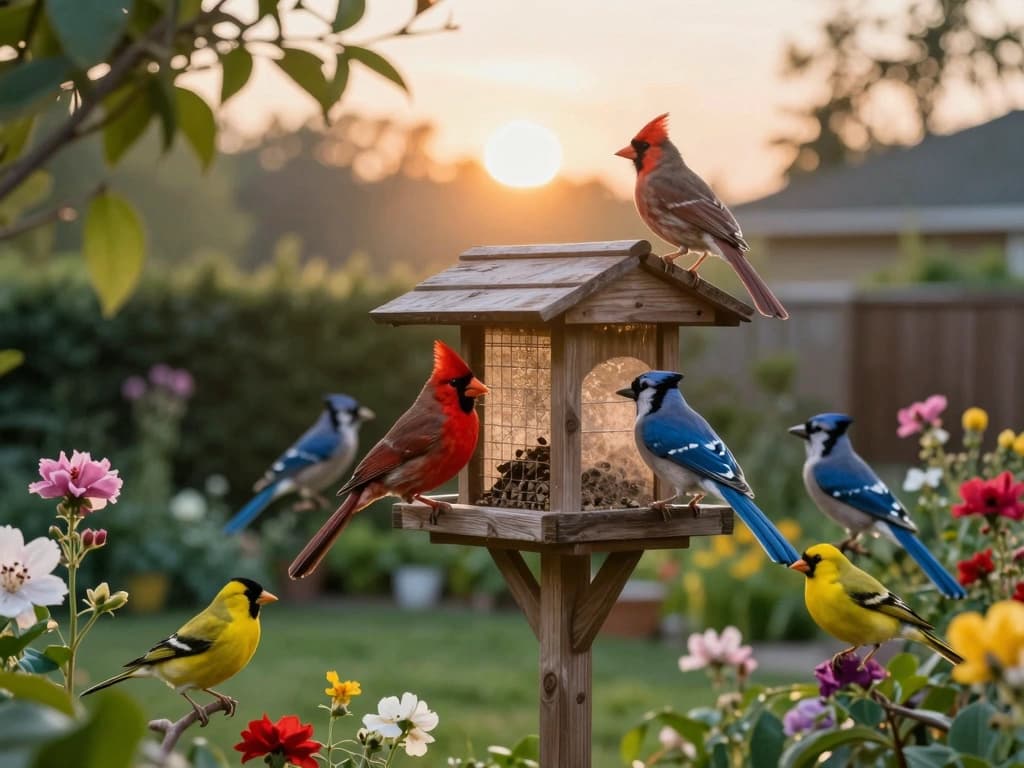
Discover how to start your backyard birding life list today with expert tips and easy steps. Enhance your hobby and connect with nature like never before!
Understanding the Basics of Birding and Life Lists
What is Birding?
Birding, or birdwatching, is a recreational activity where individuals observe and identify birds in their natural environments. This hobby can be as simple as watching birds at a backyard feeder or as adventurous as traveling to different habitats to spot rare species. Birding encompasses a range of activities, including noting bird behavior, learning about their habitats, and listening to their calls. The accessibility of birding makes it a popular hobby, with enthusiasts of all ages engaging in this peaceful and enlightening pursuit.
The Concept of a Life List
A life list is a personal record of all the bird species an individual has observed in their lifetime. It serves as a tangible measure of a birdwatcher’s experiences and achievements. Birders often maintain their life lists by noting the date and location of each sighting, along with other relevant details such as behavior, plumage variations, or even the weather conditions at the time of the sighting. The concept of a life list encourages birders to explore new areas and expand their knowledge of avian diversity.
Benefits of Keeping a Life List
Keeping a life list offers numerous benefits that enhance one’s birdwatching experience:
- Tracking Progress: A life list allows birders to monitor their growth and progress as they observe more species over time.
- Motivation: The desire to add new species to a life list can motivate birders to explore new environments and improve their identification skills.
- Sharing Experiences: Life lists can be shared with other birders, fostering a sense of community and encouraging discussions about sightings and experiences.
- Contributing to Conservation: Documenting bird sightings can contribute to citizen science initiatives, helping researchers understand bird populations and movements.
Setting Up Your Backyard for Birdwatching
Choosing the Right Location
The first step to starting your backyard birding life list is to choose the right location. Ideally, your observation point should provide a clear view of your backyard and nearby trees or open spaces where birds are likely to visit. Consider the following factors:
- Visibility: Position yourself where you can see feeders, baths, and natural perches without obstructions.
- Quiet Environment: Select a spot away from noise, pets, and heavy foot traffic to avoid scaring birds away.
- Comfort: Make sure your chosen location has comfortable seating, shade, and protection from the elements to make your observation sessions enjoyable.
Essential Bird Feeder Types
Bird feeders are an excellent way to attract a variety of species to your backyard. Here are some essential types of feeders to consider:
- Tube Feeders: Ideal for smaller birds like finches and chickadees, tube feeders are designed to hold nyjer seed.
- Platform Feeders: These open feeders attract a wide range of birds, including cardinals and jays, and can accommodate various food types.
- Hopper Feeders: These feeders dispense seeds as birds eat, allowing for easy access for larger birds.
- Suet Feeders: Perfect for attracting woodpeckers, nuthatches, and other insect-eating birds, suet feeders provide high-energy food.
Creating a Bird-Friendly Habitat
Transforming your backyard into a bird-friendly habitat enhances your birdwatching experience. Here are some strategies to consider:
- Plant Native Vegetation: Incorporate native plants that provide food and shelter for birds, such as berry-producing shrubs and trees.
- Provide Water Sources: Install a birdbath or shallow water dish to attract birds, ensuring the water is fresh and clean.
- Offer Nesting Sites: Install birdhouses or leave natural cavities in trees to provide breeding opportunities for local species.
- Minimize Pesticide Use: Create a chemical-free environment to protect birds and their food sources.
Tools and Resources for Tracking Your Birds
Bird Identification Guides
Having a reliable bird identification guide is essential for any birder. Field guides provide valuable information on various species, including their habitats, behaviors, and distinguishing features. Popular options include:
- The Sibley Guide to Birds: This comprehensive guide features detailed illustrations and information on North American bird species.
- Peterson Field Guide to Birds: Known for its iconic illustrations and easy-to-use format, this guide is perfect for beginners.
- National Geographic Field Guide to Birds: Another excellent resource that combines stunning photography with informative descriptions.
Mobile Apps for Birding
In today’s digital age, mobile apps have become essential tools for birders. These apps often include features such as identification assistance, tracking sightings, and community engagement. Some highly recommended birding apps include:
- Merlin Bird ID: Developed by the Cornell Lab of Ornithology, this app helps users identify birds by answering a few simple questions about size, color, and location.
- eBird: This app allows birders to log their sightings and explore data from other birders worldwide, contributing to citizen science.
- Birds of North America: An extensive resource that provides detailed species accounts, photos, and sounds for thousands of birds.
Notebooks vs. Digital Life Lists
When it comes to documenting your bird sightings, you have the option of using traditional notebooks or digital formats. Each method has its pros and cons:
- Notebooks: Writing in a notebook allows for a personal touch and can be a relaxing experience. You can include sketches, notes about behavior, and other observations.
- Digital Lists: Apps and spreadsheets make it easy to organize and search for specific sightings. They also enable easy sharing with other birders.
Ultimately, the choice between notebooks and digital lists depends on personal preference and how you wish to engage with your birding experience.
Starting Your Birding Journey
First Steps: Observing Local Species
To kick off your backyard birding life list, begin by observing the local species that frequent your area. Start by:
- Identifying Common Birds: Familiarize yourself with species like sparrows, robins, and blue jays that are often seen in backyards.
- Timing Your Observations: Early mornings and late afternoons are prime times for bird activity, making these ideal periods for observation.
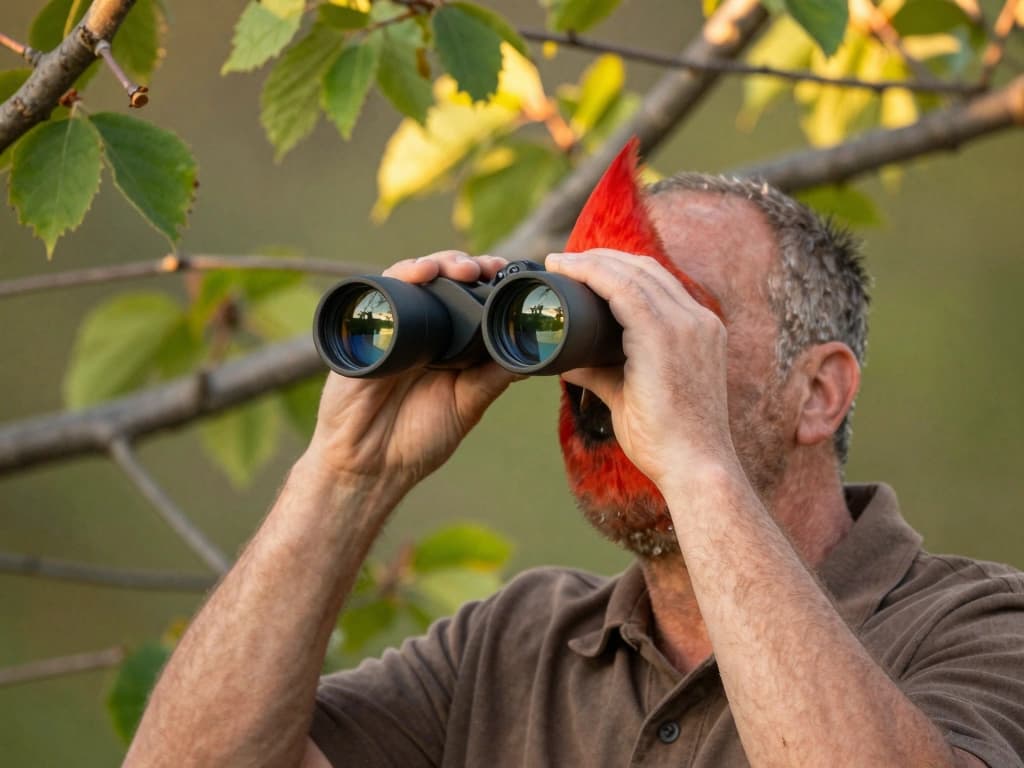
- Using Binoculars: A good pair of binoculars (10x42 is a popular choice) can enhance your viewing experience, allowing you to see details more clearly.
How to Document Your Sightings
Documenting your bird sightings is crucial for maintaining your life list. Consider the following practices:
- Date and Location: Note the date and specific location of each sighting, as this information is essential for future reference.
- Species Identification: Write down the species name, using field guides or apps to confirm your identification.
- Additional Observations: Record any interesting behaviors, interactions with other birds, or environmental conditions that could provide context.
Building Your Observation Skills
As you start documenting your sightings, it’s important to hone your observation skills. Here are some tips to improve your birdwatching:
- Practice Patience: Birds can be elusive; spending quiet time in your observation spot will increase your chances of sightings.
- Learn Bird Songs: Familiarizing yourself with common bird calls can help you locate them even when they’re hidden from view.
- Join a Birdwatching Workshop: Many local organizations offer birding workshops that can provide valuable tips and foster community connections.
Engaging with the Birding Community
Joining Local Birdwatching Groups
Connecting with fellow birders can enhance your experience and knowledge. Consider joining local birdwatching groups or clubs. These communities often organize group outings, which provide opportunities to observe more species and learn from experienced birders. Websites like the Audubon Society can help you find local chapters.
Participating in Bird Counts and Events
Many organizations host annual bird counts, such as the Christmas Bird Count or the Great Backyard Bird Count. Participating in these events can improve your skills and contribute to valuable data for conservation efforts. It’s also a great way to meet other bird enthusiasts and share your life list experiences.
Sharing Your Life List and Experiences
Sharing your life list and birdwatching experiences with others can foster a sense of community and inspire new birders. Consider:
- Social Media: Platforms like Instagram and Facebook have dedicated groups where birders share photos, sightings, and tips.
- Birding Blogs: Starting a blog can document your journey and connect you with a wider audience interested in birdwatching.
- Local Meetups: Organize meetups with friends or local birders to discuss your life lists and plan future birdwatching trips.