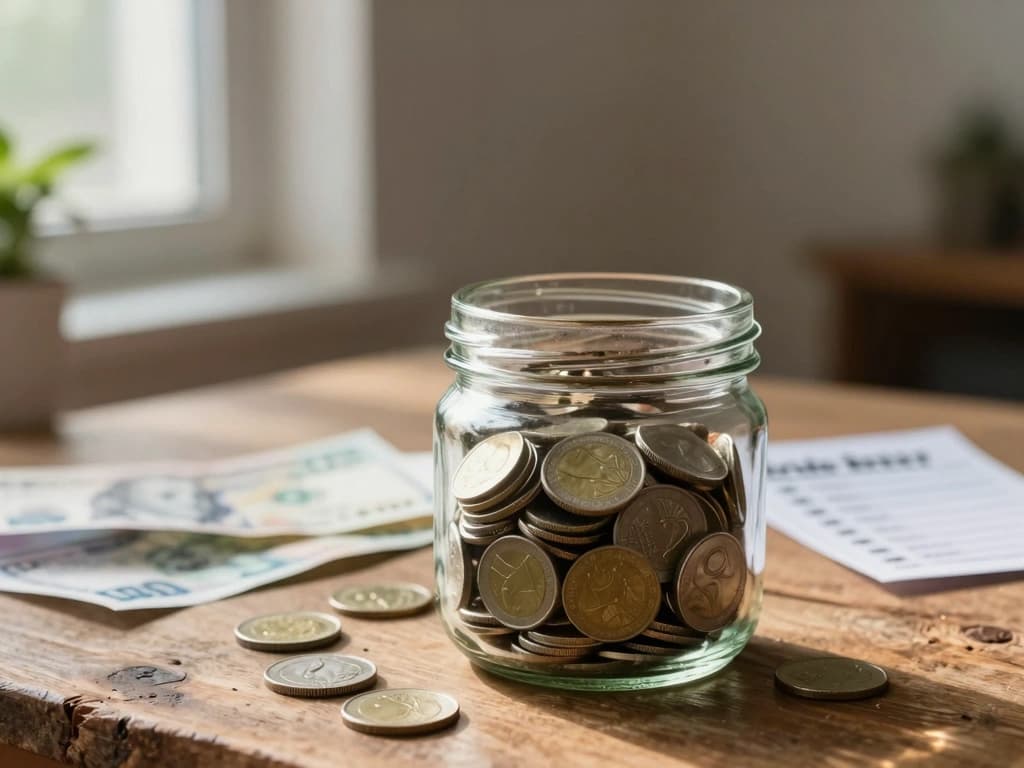
Learn how to start building an emergency fund from scratch with practical tips and strategies to secure your financial future. Start today!
Understanding the Importance of an Emergency Fund
What is an Emergency Fund?
An emergency fund is a financial safety net designed to cover unexpected expenses that may arise, such as medical emergencies, car repairs, or job loss. It's typically recommended to have three to six months' worth of living expenses saved up in this fund. Starting from scratch means you will need to build this fund gradually, prioritizing it in your financial planning.
Why You Need an Emergency Fund
Life is unpredictable; hence, having an emergency fund can provide you with peace of mind. For example, if your car breaks down, the repair costs can range from $300 to $1,500, depending on the severity of the issue. Without an emergency fund, you might have to rely on credit cards, which can lead to debt and financial stress. Moreover, an emergency fund can help you avoid disruption in your daily life, allowing you to address emergencies without derailing your financial goals.
Common Misconceptions About Emergency Funds
- “I don’t need an emergency fund if I have credit cards.” Relying solely on credit can lead to high-interest debt, making financial emergencies even more challenging.
- “Emergency funds are just for major emergencies.” Minor unexpected costs, such as a medical bill or home repair, can also be financially straining and should be accounted for in your savings.
- “I’ll never have enough to start an emergency fund.” Starting small is better than not starting at all. Even saving a small amount each month can accumulate over time.
Setting Realistic Savings Goals
Determining Your Target Amount
To build a robust emergency fund, first, determine how much you need to save. A good starting point is to calculate your essential monthly expenses, which might include:
- Housing (rent or mortgage)
- Utilities (electricity, water, internet)
- Groceries
- Transportation (gas, public transit)
- Insurance (health, car, home)
For example, if your monthly expenses are $2,500, your target emergency fund should ideally be between $7,500 and $15,000, depending on whether you aim for three or six months' worth of expenses.
Creating a Savings Timeline
Setting a timeline helps you visualize your savings journey. If your goal is to save $10,000 in two years, you would need to save about $417 per month. This breakdown makes the goal more manageable and allows you to track your progress. Consider using a savings app or a simple spreadsheet to monitor your contributions.
Adjusting Goals Based on Financial Changes
Your financial situation may change due to various factors such as job changes, unexpected expenses, or lifestyle changes. Regularly reassess your emergency fund goals to ensure they align with your current financial reality. If your expenses increase or you encounter a life event such as a child’s education or a new job, adjust your savings target accordingly.
Choosing the Right Savings Account
Types of Accounts for Your Emergency Fund
When building your emergency fund, choosing the right savings account is crucial. Common options include:
- High-Yield Savings Accounts: These accounts offer higher interest rates compared to traditional savings accounts and are ideal for emergency funds.
- Money Market Accounts: These accounts often provide higher interest rates and limited check-writing capabilities, combining savings with some liquidity.
- Certificates of Deposit (CDs): While these accounts lock your funds for a set period, they typically offer higher interest rates. Consider this option for a portion of your emergency fund if you can afford to keep the money untouched for a while.
Evaluating Interest Rates and Fees
When selecting an account, compare interest rates and any associated fees. For example, a high-yield savings account may offer an interest rate of 0.50% to 1.00%, while others may charge monthly maintenance fees. Look for accounts with no monthly fees and competitive rates to maximize your savings growth.
Accessibility vs. Growth: Finding the Balance
While it’s important to earn interest on your emergency fund, accessibility is equally crucial. You want to ensure that your funds are easily accessible in case of an emergency. A high-yield savings account strikes a good balance between earning interest and providing easy access to your funds. Avoid accounts with withdrawal limits or penalties, as these can hinder your ability to access funds when needed.

Strategies to Build Your Emergency Fund
Automating Your Savings
One of the most effective ways to build an emergency fund is to automate your savings. Set up a direct deposit from your paycheck into your emergency fund account. For example, if you allocate $200 from each paycheck into your savings, you’ll save $5,200 in a year, making it easier to reach your goals without the temptation to spend the money.
Finding Extra Income Sources
Boosting your income can significantly speed up the process of building your emergency fund. Consider the following options:
- Freelancing: Utilize skills such as writing, graphic design, or programming on platforms like Upwork or Fiverr.
- Part-time Jobs: Consider taking on a part-time job in retail, food service, or tutoring.
- Selling Unused Items: Declutter your home and sell items you no longer need on eBay, Facebook Marketplace, or Craigslist.
Even an additional $100 to $200 per month can make a significant impact on your savings goal.
Cutting Non-Essential Expenses
Evaluate your monthly expenses and identify areas where you can cut back. For example:
- Dining out less frequently can save you $100 or more a month.
- Canceling unused subscriptions (gym memberships, streaming services) can free up additional cash.
- Shopping sales and using coupons can help reduce your grocery bills.
Redirect these savings into your emergency fund. Even small changes can add up to substantial savings over time.
Maintaining and Growing Your Emergency Fund
Regularly Reviewing Your Fund Goals
Regularly assess your emergency fund status and goals. A quarterly review will help you understand if you are on track or if adjustments are necessary. If you find that you are consistently exceeding your savings targets, consider increasing your goal to build a more substantial safety net.
Adjusting Contributions as Income Changes
As your financial situation evolves, so should your contributions to your emergency fund. If you receive a raise, a bonus, or additional income, consider increasing your monthly contribution. For instance, if your monthly income increases by $300, allocating an extra $100 to your emergency fund can help you reach your goals faster.
Tips for Staying Motivated in Your Savings Journey
Building an emergency fund from scratch can be a lengthy process, but staying motivated is key. Here are some tips to keep your spirits high:
- Set Milestones: Break your total goal into smaller milestones. Celebrate when you reach each one, whether it’s saving your first $1,000 or hitting the $5,000 mark.
- Visualize Your Goal: Create a visual representation of your savings journey, such as a chart or a jar filled with coins. Seeing your progress can be a powerful motivator.
- Stay Educated: Read personal finance books or blogs to learn more about saving strategies. Understanding the value of your emergency fund can reinforce its importance in your life.
In conclusion, starting to build an emergency fund from scratch is a crucial step toward financial security. By understanding the importance of an emergency fund, setting realistic goals, choosing the right savings account, employing effective strategies, and maintaining your fund, you can create a safety net that will protect you from life’s unexpected challenges. Remember, the journey may be slow, but with dedication and discipline, you can achieve your financial goals.