Master the zoning variance application process with our step-by-step guide. Learn essential tips to successfully navigate zoning laws and secure your variance.
Understanding Zoning Variances: An Overview
Definition of Zoning Variance
A zoning variance is a legal exception to the existing zoning laws or regulations set forth by local government and zoning boards. These laws dictate how land can be used and what structures can be built in specific zones. A variance allows property owners to deviate from these regulations due to unique circumstances related to their property that would otherwise cause them undue hardship if they were to strictly comply. For example, a homeowner may seek a variance to build a garage closer to the property line than allowed by local ordinances.
Types of Zoning Variances
Zoning variances generally fall into two main categories:
- Use Variance: This allows for a different use of the property than what is permitted in the zoning district. For instance, converting a residential property into a commercial office may require a use variance.
- Area Variance: This type of variance pertains to the dimensions of a property or structure. It could involve requests for reduced setback requirements, increased building height, or greater lot coverage than the zoning code allows.
Importance of Zoning Variances in Urban Planning
Zoning variances play a critical role in urban planning as they provide flexibility in land use regulations. They allow for the accommodation of unique property characteristics and the needs of the community without undermining the overall zoning framework. For example, a small business owner may need to expand their shop into an adjacent residential zone, which could enhance local commerce while also meeting community needs. Variances can thus support economic development, preserve historical sites, and encourage innovative land use solutions.
The Step-by-Step Application Process
Preparing Your Application
The first step in navigating the zoning variance application process is to thoroughly prepare your application. This includes gathering all necessary information about your property, the proposed changes, and the reasons for your request. It can be beneficial to consult the local zoning office or their website for specific application forms and guidelines. Typically, you will need to provide:
- Your contact information and that of any representatives.
- A description of your property, including its current zoning classification.
- The specific variance requested along with a detailed explanation of why it is necessary.
- Any supporting documents, such as site plans or photographs.
Submitting Required Documentation
Once your application is prepared, you must submit it along with any required documentation to the appropriate zoning board or local government authority. This may involve filing fees, which can vary widely depending on the municipality—ranging from $100 to over $1,000. Ensure that you have included all necessary documents, as incomplete applications may lead to delays or outright denials. Common required documents include:
- Property surveys or site plans.
- Proof of ownership or authorization from the property owner if you are acting on their behalf.
- Environmental assessments, if applicable.
Understanding Fees and Deadlines
In addition to application fees, you should be aware of any deadlines associated with the submission of your variance request. Many jurisdictions have specific timelines for when applications must be submitted, often several weeks before a scheduled public hearing. It’s essential to stay organized and track these deadlines to ensure your application is heard in a timely manner. Furthermore, consider any additional fees for public notices or mailings that may be required by local regulations.
Gathering Support for Your Application
Engaging with Neighbors and the Community
Community support can significantly influence the outcome of your zoning variance application. Engage with your neighbors early in the process to discuss your plans and address any concerns they may have. Hosting an informal meeting can provide a platform for discussion and help you gauge the community's sentiment towards your proposal. Building a rapport with the community can lead to letters of support, which can be submitted with your application.
Building a Case for Your Variance
To strengthen your application, it is crucial to build a compelling case that justifies the need for the variance. This includes demonstrating how the variance meets specific criteria set by local zoning laws, typically including:
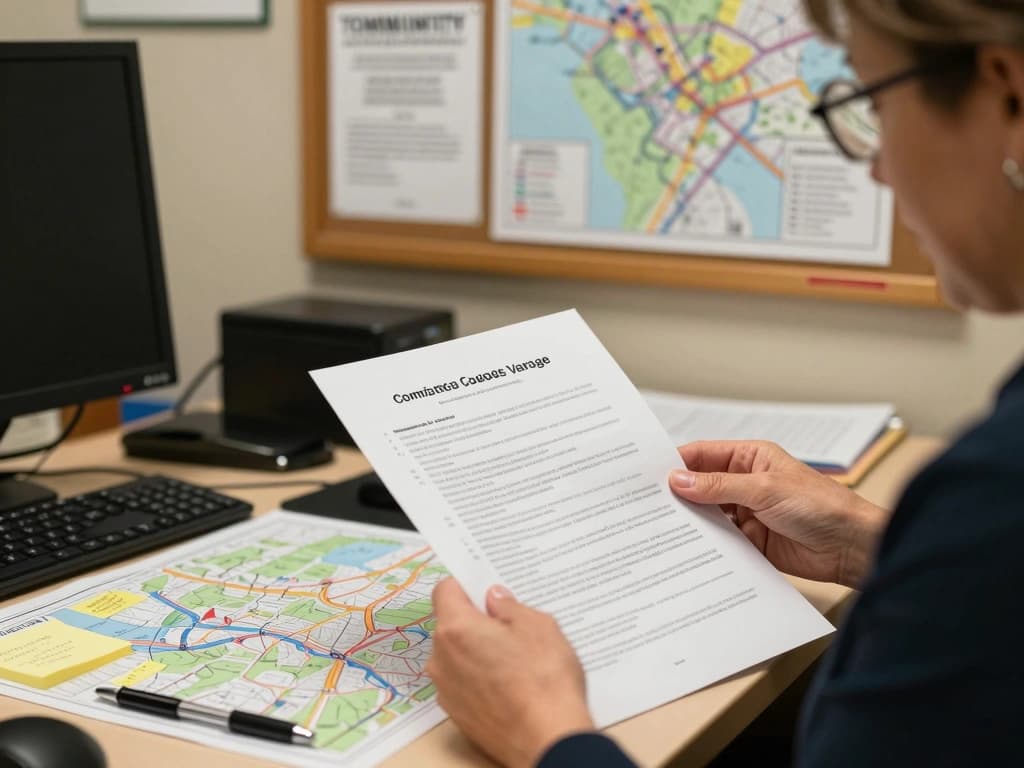
- The unique physical characteristics of the property that create a hardship.
- How the variance will not alter the essential character of the neighborhood.
- How the request is the minimum necessary to afford relief.
For example, if you are seeking a variance to build a fence higher than zoning laws allow, you could argue that the surrounding properties have similar fences, thus maintaining the area’s character.
Utilizing Professional Assistance and Experts
Consider hiring professionals, such as land use attorneys or zoning consultants, who can provide valuable insights into the variance process. These experts can help you navigate the complexities of local zoning laws, prepare your documentation, and represent you at public hearings. Their experience can be particularly beneficial in crafting a persuasive argument and addressing any legal concerns that may arise during the application process.
Navigating Public Hearings and Appeals
What to Expect at Public Hearings
Once your application is submitted, it will typically be scheduled for a public hearing where community members and local officials can express their opinions. Public hearings are often held in front of zoning boards or city councils and may involve a formal presentation of your case. Expect to answer questions from board members and possibly from concerned citizens. Preparation is key; rehearse your presentation to ensure clarity and confidence.
Presenting Your Case Effectively
During the public hearing, it is essential to present your case effectively. Start with a clear explanation of your request and why it is necessary. Use visual aids, such as maps, photos, and diagrams, to help illustrate your points. Be prepared to address questions and concerns from both the zoning board and the audience. Maintaining a calm and respectful demeanor, even in the face of opposition, can positively influence the board's perception of your request.
Understanding the Appeal Process if Denied
If your variance application is denied, you still have options. Most jurisdictions allow for an appeal process, enabling applicants to challenge the decision made by the zoning board. Typically, this involves filing an appeal with a higher authority, such as a city council or a court, within a specific time frame. The appeal should outline the reasons you believe the denial was unfounded, supported by evidence and documentation. It may also include new information that could bolster your case.
Post-Approval Considerations
Compliance with Conditions of Approval
If your zoning variance is granted, it will likely come with specific conditions that you must adhere to. These could include restrictions on the use of the property, requirements for landscaping, or stipulations regarding the timing of construction. It is crucial to understand and comply with these conditions to avoid any future legal issues or revocation of the variance.
Monitoring Changes to Zoning Laws
After obtaining a variance, staying informed about any changes to local zoning laws is vital. Zoning regulations can evolve, and new ordinances may impact your property or the conditions of your variance. Regularly check with your local zoning office or subscribe to community newsletters to keep abreast of any modifications that could affect your rights or responsibilities as a property owner.
Maintaining Good Relations with Local Authorities
Building and maintaining a positive relationship with local authorities can be beneficial in the long run. Engaging with them post-approval can help ensure that your project proceeds smoothly and may assist in any future applications or requests. Attend community meetings, participate in local events, and keep lines of communication open to foster goodwill and collaboration.