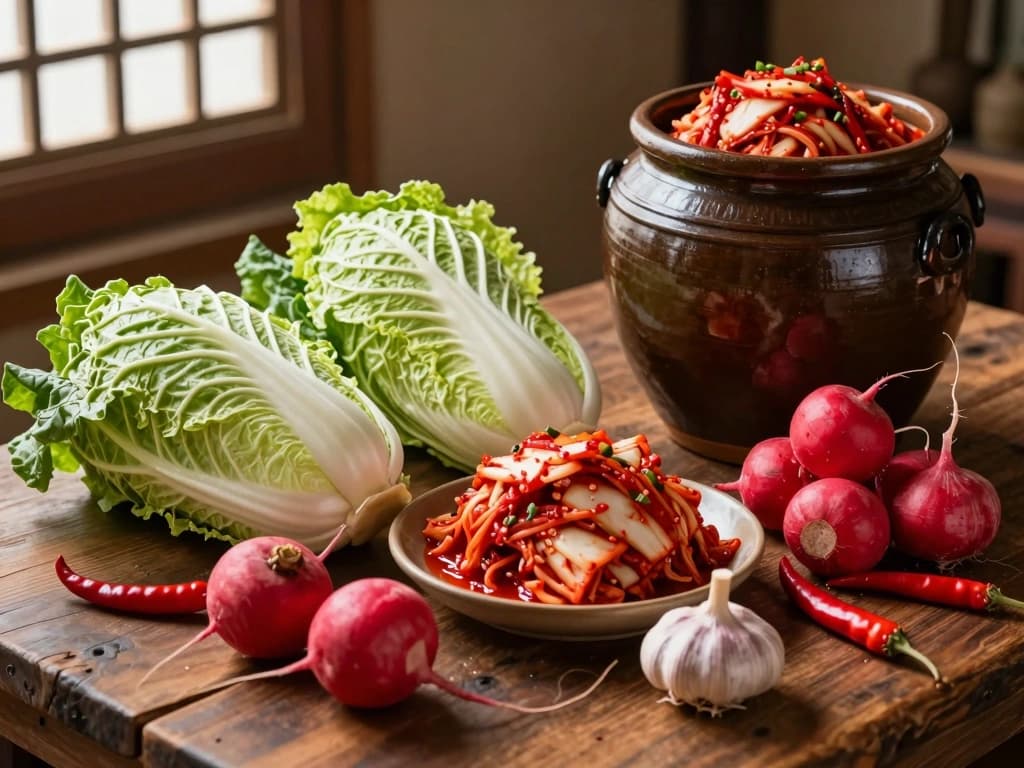
Discover how to ferment kimchi at home using traditional methods. Follow our step-by-step guide for delicious, authentic flavors and health benefits.
Understanding the Basics of Kimchi Fermentation
The Role of Fermentation in Kimchi
Fermentation is a transformative process that not only preserves food but also enhances its flavor and nutritional profile. In the world of Korean cuisine, kimchi stands as a quintessential example. This fermented vegetable dish, primarily made from napa cabbage and radishes, undergoes a fascinating biological transformation during fermentation. The process involves live bacteria, particularly Lactobacillus, which thrive in the anaerobic environment created when vegetables are submerged in brine or paste.
As the bacteria break down sugars and starches within the vegetables, they produce lactic acid, which contributes to kimchi's characteristic tangy flavor. This fermentation not only adds depth to the taste but also increases the bioavailability of vitamins and minerals, making kimchi a powerhouse of nutrients.
Essential Ingredients for Traditional Kimchi
To successfully ferment kimchi at home using traditional methods, you'll need several key ingredients:
- Napa cabbage: The primary vegetable, known for its crisp texture and mild flavor.
- Korean radish (mu): Adds crunch and a peppery note.
- Garlic: Imparts a robust flavor and has antimicrobial properties.
- Ginger: Adds warmth and complexity to the overall flavor profile.
- Korean red pepper flakes (gochugaru): Provides heat and a vibrant color.
- Fish sauce or salted shrimp: These ingredients enhance umami and depth.
- Salt: Crucial for drawing out moisture and creating the brine.
- Scallions and carrots: Optional, but they add variety and additional flavors.
Fermentation Time and Temperature Factors
The fermentation process is sensitive to time and temperature, critical factors that determine the final flavor and texture of your kimchi. Traditionally, kimchi is fermented at room temperature for 1 to 5 days, depending on your desired level of sourness. Warmer temperatures (around 70°F to 75°F) speed up fermentation, while cooler temperatures (around 50°F to 60°F) slow it down. It’s essential to taste your kimchi daily to find the right balance that suits your palate.
Preparing Your Ingredients for Kimchi
Selecting the Right Vegetables
Choosing the right vegetables is vital for making authentic kimchi. The best napa cabbage is firm and has tightly packed leaves. When shopping, look for heads weighing around 3 to 4 pounds. Korean radish, which is thicker and denser than standard radishes, should be fresh and free from blemishes for optimal crunch. Other vegetables such as scallions and carrots can be added for variation, but the focus should remain on the primary ingredients.
Creating the Kimchi Paste
To create the signature kimchi paste, begin by combining the following ingredients in a large mixing bowl:
- 1 cup of Korean red pepper flakes (gochugaru)
- 1/2 cup of fish sauce or 1/4 cup of salted shrimp (saeujeot)
- 10 cloves of garlic, minced
- 1 tablespoon of freshly grated ginger
- 1 tablespoon of sugar (optional, to balance flavors)
Mix these ingredients thoroughly, adding enough water to create a spreadable paste. The consistency should be thick but manageable, allowing it to cling to the vegetables effectively.
Importance of Salt in the Fermentation Process
Salt plays a dual role in kimchi fermentation. First, it helps draw moisture out of the vegetables, creating a brine that is essential for the fermentation process. Second, it acts as a preservative, inhibiting the growth of undesirable bacteria while promoting the development of beneficial lactic acid bacteria. For traditional kimchi, a salt concentration of about 3-4% of the vegetable weight is ideal. For instance, if you have 2 kg of napa cabbage, use around 60-80 grams of salt.
Traditional Fermentation Techniques
Using Earthenware Pots for Fermentation
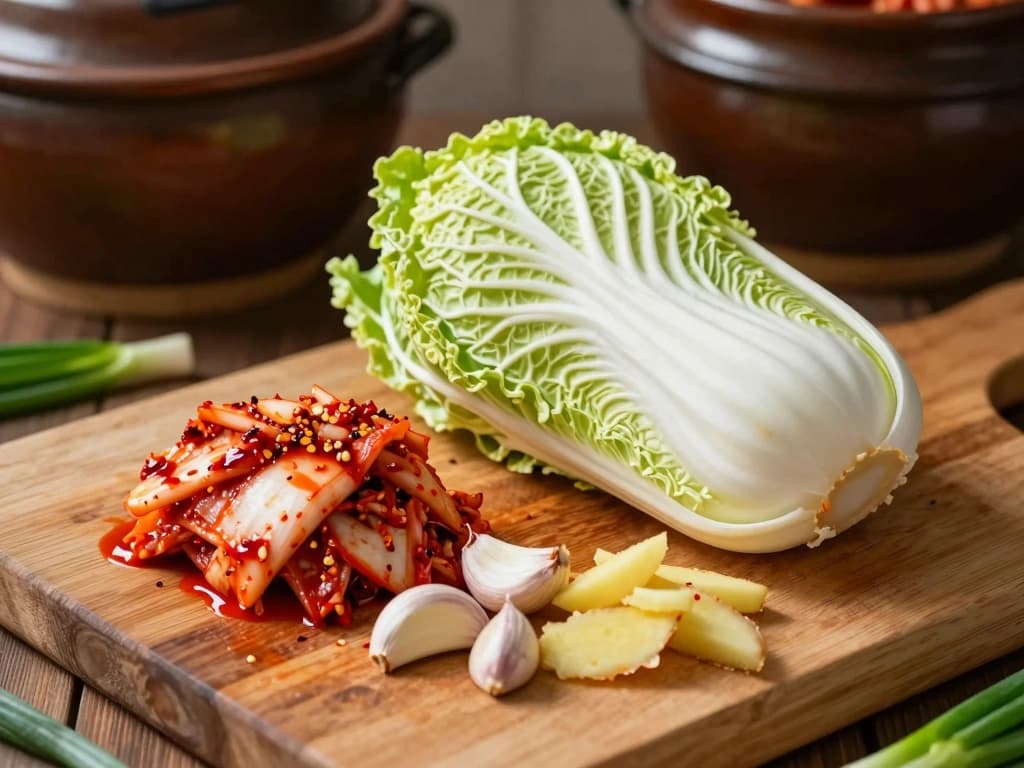
One of the hallmarks of traditional kimchi-making is the use of earthenware pots, known as onggi. These pots have been used for centuries in Korea for fermentation due to their ability to regulate temperature and humidity. The porous nature of the clay allows for airflow while preventing excessive moisture loss. If you don’t have an onggi, a glass jar or food-grade plastic container can also work, but be sure to leave some headspace for the kimchi to expand as it ferments.
The Benefits of Natural Fermentation
Natural fermentation, as opposed to quick fermentation methods involving added starters or heat, allows for the development of complex flavors and a rich probiotic profile. The slow fermentation process nurtures the growth of diverse microorganisms, which can enhance the health benefits of kimchi. This traditional method not only yields superior taste but also connects you with centuries of culinary tradition.
Monitoring the Fermentation Process
Once your kimchi is packed into the fermentation vessel, place it in a cool, dark area. A temperature of around 60°F to 65°F is ideal. Check the kimchi daily, pressing it down to keep it submerged in its brine. Taste it periodically to monitor the flavor development. When it reaches your desired sourness, you can transfer the kimchi to the refrigerator to slow down fermentation. Typically, kimchi can be enjoyed fresh within a week but continues to develop flavor for several months in the fridge.
Flavor Enhancements in Traditional Kimchi
Incorporating Seafood for Depth of Flavor
Many traditional kimchi recipes incorporate seafood to deepen the umami flavor. Ingredients such as salted shrimp, anchovy paste, or even oysters can be added to the kimchi paste. For instance, using 1/4 cup of salted shrimp provides a unique flavor profile while also aiding in the fermentation process. These ingredients not only enhance flavor but also contribute beneficial microorganisms to the mix.
Herbs and Spices to Elevate Your Kimchi
While basic kimchi relies on garlic and ginger for its flavor, adding other herbs and spices can elevate your creation. Chopped scallions, fresh cilantro, or even a dash of sesame oil can add unique twists to your kimchi. Consider experimenting with perilla leaves (shiso) for a distinctive herbal note or using a touch of turmeric for both color and health benefits.
Balancing Spiciness and Sourness
Finding the right balance between spiciness and sourness is crucial in crafting your ideal kimchi. The amount of gochugaru you add will determine the heat level, while the fermentation time will dictate the sourness. For those who prefer milder flavors, starting with 1/2 cup of gochugaru and adjusting based on taste can help. Remember that kimchi flavors will intensify over time, so consider your preferences when determining the spice level.
Storing and Enjoying Your Homemade Kimchi
Optimal Storage Conditions for Kimchi
Once your kimchi has reached the desired fermentation level, proper storage is essential to maintaining its flavor and safety. Transfer the kimchi to airtight containers, preferably glass jars, as they are non-reactive and allow you to see the contents. Store the jars in the refrigerator, where kimchi can last for several months. It’s normal for the flavor to evolve over time, becoming more sour as it ferments further.
How to Serve Kimchi with Traditional Dishes
Kimchi is incredibly versatile and can be enjoyed in various ways. Traditionally, it is served as a side dish with meals, complementing rice and meats. You can also use kimchi in cooking, adding it to stews (like kimchi jjigae), fried rice, or pancakes (kimchi jeon). A common serving suggestion is to pair it with grilled meats, as the acidity of the kimchi cuts through the richness of the fat.
Health Benefits of Consuming Fermented Kimchi
Beyond its delightful taste, kimchi offers numerous health benefits. As a fermented food, it is rich in probiotics, which promote gut health and aid digestion. Additionally, kimchi is low in calories while being high in vitamins A, B, and C. Studies have shown that regular consumption of fermented foods like kimchi may help boost the immune system and reduce inflammation.
In conclusion, fermenting kimchi at home using traditional methods is not only rewarding but also a way to connect with a rich culinary heritage. By understanding the basics of fermentation, preparing your ingredients thoughtfully, and utilizing traditional techniques, you can create delicious and healthful kimchi that you and your loved ones will enjoy for months to come.