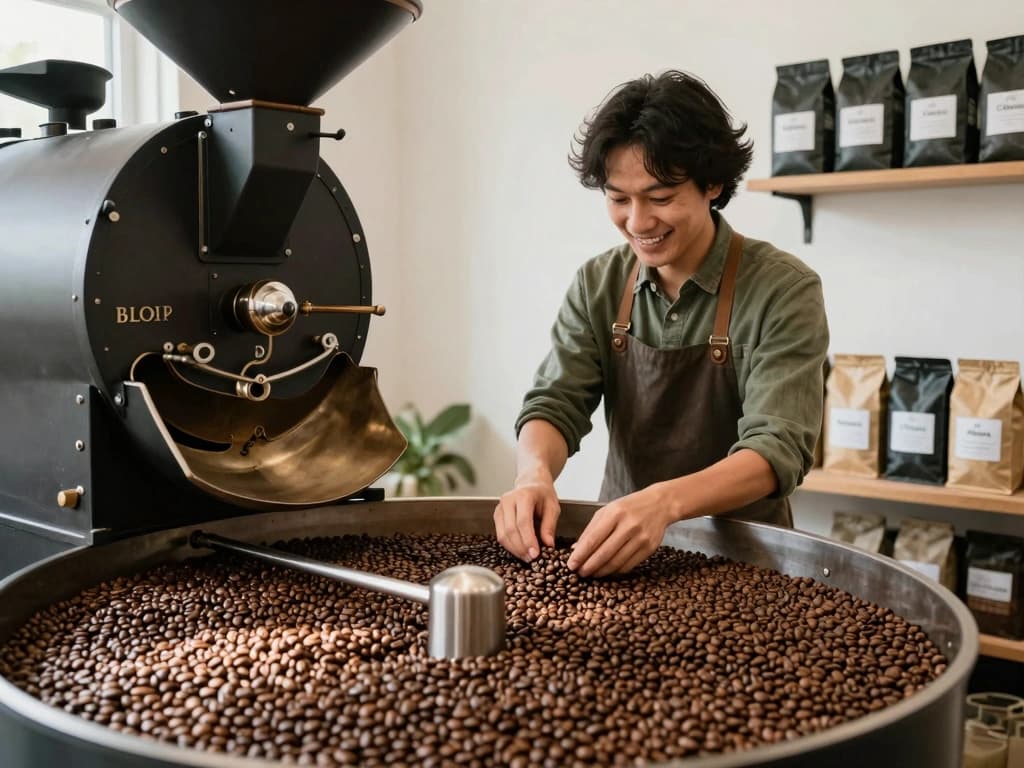
Discover how specialty coffee roasters source quality single-origin beans, ensuring unique flavors and exceptional quality in every cup.
Understanding Single-Origin Coffee: Definition and Importance
What is Single-Origin Coffee?
Single-origin coffee refers to coffee sourced from one specific region, farm, or cooperative, as opposed to blends that mix beans from various locations. This sourcing method emphasizes the unique characteristics and flavor profiles attributable to the geographical and climatic conditions of a specific area. The term "single-origin" can refer to coffee beans from a single country, a specific region within a country, or even a single estate or farm.
The Role of Terroir in Flavor Profiles
Terroir, a term borrowed from the world of wine, encompasses the environmental factors that affect a crop's characteristics, including soil composition, climate, and altitude. In coffee, terroir plays a critical role in developing the beans' flavor profiles. For instance, beans grown at higher elevations often exhibit higher acidity and more complex flavors due to slower maturation processes. A great example is Ethiopian Yirgacheffe coffee, known for its bright acidity and floral notes, which can be attributed to the region's unique growing conditions.
Why Single-Origin Matters for Specialty Roasters
For specialty coffee roasters, single-origin beans are paramount. They allow roasters to showcase the distinct attributes of specific regions and provide consumers with a more transparent coffee experience. Specialty roasters often seek to highlight the narratives behind each origin, creating a deeper connection between the coffee drinker and the source of their coffee. This focus on quality and storytelling is essential for distinguishing their offerings in a crowded market.
Building Relationships with Coffee Farmers
Direct Trade vs. Traditional Sourcing
Specialty coffee roasters often prefer direct trade over traditional sourcing methods. In direct trade, roasters establish direct relationships with farmers, bypassing intermediaries. This approach not only ensures better pricing for farmers but also fosters a more transparent supply chain. For example, a roaster may visit a farm in Colombia, negotiate prices directly with the farmers, and even participate in the harvest. This involvement creates a sense of partnership and mutual benefit, essential for sustainable sourcing.
Establishing Trust and Transparency
Trust and transparency are foundational elements in the specialty coffee sourcing process. Roasters who build strong relationships with farmers often have a clearer understanding of farming practices and the challenges faced in coffee production. Regular visits to farms, open communication regarding pricing, and sharing consumer feedback can significantly enhance trust. This transparency is not only beneficial for the farmers but also for consumers, who increasingly seek ethically sourced products.
Supporting Sustainable Practices
Specialty roasters often prioritize sustainability when sourcing single-origin beans. This can involve choosing farms that practice organic farming, shade-grown methods, and biodiversity conservation. For instance, companies like Intelligentsia Coffee are known for their commitment to sustainability, often partnering with farms that implement environmentally friendly practices. These efforts not only contribute to the health of the planet but also enhance the flavor profiles of the coffee, as sustainably grown beans tend to be of higher quality.
Evaluating Quality: The Cupping Process
What is Cupping and Why is it Essential?
Cupping is a standardized process used by coffee professionals to evaluate the flavors and aromas of coffee. During cupping, ground coffee is steeped in hot water, allowing tasters to assess the beans' characteristics. This process is essential for specialty roasters, as it helps them determine the quality and potential flavor notes of the beans they are considering for purchase. Cupping sessions can reveal unique attributes that may not be apparent through visual inspection alone.
Identifying Flavor Notes and Defects
During cupping, roasters look for specific flavor notes, acidity levels, body, and any defects that may affect the coffee's overall quality. For instance, a cup of high-quality Kenyan coffee may present flavors of blackcurrant and citrus, while a defect could manifest as a musty or off-putting flavor. Identifying these characteristics is crucial for making informed sourcing decisions and ensuring that only the best beans are selected for roasting.
How Cupping Influences Sourcing Decisions
The insights gained from cupping directly influence sourcing decisions. A roaster may choose to purchase beans from a specific farm based on the cupping results, particularly if they exhibit desirable flavor profiles. For example, if a roaster cups a Costa Rican coffee with vibrant fruit notes and a clean finish, they may decide to source that coffee exclusively for their offerings. This selective approach allows roasters to curate a unique menu that highlights exceptional coffees from various origins.
Geographic Focus: Key Coffee-Growing Regions
Latin America: Rich Varietals and Unique Flavors
Latin America is renowned for its diverse coffee varieties and flavor profiles. Countries like Colombia, Guatemala, and Costa Rica produce beans known for their balanced acidity and rich flavors. Colombian coffee, for instance, is celebrated for its smoothness and caramel notes, while Guatemalan beans may present chocolate and nutty flavors. Specialty roasters often seek out micro-lots from these regions, allowing them to offer unique and high-quality coffees that stand out in the marketplace.
Africa: Bright Acidity and Fruity Notes
Africa, particularly Ethiopia and Kenya, is famous for its vibrant coffees characterized by bright acidity and fruity notes. Ethiopian coffees, such as Yirgacheffe and Sidamo, often feature floral aromas and complex fruit flavors, making them highly sought after by specialty roasters. Kenyan coffees, known for their bold flavors and high acidity, are often prized for their berry-like sweetness. Specialty roasters frequently highlight these origins in their offerings, showcasing the unique attributes of African coffee.
Asia: Earthy Tones and Full-Bodied Brews
Asian coffee-growing regions, such as Indonesia and Vietnam, are known for producing coffees with earthy tones and full-bodied profiles. Indonesian coffees, particularly those from Sumatra, often have a rich, heavy body with notes of dark chocolate and spice. This distinct flavor profile is appealing to many specialty roasters, who may offer these coffees as a contrast to the brighter, fruitier options from Africa and Latin America. The diversity of flavors available from different regions allows roasters to create a well-rounded selection for their customers.
Logistics of Importing Single-Origin Beans
Navigating Import Regulations and Tariffs
Importing single-origin beans involves navigating a complex landscape of regulations and tariffs. Specialty roasters must stay informed about import laws in their respective countries, as these can impact the cost and feasibility of sourcing beans. For instance, the United States has specific regulations regarding food imports, and compliance with these rules is essential to avoid delays or fines. Roasters often work closely with importers who understand these regulations, ensuring a smoother import process.
Quality Control During Shipping
Maintaining quality during shipping is another critical concern for specialty roasters. Green coffee beans are typically shipped in bulk, and ensuring their integrity throughout the shipping process is paramount. Roasters often work with trusted shipping partners who understand the importance of temperature and humidity control during transit. For example, some roasters may invest in climate-controlled containers to protect the beans from potential damage during long sea voyages.
Storing and Preparing Beans for Roasting
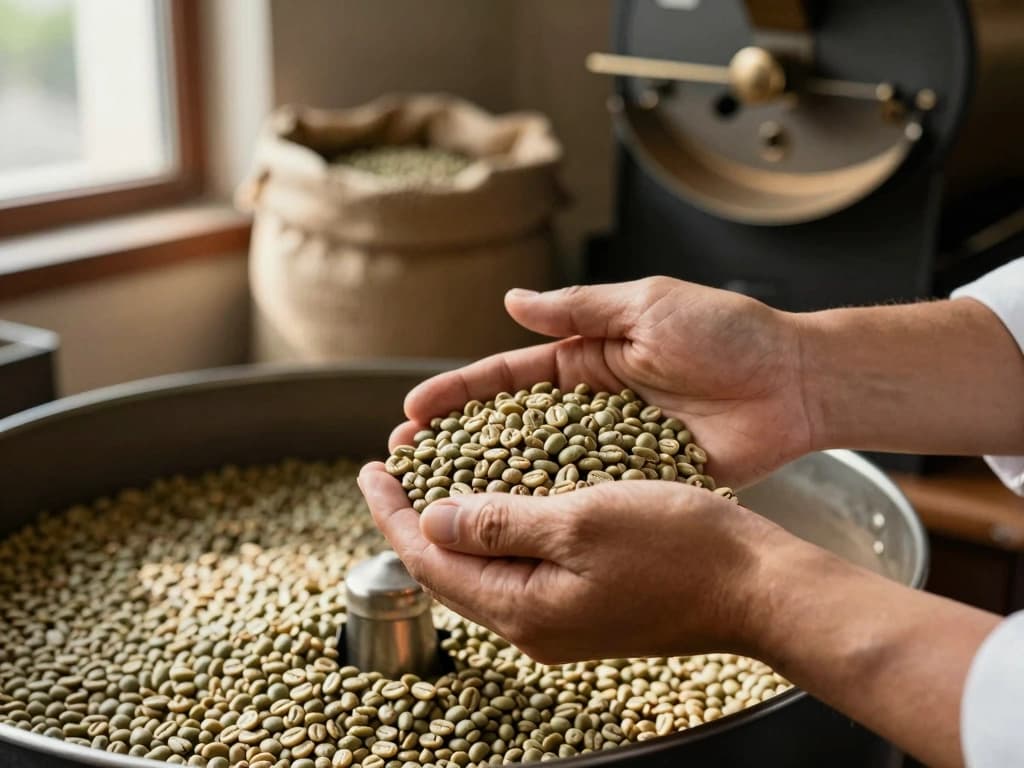
Once the beans arrive, proper storage is essential to preserve their quality. Specialty roasters typically store green coffee beans in a cool, dry place, away from direct sunlight and moisture. Properly sealed containers prevent exposure to air, which can lead to staleness. Additionally, roasters often conduct a thorough inspection of the beans before roasting, checking for defects and ensuring that the beans meet their quality standards. This meticulous approach to storage and preparation is crucial for delivering the highest quality coffee to consumers.