Discover how specialty coffee roasters source quality single-origin beans, ensuring rich flavors and unique profiles in every cup. Unlock the secrets of sourcing!
Understanding Single-Origin Coffee
Definition and Characteristics
Single-origin coffee refers to beans sourced from a specific region, country, or even a single farm. Unlike blends, which combine beans from various origins to create a balanced flavor profile, single-origin coffees showcase the unique characteristics imparted by their specific growing conditions. This means that each cup can tell a story about its origin, reflecting the local soil, climate, and cultivation practices.
Characteristics of single-origin beans often include distinct flavor notes, acidity levels, and body. For instance, Ethiopian Yirgacheffe beans may have floral and citrus notes, while Colombian beans often present a smooth and balanced profile. These unique attributes are crucial for specialty coffee roasters who aim to highlight the diversity of flavors available in the world of coffee.
Importance of Terroir
Terroir, a term borrowed from the wine industry, describes how a specific region's climate, soil, and geography affect the taste of its products. In coffee, terroir plays a vital role in determining the flavor and quality of the beans. Factors such as elevation, rainfall, and temperature can significantly influence the growth of coffee plants and the development of the beans.
Specialty coffee roasters pay close attention to terroir, often sourcing beans from high-altitude regions where cooler temperatures slow the maturation of coffee cherries, resulting in denser beans with more complex flavors. For example, coffee from the highlands of Guatemala is renowned for its full-bodied richness and bright acidity, largely due to the unique terroir of the region.
Flavor Profiles of Single-Origin Beans
The flavor profiles of single-origin beans are as varied as the regions from which they come. Understanding these profiles is essential for specialty coffee roasters who curate their offerings based on consumer preferences and seasonal availability. Here are a few notable examples:
- Ethiopian Sidamo: Known for its vibrant acidity and fruity notes, often resembling blueberries or jasmine.
- Sumatra Mandheling: Characterized by earthy, herbal flavors with a full body and low acidity, making it a popular choice for dark roasts.
- Panama Geisha: Celebrated for its floral aroma and complex flavor, often featuring notes of tropical fruit and tea.
Specialty coffee roasters utilize their knowledge of these profiles to create unique roasting profiles that enhance the inherent characteristics of the beans, allowing consumers to experience the essence of each origin in their cups.
The Role of Direct Sourcing
Building Relationships with Farmers
Direct sourcing is a critical aspect of how specialty coffee roasters obtain high-quality single-origin beans. By establishing direct relationships with farmers, roasters can ensure that they are receiving the best possible product while also supporting the communities that produce them. This relationship often involves regular visits to farms, where roasters can engage with farmers, learn about their practices, and understand the challenges they face.
For example, a roaster may visit a cooperative in Peru to witness the harvesting process and discuss post-harvest processing techniques. This not only helps the roaster select the best beans but also fosters a sense of partnership that can lead to higher prices for farmers, thus incentivizing quality production.
Benefits of Direct Trade
Direct trade offers several advantages over traditional sourcing methods, such as importing through intermediaries. One of the primary benefits is the ability to offer fair prices to farmers. Specialty roasters often pay significantly above market rates for high-quality beans, which can result in better income for growers. For instance, while the commodity coffee market may pay around $1 to $2 per pound, specialty roasters can pay $3 to $5 or more for premium single-origin beans.
Additionally, direct trade allows roasters to maintain quality control throughout the supply chain. By working closely with farmers, they can influence cultivation and processing methods to align with their quality standards, ensuring that the final product meets the expectations of their customers.
Transparency in Sourcing Practices
Transparency is a hallmark of the specialty coffee industry. By being open about their sourcing practices, roasters build trust with their customers. This transparency often includes sharing information about the origins of their beans, the farmers they work with, and the prices paid for the coffee. Many roasters even provide detailed tasting notes and brewing recommendations for each single-origin offering, allowing consumers to appreciate the nuances of their coffees.
For example, a roaster might publish a detailed report on their website about a specific lot of Ethiopian coffee, including the farmer's name, the elevation at which the coffee was grown, and the processing method used. This level of detail not only educates consumers but also reinforces the connection between their cup of coffee and the people who produced it.
Evaluating Bean Quality
Processing Methods and Their Impact
The way coffee beans are processed after harvest significantly influences their flavor and quality. There are three primary processing methods: washed, natural, and honey. Each method offers distinct flavor profiles and characteristics that specialty roasters must consider when sourcing single-origin beans.
- Washed Processing: In this method, the cherry's pulp is removed before fermentation. This results in a cleaner taste, allowing the inherent flavors of the bean to shine through. It is commonly used for coffees from Colombia and Costa Rica.
- Natural Processing: Here, the coffee cherries are dried in the sun with the fruit still intact, leading to a fruitier and more complex flavor profile. This method is often found in Ethiopian coffees.
- Honey Processing: A hybrid of the washed and natural methods, honey processing involves removing some but not all of the cherry's mucilage before drying. This method can produce a sweet and fruity cup, often seen in coffees from Central America.
Specialty roasters assess these processing methods when sourcing beans, as they can significantly impact the final flavor profile and quality of the coffee.
Green Coffee Grading Standards
Green coffee grading standards are essential for evaluating the quality of unroasted beans. The Specialty Coffee Association (SCA) has established a grading system that assesses factors such as size, weight, and defects. Beans are typically categorized into grades, with specialty coffee being classified as having fewer than five defects per 300 grams.
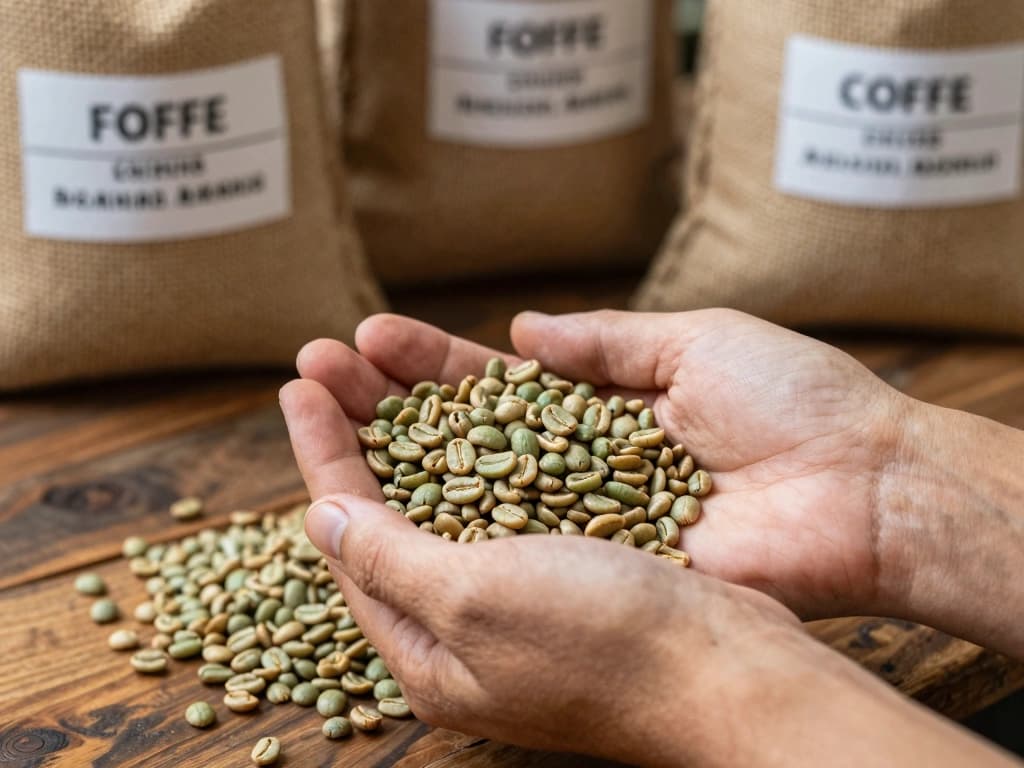
Specialty coffee roasters often rely on these grading standards to inform their purchasing decisions. For instance, a roaster may choose to source only Grade 1 coffee, which represents the highest quality available, ensuring that their customers receive a premium product.
Cupping Techniques for Quality Assessment
Cupping is the industry standard for evaluating the flavor and aroma of coffee beans. Specialty coffee roasters regularly conduct cupping sessions to assess the quality of potential single-origin offerings. During a cupping session, roasted beans are ground and steeped in hot water, allowing tasters to evaluate their flavor, acidity, body, and aftertaste.
Roasters often invite farmers to participate in cupping sessions, facilitating a collaborative approach to quality assessment. This practice helps roasters identify the best lots of coffee while providing valuable feedback to farmers about the characteristics that are most sought after in the specialty market.
Geographic Considerations in Sourcing
Regions Known for Specialty Coffee
Various regions around the world are renowned for producing exceptional specialty coffee. Some of the most notable include:
- Latin America: Countries like Colombia, Guatemala, and Costa Rica are known for their balanced flavors and bright acidity.
- Africa: Ethiopia and Kenya are famous for their fruity and floral profiles, often sought after in the specialty market.
- Asia: Indonesia and India produce unique coffees with earthy and spicy notes, appealing to a different segment of coffee drinkers.
Specialty coffee roasters often focus on specific regions based on their flavor preferences and the availability of high-quality beans, allowing them to curate a diverse selection for their customers.
Climatic Factors Affecting Quality
Climatic factors play a crucial role in the growth and development of coffee beans. Elevation, temperature, and rainfall can all affect the flavor and quality of coffee. For example, coffee grown at higher elevations tends to mature more slowly, resulting in denser beans with more complex flavors.
Specialty coffee roasters often seek out beans grown in high-altitude regions, as these conditions are known to produce superior quality coffee. For instance, beans from the famed "Coffee Triangle" in Colombia, which sits at elevations of 1,200 to 1,800 meters, are highly sought after for their rich flavor and aroma.
Impact of Local Cultivation Practices
Local cultivation practices also influence the quality of coffee beans. Farmers who employ sustainable and organic farming methods often produce higher-quality coffee that reflects their commitment to the environment. For example, shade-grown coffee, which is cultivated under a canopy of trees, can benefit from reduced exposure to harsh sunlight and improved biodiversity in the ecosystem.
Specialty coffee roasters are increasingly prioritizing beans from farmers who practice sustainable agriculture, as this not only enhances the flavor and quality of the coffee but also supports environmental conservation efforts.
Ethical and Sustainable Sourcing Practices
Fair Trade Certification and Its Importance
Fair Trade certification is a key component of ethical sourcing in the coffee industry. It ensures that farmers receive a fair price for their coffee, promoting social and economic equity in coffee-growing communities. For specialty coffee roasters, sourcing Fair Trade certified beans signals a commitment to ethical practices and support for small-scale farmers.
Many specialty roasters actively seek out Fair Trade beans, recognizing that this certification not only ensures fair pricing but also encourages sustainable farming practices and community development. For instance, roasters may partner with cooperatives that are Fair Trade certified, ensuring that farmers receive a minimum price that covers their production costs.
Environmental Considerations in Sourcing
Environmental sustainability is increasingly important in the coffee industry. Specialty coffee roasters often prioritize sourcing beans from farms that practice environmentally responsible cultivation methods. These practices may include organic farming, water conservation, and biodiversity preservation.
For example, some roasters work with farms that utilize composting and natural pest control methods, reducing the need for synthetic fertilizers and pesticides. By supporting environmentally sustainable farming, roasters contribute to the long-term health of coffee-producing regions and the planet as a whole.
Supporting Local Economies and Communities
Specialty coffee roasters have a unique opportunity to support local economies and communities in coffee-growing regions. By sourcing directly from farmers and cooperatives, they help ensure that more of the money spent on coffee goes directly to the people who grow it. This approach fosters economic development and empowers farmers to invest in their communities.
For instance, by paying higher prices for quality beans, roasters can help farmers improve their living conditions, invest in education, and support healthcare initiatives. This positive impact on local communities is a powerful motivator for specialty coffee roasters to engage in ethical sourcing practices.