Discover how restaurant rent percentages impact menu pricing strategy. Learn effective pricing techniques to boost profits while managing overhead costs.
Understanding Restaurant Rent Percentages
Defining Rent Percentage in the Restaurant Industry
In the restaurant industry, rent percentage refers to the proportion of a restaurant's gross sales that is allocated to cover rental expenses. This metric is crucial for restaurant owners as it directly impacts their profitability and overall financial health. Typically expressed as a percentage, it helps operators gauge how much of their revenue is consumed by fixed costs related to their physical location.
The rent percentage is calculated by dividing the total rent paid by the restaurant's gross sales. For example, if a restaurant pays $10,000 in rent and has gross sales of $100,000, the rent percentage would be 10%. This figure can vary substantially based on location, type of cuisine, and the overall business model of the restaurant.
Common Rent Percentage Benchmarks
Industry benchmarks suggest that a healthy rent percentage for restaurants typically falls between 6% to 10% of gross sales. However, this can vary significantly based on several factors:
- Location: Restaurants in prime urban areas may experience higher rent percentages, often exceeding 10% due to high demand and limited space.
- Cuisine Type: Upscale dining establishments may have higher rent percentages due to larger spaces and their appeal, while fast-casual restaurants may operate efficiently at lower percentages.
- Business Model: Franchised restaurants may have standardized rent agreements that influence their rent percentages differently than independent establishments.
Understanding these benchmarks allows restaurant owners to make informed decisions about their pricing strategies and operational adjustments.
How Rent is Calculated in Different Locations
Rent calculations can differ widely based on geographical and economic factors. In high-demand cities like New York or San Francisco, landlords often charge rents based on square footage, location desirability, and market trends. For instance, prime retail spaces in NYC can command rent upwards of $300 per square foot annually.
Conversely, in less densely populated areas, rent might be calculated based on a combination of flat fees and sales percentages. In these locations, landlords may offer more favorable terms to attract businesses, resulting in lower rent percentages for restaurants.
Additionally, local economic conditions, such as the presence of competing restaurants, can also sway rent prices. In areas with oversaturation, landlords may lower rents to retain tenants, while in booming neighborhoods, rent may soar, impacting the rent percentages endured by local establishments.
The Relationship Between Rent and Menu Pricing
How Rent Costs Impact Food Cost Ratios
The relationship between rent costs and food cost ratios is a critical consideration for restaurant pricing strategies. Food cost ratio is the percentage of total sales that is spent on food. A typical benchmark for restaurants is to maintain a food cost ratio between 28% and 35% of total sales. However, when rent costs rise, this ratio can be adversely affected.
If rent takes up 10% of gross sales and food costs are maintained at 30%, a restaurant's total fixed costs could reach 40% or more of sales. This can force restaurant owners to make tough decisions, such as increasing menu prices or reducing food quality to maintain profitability.
For instance, a restaurant with $500,000 in annual sales and a rent of $50,000 represents a 10% rent percentage. If food costs amount to $150,000 (30%), the combined cost of food and rent represents 40% of sales. As rent increases, say to $70,000, the owner must reconsider food sourcing or menu pricing to keep the business afloat.
Balancing Quality and Price with Rising Rent
As rent increases, maintaining a balance between quality and pricing becomes increasingly challenging. Restaurant owners often face the dilemma of whether to absorb the rising costs or pass them on to customers through price increases. In turn, this can lead to customer dissatisfaction if they perceive a decline in value.
For example, a pizzeria located in a high-rent district may feel pressured to raise prices from $15 to $18 for a large pizza to accommodate increased rent. If the quality remains consistent, loyal customers may accept the price increase. However, if the quality diminishes, it could lead to a loss of clientele.
To manage these challenges, owners must carefully evaluate their supply chains, negotiate better terms with vendors, and possibly introduce higher-margin items to offset the increased rent burden without sacrificing quality.
Strategies for Adjusting Menu Prices in Response to Rent Changes
Adjusting menu prices in response to changing rent costs requires a strategic approach to ensure that price increases do not deter customers while still maintaining profitability. Here are some effective strategies:
- Gradual Price Adjustments: Instead of a significant one-time increase, gradual adjustments can be less shocking to customers. For instance, raising prices by 2-3% over several months may be more palatable than a sudden 10% hike.
- Menu Engineering: Focus on pricing strategies that highlight high-margin items. By promoting signature dishes or unique offerings, restaurants can encourage customers to spend more without overtly increasing prices across the board.
- Dynamic Pricing: Consider implementing dynamic pricing strategies, where prices fluctuate based on demand. This can be effective during peak hours or special events, allowing for higher profit margins when demand is highest.
- Value Communication: Clearly communicate the reasons behind price increases to customers. Emphasizing the quality of ingredients or the overall dining experience can help justify price adjustments.
Case Studies: Rent Percentages and Menu Pricing Strategies
Successful Restaurants with High Rent Percentages
Examining successful restaurants that manage to thrive with high rent percentages offers valuable insights. For instance, upscale dining establishments in Manhattan often operate with rent percentages exceeding 15%. A prominent example is Le Bernardin, known for its high-end seafood offerings. The restaurant manages to maintain its high price point by focusing on exceptional quality, a unique dining experience, and strong brand loyalty.
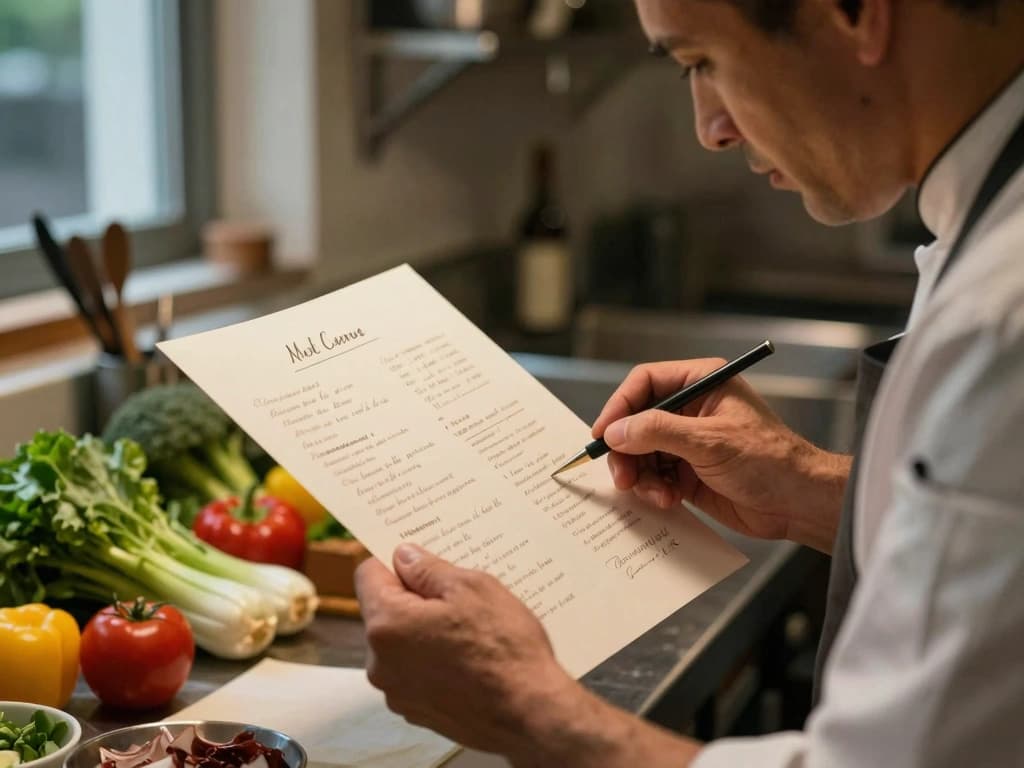
Le Bernardin's strategic use of seasonal menus, where they incorporate premium ingredients that reflect market trends, allows them to justify higher prices. Their ability to attract a clientele willing to pay for an extraordinary dining experience showcases how high rent percentages can coexist with successful pricing strategies.
Lessons from Establishments that Struggled with Rent Costs
Conversely, numerous establishments have faced challenges due to high rent percentages. A notable case is a trendy café in San Francisco that experienced rapid rent increases due to gentrification. Initially, the café enjoyed a loyal customer base and was thriving with a rent percentage of around 8%. However, as rents rose to 12%, the owner attempted to raise menu prices without enhancing the quality of offerings.
The result was a significant drop in customer satisfaction and loyalty, ultimately leading to declining sales. The café had to close its doors after just two years of struggling with the financial burden of high rent without a clear strategy for maintaining customer value.
Comparative Analysis of Different Cuisine Types
Different cuisine types also demonstrate varying impacts of rent percentages on menu pricing. Fast-casual restaurants, such as Chipotle, typically maintain lower rent percentages due to efficient business models and lower overhead costs. Their average rent percentage can be around 6-8%, allowing for competitive pricing while still offering high-quality ingredients.
On the other hand, fine dining establishments often possess higher rent percentages and must adopt robust pricing strategies to maintain profit margins. By focusing on unique, high-quality dishes and exceptional service, they can justify higher menu prices even in the face of steep rental costs.
For example, a sushi restaurant operating in a prime location may charge $30 for a specialty roll, whereas a casual sushi chain might offer similar items at $12. The higher rent percentage for the upscale restaurant is counterbalanced by its ability to attract a clientele that values the quality and experience over price.
Consumer Perception and Reaction to Price Changes
How Customers View Price Increases Due to Rent
Customer perception plays a pivotal role in how successful price adjustments are received. Many customers may understand the need for price increases due to rising rent; however, they often expect corresponding increases in quality or value. If they perceive a lack of justification for higher prices, it can lead to dissatisfaction.
For example, when a popular restaurant increases its prices, customers may first react with disappointment but often accept the changes if they notice improvements in service or menu offerings. Transparency about the reasons for price adjustments can also mitigate negative reactions.
Marketing Strategies to Justify Menu Pricing
Effective marketing strategies can help justify menu pricing increases. Considerations include:
- Highlighting Quality Ingredients: Educating customers about the sourcing of premium ingredients can provide a compelling reason for price increases.
- Storytelling: Sharing the restaurant's journey, its mission, and how each dish is crafted can create emotional connections with customers, making them more receptive to price changes.
- Promotional Offers: Implementing limited-time offers or bundled meals can provide added value, encouraging customers to accept price increases as part of a special experience.
Building Customer Loyalty Despite Price Adjustments
Building customer loyalty in the face of price adjustments is essential for long-term success. Strategies include:
- Engagement: Encourage customer feedback and engagement through social media, allowing them to voice their opinions and feel valued.
- Loyalty Programs: Implement loyalty programs that reward repeat customers, making them more likely to accept price changes.
- Consistent Quality: Ensuring that the quality of food and service remains high can help maintain a positive customer perception, even with price increases.
Future Trends in Restaurant Rent and Pricing
Predicted Changes in Commercial Rent Markets
As we look toward the future, several trends are emerging in commercial rent markets that may influence restaurant pricing strategies. As remote work becomes more prevalent and urban areas evolve, we may see shifts in demand for commercial spaces. Areas that were once bustling may experience declines in rental prices, while emerging neighborhoods could see increases as more businesses adapt to changing consumer behaviors.
Additionally, the rise of mixed-use developments may create opportunities for more affordable rent structures, allowing restaurants to thrive without exorbitant costs. This shift could lead to a re-evaluation of traditional rent percentage benchmarks across the industry.
Innovative Pricing Models in Response to Rent Challenges
To navigate the challenges of rising rents, restaurants may explore innovative pricing models. Some concepts include:
- Subscription Services: Restaurants might consider offering subscription services where customers pay a monthly fee for certain benefits, like a meal plan or exclusive discounts, which can provide steady revenue and offset rent costs.
- Flexible Pricing: Implementing flexible pricing based on time and demand can help restaurants maximize profits during peak hours while offering discounts during slower times, thus balancing rent pressures.
The Role of Technology in Managing Rent and Menu Pricing
Technology is playing an increasingly vital role in helping restaurants manage rent and pricing strategies effectively. Point-of-sale systems can provide valuable insights into sales data, allowing owners to understand customer behavior and adjust pricing dynamically. Inventory management software can help control food costs, enabling restaurants to maintain profitability even with higher rent percentages.
Moreover, online platforms for food delivery and takeout can expand revenue streams, helping to offset the burden of rising rents. As technology continues to evolve, restaurants that embrace these tools will be better equipped to adapt to changing economic conditions and consumer preferences.