Discover how electric arc furnaces work in steel mills with our detailed guide. Learn the process, benefits, and innovations in heavy industry and engineering.
Understanding the Basics of Electric Arc Furnaces
Definition and Purpose of Electric Arc Furnaces
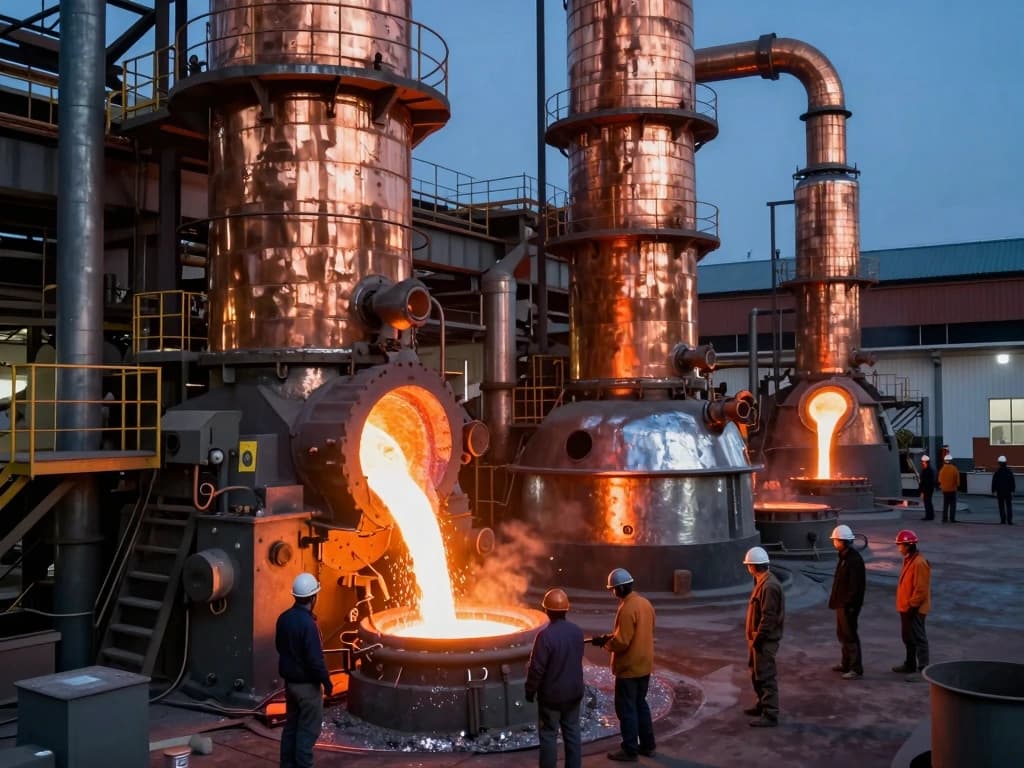
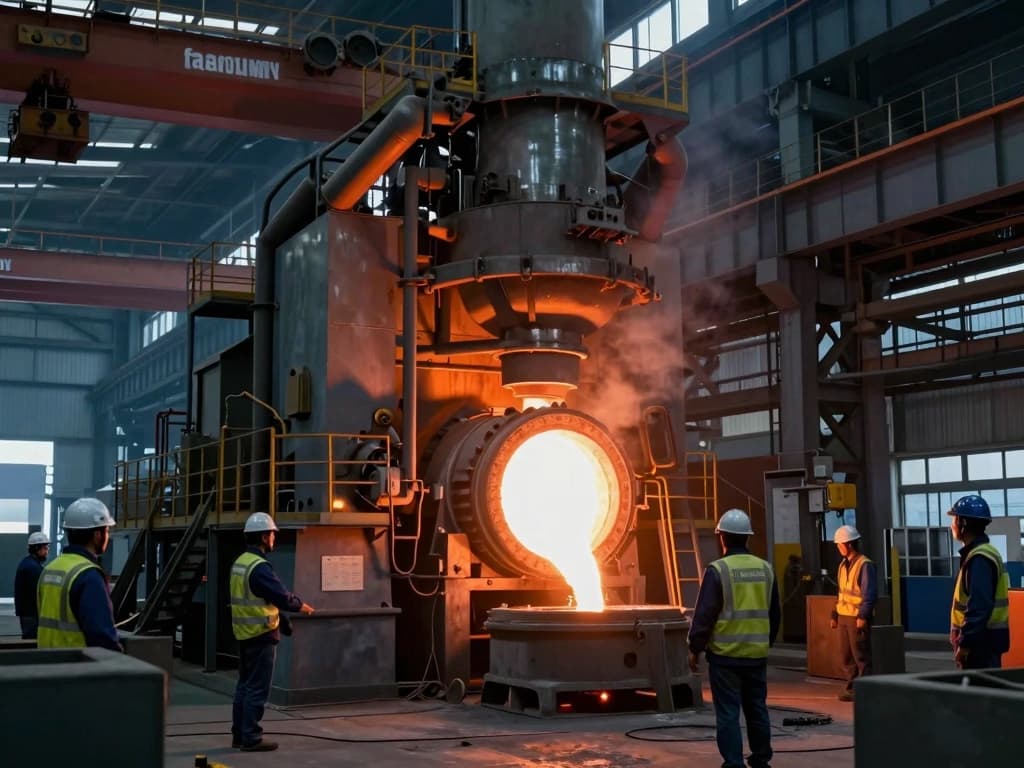
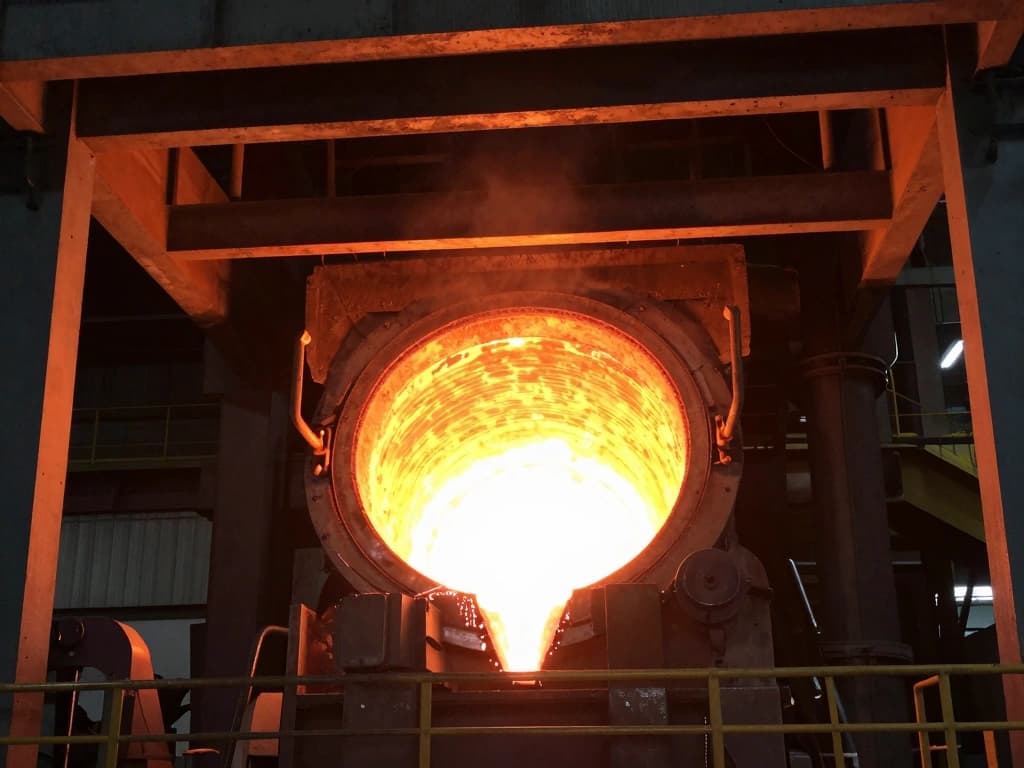
Electric Arc Furnaces (EAFs) are a type of furnace used in steelmaking that utilizes electrical energy to produce heat through an electric arc. Unlike traditional blast furnaces that rely on coke and hot air, EAFs primarily operate using scrap steel and other steelmaking materials. The fundamental purpose of an EAF is to melt metal, primarily scrap steel, and convert it into liquid steel for subsequent processing and casting. EAFs have gained prominence due to their flexibility, lower environmental impact, and ability to produce high-quality steel efficiently.
Key Components of Electric Arc Furnaces
Electric Arc Furnaces are composed of several critical components that work in unison to facilitate the melting and refining of steel. These include:
- Furnace Shell: The outer structure that houses the internal components and withstands high temperatures.
- Electrodes: Typically made of graphite, these conduct electricity and generate the arc needed for melting. EAFs usually have three electrodes positioned at the top of the furnace.
- Refractory Lining: A layer of heat-resistant material lining the interior of the furnace to protect it from extreme temperatures.
- Tapping System: A mechanism for discharging molten steel from the furnace into molds or ladles.
- Power Supply System: Provides the necessary electrical energy to generate the arc, typically comprising transformers and rectifiers.
How Electric Arc Furnaces Differ from Other Steelmaking Methods
Electric Arc Furnaces differ significantly from other steelmaking techniques, particularly blast furnaces and basic oxygen furnaces (BOFs). Key distinctions include:
- Raw Materials: EAFs primarily utilize scrap steel, while blast furnaces use iron ore and coke as the main inputs.
- Energy Source: EAFs rely on electrical energy for melting, whereas blast furnaces depend on the combustion of fossil fuels.
- Environmental Impact: EAFs generally produce fewer emissions and can be powered by renewable energy sources, making them more sustainable.
- Production Flexibility: EAFs can quickly adjust to varying production demands and are often employed in mini-mills to produce smaller batches of steel.
The Operating Principles of Electric Arc Furnaces
Electric Arc Generation and Control
The electric arc in an EAF is generated when electrical current passes between the electrodes and the charge material (scrap steel). The process initiates when the electrodes are lowered into the charge, forming a circuit. Once the electric current is established, an arc is created, producing intense heat that can exceed 3,000 degrees Celsius (5,432 degrees Fahrenheit).
Control systems play a vital role in managing the parameters of the arc, including its length and intensity. Advanced control technologies allow operators to optimize the melting process, ensuring that the temperature and chemistry of the molten steel meet specified requirements.
Heat Generation and Material Melting Process
The heat generated by the electric arc melts the scrap steel and other added materials. The melting process in an EAF typically occurs in three phases:
- Charging: The scrap steel is loaded into the furnace, and the electrodes are lowered to initiate the electric arc.
- Melting: The intense heat generated by the arc causes the scrap to melt. This phase can take anywhere from 30 minutes to several hours, depending on the volume and type of material.
- Refining: Once the metal is molten, the refining process begins. Fluxes and alloying elements may be added to adjust the chemical composition of the steel, removing impurities and achieving desired properties.
Power Supply Systems for Electric Arc Furnaces
The power supply system is crucial for the operation of an EAF, converting high-voltage electricity into suitable levels for the electrodes. Typical systems include:
- Transformers: These devices step down high-voltage electricity from the grid to a lower voltage suitable for the EAF operation.
- Rectifiers: Convert alternating current (AC) to direct current (DC), which is often required for certain EAF designs.
- Control Systems: Automated systems that monitor and adjust power input for optimal efficiency and output quality.
Raw Materials Used in Electric Arc Furnaces
Types of Scrap Steel and Their Importance
Scrap steel is the primary raw material used in Electric Arc Furnaces, and its quality significantly influences the final steel product. The types of scrap can be categorized as follows:
- Obsolete Scrap: Sourced from end-of-life products like automobiles, appliances, and buildings.
- Prompt Scrap: Generated during the manufacturing processes, such as cut-offs from steel fabrication.
- Industrial Scrap: Collected from manufacturing operations, including trimmings and punch-outs.
The composition and cleanliness of scrap steel are critical in producing high-quality steel. Higher purity levels lead to improved mechanical properties and better performance in end applications.
Alloying Materials and Their Functions
In addition to scrap steel, various alloying materials are added to the EAF to achieve specific properties in the final product. Common alloying elements include:
- Carbon: Enhances hardness and strength.
- Manganese: Improves toughness and hardness.
- Chromium: Increases corrosion resistance and hardness.
- Nickel: Enhances strength and toughness at high and low temperatures.
The precise addition of these materials allows steelmakers to customize the chemical composition of the steel to meet the requirements of various applications, from construction to automotive manufacturing.
Impact of Raw Material Quality on Steel Production
The quality of raw materials directly affects the efficiency and quality of the steel produced in Electric Arc Furnaces. Impurities in scrap steel can lead to defects in the final product, such as inclusions or inconsistent mechanical properties. Therefore, steel mills often employ rigorous quality control measures, including:
- Sorting: Separating different types of scrap to minimize contamination.
- Shredding: Reducing scrap size to ensure even melting.
- Testing: Conducting chemical analyses to ascertain the composition of scrap and alloying materials.
Environmental Considerations and Efficiency of Electric Arc Furnaces
Energy Consumption and Its Implications
Electric Arc Furnaces are known for their energy efficiency compared to traditional steelmaking methods. The energy consumption of an EAF typically ranges from 300 to 800 kilowatt-hours per ton of steel produced, depending on the technology and operational practices employed. This efficiency translates to lower operational costs and reduced greenhouse gas emissions.
Furthermore, EAFs can be integrated with energy recovery systems to capture waste heat, further enhancing their overall energy efficiency.
Emission Control Technologies in Electric Arc Furnaces
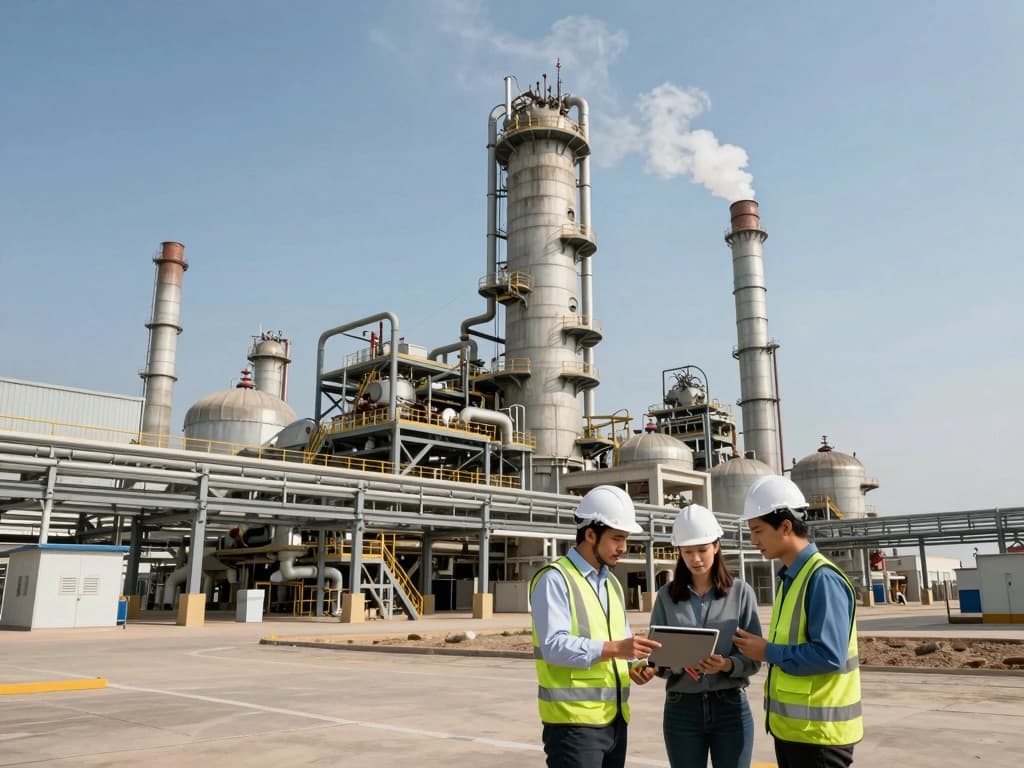
Although EAFs have a lower environmental impact than traditional steelmaking methods, they still generate emissions, including particulate matter, volatile organic compounds, and greenhouse gases. To mitigate these emissions, steel mills implement various control technologies:
- Baghouse Filters: Capture dust and particulates generated during the melting process.
- Scrubber Systems: Remove harmful gases from the flue gases before they are released into the atmosphere.
- Continuous Emission Monitoring Systems (CEMS): Monitor emissions levels in real-time to ensure compliance with environmental regulations.
Recycling and Sustainability in Steel Production
One of the most significant advantages of Electric Arc Furnaces is their ability to utilize recycled materials. Approximately 70% of the raw material used in EAF steelmaking is scrap steel, making it a cornerstone of sustainable steel production. By recycling steel, EAFs contribute to reducing waste and conserving natural resources.
Moreover, the circular economy model promotes the continual reuse of materials, further enhancing the sustainability of steel production. Steel produced via EAFs can be recycled indefinitely without losing its properties, making it a material of choice for sustainable construction and manufacturing.
Future Innovations in Electric Arc Furnace Technology
Advancements in Automation and Control Systems
The future of Electric Arc Furnace technology is poised for significant advancements, particularly in automation and control systems. Smart EAFs equipped with advanced sensors, artificial intelligence, and machine learning algorithms will enable real-time data analysis and decision-making, optimizing the melting and refining processes.
For instance, predictive maintenance systems can reduce downtime by forecasting equipment failures before they occur, enhancing operational efficiency and safety.
Integration of Renewable Energy Sources
As the steel industry moves towards decarbonization, the integration of renewable energy sources into Electric Arc Furnaces will become increasingly important. Solar, wind, and hydroelectric power can be harnessed to supply the electrical energy required for EAF operations, significantly reducing the carbon footprint associated with steel production.
Some steel mills are already experimenting with hybrid systems that combine traditional power sources with renewables, showcasing a commitment to sustainable practices.
Potential for Carbon Neutral Steel Production
The ongoing advancements in Electric Arc Furnace technology are paving the way for the potential realization of carbon-neutral steel production. By combining EAFs with carbon capture and storage (CCS) technologies, steelmakers can significantly lower their greenhouse gas emissions.
Furthermore, the development of innovative low-carbon alloying materials and the increased use of scrap steel are expected to play a crucial role in achieving this goal. By 2030, some industry experts believe that a significant portion of global steel production could be carbon-neutral, driven by the adoption of EAF technology and sustainable practices.