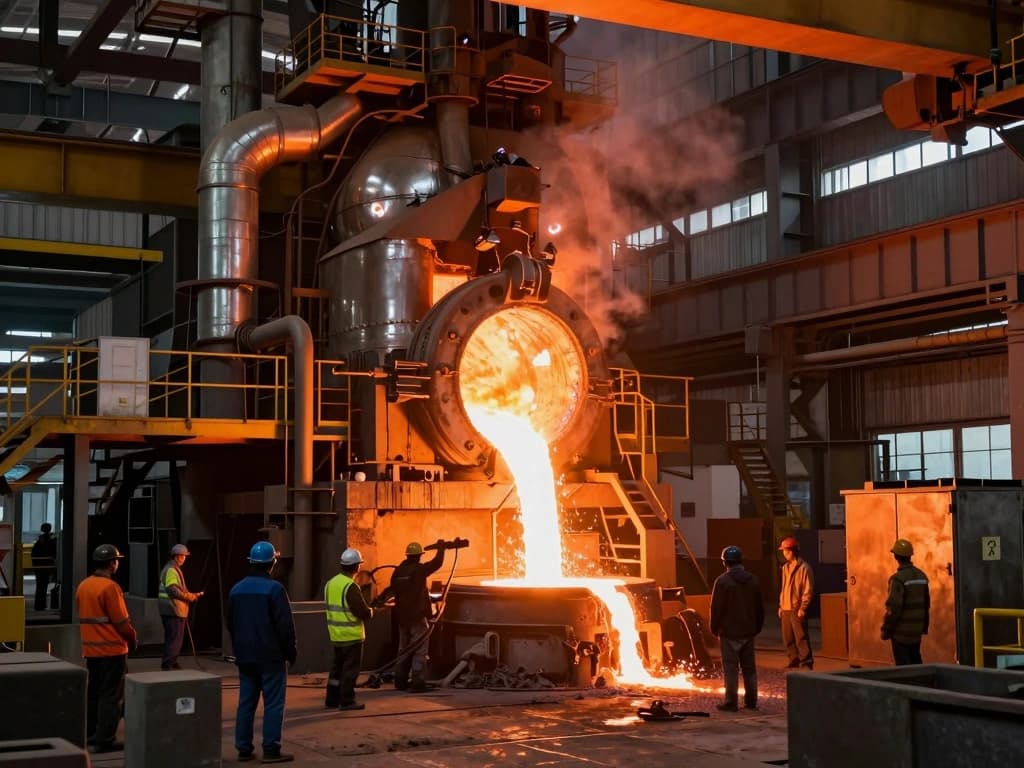
Discover how electric arc furnaces operate in steel mills, enhancing efficiency and sustainability in heavy industry. Learn the process and benefits today!
Principles of Electric Arc Furnace Operation
Electric arc furnaces (EAFs) are a cornerstone of modern steelmaking, providing a method that is both efficient and flexible. EAFs primarily use electrical energy to melt scrap steel and other charge materials, allowing for a more sustainable approach to steel production. This section will explore the underlying principles of how these furnaces operate.
Basic Mechanism of Arc Formation
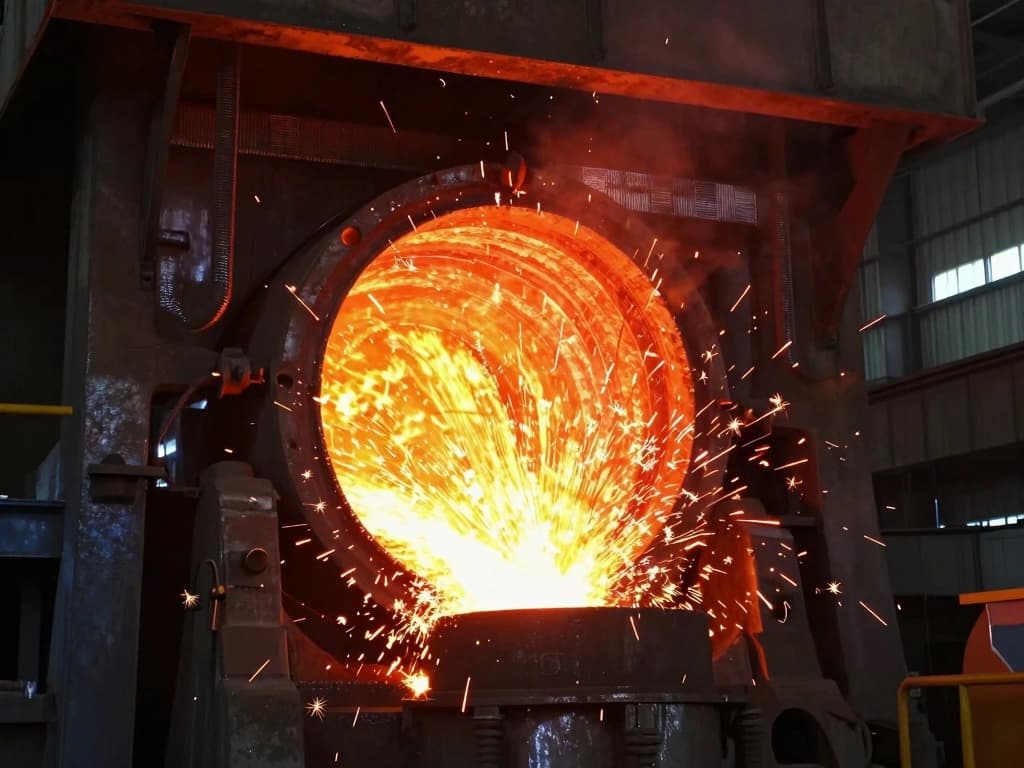
The operation of an electric arc furnace is based on the principle of arc formation. When electric current passes between two conductive electrodes, an arc is created when the current overcomes the air gap between them. This arc generates intense heat—temperatures can reach up to 1,600 degrees Celsius (2,912 degrees Fahrenheit)—sufficient to melt steel and other ferrous materials. The arc itself is formed by ionizing the air, which creates a plasma channel. The electrons in the air become excited and begin to conduct electricity, allowing current to flow. In an EAF, the electrodes are typically made of graphite or a similar conductive material, which can withstand high temperatures while providing a reliable conductivity.
Electric Current and Voltage Requirements
Electric arc furnaces operate at high currents, typically ranging from 50 to 100 kA (kiloamperes) depending on the furnace size and design. The voltage required can range from 300 to 600 volts, depending on the specific operational requirements and the type of charge being melted. The control of current and voltage is crucial for optimizing the melting process. A higher voltage can increase arc stability and efficiency, while a lower voltage may be more suitable for specific types of scrap materials. Operators must carefully monitor and adjust these parameters to ensure consistent melting performance and energy efficiency.
Role of Electrode Materials
The choice of electrode materials is vital for efficient EAF operation. Graphite electrodes are the most common due to their high thermal conductivity and resistance to oxidation at elevated temperatures. The typical diameter of graphite electrodes ranges from 450 mm to 700 mm, and they can be as long as 2,400 mm. The quality of the electrodes affects not only the efficiency of the arc but also the overall operational costs. High-quality electrodes can improve arc stability and reduce power consumption, which is crucial given that energy costs can account for up to 70% of the total production costs in an EAF.
Charge Materials in Electric Arc Furnaces
Charge materials are the raw inputs used in electric arc furnaces, predominantly scrap metal and various alloys. Understanding the types of materials used and their respective roles is essential for producing high-quality steel.
Types of Scrap Metal Used
The primary charge material in EAFs is scrap metal, which can be categorized into several types:
- Obsolete Scrap: This includes scrap from end-of-life products such as automobiles, appliances, and buildings.
- Prompt Scrap: Generated during the manufacturing process, this scrap is often cleaner and more uniform.
- Industrial Scrap: Sourced from manufacturing processes, this type of scrap includes off-cuts and trimmings that are collected and recycled.
Typically, EAFs can use up to 100% scrap metal, making them highly sustainable. For instance, a modern EAF can process approximately 100 tons of scrap in a single charge, demonstrating their capacity for large-scale production.
Alloying Elements and Their Functions
In addition to scrap metal, EAFs often incorporate various alloying elements to enhance specific properties of the steel produced. Common alloying elements include:
- Carbon: Increases hardness and strength.
- Manganese: Improves toughness and wear resistance.
- Nickel: Enhances corrosion resistance and toughness.
- Chromium: Increases hardness and resistance to oxidation.
The precise combination of these elements is tailored to meet specific customer requirements, impacting the final steel product's characteristics.
Impact of Charge Composition on Steel Quality
The composition of the charge material significantly influences the quality of the steel produced. Variations in scrap quality, the presence of contaminants, and the proportions of alloying elements can all affect the mechanical properties and performance of the final product. For example, the inclusion of high levels of tramp elements, such as lead or zinc, can lead to undesirable properties in the steel, making it essential for operators to ensure that incoming scrap is carefully sorted and processed.
Energy Efficiency and Environmental Impact
Energy efficiency and environmental impact are critical considerations in the operation of electric arc furnaces. EAFs are generally more energy-efficient than traditional blast furnaces, but there is still room for improvement.
Power Consumption in Electric Arc Furnaces
The energy consumption of EAFs can vary widely based on operational practices and charge materials. Typically, the power consumption is approximately 400 to 700 kWh per ton of steel produced. Factors affecting power consumption include:
- The type and quality of scrap used.
- The efficiency of the furnace design.
- Operational practices, including power management strategies.
Improving energy efficiency can lead to significant cost savings and reduced greenhouse gas emissions, making it a vital focus for steel manufacturers.
Emission Control Technologies
To mitigate environmental impact, modern EAFs incorporate several emission control technologies. These include:
- Bag Filters: To capture dust and particulate matter produced during the melting process.
- Scrubbing Systems: To reduce gaseous emissions, including nitrogen oxides (NOx) and sulfur oxides (SOx).
- Carbon Capture Technologies: Emerging systems designed to capture and utilize CO2 emissions.
By employing these technologies, steel mills can significantly reduce their carbon footprint and comply with increasingly stringent environmental regulations.
Recycling and Sustainability Aspects
Electric arc furnaces are inherently more sustainable than traditional steelmaking methods due to their reliance on scrap metal, which is a recyclable resource. This recycling process not only conserves natural resources but also requires significantly less energy. For instance, producing steel from scrap in an EAF can save approximately 75% of the energy compared to producing steel from iron ore in a blast furnace. Additionally, EAFs help divert large amounts of scrap from landfills, further contributing to environmental sustainability.
Operational Parameters and Control Systems
Effective management of operational parameters is essential for optimizing the performance of electric arc furnaces. This involves precise control over various factors, including temperature, power input, and process timing.
Temperature Control and Monitoring
Temperature is a critical parameter in the EAF process. The ability to monitor and control temperature ensures that the melting process is efficient and that the steel achieves the desired properties. Thermocouples and infrared sensors are commonly used to monitor temperatures both within the furnace and in the molten steel. Operators adjust the power input to maintain the optimal melting temperature, which is crucial for achieving consistent quality in the final product.
Automation in Electric Arc Furnace Operations
Automation plays a significant role in modern EAF operations. Automated systems help streamline the charging process, control power input, and manage cooling systems, resulting in enhanced operational efficiency and improved safety. For example, many EAFs now incorporate advanced control systems that utilize programmable logic controllers (PLCs) and distributed control systems (DCS) to optimize the entire melting process. This automation minimizes human error and allows for more precise control of the various parameters involved in steelmaking.
Data Analytics for Process Optimization
The integration of data analytics into EAF operations has transformed how steel mills approach process optimization. By collecting and analyzing data from various sensors and control systems, operators can gain insights into performance trends and identify areas for improvement. Techniques such as predictive analytics can forecast potential issues before they occur, allowing for proactive maintenance and reduced downtime. This data-driven approach enhances overall efficiency and can lead to significant cost savings.
Future Trends in Electric Arc Furnace Technology
As the steel industry continues to evolve, so too do the technologies associated with electric arc furnaces. Several trends are emerging that promise to enhance the efficiency and sustainability of EAF operations.
Innovations in Furnace Design
Innovations in EAF design focus on improving energy efficiency and operational flexibility. New designs may include improvements in refractory materials, enhanced cooling systems, and advanced electrode configurations. For instance, the development of ultra-high power EAFs allows for increased production rates and improved melting efficiency. These furnaces can operate at power levels exceeding 100 MVA (megavolt-amperes), reducing overall melting times and energy consumption.
Integration of Renewable Energy Sources
The increasing availability of renewable energy sources presents significant opportunities for electric arc furnaces. By integrating solar, wind, or hydropower into the EAF operation, steel mills can reduce their reliance on fossil fuels and lower their carbon emissions. Some steel producers are exploring the use of off-peak electricity generated from renewable sources to power their EAFs during periods of low demand. This strategy not only helps in reducing costs but also enhances the sustainability of the steel production process.
Advancements in Smart Manufacturing
The future of electric arc furnace technology is closely linked to advancements in smart manufacturing. The adoption of Industry 4.0 principles, including the Internet of Things (IoT), artificial intelligence (AI), and machine learning, is set to revolutionize EAF operations. Smart manufacturing technologies can provide real-time data analytics, enabling operators to make informed decisions that optimize production efficiency and quality. For example, AI algorithms can analyze historical data to fine-tune operational parameters and predict maintenance needs, ultimately leading to improved reliability and reduced operational costs.