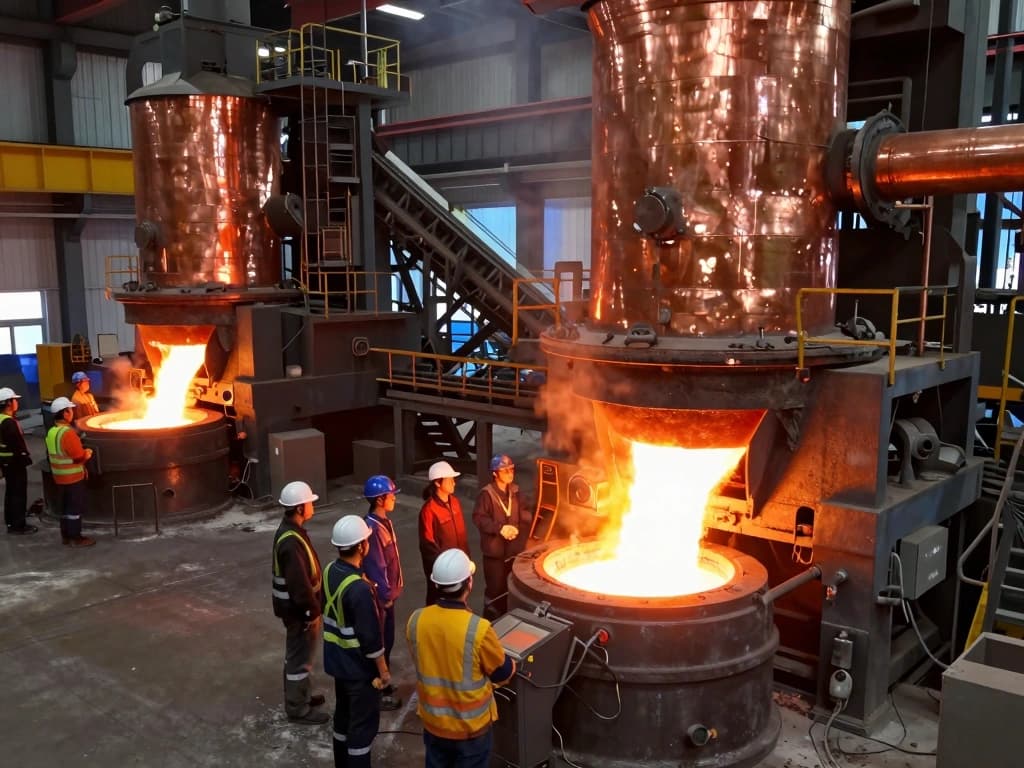
Discover how copper smelters efficiently recover precious metals, enhancing sustainability and profitability in the heavy industry and engineering sector.
Introduction to Copper Smelting and Precious Metal Recovery
Overview of Copper Smelting Processes
Copper smelting is a crucial phase in the metal extraction process, where copper ore is transformed into metallic copper. This process generally involves heating the ore in the presence of a flux, which aids in the separation of impurities from the copper. The primary smelting process involves several stages:
- Concentration: The first step involves crushing and grinding the ore, followed by flotation to separate copper minerals from gangue.
- Roasting: The concentrated ore is then heated to oxidize sulfur and other impurities, creating a material called matte.
- Smelting: The matte is further heated in a furnace, and a flux (like silica) is added to form slag, which can be discarded.
- Refining: The final copper product is often refined to remove any remaining impurities, which can include precious metals.
Importance of Precious Metals in Copper Production
Precious metals such as gold, silver, and platinum group metals (PGMs) are often present in copper ores. Their recovery during the copper smelting process is not only beneficial for environmental reasons but also significantly enhances the economic viability of copper production. The presence of these metals increases the overall profitability of smelting operations. For instance, a typical copper concentrate may contain 0.5-1.5 grams of gold per ton and 5-10 grams of silver, making their extraction a lucrative endeavor.
Economic Impact of Efficient Recovery
The efficient recovery of precious metals can substantially impact the bottom line of copper smelters. For example, in 2022, the average price of gold was approximately $1,800 per ounce, while silver hovered around $25 per ounce. If a smelter can recover an additional 1,000 ounces of gold and 10,000 ounces of silver annually through enhanced recovery methods, the financial implications can be transformative, leading to millions of dollars in increased revenue. Thus, investing in technologies and techniques that improve recovery rates is paramount for smelting operations.
Techniques for Recovering Precious Metals in Smelting
Fire Refining Methods
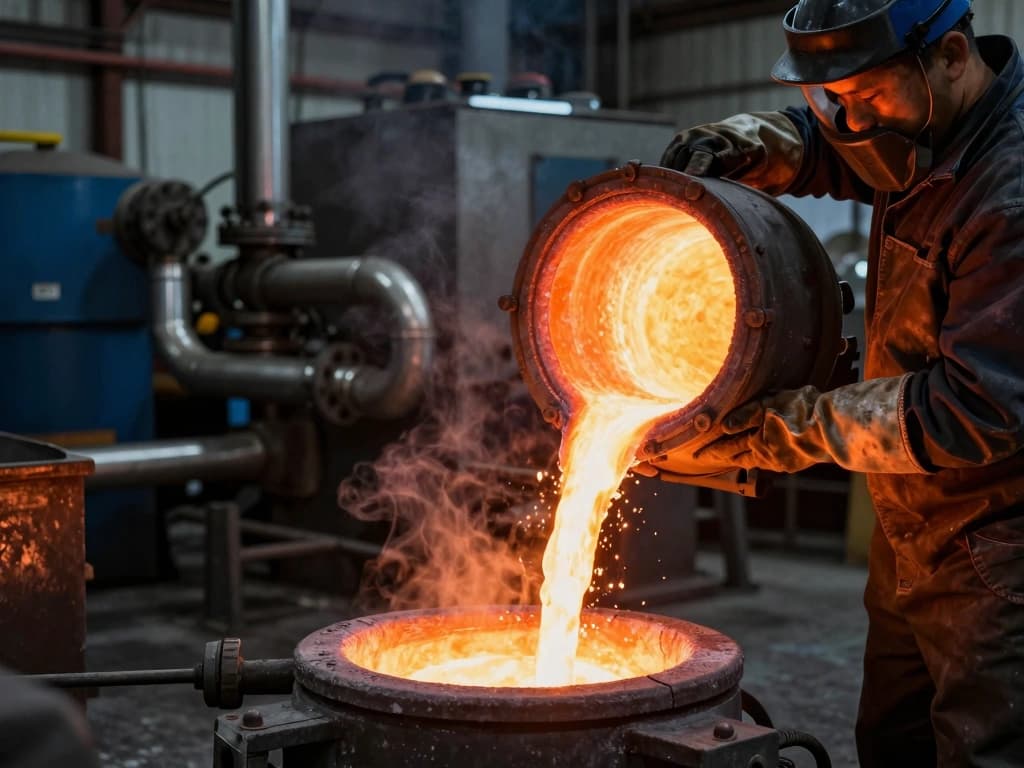
Fire refining is one of the oldest methods for recovering precious metals from copper. During this process, copper is melted in a furnace, where air is blown through the molten metal. This oxidizes impurities, allowing them to form a slag that can be removed. The remaining copper can then be enriched with precious metals. Techniques such as fire assay can be employed to quantify the amounts of precious metals present in the copper scrap, ensuring that maximum recovery is achieved.
Electrolytic Refining Processes
Electrolytic refining is another efficient method for recovering precious metals. In this process, copper is dissolved in an electrolyte solution, and an electric current is passed through. The copper ions migrate to the cathode, where pure copper is deposited, while impurities, including precious metals, can either remain in solution or be deposited on the anode. This method has been shown to achieve recovery rates of over 99% for copper and can also yield high purity levels for precious metals.
Innovative Pyrometallurgical Techniques
Recent advancements in pyrometallurgical techniques have introduced methods such as flash smelting and converting. Flash smelting enables the rapid oxidation of concentrates, resulting in higher recovery rates of precious metals due to reduced residence time in the furnace. Additionally, integrated approaches that combine traditional smelting with modern techniques can enhance the extraction of precious metals. For example, using oxygen-enriched air during the smelting process has shown to improve both copper and precious metal recovery.
Environmental Considerations in Precious Metal Recovery
Reducing Emissions During Smelting
Environmental concerns are paramount in the copper smelting industry, particularly regarding emissions of sulfur dioxide and particulate matter. Advanced technologies such as flue gas cleaning systems and scrubbing technologies are essential for minimizing these emissions. By efficiently recovering precious metals, smelters can reduce the overall volume of material that requires treatment, leading to lower emissions per unit of metal produced.
Waste Management Practices
Effective waste management practices are crucial in copper smelting. The slag produced during the smelting process can contain valuable precious metals. Instead of discarding this material, innovative smelters are now implementing recycling strategies to extract these metals. For instance, some smelters have developed processes to recover gold and silver from slag using methods such as gravity separation and cyanide leaching.
Recycling and Reusing Materials
Recycling plays a significant role in sustainable copper smelting. Many smelters are now sourcing scrap copper and other materials that contain precious metals. This not only reduces the need for new raw materials but also minimizes environmental impacts. According to the International Copper Study Group (ICSG), recycling copper can save up to 85% of the energy required for primary production, thereby making it an environmentally friendly option.
Technological Advances Enhancing Recovery Efficiency
Automation in Copper Smelting
Automation technologies are revolutionizing the copper smelting industry. Automated systems can monitor and control various parameters during the smelting process, such as temperature and chemical composition, leading to optimized recovery of precious metals. For example, companies like Outotec have developed automated smelting solutions that allow for real-time adjustments to the smelting process, improving both efficiency and yield.
Advanced Separation Techniques
New separation technologies such as bioleaching and hydrometallurgy are being integrated into traditional smelting practices. These methods provide alternative pathways for recovering precious metals from ores and concentrates that may not be economically viable using conventional methods. Bioleaching, for instance, uses microorganisms to extract metals from ores, allowing for the recovery of precious metals in a more environmentally friendly manner.
Real-time Monitoring and Data Analysis
The integration of data analytics and IoT (Internet of Things) technology has transformed the landscape of copper smelting. Real-time monitoring systems can track the performance of smelting operations, identifying areas for improvement in precious metal recovery. For instance, by analyzing data on slag composition and temperature profiles, smelters can make informed decisions that enhance recovery outcomes and reduce costs.
Case Studies of Successful Precious Metal Recovery
Leading Copper Smelters and Their Practices
Several leading copper smelters have set benchmarks for efficient precious metal recovery. For example, KGHM, a global leader in copper and silver production, employs advanced pyrometallurgical techniques that have led to recovery rates of over 90% for silver. Their integrated approach combines traditional smelting with innovative technologies such as flash smelting and refining.
Comparative Analysis of Recovery Rates
When comparing the recovery rates of various smelters, it's evident that those adopting modern technologies consistently outperform traditional operations. For instance, Freeport-McMoRan reported recovery rates of 92% for gold and 95% for silver in their smelting operations. In contrast, some older smelting facilities struggle to exceed 70% recovery, highlighting the importance of investment in technology and innovation.
Lessons Learned from Industry Innovations
One of the key lessons from the advancements in precious metal recovery is the importance of continual investment in research and development. The copper smelting industry is evolving rapidly, and companies that embrace innovation are better positioned to capitalize on the economic benefits of precious metal recovery. Furthermore, adopting sustainable practices not only improves recovery rates but also enhances a company's reputation and compliance with environmental regulations.