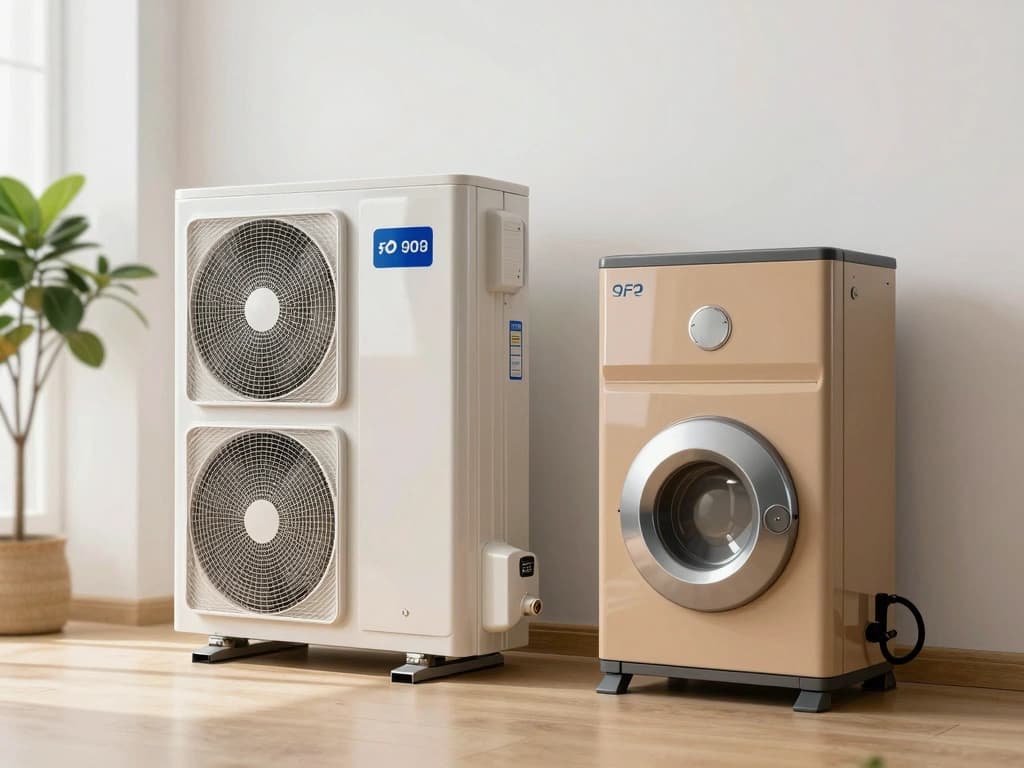
Discover the lifetime cost analysis of heat pumps vs. furnaces. Make an informed decision for your home with our comprehensive guide on energy efficiency and savings.
Initial Investment: Heat Pumps vs. Furnaces
Cost of Purchase and Installation
When considering a heating system for your home, the initial investment is one of the most crucial factors. Generally, heat pumps have a higher upfront cost compared to traditional furnaces. On average, homeowners can expect to pay between $3,500 and $7,500 for a heat pump, including installation. In contrast, the cost of a furnace typically ranges from $2,500 to $5,000, including installation. The variance in price can depend on several factors, including brand, efficiency ratings, and the complexity of installation.
Factors Influencing Initial Costs
Several factors can influence the initial costs of both heating systems:
- Type of System: Heat pumps come in various types, including air-source, ground-source (geothermal), and water-source, with geothermal systems being the most expensive due to installation complexity.
- Size of Home: The larger the home, the more powerful the heating system required, which can increase both initial purchase and installation costs.
- Local Labor Rates: Installation costs can vary significantly by region due to local labor market conditions.
- System Efficiency: Higher efficiency models often come with a higher price tag, but they can save money in the long run.
Long-Term Value Considerations
Although heat pumps may have a higher initial cost, their long-term value can be significant. With an average lifespan of 15 to 20 years, heat pumps often provide heating and cooling in one system, eliminating the need for separate systems. This dual functionality can make the higher upfront cost worthwhile for homeowners looking for convenience and efficiency. On the other hand, furnaces generally have a lifespan of 15 to 30 years, which means they can be a more durable option in some situations, but without the cooling capability.
Operating Costs: Monthly Expenses Analysis
Energy Efficiency Ratings
Energy efficiency is a critical factor in determining the operating costs of heating systems. Heat pumps typically have higher efficiency ratings than furnaces. The efficiency of heat pumps is measured in terms of the Seasonal Energy Efficiency Ratio (SEER) and Heating Seasonal Performance Factor (HSPF). A heat pump with an HSPF rating of 8 or higher is considered efficient. In contrast, furnaces are rated by Annual Fuel Utilization Efficiency (AFUE), with ratings above 90% being regarded as high efficiency. A furnace with an AFUE of 95% converts 95% of the fuel it consumes into heat, while heat pumps can provide more heat energy than the electrical energy consumed, due to their method of heat transfer.
Average Utility Costs for Each System
The monthly utility costs for heating depend on the local utility rates and the efficiency ratings of the systems. On average, homeowners can expect to pay:
- Heat Pump: Approximately $100 to $150 per month during peak winter months, depending on usage and local electricity rates.
- Furnace: Monthly costs can range from $80 to $120, depending on the type of fuel (natural gas, propane, oil) and the efficiency of the furnace.
Overall, heat pumps can provide significant savings on energy bills, especially in moderate climates where they can operate efficiently throughout the year.
Impact of Climate on Operating Expenses
The climate plays a vital role in the operating costs of heating systems. In colder climates, furnaces tend to perform better since they can generate higher temperatures more quickly. However, in milder climates, heat pumps can be highly efficient and cost-effective as they can extract heat from the outside air even during cold weather. According to the U.S. Department of Energy, heat pumps can operate efficiently in temperatures as low as 30°F, but their efficiency decreases as temperatures drop, potentially increasing operating costs. Furnaces, particularly high-efficiency models, remain effective in extreme cold, making them a more reliable option in harsh winter climates.
Maintenance and Repair Costs Over Time
Routine Maintenance Requirements
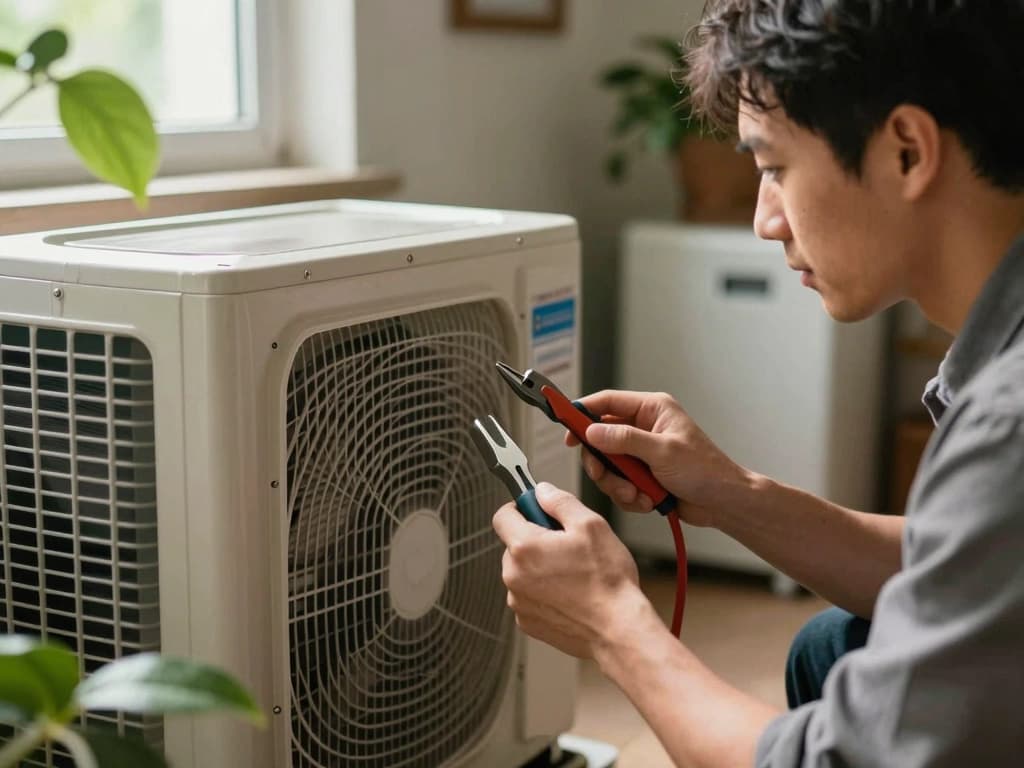
Both heating systems require regular maintenance to ensure optimal performance and longevity. Heat pumps generally need seasonal inspections, including cleaning the coils, checking refrigerant levels, and ensuring the defrost cycle operates correctly. The average cost for annual maintenance for heat pumps is about $150 to $300. Conversely, furnaces also require annual maintenance, including cleaning the burners, checking the heat exchanger, and replacing filters. The cost for furnace maintenance is similar, averaging around $100 to $250 per year.
Common Repair Issues and Costs
Repair costs can vary based on the system type and the specific issue. Common repair issues for heat pumps include:
- Refrigerant leaks: Repair costs can range from $200 to $1,500, depending on the severity.
- Compressor failure: A replacement can cost between $800 and $2,500.
For furnaces, common repair issues include:
- Ignition problems: Repairs can cost between $100 and $300.
- Heat exchanger failure: This can be a significant expense, with repairs ranging from $600 to $1,500.
Generally, heat pumps can experience more complex repairs due to their dual functionality and reliance on refrigerants.
Longevity and Reliability of Each System
Understanding the longevity of heating systems is essential for cost analysis. Heat pumps typically last between 15 to 20 years with proper maintenance, while furnaces can last from 15 to 30 years, depending on the type and maintenance. A well-maintained furnace may provide lower long-term costs if it lasts longer; however, the energy efficiency of heat pumps may lead to savings that offset their shorter lifespan. Homeowners must weigh these factors when considering long-term reliability and costs.
Incentives and Rebates Impacting Total Costs
Government and Utility Rebates for Heat Pumps
One of the advantages of heat pumps is the availability of government incentives and rebates. Many states offer rebates for installing energy-efficient heat pumps, which can reduce the initial investment significantly. For example, rebates can range from $500 to $3,000, depending on the energy efficiency rating of the unit and the homeowner's location. Additionally, federal programs may provide tax credits for heat pump installations, further incentivizing homeowners to choose this option.
Tax Credits and Incentives for Furnaces
Furnaces, particularly high-efficiency models, may also qualify for various incentives. Tax credits can be available for furnaces with an AFUE of 95% or higher, providing homeowners with credits of up to 10% of the installation costs, with a maximum of $500. Utility companies may also offer rebates for upgrading to energy-efficient furnaces, albeit typically less than heat pump incentives.
Long-Term Financial Benefits of Incentives
Taking into account the financial incentives for both systems can significantly alter the total cost analysis. For heat pumps, the combination of lower operating costs and available rebates can lead to substantial long-term savings. Homeowners who invest in a heat pump may recover their initial investment within a few years due to lower monthly utility bills and available rebates. In contrast, while furnaces may have fewer rebates available, their longevity and reliability can still offer financial benefits for homeowners who maintain them effectively.
Resale Value and Home Market Considerations
Impact on Home Resale Value
When it comes to resale value, the choice between a heat pump and a furnace can be significant. Homes equipped with energy-efficient heat pumps may attract buyers looking for eco-friendly options, especially in regions with moderate climates. Studies have shown that homes with heat pumps can sell for up to 5% more than similar homes with traditional heating systems. Conversely, homes with high-efficiency furnaces also maintain good resale value, particularly in colder regions where buyers expect reliable heating during winter months.
Buyer Preferences in Heating Systems
Buyer preferences can vary widely based on geographic location, climate, and personal values. In areas with milder winters, heat pumps may be preferred due to their dual heating and cooling capabilities, while buyers in colder climates may favor traditional furnaces for their reliability and efficiency in extreme conditions. Understanding your local market can provide insights into which system may be more appealing to potential buyers.
Market Trends: Heat Pumps vs. Furnaces
As energy efficiency becomes a more significant concern for homeowners, the market trend is shifting towards heat pumps. The increasing availability of renewable energy sources and advancements in technology have made heat pumps more attractive. According to recent reports, heat pump installations have been growing steadily, while furnace sales have seen a decline in certain regions. This trend is likely to continue as homeowners seek sustainable solutions and energy-efficient options.