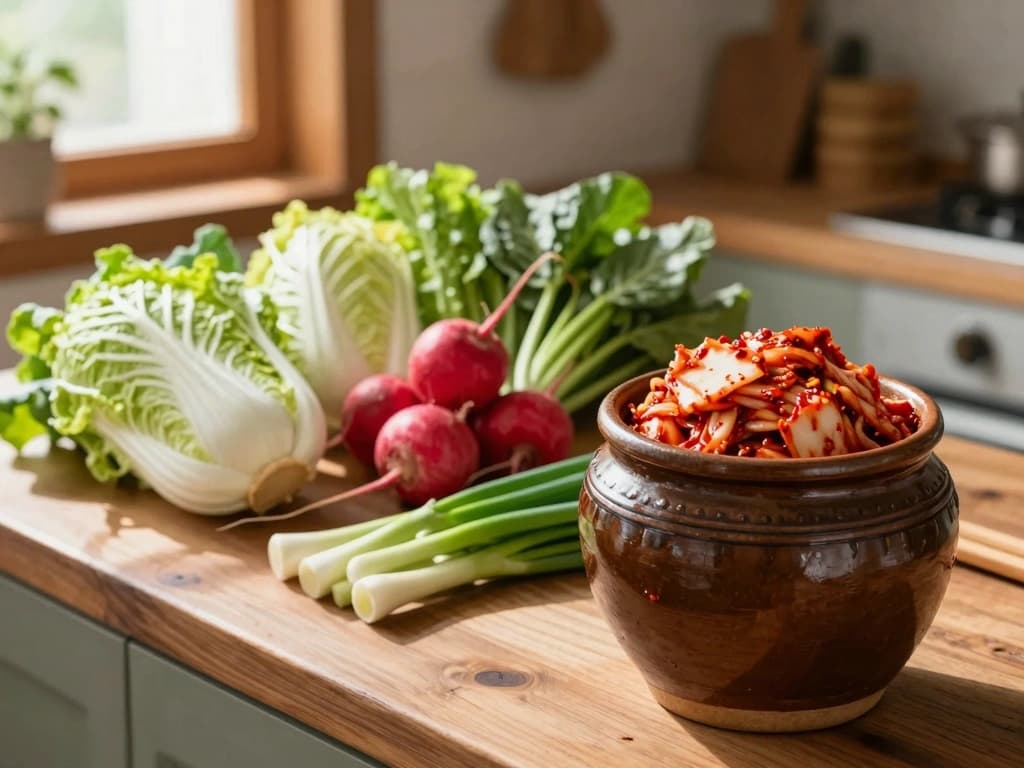
Discover traditional methods for fermenting kimchi at home and unlock authentic flavors. Elevate your culinary skills with this easy guide to homemade kimchi.
Understanding the Basics of Kimchi Fermentation
The Science Behind Fermentation
Fermentation is a natural process that transforms the sugars in food into acids, gases, or alcohol using microorganisms such as bacteria and yeast. In the case of kimchi, lactic acid bacteria (LAB) play a crucial role in the fermentation process. LAB are naturally present on the surface of vegetables and are responsible for the sour taste and preservation of kimchi.
The fermentation process begins when the vegetables are salted, which draws out moisture and creates an anaerobic environment favorable for LAB. As these bacteria multiply, they consume sugars and produce lactic acid, which acts as a preservative, inhibiting the growth of harmful bacteria while enhancing the flavor profile. This process can take anywhere from a few days to several weeks, depending on various factors such as temperature, salt concentration, and the specific ingredients used.
Essential Ingredients for Traditional Kimchi
To create authentic kimchi, it is important to use high-quality ingredients. Traditional kimchi recipes typically include the following:
- Napa Cabbage: The primary vegetable in most kimchi, known for its tender leaves and ability to absorb flavors.
- Radishes: Often used in various forms, such as daikon or Korean radish, these add crunch and a peppery flavor.
- Salt: Essential for drawing out moisture and creating a suitable environment for fermentation. Korean coarse sea salt is preferred.
- Garlic: Adds pungency and depth to the flavor.
- Ginger: Offers a warm, spicy note that complements the other ingredients.
- Chili Pepper Flakes: Gochugaru, a Korean chili powder, provides heat and a vibrant red color.
- Sugar: A small amount helps balance the flavors and feeds the bacteria during fermentation.
- Fish Sauce or Shrimp Paste: For traditional recipes, these ingredients add umami and depth, although vegetarian options can be substituted.
Choosing the Right Vegetables for Fermentation
The choice of vegetables is crucial for achieving authentic kimchi. While Napa cabbage is the most common base, other vegetables can be used alone or in combination. Here are some popular choices:
- Napa Cabbage: As mentioned, it is the classic choice for kimchi.
- Radishes: Daikon and Korean radish are preferred for their crunch and flavor.
- Carrots: Shredded carrots add color and sweetness.
- Green Onions: Chopped green onions contribute a fresh, mild onion flavor.
- Garlic Chives: These can add a unique flavor profile to the mix.
When selecting vegetables, look for fresh, firm produce without blemishes. The quality of your ingredients will significantly impact the final taste of your kimchi.
Traditional Kimchi Recipes to Try at Home
Classic Napa Cabbage Kimchi
This is the quintessential kimchi recipe that forms the foundation for many variations. Here’s how to make it:
- Ingredients:1 large Napa cabbage
- 1/2 cup coarse sea salt
- 4 cups water
- 1/2 cup gochugaru (Korean chili flakes)
- 1/4 cup fish sauce
- 1 tablespoon sugar
- 8 cloves garlic, minced
- 1-inch piece of ginger, grated
- 4 green onions, chopped
- Instructions:Cut the Napa cabbage lengthwise into quarters and remove the core. Cut the quarters into bite-sized pieces.
- In a large bowl, dissolve the salt in water and submerge the cabbage pieces. Let them soak for 2 hours, turning occasionally.
- Rinse the cabbage thoroughly under cold water to remove excess salt and drain well.
- In a separate bowl, mix the gochugaru, fish sauce, sugar, garlic, and ginger to form a paste.
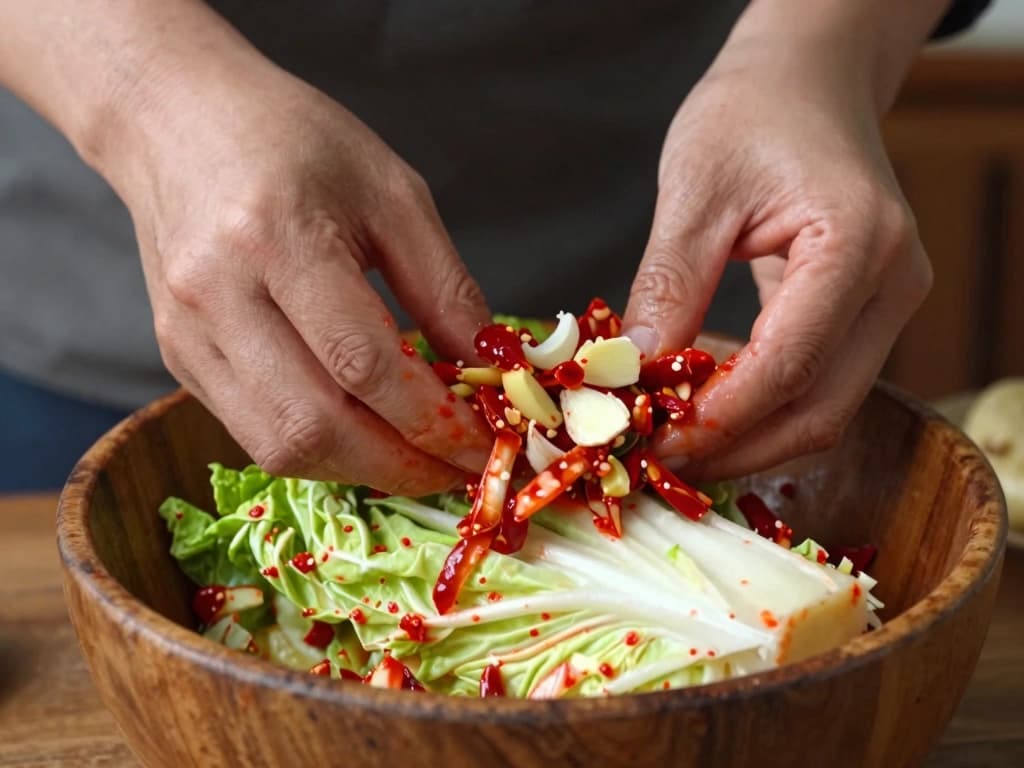
- Add the drained cabbage, green onions, and the paste to a large mixing bowl. Use your hands (wearing gloves) to combine everything until the cabbage is well coated.
- Packing the mixture tightly into a clean fermentation jar, leaving some headspace at the top. Seal the jar loosely to allow gases to escape.
- Let the jar sit at room temperature for 1-5 days, depending on your preference for sourness. Check daily and press down on the cabbage to keep it submerged.
- Once fermented to your liking, transfer the jar to the refrigerator to slow down the fermentation process.
Spicy Radish Kimchi Variations
Radish kimchi, or "kkakdugi," is a delightful variation that is equally popular. Here’s a simple recipe:
- Ingredients:1 medium Korean radish, diced into 1-inch cubes
- 1/4 cup coarse sea salt
- 1/2 cup gochugaru
- 1/4 cup fish sauce
- 4 cloves garlic, minced
- 1-inch piece of ginger, grated
- 1 tablespoon sugar
- 2 green onions, chopped
- Instructions:In a large bowl, combine the diced radish with salt and let it sit for 1 hour to draw out moisture.
- Rinse the radish pieces under cold water and drain well.
- In a separate bowl, combine the gochugaru, fish sauce, garlic, ginger, and sugar to make a paste.
- Add the drained radish and green onions to the paste, mixing thoroughly.
- Pack the mixture into a fermentation jar, ensuring it is tightly packed.
- Allow it to ferment at room temperature for 1-3 days, then refrigerate to stop the fermentation.
Vegetable Medley Kimchi
This recipe offers flexibility, allowing you to use various vegetables to create a unique kimchi:
- Ingredients:1 cup Napa cabbage, chopped
- 1 cup radish, diced
- 1 cup carrots, shredded
- 1 cup cucumber, sliced
- 1/4 cup coarse sea salt
- 1/2 cup gochugaru
- 1/4 cup fish sauce
- 4 cloves garlic, minced
- 1-inch piece of ginger, grated
- 1 tablespoon sugar
- Instructions:Combine all chopped vegetables in a large bowl and sprinkle with salt. Let sit for 30 minutes.
- Rinse the vegetables thoroughly and drain.
- In a separate bowl, mix gochugaru, fish sauce, garlic, ginger, and sugar to create a paste.
- Add the vegetables to the paste and mix well, ensuring all pieces are coated.
- Transfer the mixture to a fermentation jar, pressing down to eliminate air pockets.
- Ferment at room temperature for 2-4 days before transferring to the refrigerator.
Essential Tools and Equipment for Fermenting Kimchi
Selecting the Right Fermentation Jar
Choosing the right jar is critical for successful fermentation. Glass jars are preferred as they are non-reactive and allow you to monitor the fermentation process. Here are some options:
- Mason Jars: Widely available and come in various sizes. Ensure they have a wide mouth for easy filling and cleaning.
- Korean Onggi: Traditional earthenware jars ideal for fermenting large batches of kimchi.
- Fermentation Weights: Used to keep vegetables submerged in the brine, preventing mold growth.
Utensils for Preparing Kimchi
Having the right tools can streamline your kimchi-making process:
- Cutting Board and Knife: For chopping vegetables.
- Mixing Bowls: For combining ingredients before packing them into jars.
- Measuring Cups and Spoons: For precise ingredient measurements.
- Gloves: To protect your hands from the strong spices and to maintain hygiene.
- Spatula or Wooden Spoon: For mixing the ingredients without damaging the vegetables.
Temperature Control and Storage Solutions
Temperature plays a significant role in fermentation speed and flavor development. Here are some tips:
- Room Temperature: Ideal for initial fermentation is around 60-75°F (15-24°C).
- Cooler Storage: Once fermented, store kimchi in the refrigerator at around 32-36°F (0-2°C).
- Avoid Direct Sunlight: Keep your fermentation jars in a dark or shaded area to prevent overheating.
Mastering the Fermentation Process
Preparing Your Ingredients for Fermentation
Preparation is key to successful fermentation. Here’s how to prepare your ingredients effectively:
- Washing Vegetables: Always wash your vegetables thoroughly to remove dirt and pesticides.
- Salting: Use the correct amount of salt to ensure proper fermentation. A general rule is 3-5% of the total vegetable weight in salt.
- Cutting Vegetables: Cut vegetables into uniform sizes to ensure even fermentation.
Fermentation Time: Finding the Perfect Balance
Fermentation time can vary based on personal preference and environmental factors. Here’s how to find the perfect balance:
- Taste Testing: Start tasting after 24 hours and continue to check daily until it reaches your desired sourness.
- Temperature Influence: Warmer environments will speed up fermentation, while cooler temperatures will slow it down.
- Storage Location: Keep your fermenting jars in a stable location away from drafts and direct sunlight.
Tasting and Adjusting Flavors During Fermentation
Tasting your kimchi during fermentation is crucial to achieving the right flavor profile:
- Adjusting Spice Levels: If you prefer more heat, consider adding a bit more gochugaru during the mixing stage.
- Balancing Saltiness: If the kimchi is too salty, consider diluting it with additional vegetables.
- Adding Sweetness or Acidity: Depending on your taste, you can add a touch of sugar or vinegar to adjust the flavor.
Storing and Using Your Homemade Kimchi
Best Practices for Storing Fermented Kimchi
Proper storage is essential to maintain the quality of your kimchi:
- Refrigeration: Store your kimchi in the refrigerator to slow down fermentation and preserve flavors.
- Airtight Containers: Use airtight jars to minimize exposure to air, which can lead to spoilage.
- Labeling: Always label jars with the fermentation date to keep track of freshness.
Creative Ways to Incorporate Kimchi in Meals
Kimchi is a versatile ingredient that can enhance a variety of dishes:
- Kimchi Fried Rice: Stir-fry cooked rice with kimchi and vegetables for a quick meal.
- Kimchi Tacos: Use kimchi as a topping for tacos, adding a spicy and tangy kick.
- Soups and Stews: Add kimchi to soups and stews for depth of flavor, especially in Korean stews like kimchi jjigae.
- Sandwiches: Layer kimchi on sandwiches for added crunch and flavor.
Extending the Shelf Life of Homemade Kimchi
To keep your homemade kimchi fresh for longer, consider these tips:
- Keep It Submerged: Always ensure that kimchi is submerged in its brine to prevent mold growth.
- Use Clean Utensils: When scooping out kimchi, use clean utensils to avoid contamination.
- Monitor Fermentation: Regularly check the kimchi for off smells or strange colors, as these may indicate spoilage.